Blown-In Attic Insulation: The Home Upgrade Everyone's Talking About
Thinking of upgrading your attic insulation? It's one of the best ways to make your home more comfortable, save on energy bills, and keep everything running smoothly all year. Blown-in attic insulation is a popular choice for many homeowners because it offers a solid mix of performance and affordability, plus it's quick to install. It helps even out temperatures, reduces the load on your HVAC system, and promotes a healthier indoor environment when combined with proper air sealing and ventilation.
When you're weighing home improvement options, don't just focus on the upfront cost. A well-insulated attic can significantly impact your home's energy usage, temperature stability, and even save you from costly repairs caused by moisture issues. That's why many homeowners pair insulation upgrades with air duct sealing or indoor air quality enhancements for a more complete improvement. For more on energy-saving home upgrades, check out the U.S. Department of Energy's guide on insulation basics.
In this guide, we'll cover what blown-in attic insulation is all about, why it's such a smart upgrade, how it stacks up against other types, and what the installation process looks like. Plus, you'll learn how to spot signs that your attic might need some attention and which related services can further boost your home's efficiency and comfort.
Understanding Blown-In Attic Insulation
What's It All About?
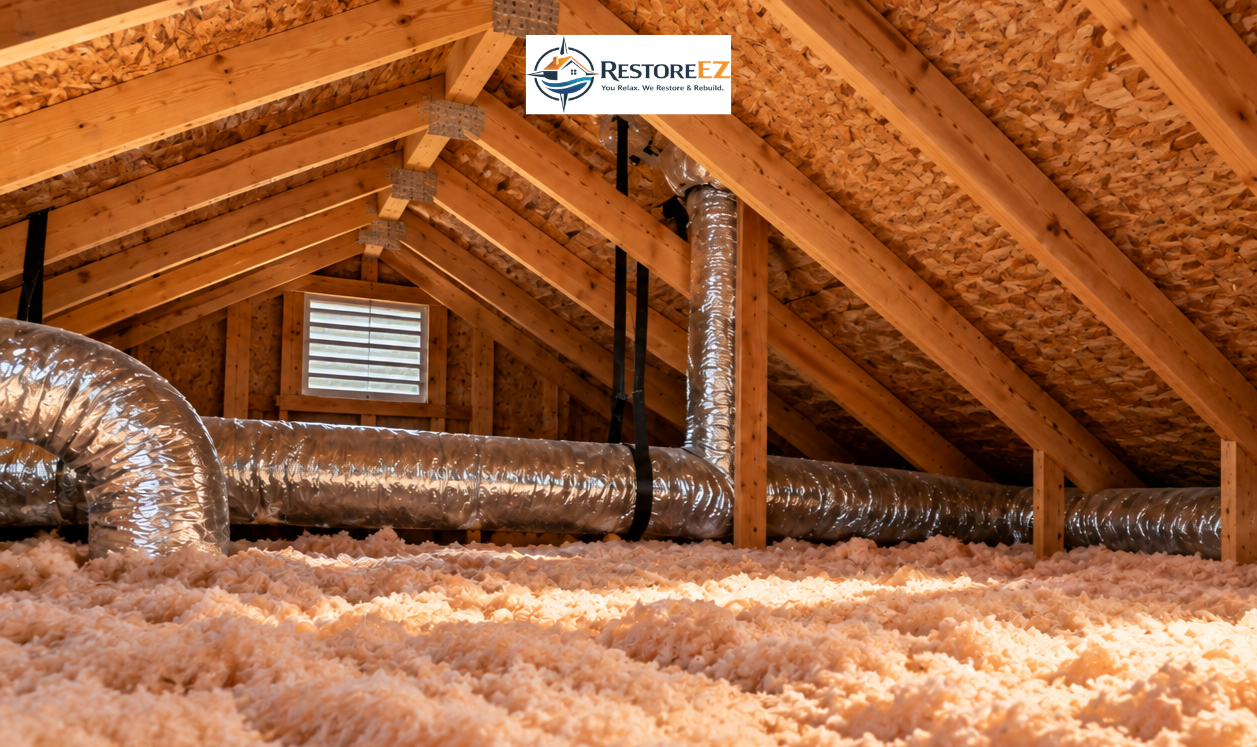
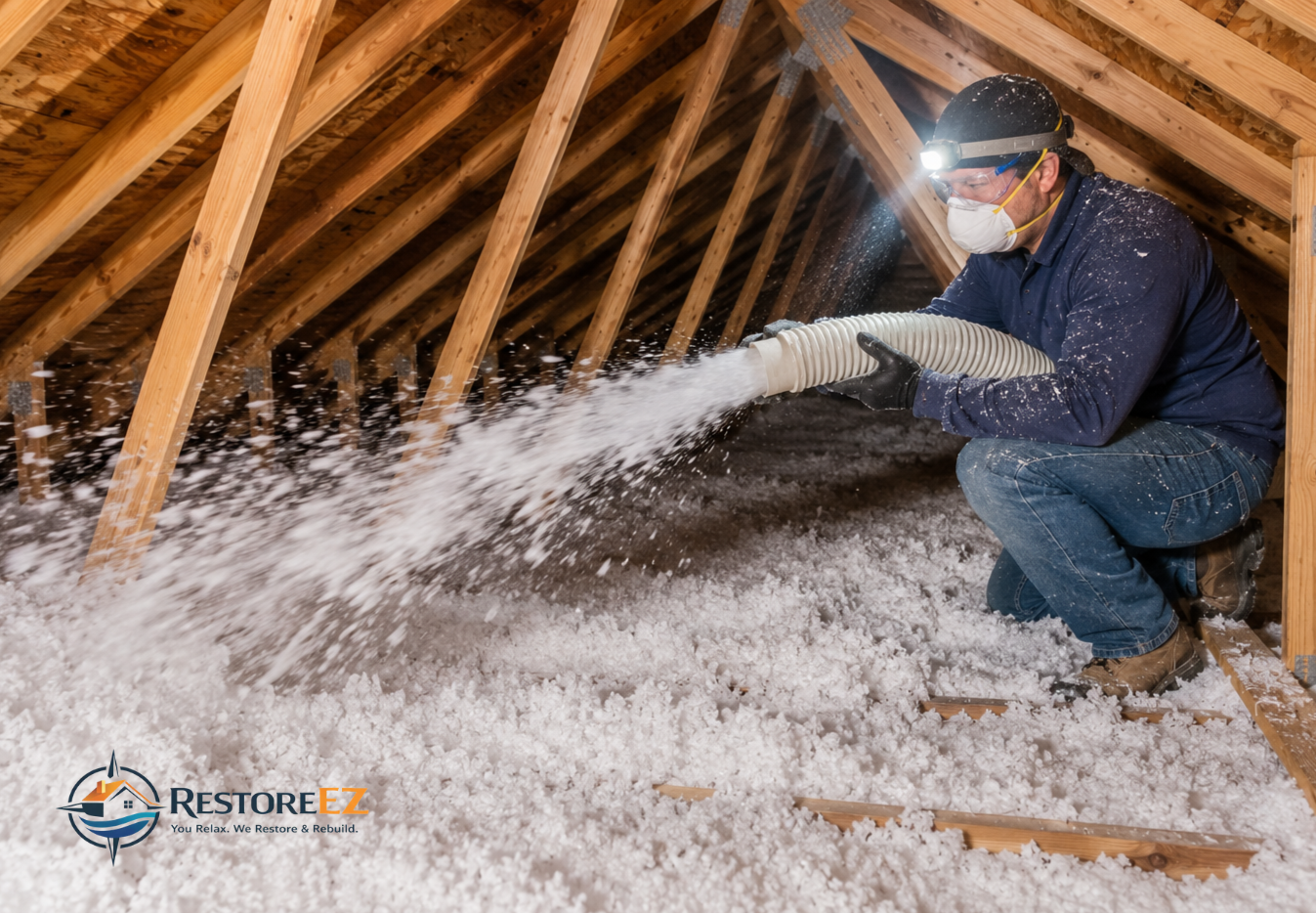
Blown-in insulation involves using specialized equipment to spread loose-fill material, usually fiberglass or cellulose, across the attic floor. This material is great at filling gaps and irregular spaces, creating a consistent thermal barrier. It's especially effective in older attics with uneven framing or tight spots that batt insulation can't handle as well.
The main goal? Slow down heat transfer between your living space and the attic. In the summer, this keeps outdoor heat from creeping in. In the winter, it helps keep warm air inside. When you pair it with proper air duct cleaning and attic ventilation, your whole home runs more efficiently.
Types of Insulation Materials
Cellulose insulation is often made from recycled paper products treated for fire resistance. Fiberglass uses fine glass fibers. Both have their perks. Cellulose covers well and works great in irregular spaces, while fiberglass is lightweight and resists moisture well when properly installed. The right choice depends on your home’s setup, climate, budget, and the current state of your attic.
According to the Environmental Protection Agency, both insulation and air sealing are key for home comfort and efficiency. Check out more about these concepts at the EPA's indoor air quality page. If your home has had moisture problems before, it's smart to get the attic checked out before adding new material to avoid sealing in any hidden issues.
Why Blown-In Attic Insulation is a Smart Move
Boosting Energy Efficiency
One major reason folks go for blown-in attic insulation is the potential for energy savings. A poorly insulated attic lets your conditioned air escape too easily, making your HVAC system work overtime. Over time, this can hike up your energy bills and put extra wear on HVAC components. Better insulation reduces energy loss, helping your home maintain a stable temperature with less effort.
This is especially important in warm, humid areas where attic heat buildup is a constant challenge. Homes in places like Florida often deal with intense solar gain, making top floors uncomfortable. Blown-in insulation helps reduce heat transfer in the attic, improving comfort and efficiency, especially when paired with smart thermostat solutions for precise temperature control.
Cozy Comfort All Around
Many homeowners upgrade their insulation because they're tired of rooms that never feel quite right. Maybe one bedroom's too warm, another's too cold, and hallways feel drafty despite the thermostat. This imbalance often ties back to a weak attic thermal barrier. Blown-in insulation helps even out these temperature differences, making your home feel more comfortable overall.
It's not just about temperature, either. When you pair insulation with air sealing, it can reduce drafts, limit dust, and help control humidity better, making your home feel more peaceful and pleasant.
Helping with Moisture and Mold Issues
While insulation won't stop leaks, it can support a healthier attic environment when teamed with good ventilation and moisture control. A well-insulated attic reduces temperature swings that can cause condensation, which is important because excess moisture can lead to rot, odors, and mold over time.
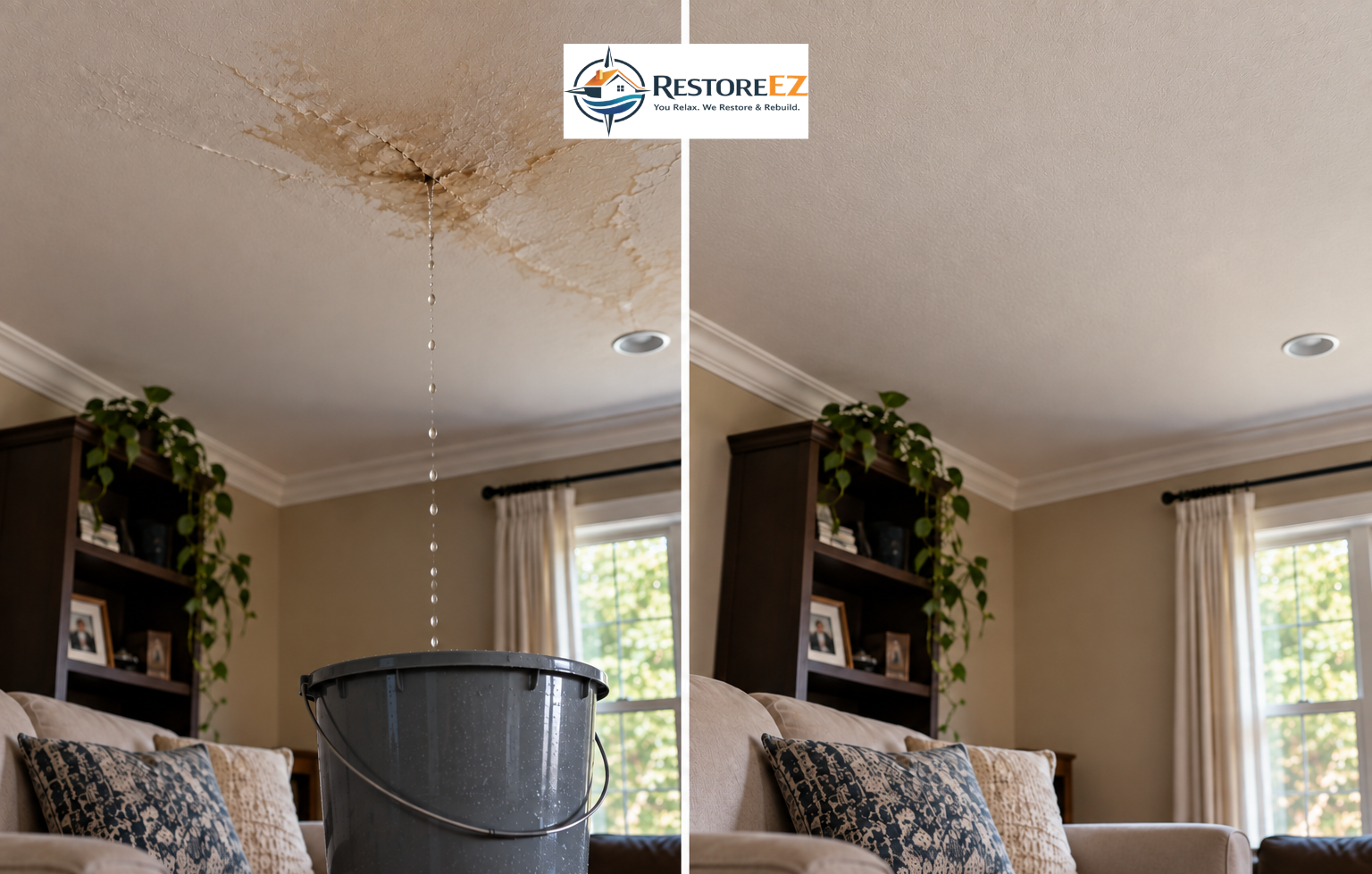
If you've noticed musty smells, stains, or humidity issues, it might be wise to schedule a mold inspection before adding new insulation. If mold is already present, adding insulation without addressing the source can trap the problem and make it harder to fix later. For those looking for comprehensive moisture management, combining water damage restoration with insulation upgrades can offer long-term protection.
Is Your Attic Due for an Upgrade?
Sky-High Energy Bills
If your utility bills keep climbing even though your habits haven't changed, your attic might be the culprit. Poor insulation lets heat move in and out too easily, causing HVAC systems to cycle more often. A professional evaluation can reveal if your attic is under-insulated, unevenly covered, or compromised by air leaks.
Watch how your bills change with the seasons. If your home is harder to cool in the summer or heat in the winter than it used to be, your insulation might not be doing its job. Blown-in attic insulation can often restore performance without major construction work.
Uneven Temperatures
If some rooms feel drastically different from the rest of the house, your attic's performance should be on your radar. Rooms upstairs, over garages, or in bonus areas are often the first to show problems because they're more exposed to outside temperatures. Poor attic coverage can cause these spaces to overheat or chill quickly.
These issues can also stem from air movement through ceiling gaps. That's why it's often smart to combine insulation work with air duct sealing or indoor air quality services if your home has comfort or dust issues. Often, the best results come from treating the attic as part of a whole system instead of a single problem.
Signs in the Attic
Sometimes the attic itself shows it needs help. Exposed ceiling joists, thin or patchy insulation, compressed material, dark stains, or pest signs can all indicate inadequate insulation. You might also see light coming through openings, signaling air leaks around penetrations, vents, or framing gaps.
If there was a past leak, insulation could be damaged, compacted, or contaminated. In these cases, evaluate both the insulation and surrounding structure before adding new material. A thorough inspection helps prevent future issues and ensures the upgrade actually addresses the root problem.
Beyond Energy Savings
Less Stress on Your HVAC
With a well-insulated attic, your heating and cooling system doesn't have to battle as much heat gain or loss, reducing runtime, wear, and tear. This can mean fewer repairs, more stable comfort, and a more predictable maintenance schedule.
People often overlook this benefit because it's indirect. While utility savings are a highlight, protecting your HVAC can be just as valuable over time. If your system is aging or you're trying to delay a replacement, improving insulation might be one of the smartest moves you can make.
Supporting Better Indoor Air Quality
Insulation isn't an air filter, but it can contribute to a healthier indoor environment when paired with the right improvements. By reducing drafts and limiting uncontrolled air movement, blown-in attic insulation can help decrease dust, outdoor allergens, and attic debris in your living space. This matters for families sensitive to air quality issues.
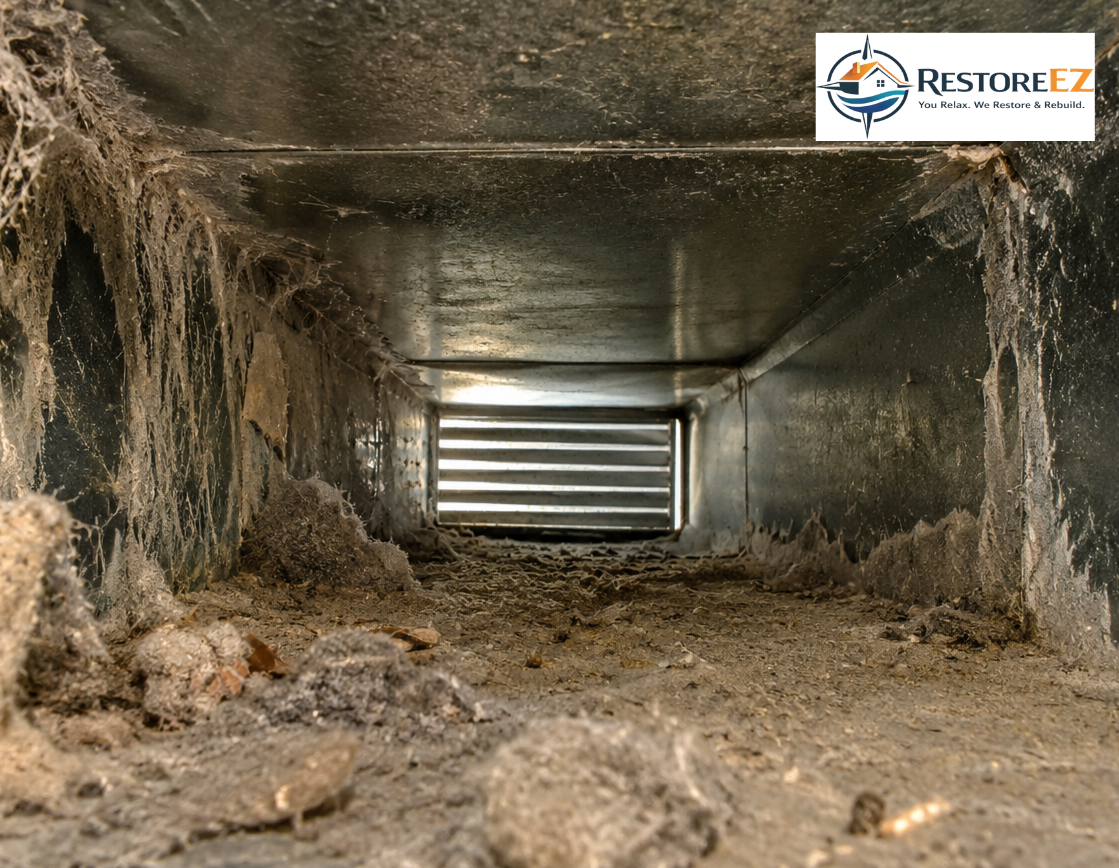
If your home has persistent odors, humidity problems, or ventilation issues, consider looking at the whole system. Services like air duct cleaning and indoor air quality evaluations can complement insulation work, creating a cleaner, more comfortable environment overall.
Increasing Home Value
Energy-efficient upgrades often attract buyers because they show a home has been well-maintained. While insulation might not be the star of a listing, it can leave a strong impression during inspections and tours. Lower utility costs and improved comfort are easy to communicate.
In competitive real estate markets, practical upgrades are important. Buyers appreciate homes that handle heat, humidity, and comfort challenges well. A well-insulated attic can be a quiet yet valuable selling point that supports the property's overall value.
Comparing Blown-In Insulation to Other Types
Against Fiberglass Batts
Batt insulation is common, but it relies heavily on precise installation. If sections are cut poorly, compressed, or left with gaps, performance drops quickly. Blown-in insulation often does better in covering irregular spaces because it flows around obstacles, creating a more continuous blanket across the attic floor.
That said, batt insulation still fits well in certain wall cavities and open framing applications. The main perk of blown-in material is its ability to improve coverage in existing attics without major demolition. For many, it's the faster and more cost-effective solution.
Against Spray Foam
Spray foam insulation can offer excellent air sealing and thermal performance, but it usually costs more and requires specialized installation. It's not always the best fit for every attic, especially when budget, access, or future maintenance are key concerns. Blown-in insulation gives a more accessible middle ground for many homes.
If your attic has serious air leakage or moisture issues, a professional might suggest a combination approach, including targeted sealing, selective repair, and blown-in coverage. The right solution depends on the attic's condition and your long-term goals for the home.
Leaving the Attic Under-Insulated
Doing nothing is often the most expensive choice over time. An under-insulated attic can silently waste energy every day, adding up month after month. It can also create comfort problems that tempt homeowners to overwork the thermostat or use supplemental fans and portable heaters.
Insulation is one of the few upgrades that continues paying back year after year. Once installed correctly, it works continuously without much attention. It's a classic example of a home improvement that's both practical and strategic.
What to Expect During Installation
Inspection and Prep
The process usually starts with an attic assessment. A qualified technician will check existing insulation depth, air leaks, moisture issues, wiring concerns, ventilation patterns, and signs of pest activity or contamination. This step is crucial because installing new insulation over a problem can hide warning signs and lead to future damage.
In some homes, attic work may need to be combined with mold remediation or even fire damage restoration if previous damage affected the space. If there was water intrusion, the structure should be fully dried and stabilized before adding new material.
Installation Day
Once the attic's ready, the crew uses specialized blowing equipment to distribute the insulation evenly. The goal is consistent coverage at the desired depth and R-value, which measures thermal resistance. Careful installation is key because thin spots or overcompressed areas can reduce the upgrade's benefits.
Homeowners are often pleasantly surprised by how efficient the process is. Depending on the attic size and condition, installation might take only part of a day. The project is usually much less disruptive than a full renovation, which is why blown-in insulation remains a popular home improvement.
Final Checks and Cleanup
After installation, the technician should verify coverage and inspect key areas around fixtures, vents, and attic access points. The best results come from a clean, even layer with no major gaps. If needed, additional sealing or ventilation adjustments may be recommended for better long-term performance.
This is also a good time to ask about related protection measures. In homes prone to storms or floods, homeowners might want to learn about flood barriers or emergency planning. While those are different improvements, they work toward the same goal: protecting the home from avoidable damage.
Deciding if It's Right for You
Check Your Current Insulation
If you can clearly see the attic floor joists or the insulation looks flattened and uneven, your home might be under-insulated. Homes built decades ago often fall short of modern efficiency expectations. Even if insulation exists, it might not be enough for the climate or may have settled over time.
A professional assessment can help determine if your attic needs new material, supplemental coverage, or more extensive repairs. This evaluation is useful if your home has been remodeled or if previous owners made changes affecting airflow and thermal performance.
Consider Your Comfort Goals
Some homeowners focus on lowering bills, while others care most about comfort, better indoor conditions, or boosting resale value. Blown-in attic insulation can support all those goals, but the specific return depends on what matters most to you. If your family complains about upstairs heat or winter drafts, the comfort payoff may alone justify the project.
For properties with broader efficiency goals, this upgrade can fit into a larger plan. That plan might also include attic insulation services, weatherization support, and smarter HVAC controls. A layered approach usually delivers stronger results than a single fix.
Look into Financing and Long-Term Value
Home upgrades don't always need to be paid for all at once, especially when they're expected to improve monthly costs over time. If you're looking for ways to make the project fit your budget, review available financing options. The key is to view the upgrade as a long-term investment rather than just an immediate expense.
When insulation helps lower energy waste and reduces stress on your HVAC system, the value can continue to build. Many homeowners find the comfort gains immediate, while efficiency benefits become more obvious over the next few billing cycles.
Common Mistakes to Avoid
Skipping Air Leak Checks
A common mistake is adding insulation without first sealing obvious leaks. If warm indoor air can still escape through gaps around penetrations, attic hatches, or duct connections, the new insulation won't perform as well. Air sealing and insulation work best together.
This is why professionals often recommend inspecting the attic system before starting. A little prep work can significantly improve the final result and help the insulation last longer in practical use.
Overlooking Moisture Problems
Another mistake is treating the attic like a simple storage space instead of a crucial part of the home envelope. If there's a leak, condensation issue, or hidden mold, new insulation may hide the symptoms but not the cause. That can lead to more expensive problems later, including structural damage and odor complaints.
If you suspect moisture trouble, it's smarter to investigate first. In many cases, the right sequence is inspection, repair, drying, and then insulation. This approach protects your investment and helps ensure the attic remains healthy over time.
Choosing the Cheapest Option Without a Plan
Price matters, but the lowest bid isn't always the best long-term value. Material type, coverage depth, attic condition, and installation quality all influence how well the project works. A thoughtful assessment should guide the recommendation rather than a one-size-fits-all approach.
Homeowners who want lasting results should think in terms of performance, not just installation day convenience. The best attic insulation upgrade is the one that solves your actual problems and supports the rest of the home system.
FAQs About Blown-In Attic Insulation
How Long Does It Last?
When installed properly and kept dry, blown-in insulation can last for many years. Its lifespan depends on factors like moisture exposure, settling, pest activity, and whether the attic stays well-ventilated. Periodic inspections are a good idea, especially in older homes.
Will It Help With Summer Heat?
Yes. In many homes, attic heat is a major cause of discomfort during warm months. A better insulation layer can reduce heat transfer into the rooms below, making cooling more efficient and helping the home feel more stable throughout the day.
Can It Be Added Over Existing Insulation?
Often, yes. In many cases, blown-in material can be installed over existing insulation if the old material is clean, dry, and in good condition. However, a technician should evaluate the attic first to ensure the existing layer isn't hiding damage or contamination.
Do I Need to Remove Old Insulation First?
Not always. Removal is typically only necessary if the current insulation is wet, moldy, pest-contaminated, or otherwise damaged. If you're unsure, a professional inspection can determine whether cleanup, removal, or simple top-up installation is the right choice.
Why Now's the Time for This Upgrade
Blown-in attic insulation is more than just a comfort boost. It's a practical home improvement that can save energy, reduce HVAC strain, improve temperature consistency, and support a healthier indoor environment when paired with the right system improvements. For homeowners wanting better performance from their existing house, it's one of the smartest places to start.
If it's been years since you assessed your attic, now's a good time for a closer look. You might find that a simple improvement can make a big difference in daily comfort and long-term maintenance costs. And if your attic shows signs of moisture, damage, or airflow issues, pairing insulation with water damage restoration, mold inspection, or air duct cleaning can strengthen the overall result.
For expert help evaluating your home’s attic performance and figuring out the best next step, contact Restoreez. Our team is ready to help homeowners make smart decisions about comfort, safety, and efficiency. Call (813) 703-0300 or visit restoreez.com to learn more and get started today.