Clean Air Starts Behind the Walls: Give Your Air Ducts the Attention They Deserve
Most homeowners think about indoor air quality only when dust piles up, allergies flare, or an HVAC system starts sounding unusual. What many people do not realize is that a lot of the air they breathe every day moves through hidden ductwork behind walls, ceilings, and floors. If those passages are dirty, damaged, or leaking, your comfort, energy bills, and health can all suffer at once.
That is why professional air duct cleaning is more than a routine maintenance task. It is part of a smarter home care strategy that supports cleaner air, better airflow, and a more efficient HVAC system. In homes across Florida, especially in humid climates where dust and moisture can combine, paying attention to the duct system can make a noticeable difference. For homeowners who want a broader indoor comfort upgrade, services like air duct sealing and indoor air quality improvements often work together with cleaning for the best results.
This guide explains why duct maintenance matters, what signs to watch for, how the process works, and when to bring in professionals. You will also learn how duct cleaning fits into a larger home health plan that may include dryer vent care, attic improvements, and moisture control. If you are trying to protect your property and family, the air moving behind the walls deserves your attention.
Why Air Ducts Matter More Than Most People Realize
Your HVAC system is a circulation network
Think of your heating and cooling system as the lungs of the home. It takes air in, conditions it, and then sends it back through a network of ducts to every room. When that network is clean, sealed, and balanced, air flows more evenly and the system works with less strain. When it is clogged with dust, debris, or construction residue, the system may have to work harder to deliver the same comfort.
According to the U.S. Environmental Protection Agency, indoor air can be significantly affected by pollutants from dust, combustion, cleaning products, and moisture problems. You can read more about indoor air quality basics at EPA Indoor Air Quality. That matters because ductwork is not just a pathway; it is a delivery system that can either support or undermine a healthy home environment.
Hidden contamination can travel room to room
Dust in one vent is not always just a cosmetic issue. Over time, particles can settle in supply and return ducts, then recirculate through the house each time the fan runs. In homes with pets, smokers, recent remodeling, or water intrusion, duct contamination may also include dander, construction dust, microbial growth, and odors. Once that material is moving through the system, it can affect every room, not just the area where the problem started.
This is one reason homeowners often notice persistent dust even after they clean regularly. The surfaces may be spotless, but the ductwork can still be feeding debris back into the living space. When that happens, mold inspection or air quality testing may be appropriate if moisture or odor concerns are also present.
Dirty ducts can raise operating costs
When ducts are clogged or leaky, your HVAC system may run longer to reach the set temperature. That extra runtime can increase wear on equipment and may contribute to higher utility bills. While every home is different, even small airflow problems can snowball into noticeable comfort issues, especially during long cooling seasons.
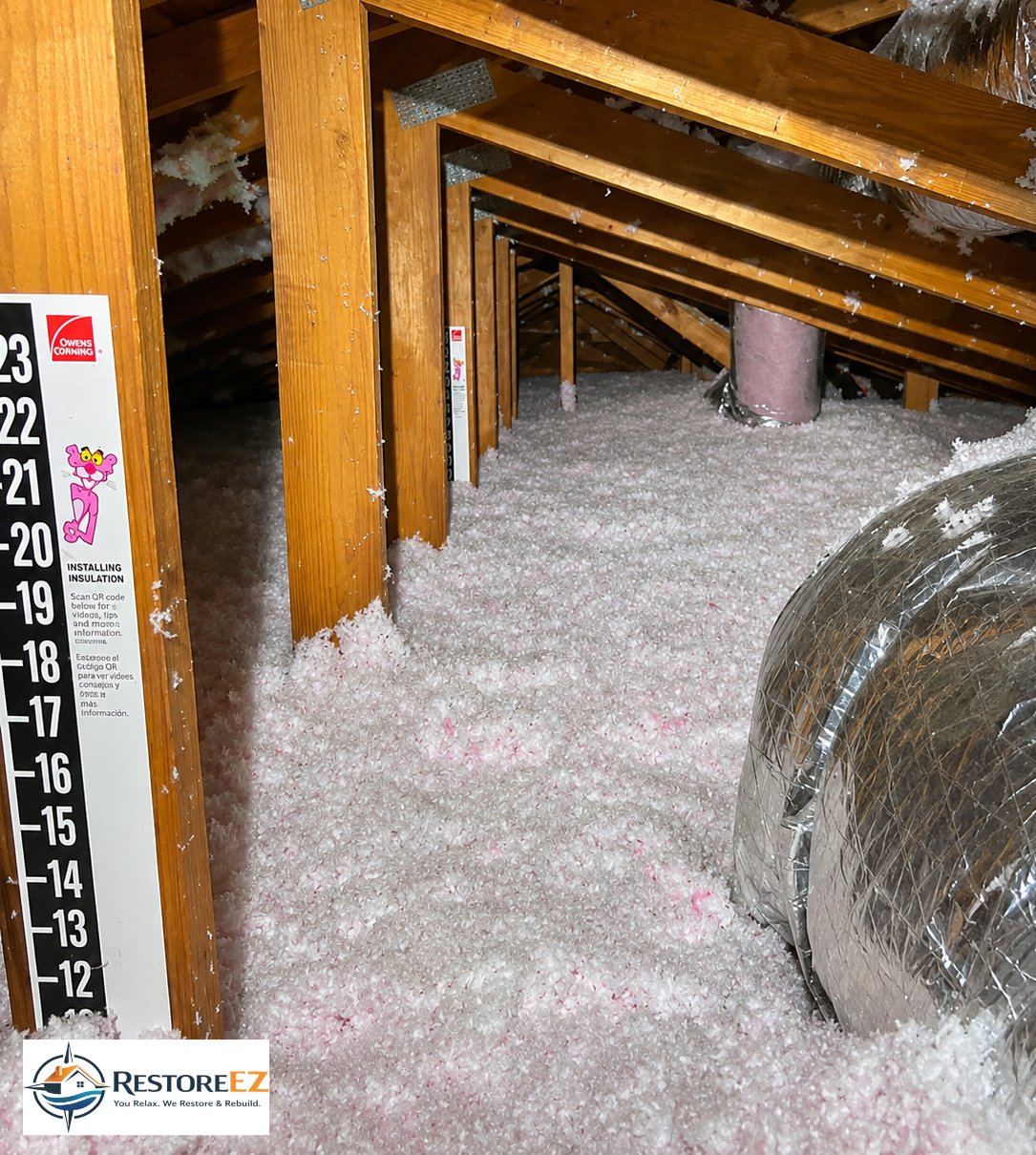
Homeowners who are already considering upgrades such as blown-in attic insulation often benefit from looking at ductwork at the same time. Insulation, sealing, and duct cleaning can work together to reduce energy waste and improve overall system performance.
Signs Your Air Ducts May Need Professional Attention
Dust keeps coming back
If you clean regularly but dust keeps reappearing on furniture, shelves, or vents, your duct system may be part of the problem. A certain amount of household dust is normal, but constant buildup can point to dirty returns, loose debris inside the ducts, or filtration that is not capturing enough particles. This is often one of the first clues homeowners notice before they realize the issue is deeper than surface cleaning.
It is also worth considering whether the problem is coming from elsewhere in the HVAC system. A clogged filter, leaky return plenum, or poor sealing around registers can all contribute to the same symptom. That is why a complete inspection is more effective than guessing.
Unexplained odors appear when the system runs
Musty, stale, smoky, or earthy odors that seem stronger when the AC or heat is on can indicate contamination in the ductwork or nearby components. Odors may also point to moisture intrusion, biological growth, or old residue left behind after a past incident. In those situations, cleaning the ducts alone may not be enough if the root cause is still active.
If you suspect moisture is involved, restoration and mitigation services may be needed first. For example, water damage restoration can address the source of a leak before duct cleaning begins, and mold remediation may be necessary if growth is already present. The right sequence matters because cleaning a contaminated system without correcting the cause can lead to repeat problems.
Airflow feels weaker in certain rooms
Uneven temperatures and weak airflow can signal blockages, debris buildup, or disconnected sections in the duct system. Some rooms may feel stuffy while others are too warm or too cold. In many cases, the issue is not the thermostat but the way air is traveling through the hidden pathways in the home.
Professional technicians often check whether the issue is caused by buildup, damaged duct sections, or poor sealing. If airflow loss is part of a broader comfort issue, a smart thermostat solution may also help improve system control once the ductwork is addressed. Better controls and cleaner airflow make it easier to maintain consistent temperatures.
What Professional Air Duct Cleaning Actually Includes
Inspection and system assessment
A proper service begins with a careful look at the system. Technicians identify the layout, note any visible contamination, and check for signs of moisture, loose connections, or damage. This step matters because not every dirty-looking duct needs the same treatment, and not every problem is caused by dust alone.
During assessment, professionals also determine whether the vents, coils, blower area, or filter housing are contributing to the issue. If contamination has spread beyond the duct runs, a more comprehensive cleaning approach may be recommended. That is one reason homeowners benefit from working with a company that understands both HVAC cleaning and restoration-related concerns.
Source removal with specialized equipment
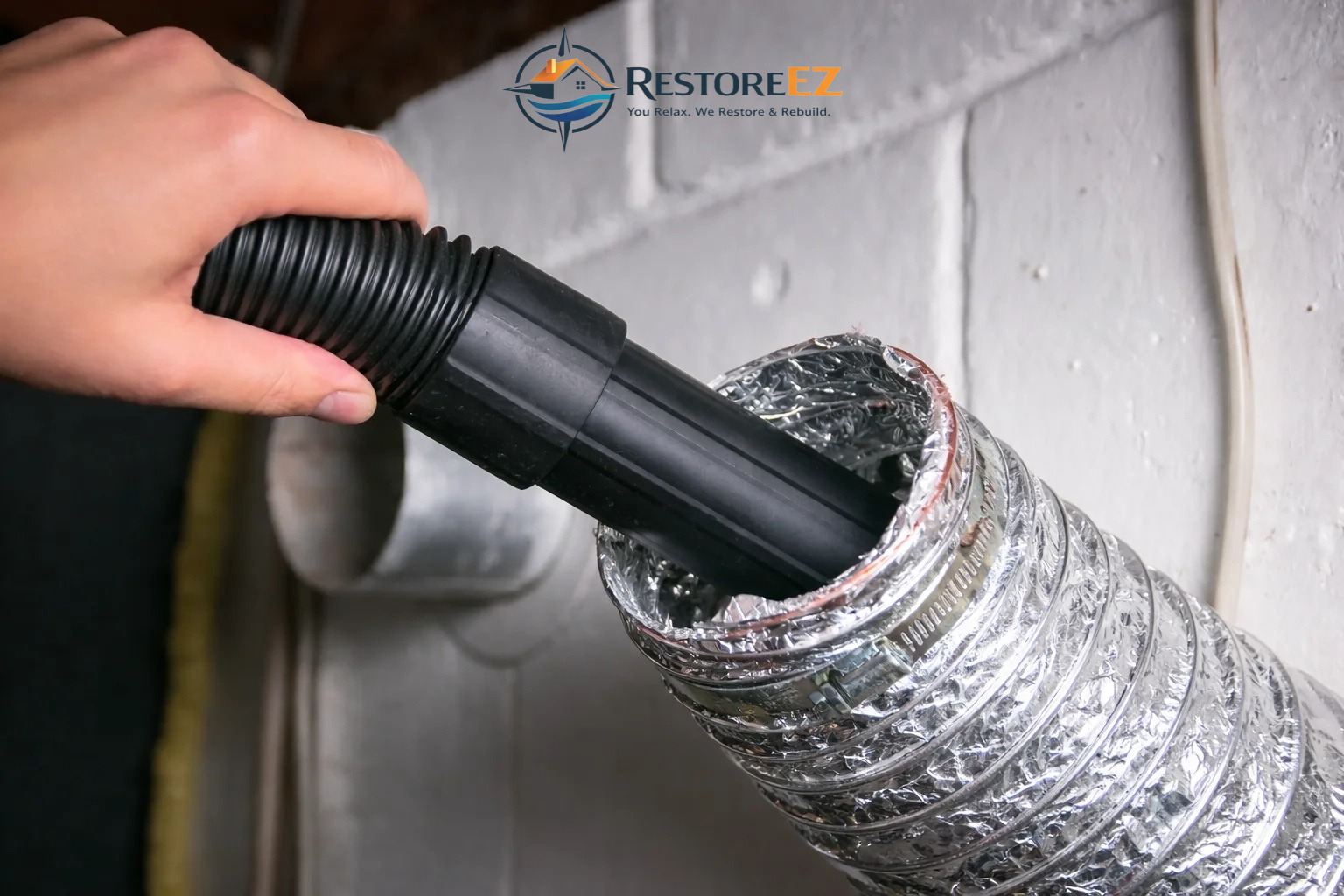
Real duct cleaning is not just blowing air into vents. It usually involves negative-pressure equipment, brushes, and agitation tools designed to loosen and extract debris from the duct surfaces. This source-removal approach is far more effective than spraying fragrance or vacuuming only around the registers.
The National Air Duct Cleaners Association notes that proper cleaning should address the supply and return sides of the system and use methods that physically remove buildup. You can learn more at NADCA. Homeowners should be cautious of companies that promise a quick spray-and-go service without showing how debris is actually removed from the system.
Final cleanup and recommendations
After the main cleaning is complete, reputable technicians often inspect the work, replace or recommend filters, and suggest next steps if they find related problems. These may include duct sealing, vent repair, moisture control, or indoor air quality improvements. The goal is not just cleaner ducts today, but a healthier system over time.
When needed, homeowners may also be advised to consider dryer vent cleaning. Dryer vents collect lint quickly and can create fire risk if neglected, so pairing that service with duct cleaning can improve both safety and efficiency in one visit.
How Dirty Ducts Affect Health and Comfort
Allergies and respiratory irritation
For people with allergies, asthma, or sensitivities, airborne particles can make daily life uncomfortable. Dust, dander, and other debris moving through a duct system may worsen irritation, especially if filtration is inadequate or the home has a moisture problem. While duct cleaning is not a cure-all, it can remove one important source of recurring contamination.
The Centers for Disease Control and Prevention provides helpful information about asthma triggers and indoor environmental factors at CDC Asthma. In homes where symptoms seem worse indoors, cleaning the duct system may be one piece of a larger strategy that includes better filtration, humidity control, and source reduction.
Humidity and microbial growth concerns
Florida homes deal with humidity more than many other regions, and moisture can make duct contamination worse. If water enters the system or nearby building materials, conditions may become favorable for microbial growth. In those cases, odor is often one of the earliest clues, but the actual problem may remain hidden behind panels and within duct runs.
Because of that risk, hidden moisture should always be taken seriously. If you suspect a leak, condensation issue, or previous flooding event, have the area inspected before cleaning begins. Services such as mold inspection and mold remediation can help identify and address the source so the duct system can be cleaned safely and effectively.
Comfort complaints that do not seem to match the thermostat
Sometimes the thermostat says one thing, but the home feels completely different. A bedroom may be too warm, a living room too cold, or the entire house may feel stale. That mismatch often points to airflow issues, duct leakage, or poor system balance rather than a simple temperature-setting problem.
When the home is harder to keep comfortable, homeowners may also be paying more in energy costs without realizing it. Duct maintenance, air sealing, and insulation upgrades can reduce those losses and make the HVAC system respond more predictably.
When to Schedule Cleaning and What to Expect
Common triggers for service
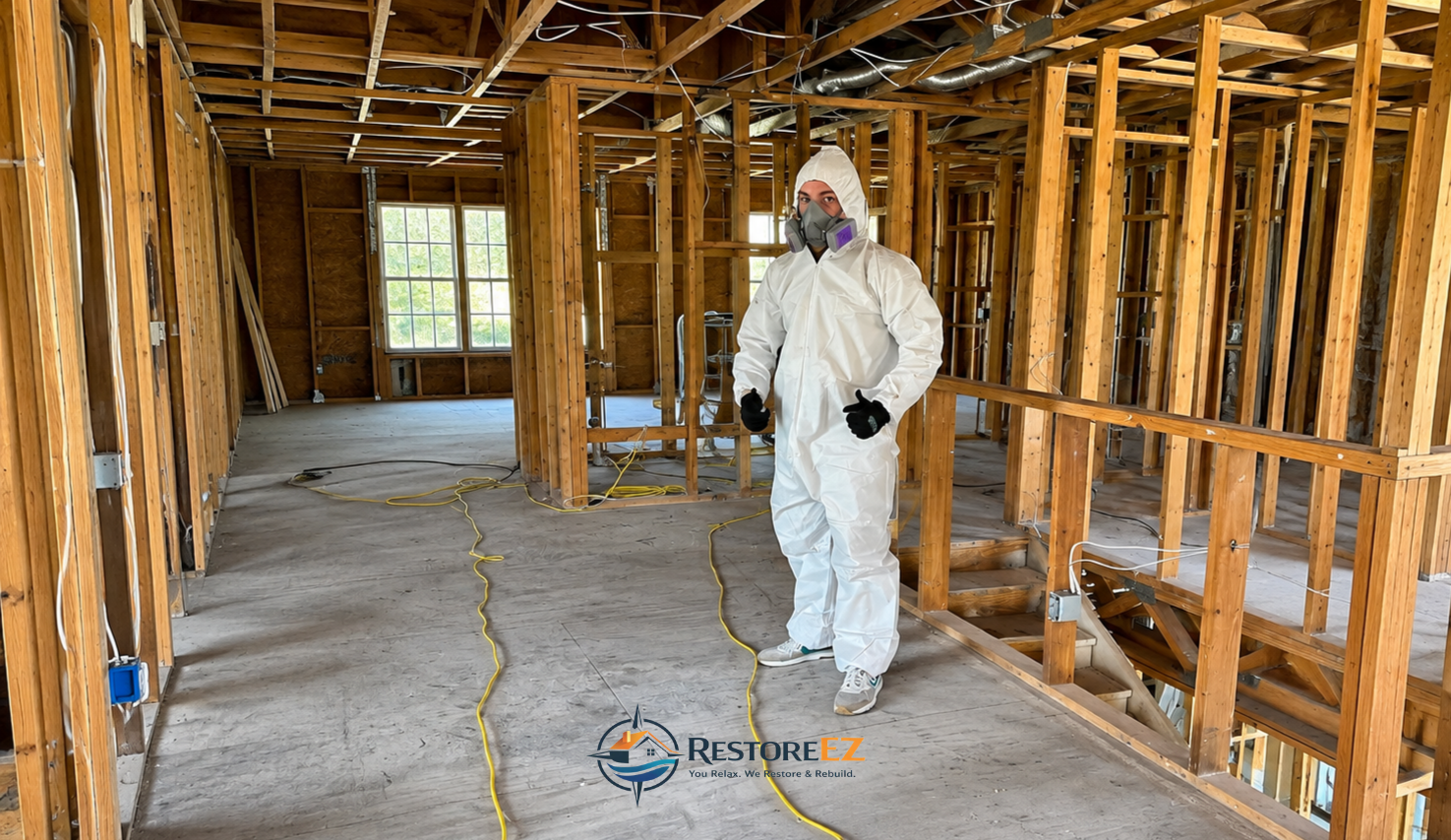
There is no universal schedule that fits every home, but several situations make duct cleaning more worthwhile. These include recent remodeling, signs of mold or moisture, pest intrusion, smoke exposure, pet-heavy households, and long-term dust buildup. A home that has experienced water damage may also need duct evaluation as part of the recovery process.
If a leak or flood has affected the building, it is wise to address the source first through water damage restoration. After that, duct cleaning can help remove debris and odors that may have settled into the system during the incident. This sequencing helps prevent the same problem from returning.
What a homeowner should prepare
Before the appointment, clear access to vents, returns, and the HVAC unit if possible. Make note of any rooms with odor, dust, or airflow complaints so the technician can focus on problem areas. If you have allergy concerns, let the team know in advance so they can explain the process and recommend the right follow-up steps.
It also helps to ask whether the company checks for damaged insulation, disconnected ducts, or signs of leaks. A thorough provider will not treat duct cleaning as an isolated task. Instead, they will look at the system as part of the home’s overall indoor environment.
How often should ducts be cleaned?
The answer depends on the home, not just the calendar. Some systems may need attention sooner because of pets, remodeling dust, smoke, pests, or moisture issues. Other homes may go longer between cleanings if filtration is strong, humidity is controlled, and the HVAC system remains well maintained.
As a general rule, focus less on a fixed timeline and more on symptoms and conditions. If you notice recurring dust, odors, or airflow changes, the ducts deserve an inspection. Waiting until the problem becomes severe can make cleanup more complicated and more expensive.
How Duct Cleaning Fits Into a Whole-Home Health Strategy
Pair cleaning with duct sealing and filtration
Clean ducts are important, but they work best in a system that is also sealed and filtered properly. If ducts leak, they can pull in dust from attics, crawlspaces, or wall cavities and send it right back into the home. That means cleaning alone may provide only short-term relief unless the underlying leakage is also corrected.
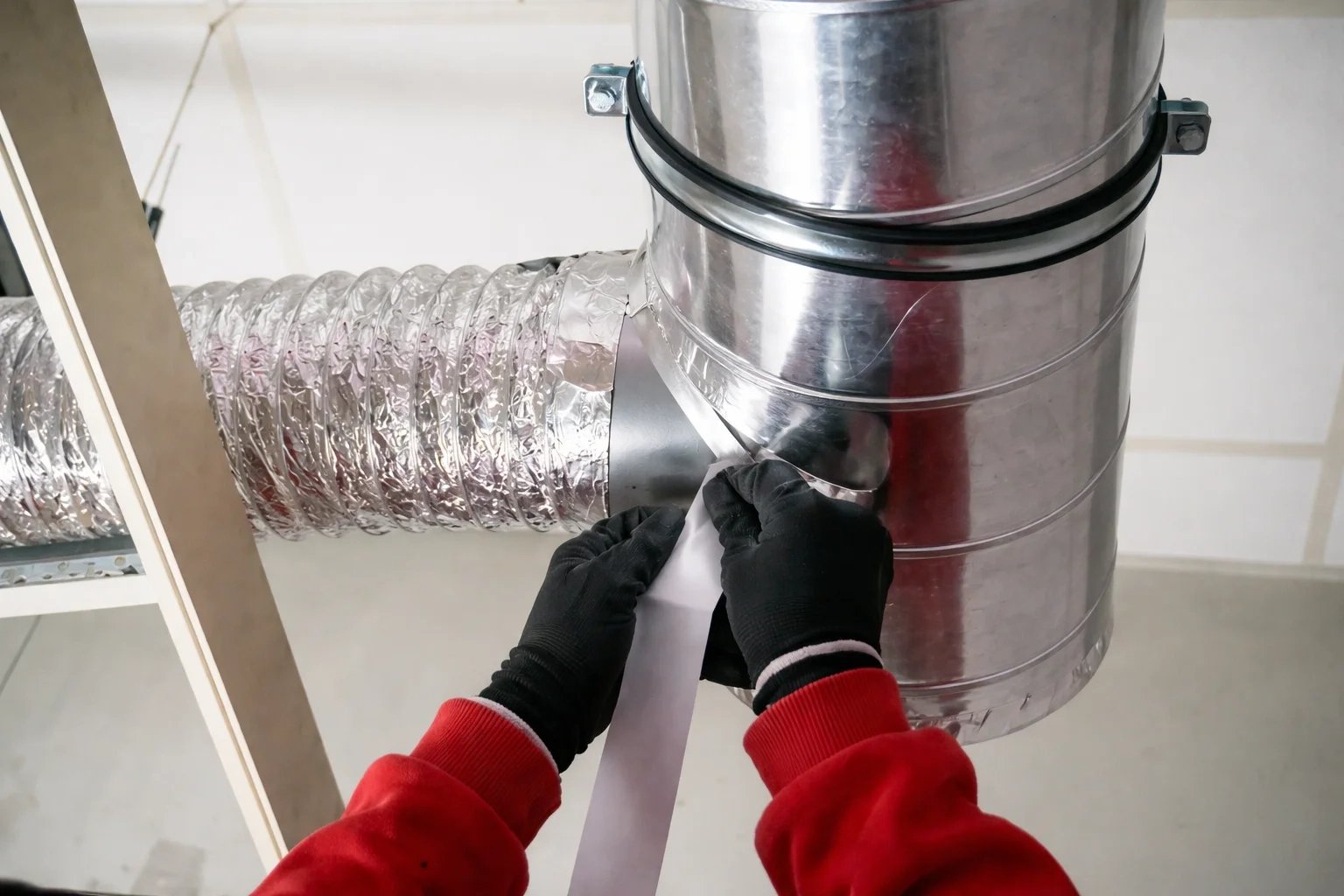
That is why air duct sealing is often a smart companion service. Sealing helps keep the system closed and efficient, while high-quality filtration helps capture particles before they spread. Together, they support cleaner air and more stable comfort.
Don’t forget the attic and envelope
Attic conditions can strongly influence duct performance, especially if air handlers or duct runs are located in hot, humid, or dusty spaces. Poor insulation can make the HVAC system work harder, and air leaks in the building envelope can increase contamination. If your attic is underperforming, duct cleaning alone will not solve the whole problem.
This is where blown-in attic insulation can support the bigger picture. Better insulation helps regulate indoor temperatures, reduces stress on the HVAC system, and can make duct cleaning results last longer. It is a practical investment for homeowners who want comfort and efficiency, not just a quick fix.
Make indoor air quality a long-term priority
Cleaner ducts are one piece of a healthier home, but they should be part of an ongoing maintenance routine. That routine may include filter changes, humidity control, duct inspections, dryer vent service, and periodic indoor air quality checks. The more consistent the upkeep, the less likely contaminants are to build up again.
For homeowners who want a more complete plan, a consultation around indoor air quality can help identify the biggest improvement opportunities. Sometimes the best results come from combining several small upgrades instead of relying on one major fix.
Common Myths About Air Duct Cleaning
“If I don’t see dust, the ducts must be fine”
Visible vents are only a tiny part of the picture. Much of the duct system is hidden, and contamination can build up far from what you can easily see. A clean-looking grille does not guarantee clean interior surfaces or healthy airflow.
In fact, some of the dirtiest parts of the system are the ones homeowners never inspect. Returns, trunks, and connection points can hold debris, especially if the system has not been maintained for years. That is why a professional evaluation is more reliable than a quick visual check.
“Any vacuum can clean ducts”
Regular household vacuums are useful for surface cleaning, but they are not designed to remove debris from an entire duct network. Professional equipment is built to create negative pressure and dislodge material from deep inside the system. Without the right tools, contamination can remain in place or be spread around rather than removed.
This is also why homeowners should be cautious about overly cheap offers. A low price may reflect a limited service that does not include source removal, detailed inspection, or follow-up recommendations. The value of the work is in what is taken out, not just in how quickly the job is completed.
“Duct cleaning is only for old homes”
Newer homes can have duct problems too, especially after construction dust, moisture exposure, or installation issues. In fact, new construction often introduces drywall dust, sawdust, and debris that can settle into the system before the home is even occupied. Age alone does not determine whether ducts need attention.
Homes that have undergone repairs, remodeling, or restoration may be especially good candidates for inspection. If a property has had smoke, water, or mold concerns, the ductwork may have been exposed to contamination that is not visible from the living space.
Frequently Asked Questions About Air Duct Cleaning
How do I know if my ducts are really dirty?
Common signs include recurring dust, musty odors, inconsistent airflow, and allergy symptoms that seem worse indoors. A professional inspection is the most reliable way to confirm the issue. Some contamination is obvious, but much of it is hidden from view.
Will duct cleaning remove all odors?
Not always. If the odor source is in the ductwork, cleaning may help a great deal. But if the smell comes from mold, leaks, insulation, or damaged building materials, those issues need to be corrected as well. Odor control works best when the root cause is addressed first.
Can duct cleaning improve energy efficiency?
It can help when debris or restrictions are reducing airflow, but it is not a substitute for sealing leaks or repairing equipment. For best results, combine cleaning with maintenance, sealing, and filter improvements. That approach gives the HVAC system the best chance to perform efficiently.
Is duct cleaning safe for my family and pets?
When performed correctly, yes. Reputable technicians use methods designed to contain debris and remove it from the system. If you have special health concerns, let the provider know so they can plan the job carefully and explain what to expect.
Conclusion: Clean Air Starts Where You Cannot See It
Air ducts are easy to ignore because they are hidden, but they have a major influence on comfort, airflow, efficiency, and indoor air quality. When dust, moisture, odors, or debris collect behind the walls, the effects eventually show up in the rooms you live in every day. Clean ducts will not solve every indoor air issue, but they are a powerful step toward a healthier home.
If your home has recurring dust, weak airflow, unusual odors, or a history of water or mold concerns, now is the time to take a closer look. Restoreez offers professional support for homeowners who want cleaner ducts and better indoor conditions, along with related services such as air duct cleaning, air duct sealing, and indoor air quality solutions. When needed, our team can also help with dryer vent cleaning, mold inspection, and moisture-related restoration.
Do not wait until hidden buildup becomes a bigger problem. Contact Restoreez at (813) 703-0300 or visit restoreez.com to learn more about keeping your home cleaner, safer, and more comfortable from the inside out.