Simple Attic Insulation Tips for a Cozy Home All Year
Ever wondered why your home feels too hot in the summer or too cold in the winter? It might be your attic. Proper attic insulation isn’t just about keeping your place warm or cool; it plays a huge role in saving energy, maintaining comfort, and managing moisture. If you want to cut down on those utility bills and make your home a comfy haven, your attic is a great place to start. Thinking about blown-in attic insulation or air duct sealing? Tackling the entire home setup instead of just one part could give you better results.
In this guide, we'll explore how attic insulation works, spot signs of issues, check out the best materials, and see why getting it done professionally matters. We’ll also share handy maintenance tips, common pitfalls to dodge, and how insulation is part of a bigger home comfort plan. If you're curious about how heat moves and how to save on energy, the U.S. Department of Energy has some great info. Good insulation doesn’t just make your home feel better; it helps your heating and cooling systems work smarter every day.
Why Your Attic Insulation Matters More Than You Think
It Slows Unwanted Heat Transfer
Heat likes to move from warm areas to cooler ones, and your attic is a big part of that. In summer, a hot attic can make your living space warmer. In winter, warm air can escape upwards, making rooms chilly and causing your heater to work overtime. Good insulation helps keep that heat where you want it, so you don’t have to keep adjusting the thermostat.
It Cuts Down on Energy Waste
Surprised to hear that a poorly insulated attic can waste a lot of energy? The Environmental Protection Agency says that proper insulation and sealing can really boost energy efficiency and cut costs over time. With a well-insulated attic, your heating and cooling systems don’t have to work as hard, which can mean fewer issues and more predictable bills.
It Keeps Your Home Comfortable Year-Round
Comfort is more than just temperature; it’s about reducing hot and cold spots, managing humidity, and improving the overall feel of your home. A well-insulated attic can make upstairs bedrooms more comfortable, cut down on drafts, and create a more even climate throughout the house. For families dealing with temperature swings, that’s a big win.
Signs Your Attic Insulation Needs Attention
Uneven Room Temperatures
If one room feels fine but another is always too hot or cold, your attic might be to blame. Uneven temperatures can signal that your insulation is too thin, settled, damaged, or poorly installed. This is often noticeable in rooms directly under the roof or on higher floors.
Rising Energy Bills
Higher energy bills don’t always mean your heating system is faulty. Sometimes, it’s because warm or cool air is escaping through the attic faster than your system can replace it. If your bills are going up without any changes in your habits, it’s time to check out your insulation, ventilation, and air sealing.
Drafts or Moisture Problems
Feeling drafts near ceiling fixtures, seeing gaps in insulation, or noticing signs of moisture? These are big warning signs. Wet or moldy insulation doesn’t work well and can cause indoor air issues. If your home has had leaks or humidity problems, getting a professional inspection is key. For concerns about hidden moisture or air quality, think about a mold inspection.
Types of Attic Insulation and How They Work
Blown-In Insulation
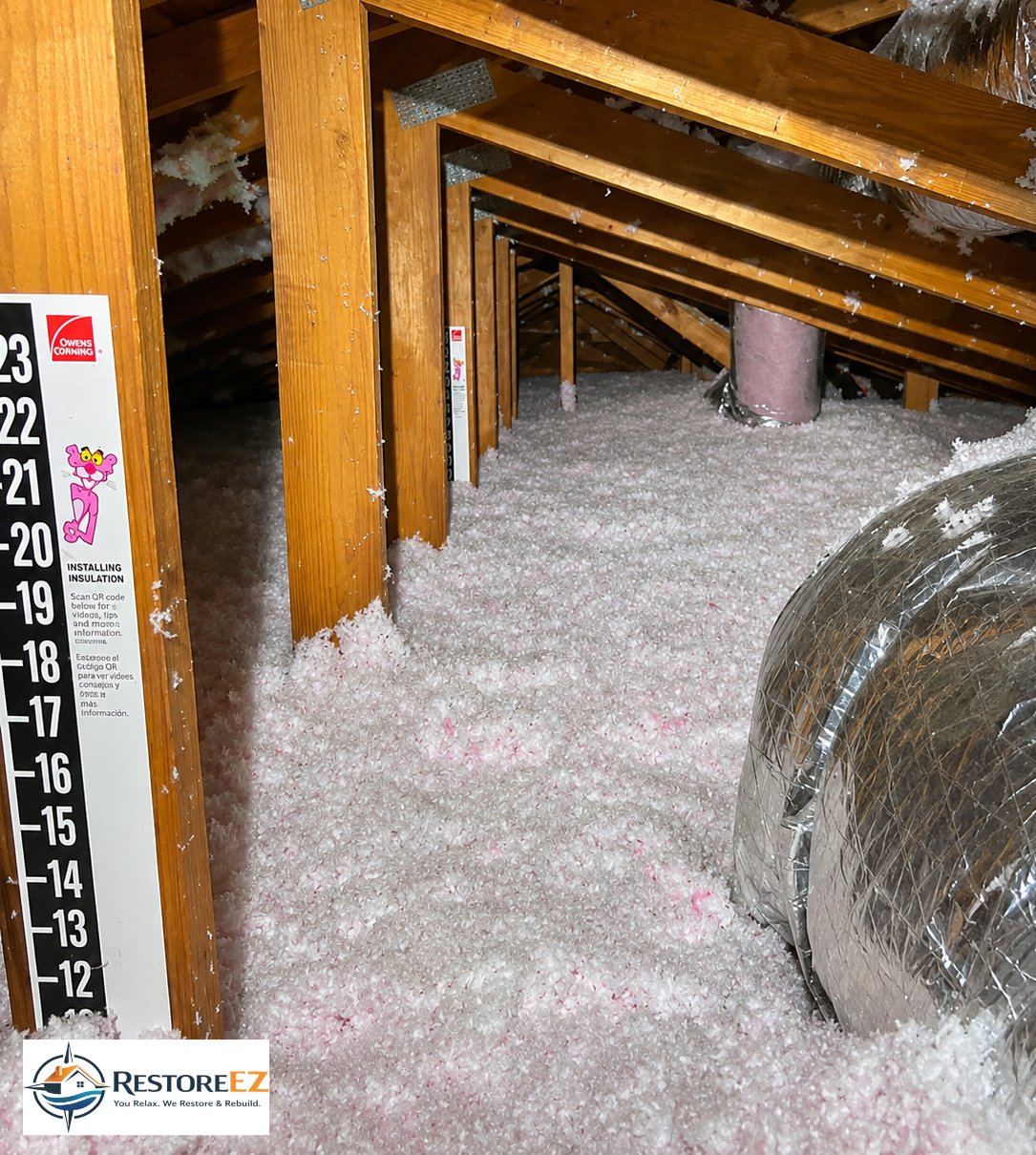
Blown-in insulation is popular because it can fill up irregular spaces and cover gaps more evenly than some traditional types. It’s great for topping off or supplementing existing insulation and works well in hard-to-reach spots without major changes.
Fiberglass Batts
Fiberglass batts are classic. They’re used in open attic spaces with accessible joists. When installed right, they offer solid thermal resistance. Care is needed to avoid gaps or compressed sections, which can reduce performance.
Spray Foam and Hybrid Systems
Spray foam is often chosen for air sealing and complex gaps. It can act as both an insulator and air barrier. Some homes benefit from hybrid systems that mix different materials for the best results. The right choice depends on your attic’s design and your energy goals.
Why Professional Installation Really Matters
More Than Just Adding Material
Insulation performance is about more than just the product. Depth, consistency, and coverage matter. Professionals know where heat loss occurs and how to address it. This level of detail is tough to achieve on your own.
Air Sealing and Insulation Go Hand in Hand
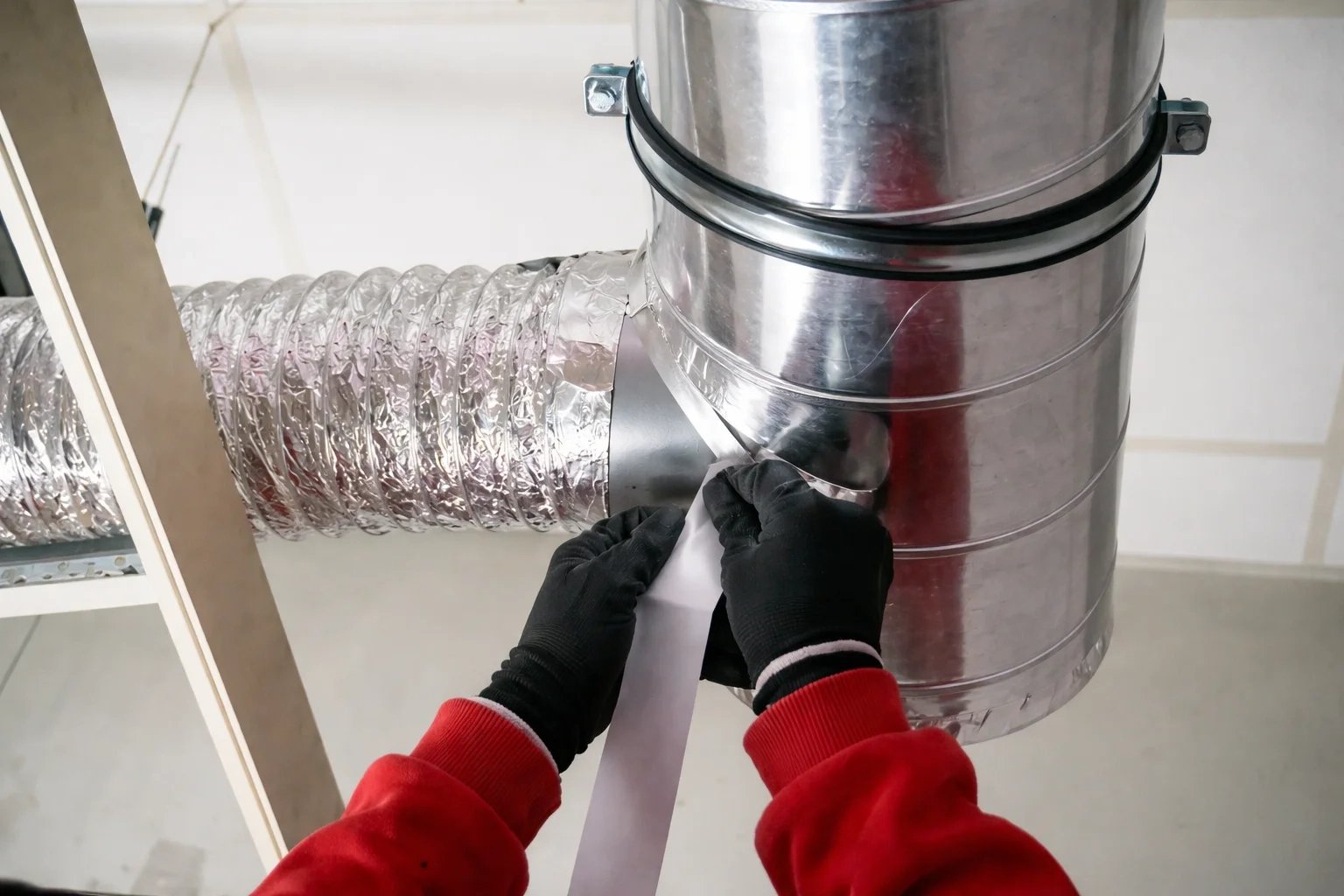
A common mistake is adding insulation without sealing leaks first. Gaps around lights, attic hatches, and duct connections can undo your insulation’s effectiveness. Professionals might recommend sealing these spots before finishing the attic. If your HVAC system is also part of the problem, services like air duct cleaning can help.
Spotting Hidden Problems
Attics often hide issues beyond insulation. Professionals might spot roof leaks, poor ventilation, or pest activity early, preventing expensive repairs later. Attic work can improve comfort, protect your home, and address hidden risks.
How Attic Insulation Supports Healthier Indoor Air
Reducing Dust and Pollutants
While attic insulation isn’t an air filter, it helps limit uncontrolled airflow that can bring in dust, insulation fibers, and outdoor pollutants. Better sealing and insulation reduce these pathways, which is great for those with allergies. The CDC has useful info on indoor air quality.
Controlling Moisture
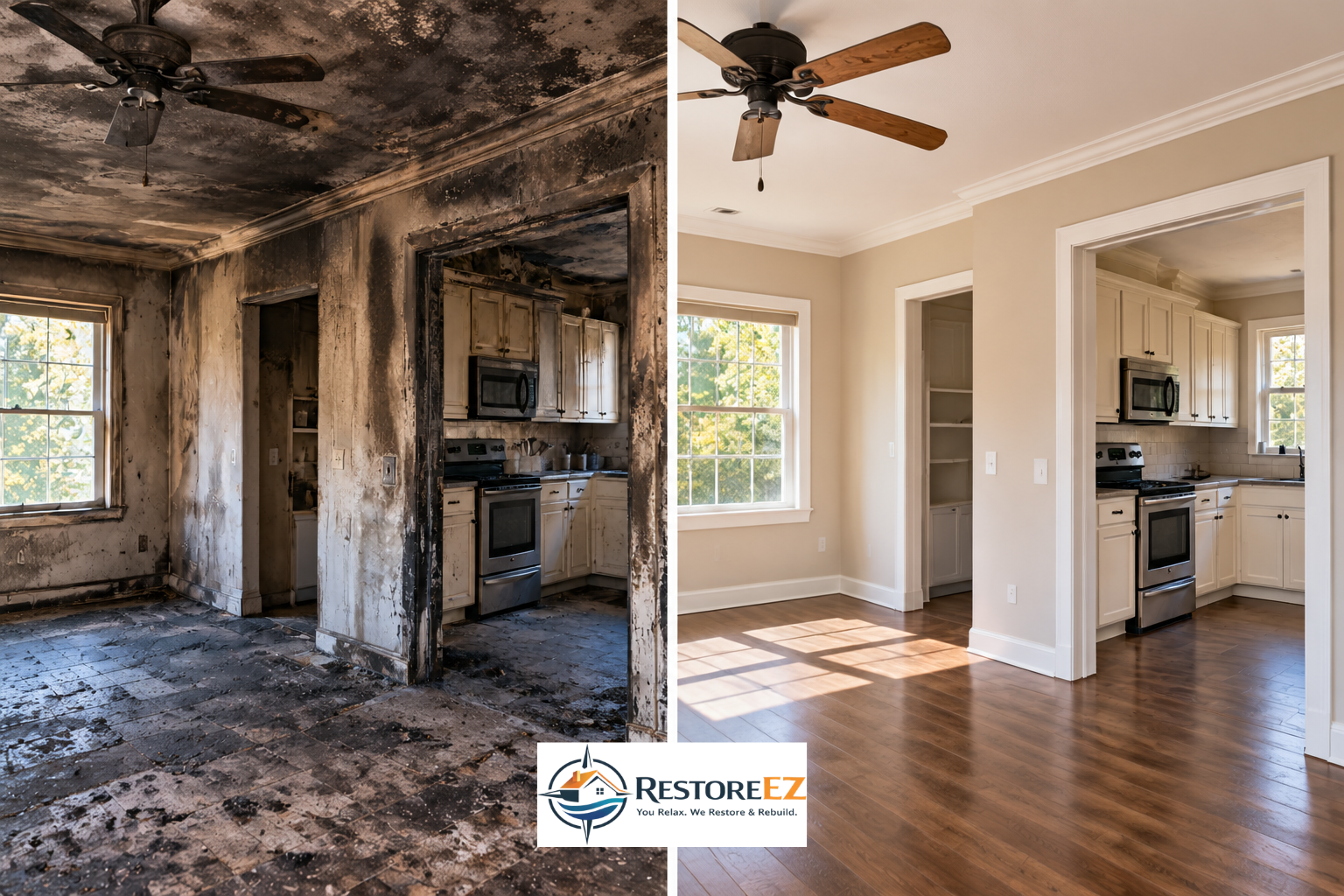
Moisture in the attic can lead to mold, wood damage, and insulation breakdown. Proper insulation and ventilation keep temperatures stable and reduce condensation risk. If moisture has caused damage, pairing insulation work with water damage restoration can help address the problem.
Supporting Long-Term Durability
Good insulation helps keep your attic dry, reducing the chance of mold or hidden contaminants. This helps preserve the structure and HVAC components, keeping air quality complaints at bay.
Common Attic Insulation Mistakes to Avoid
Blocking Ventilation Paths
Attic insulation shouldn’t block airflow. If vents are blocked, heat and moisture can build up, damaging roofing components and causing condensation. Trained installers know how to balance airflow and insulation coverage.
Ignoring Old or Damaged Material
Adding new insulation over wet, moldy, or compressed material traps problems. Sometimes, old material should be removed or treated first. If there’s been roof leaks or storm damage, assess the attic before upgrading.
Overlooking Access Points and Systems
Attic hatches, stairs, and duct runs are weak spots. If not addressed, they can undermine the entire system. Professionals evaluate these areas because small gaps can reduce the benefits of insulation upgrades.
Choosing the Right Insulation Strategy for Your Home
Start with an Attic Assessment
Begin with a thorough evaluation. A professional checks insulation depth, air leaks, ventilation, and moisture. This helps decide if you need added insulation, air sealing, or removal of damaged material. For a comprehensive review, consider indoor air quality services.
Match Material to Structure
Not all attics need the same solution. Open truss attics may suit blown-in insulation, while some retrofits benefit from batts or spray foam. The choice depends on your home’s age, design, and energy goals.
Think Beyond Just the Attic
Your attic is part of a bigger system. Ductwork, vents, windows, and roof condition affect insulation performance. If you’re planning broader efficiency upgrades, a smart thermostat solution can help manage temperatures smartly.
What a Professional Insulation Project Includes
Inspection and Planning
It all starts with an inspection. Professionals identify problem areas, check for damage, and figure out the right type and amount of insulation needed. Planning helps catch issues early and improves outcomes.
Preparation and Installation
Preparation means clearing paths, sealing gaps, and removing old material if needed. Insulation is then installed to the right depth and coverage. Good installation ensures a consistent thermal barrier for the long haul.
Post-Installation Checks
After installation, check for even coverage and vent clearance. This is also when you ensure access points are sealed. Homeowners get guidance on maintenance and warning signs for follow-up. If you’re looking to build on the upgrade, services like dryer vent cleaning can reduce fire risks and improve safety.
FAQs About Attic Insulation
How Do I Know If I Need More Insulation?
Look for high energy bills, uneven room temperatures, drafty ceilings, and visible gaps. A professional inspection can determine if you need more insulation or if there are other issues.
Will Attic Insulation Lower My Utility Costs?
Yes, it can. Savings depend on your home’s age, condition, and climate. Insulation is a cost-effective upgrade, especially when paired with air sealing and proper ventilation.
How Long Does Attic Insulation Last?
Quality insulation can last years, but its performance can decline if wet, compressed, or damaged. Regular checks, especially after storms, ensure it’s still working well.
Final Thoughts: Make Your Attic Work for You
Comfort, Efficiency, and Protection Together
Attic insulation is a practical way to improve comfort year-round. It reduces energy waste, stabilizes temperatures, supports healthy air, and protects your home from moisture and heat stress. When done right, it’s part of a smarter, more comfortable home.
The Best Results Come from a Whole-Home Approach
For top performance, make attic insulation part of a broader plan that includes air sealing, ventilation, and system efficiency. This is why having professional guidance is so helpful. They can pinpoint comfort issues and suggest the right solutions. Ready to boost your home’s comfort and efficiency? Check out our weatherization program for more options.
Take the Next Step with a Trusted Team
If your home feels inconsistent, now’s the time for an attic check. Restoreez helps Tarpon Springs homeowners uncover hidden damage, improve indoor conditions, and restore comfort. Visit Restoreez or call (813) 703-0300 to get started. A better attic means a better home, so let’s see what’s going on up there.