When Property Damage Goes Deeper Than You Think
Property damage often hides beyond what you can see. A small leak, a kitchen fire, or a hidden plumbing issue can create damage inside walls, under flooring, and deep within your HVAC system long before anything looks serious. That's why professional restoration is important: it tackles both the visible problem and the hidden risks that can threaten your home’s structure, safety, and air quality. Often, quick action can mean the difference between a simple repair and a costly, long-term disaster. If you suspect damage spreading behind the scenes, services like water damage restoration and mold inspection can help uncover the full scope before things get worse.
For homeowners and business owners alike, the biggest challenge is that damage often progresses quietly. Moisture migrates, smoke residue settles into porous materials, and mold can start growing in just 24 to 48 hours under the right conditions, according to the CDC. By the time you notice stains or odors, the problem might be much bigger than you think. This article breaks down how hidden damage develops, what professional restoration includes, and why the right response protects both your property and your health.
Why Surface Damage Often Only Tells Part of the Story
Hidden Moisture Travels Farther Than You'd Expect
When water enters a property, it doesn't stay put. It moves through drywall, insulation, subflooring, framing, and even electrical cavities. A ceiling stain might point to a leak in a completely different room, while warped flooring can signal moisture trapped for days or weeks. Professional restoration teams use moisture meters, thermal imaging, and controlled drying techniques to trace the source and prevent further damage.
This matters because moisture inside materials can weaken wood, rust metal fasteners, and create the perfect environment for microbial growth. A quick towel cleanup might make a room look better temporarily, but it doesn't remove the water hidden in cavities. Homeowners often need more than a simple cleanup; they need a structured response that includes assessment, extraction, drying, and follow-up.
Smoke and Soot Travel Throughout the Structure
After a fire, what you can see is usually just a fraction of the problem. Smoke travels through ductwork, closets, attics, and wall cavities, leaving behind acidic residue that can continue damaging surfaces and electronics long after the flames are out. The EPA notes that fire and smoke can affect indoor air quality and leave contamination that requires careful cleanup. That's why fire-related damage often needs a detailed, room-by-room restoration plan.
Even minor smoke exposure can create odors and discoloration that are tough to remove without professional equipment. In some cases, fabrics, insulation, and soft furnishings need specialized treatment or replacement. If your property has fire-related damage, a comprehensive fire damage restoration approach can help recover the structure and reduce lingering contamination.
The Risks of Delaying Professional Restoration
Secondary Damage Gets More Expensive Over Time
Acting quickly can help keep costs down. A small leak can become an expensive reconstruction project if water continues to soak hidden materials. Likewise, soot residue can stain finishes, corrode surfaces, and weaken indoor air quality if untreated. The longer you wait, the more likely you'll face demolition, reconstruction, and replacement of materials that might have been saved.
Professionals know what can be restored and what should be removed. That judgment is important because removing too much increases costs, while leaving damaged sections allows the problem to persist. Restoration is about making the right calls at the right time.
Health Risks Develop Before Damage Looks Severe
Hidden property damage can affect people living or working in the building. Mold spores, soot particles, moisture-related odors, and contaminated dust can irritate allergies, asthma, and respiratory sensitivity. The National Institute of Environmental Health Sciences explains that mold exposure may lead to health issues, especially for those with respiratory conditions or compromised immunity. That's why air quality should be part of every serious restoration plan.
When contaminants circulate through HVAC systems or settle into soft materials, surface cleaning alone might not be enough. Professional restoration often includes air quality evaluation, duct cleaning, odor mitigation, and containment measures to keep contamination from spreading. If air concerns are part of the picture, indoor air quality services can help address the issue at its source.
What's Really Involved in Professional Restoration
Inspection and Damage Assessment
The first step in professional restoration is understanding the full scope of the problem. This usually starts with a detailed inspection, which may involve visual assessment, moisture detection, odor analysis, and evaluation of affected materials. The goal is to figure out what happened, how far it spread, and what can be safely saved. For suspected hidden growth, a thorough mold inspection can be the difference between a small remediation project and a major structural issue.
During this stage, restoration professionals also help property owners understand the likely sequence of damage. For instance, a roof leak may have started as a small stain but could have damaged insulation, sheathing, and attic framing over time. Knowing the pathway helps guide the response and prevents guesswork during repairs.
Emergency Mitigation and Containment
Once the problem is identified, the priority is to stop it from worsening. That may involve water extraction, board-up services, tarping, smoke residue stabilization, or isolating contaminated sections of the property. Fast mitigation is especially important after storms, plumbing failures, or fires because conditions can deteriorate quickly. The Ready.gov guidance on flood preparedness emphasizes the importance of immediate response and planning when water emergencies occur.
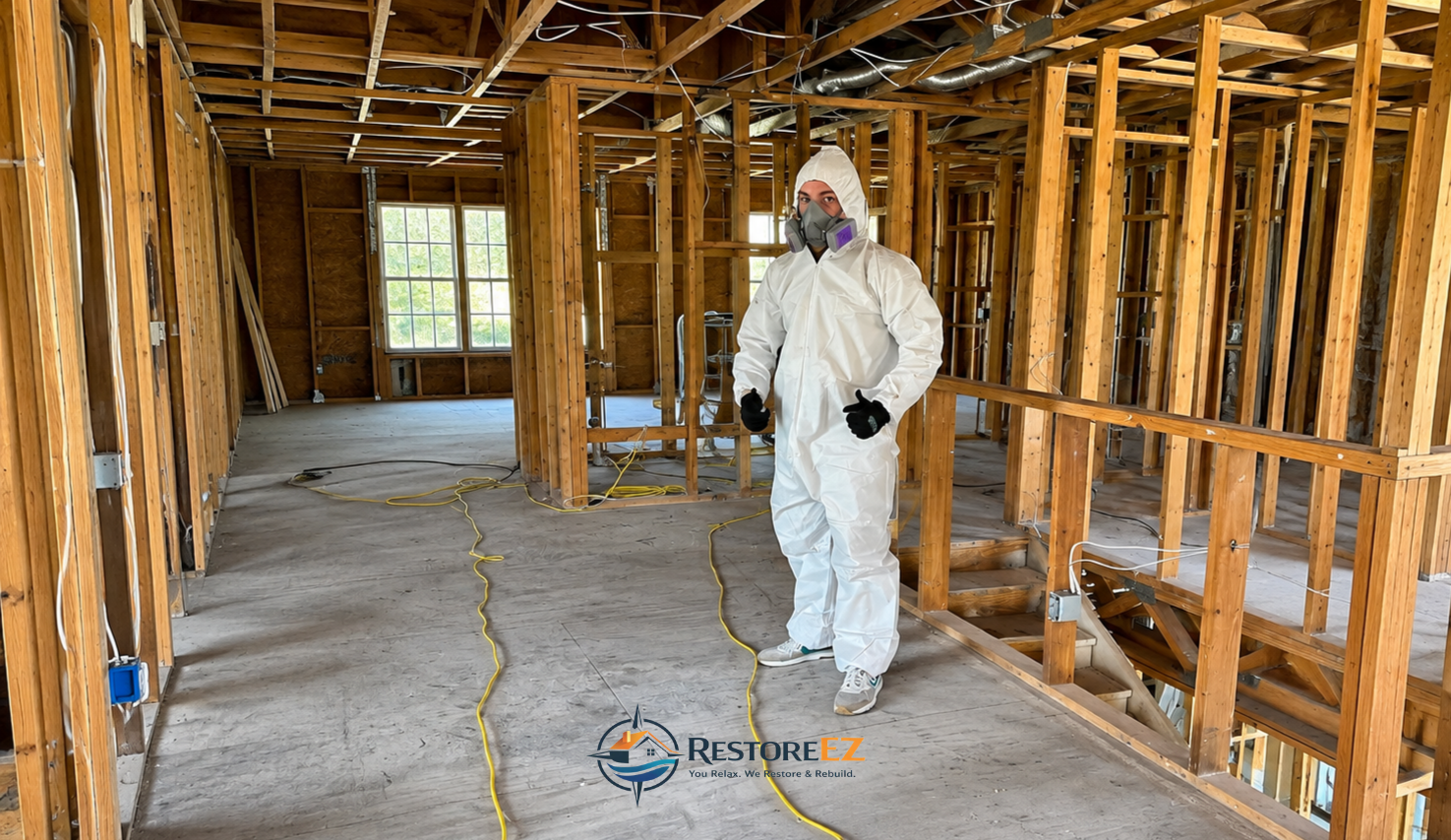
Containment is also crucial when mold or soot is present. Restoration teams may use barriers, negative air equipment, and targeted cleaning methods to prevent contamination from spreading. This controlled process protects both the structure and the people inside.
Drying, Cleaning, and Structural Repair
After mitigation comes the hands-on recovery phase. In water-related cases, professionals use commercial drying equipment, dehumidifiers, and air movement strategies to bring materials back to safe moisture levels. In fire-related cases, cleaning may include soot removal, odor treatment, surface decontamination, and selective demolition. The work is tailored to the type of damage, the materials affected, and the severity of the incident.
Structural repair may follow once the environment is stable. This can include replacing drywall, insulation, trim, flooring, or other compromised materials. Because the goal is a safe and lasting recovery, restoration is often more effective when it is approached as a full system rather than a one-time cleanup.
Why DIY Cleanup Often Misses Hidden Damage
Visible Cleaning Isn't the Same as Complete Restoration
Many property owners start with good intentions: they mop up water, wipe soot from surfaces, or run fans to dry a room. While those efforts can help temporarily, they often fail to address what is hidden inside the building assembly. Water can remain trapped behind baseboards or under cabinets, and smoke residue can settle into vents, insulation, and cracks where household cleaning products cannot reach. The result is a problem that appears better at first but worsens later.
DIY cleanup also makes it harder to document the full extent of the damage for insurance purposes. When the process is incomplete, adjusters may not have a clear picture of what was affected or why certain repairs are necessary. Professional restoration creates a more accurate record and helps support the claims process.
Specialized Equipment Makes a Real Difference
Restoration companies use tools that most homeowners do not have access to, including thermal cameras, industrial air scrubbers, moisture meters, and specialty extraction equipment. These tools allow technicians to locate hidden issues and verify that the property has been dried or cleaned properly. That level of precision is especially valuable when the damage is subtle or spread across multiple rooms.
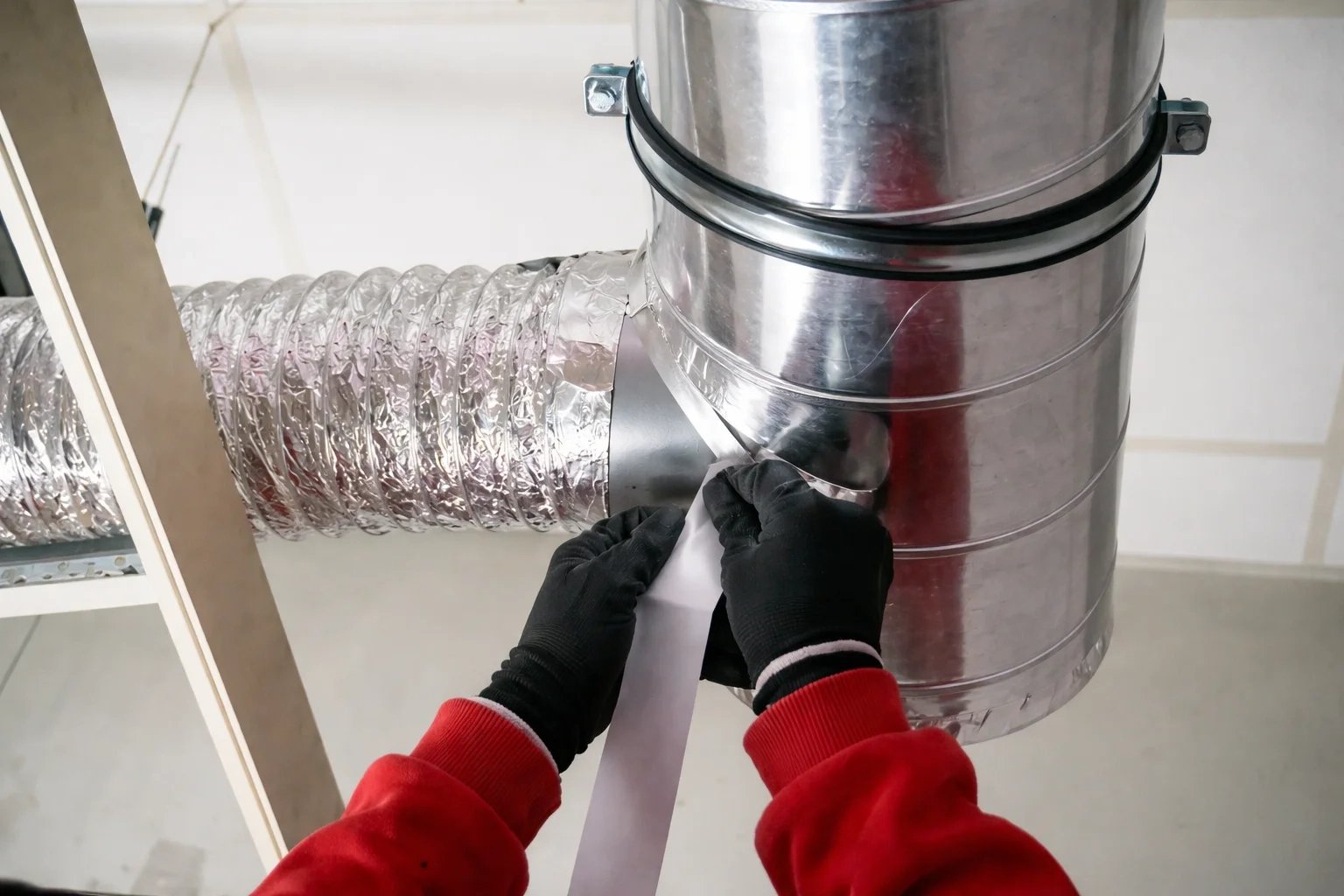
For example, a water stain on one wall may actually be caused by a slow leak traveling through the attic. A trained team can identify the source, dry the affected cavities, and recommend any needed support such as air duct sealing or attic-related improvements if the system has been impacted. That is the difference between temporary relief and true recovery.
How Restoration Helps Protect Property Value
Preventing Long-Term Structural Deterioration
Even when a property looks livable, hidden damage can reduce its value over time. Moisture can weaken framing and subfloors, while smoke and soot can leave behind odors and stains that are hard to eliminate. If ignored, these issues may show up later during inspections, refinancing, or a future sale. Professional restoration helps preserve the condition of the property before the damage becomes part of its long-term history.
In many cases, prompt restoration also limits the amount of demolition required. The earlier professionals intervene, the more likely they are to save original materials, preserve finishes, and keep the repair project focused. That can help protect both your budget and your property value.
Improving Indoor Comfort and Efficiency
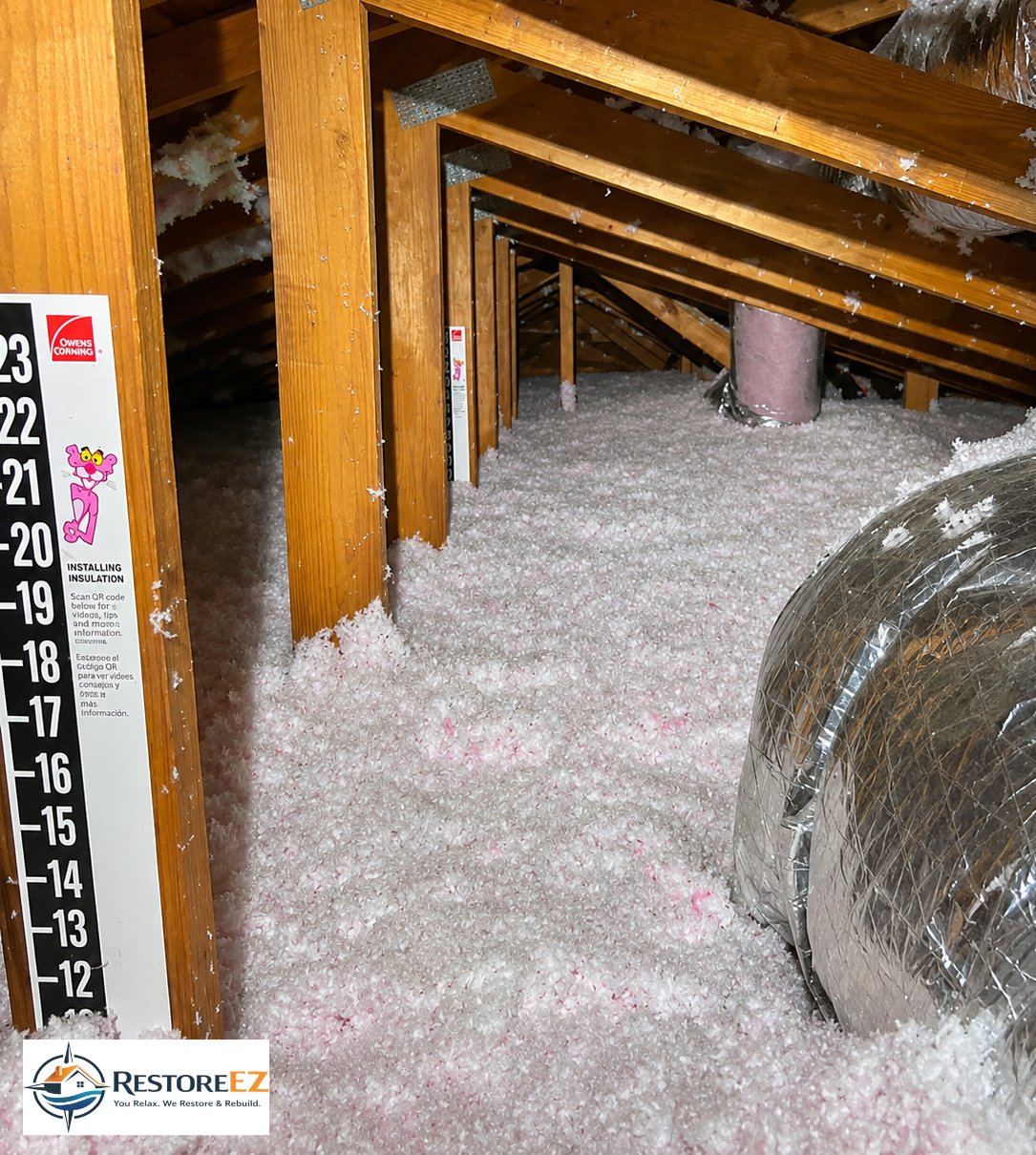
Restoration can also improve everyday comfort. Damaged insulation, compromised ductwork, and moisture intrusion can lead to hot and cold spots, odors, and poor system performance. Once those issues are corrected, the property often feels cleaner, more balanced, and more efficient. For homes with related energy concerns, services like blown-in attic insulation can support a healthier building envelope after damage is addressed.
Comfort matters because damage recovery is not only about repair; it is about making the building functional again. A properly restored property should feel safe, dry, and healthy, not just look repaired from the outside.
Common Signs You Need Professional Help
Persistent Odors or Unexplained Stains
If odors remain after cleaning, there is often a hidden source. Musty smells can indicate moisture and microbial growth, while smoky or burnt odors may signal trapped residue in porous materials. Stains that keep returning after being wiped also suggest that the underlying issue has not been resolved. These are strong signs that it is time for a professional inspection rather than another round of surface cleaning.
Unexplained discoloration, bubbling paint, peeling trim, and soft drywall are also warning signs that damage may extend beyond what you can see. If those signs are present, there may already be a secondary issue developing inside the walls or floors.
Changes in Airflow, Dust, or Allergy Symptoms
When a property suffers hidden damage, the HVAC system often becomes part of the problem. Dust buildup, weak airflow, and recurring allergy symptoms may mean the system is circulating contaminants from damaged areas. In these situations, air duct cleaning may be recommended alongside restoration to reduce the spread of debris and improve indoor air quality.
Dryer vent issues can also become part of the broader safety picture, especially if the property has experienced heat, smoke, or airflow problems. A clogged vent can make an already stressed system worse, so dryer vent cleaning may be a useful preventive step during recovery.
Real-World Restoration Scenarios
A Small Leak That Became a Mold Problem
Consider a bathroom supply line leak that drips slowly behind a vanity for several weeks. At first, the homeowner notices only a slight odor and a small stain on the adjacent wall. By the time the issue is investigated, the drywall, insulation, and cabinet backing have absorbed enough moisture to support mold growth. What looked like a simple plumbing fix now requires water removal, mold remediation, and selective demolition.
This type of case is common because the original damage is hidden. A professional team can identify the extent of the moisture, remove contaminated materials, and restore the area before the problem spreads to nearby rooms. If mold is suspected, mold remediation is often the safest next step after inspection.
Smoke Damage That Affected the Entire House
In another example, a kitchen fire is quickly extinguished, but smoke enters the HVAC system and settles throughout the home. The kitchen may look like the main problem, yet the smell is noticeable in bedrooms, closets, and hallways. Professional restoration is needed not just for the burned area, but for the entire air and surface system of the home. That may include cleaning cabinets, vents, soft goods, and walls, along with odor mitigation and air quality improvement.
These scenarios show why restoration must look beyond the obvious damage. The visible problem is often only the starting point.
Choosing the Right Restoration Partner
Look for Speed, Equipment, and Communication
When property damage happens, the right partner should respond quickly and explain the process clearly. You want a team that can assess the damage, stabilize the property, and outline the next steps without confusion. Good communication matters because restoration often involves multiple phases, insurance documentation, and coordination with other contractors.
It also helps to choose a company with the equipment and training needed for the specific type of damage. A well-equipped restoration provider can handle extraction, drying, odor control, cleanup, and indoor air quality concerns in a coordinated way. That saves time and reduces the chance of missed details.
Why Local Experience Matters
Local knowledge can make a real difference, especially in regions where heavy rain, humidity, storms, and HVAC strain are common. In Tarpon Springs and nearby communities, moisture-related issues are often linked to seasonal weather and building conditions that require fast, informed response. A restoration company familiar with these risks can act more efficiently and recommend solutions tailored to the environment.
Restoreez serves property owners who need help recovering from water, fire, mold, and air quality issues. Whether the concern is a sudden leak, a smoke event, or a hidden contamination problem, a local team can provide the targeted support needed to bring the property back under control.
Frequently Asked Questions About Hidden Property Damage
How Fast Should I Call a Restoration Company After Damage Occurs?
As soon as possible. Water, smoke, and mold-related damage can escalate quickly, especially in warm or humid conditions. The sooner a professional evaluates the issue, the more likely it is that the team can reduce secondary damage and save materials.
Can I Stay in My Home During Restoration?
It depends on the extent of the damage. Some projects allow occupants to remain in part of the property, while others require temporary relocation for safety reasons. If contaminants, structural concerns, or heavy equipment are involved, your restoration provider can advise you on the safest option.
Will My Insurance Cover Professional Restoration?
Coverage depends on your policy and the cause of the damage. Many insurance policies cover sudden, accidental events but not all maintenance-related issues. Professional documentation, photos, and moisture readings can help support your claim and explain the need for specific repairs.
What If the Damage Smells Bad But I Cannot See Anything?
Odors often indicate a hidden source, such as trapped water, soot residue, or contaminated building materials. A professional assessment can identify where the smell is coming from and determine whether cleaning, removal, or remediation is needed. Waiting usually makes odor problems harder to solve.
Conclusion: Why Professional Restoration Matters
When property damage goes beyond the surface, the real challenge is not just cleaning what you can see. It is finding the hidden moisture, residue, contamination, and structural impact that can continue causing problems long after the initial event. Professional restoration makes a difference because it combines inspection, mitigation, cleanup, drying, repair, and air quality improvement into one coordinated process. That approach protects your property, your health, and your peace of mind.
If your home or business has experienced water damage, fire damage, mold growth, or indoor air concerns, do not wait for the problem to spread. A prompt, professional response can save materials, reduce costs, and restore safe living conditions faster. For expert help and a fast response, contact Restoreez or explore our services for water damage restoration, fire damage restoration, and mold remediation today.