How Long Does Fire Damage Restoration Take?
If a fire has disrupted your home or business, you're probably asking, "How long will the restoration take?" Well, it can be anywhere from a few days to several months. It all depends on the severity of the fire, structural damage, smoke, and soot presence, and how quickly insurance claims are processed. Knowing the whole process can help you plan your next steps and avoid unnecessary delays.
The quickest way to get back on track is to call a professional right away. Experts can assess the damage, secure the property, and start mitigation before any secondary issues crop up. This is especially key when dealing with smoke residues, lingering odors, and water from firefighting efforts. If you're looking for reliable fire damage restoration, acting fast can mean the difference between a quick recovery and a long, stressful rebuild.
This guide breaks down the main factors affecting restoration timelines, the latest industry tools, average timelines for different levels of damage, and tips to speed things up. It also offers practical advice for folks in Florida, where humidity can make hidden water damage and mold prevention a big deal. For broader guidance on emergency preparedness and recovery, the Ready.gov disaster resources are a good starting point.
What Fire Damage Restoration Actually Includes
Initial Assessment and Safety Check
Restoration kicks off with a detailed inspection. Pros check for structural stability, identify hazards, and figure out what materials can be cleaned versus replaced. They might also do moisture readings, air quality checks, and document everything for insurance. This step sets the stage for the whole timeline because bigger, more complex jobs need more work, equipment, and coordination.
Debris Removal and Cleanup
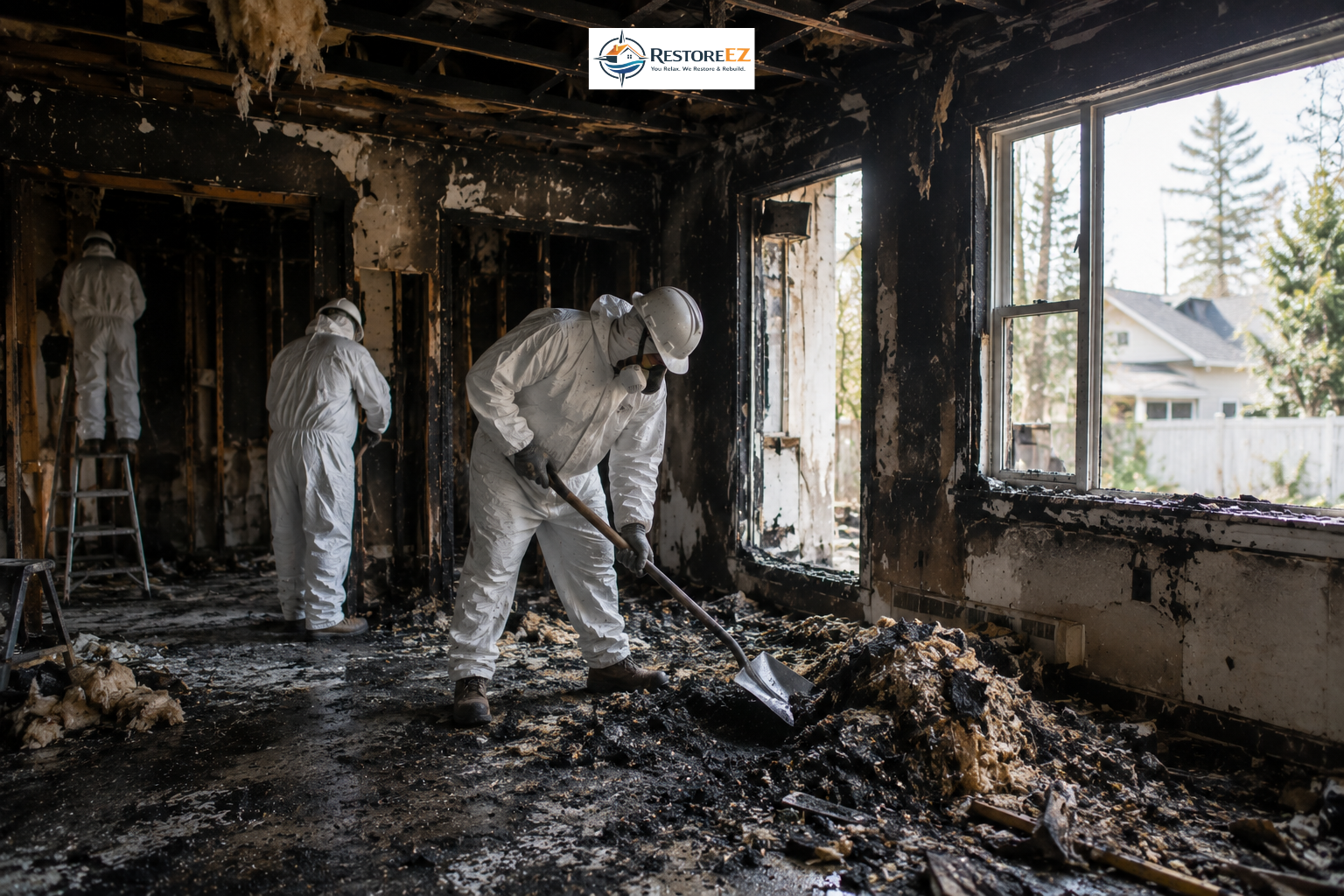
Once the property's secured, crews get to work removing debris, charred materials, and anything unsalvageable. This often includes cleaning smoke and soot from walls, ceilings, furniture, and personal items. Soot is acidic and can keep damaging surfaces if not cleaned quickly. If water was used to put out the fire, water damage restoration may be necessary to dry up hidden moisture and prevent rot or mold.
Odor Removal and Air Treatment
Smoke odor can stick around long after visible damage is gone. Modern teams use air scrubbers, ozone machines, and special filters to clear the air and neutralize odors. These tools have sped up restoration significantly compared to older methods. In many cases, odor treatment is quick, but heavily contaminated spaces might need repeated cycles for the best results.
The Main Factors That Affect Fire Damage Restoration Time
Severity and Size of the Fire
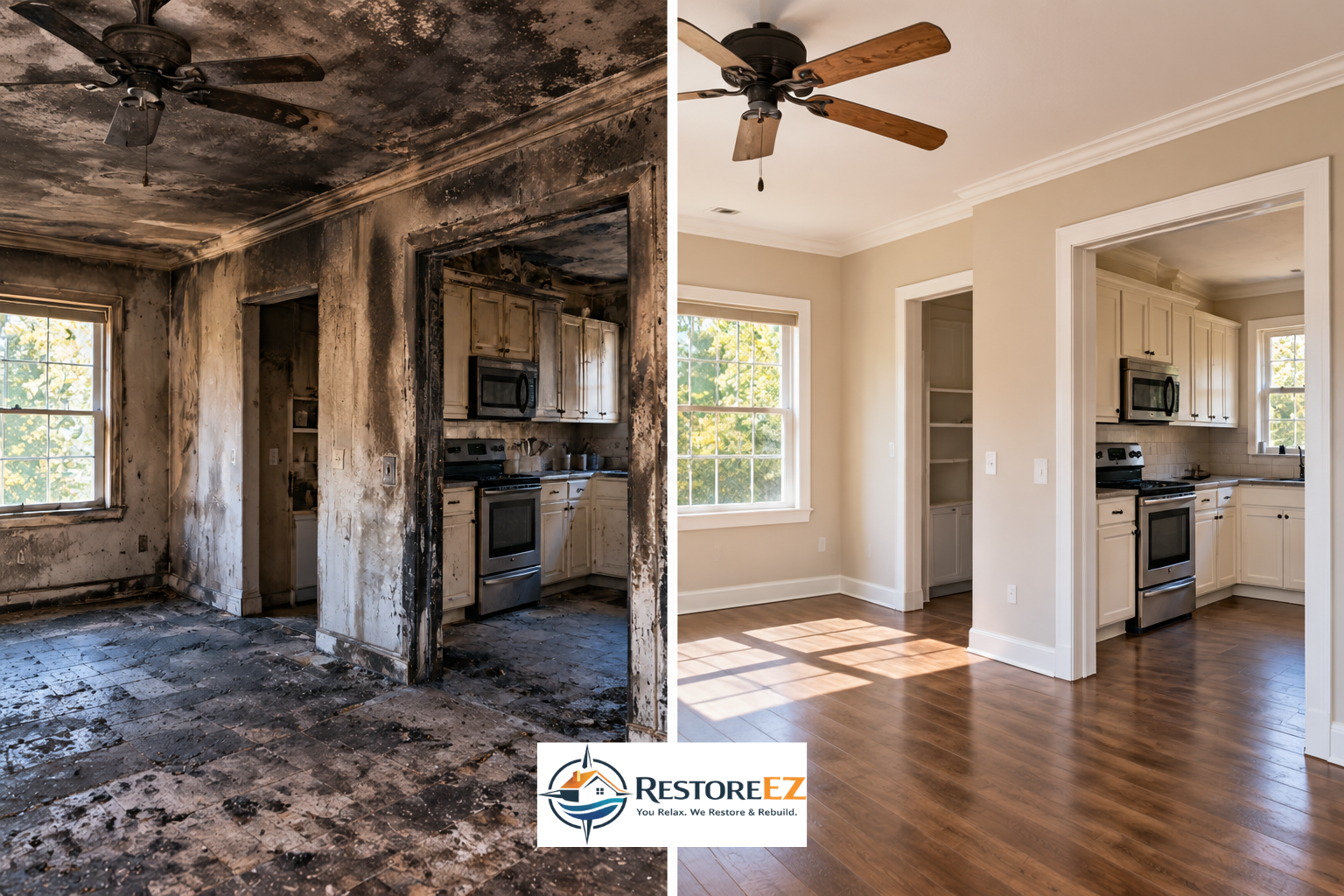
The biggest factor is how extensive the fire was. Minor kitchen fires might be cleaned up in under a week, while major structural fires could need months of rebuilding. The size of the affected area matters too. A small room with limited smoke damage is easier to restore than a whole-house fire impacting framing, insulation, wiring, and HVAC systems.
Industry estimates often break timelines into three ranges: minor fire damage could take 3–7 days, moderate damage might take 2–8 weeks, and severe damage can last 2–6 months or more. These aren't fixed guarantees, but they give a realistic frame of reference. A clear example is a recent residential kitchen fire in Tarpon Springs, FL, which took about 4 weeks. There was limited structural damage, but smoke cleanup, odor treatment, and minor repairs needed careful attention.
Structural Damage and Repair Complexity
Even if flames are contained, structural damage can extend timelines a lot. You might need to replace framing, drywall, roofing, electrical components, and insulation. If permits or inspections are required, the timeline could stretch further. Sometimes, the fire itself is less time-consuming than the reconstruction phase that follows.
For instance, a property with light smoke staining might just need surface cleaning, but one with weakened joists or compromised roofs might need an engineering review before work starts. In such cases, restoration becomes a coordinated rebuilding project. If there are lingering odors in the ductwork, services like air duct cleaning can help with final air quality and post-fire recovery.
Smoke, Soot, and Hidden Contamination
Smoke and soot can be more damaging than the flames themselves. They get into tiny spaces, settle inside vents, and discolor surfaces that may look fine at first. Soot can also spread through the HVAC system if it was running during or after the fire. So, a complete restoration plan needs to include hidden contamination, not just visible burn marks.
According to the U.S. Environmental Protection Agency, indoor air quality can be affected by particles and residues from combustion, which is why ventilation and cleanup are crucial after a fire. This is particularly relevant in homes where folks might be sensitive to odors or airborne irritants. In these situations, indoor air quality services can help ensure the environment is safe before reoccupation.
Water Damage from Firefighting Efforts
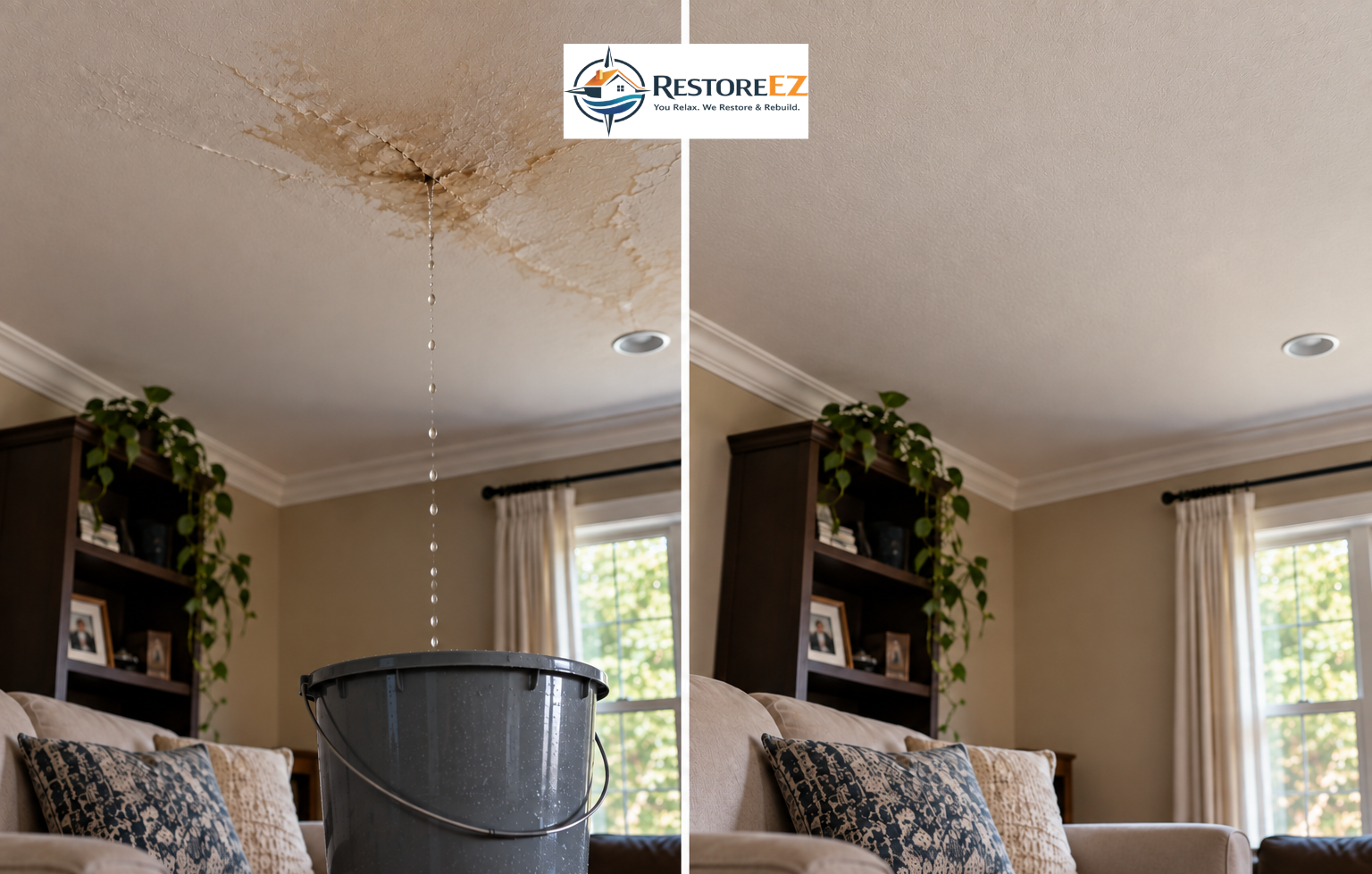
A commonly overlooked cause of extended fire restoration is water damage from hoses, sprinklers, and fire suppression systems. Once the fire is out, soaked materials can quickly become a second emergency. Wet drywall, insulation, carpets, and subfloors can trap moisture and create mold risks within 24 to 48 hours if drying isn't prompt.
That's why the restoration timeline often hinges on how efficiently the property is dried. Moisture detection tools have improved this process by spotting hidden dampness behind walls and under flooring. If moisture is found, quick response is key, and related services like mold inspection and mold remediation might be necessary later if any water intrusion is missed.
Insurance Claim Speed and Approvals
Insurance can either speed up the project or slow it down. A claim thoroughly documented with photos, notes, and inventory lists may be approved faster than one with missing details. Delays often happen when adjusters need more evidence, additional estimates, or clarification about contents and structural losses. The more complete your records, the smoother the process is likely to be.
It's smart to understand your policy before the loss happens. Coverage limits, temporary housing benefits, and contents protection vary widely. The Insurance Information Institute offers general educational resources that can help property owners better understand how fire-related claims typically work. Careful documentation and early communication with your insurer can reduce bottlenecks and keep restoration teams working without unnecessary pauses.
Why Fast Response Makes Such a Big Difference
The First 24 to 48 Hours Are Key
Experts consistently recommend starting the restoration process within the first 24 to 48 hours. During this time, teams can secure the property, assess the damage, protect salvageable contents, and prevent further contamination. Fast action can reduce costs and shorten the recovery timeline by preventing additional damage.
Quick response is especially important in warm, humid climates, where moisture and heat can speed up deterioration. In Florida, untreated water and soot can quickly become bigger problems. Fast mitigation also helps preserve more building materials, reducing reconstruction scope and keeping the project on schedule.
Why DIY Cleanup Often Slows Recovery
Many property owners want to start cleaning immediately, but DIY fire cleanup can create more problems than it solves. Most households don't have the right containment equipment, personal protective gear, or cleaning chemicals for soot and smoke residues. Scrubbing incorrectly can push soot deeper into porous materials, making it harder to remove and increasing replacement costs later.
DIY work can also interfere with insurance documentation. If items are discarded before they're recorded, the claim may become harder to verify. For that reason, professional remediation services are usually the safer and faster route. Trained crews know how to stabilize the property, reduce liability, and create a step-by-step plan that fits the level of damage.
How Professional Equipment Speeds the Process
The restoration industry has made great strides in recent years. Air scrubbers, ozone machines, thermal fogging, and moisture mapping tools are now standard in many jobs. These technologies help reduce odor removal time, identify hidden water damage, and improve drying efficiency. As a result, projects that once took longer can now be completed more effectively with fewer delays.
Professional teams also work in stages. One crew might handle debris removal while another focuses on drying and dehumidification. Another might document salvageable contents for insurance. That coordinated workflow helps a well-managed project move faster than property owners might expect.
Typical Fire Damage Restoration Timelines
Minor Fire Damage: 3 to 7 Days
Minor losses usually involve localized fire damage with limited structural impact. Common examples include kitchen fires, small electrical fires, or contained incidents where flames were quickly extinguished. In these cases, restoration might include soot cleanup, deodorization, surface wiping, and minor repairs. If water intrusion is minimal, the process can be completed relatively quickly.
Yet, minor damage shouldn't be underestimated. Smoke can travel farther than the flame source, and hidden residues might remain in cabinets, vents, and fabrics. That's why a thorough inspection is always important, even when visible damage seems small.
Moderate Fire Damage: 2 to 8 Weeks
Moderate fire damage often affects multiple rooms and may include some structural repairs, insulation replacement, or partial reconstruction. This range is common when the fire is contained enough to spare the building's frame but still causes meaningful smoke contamination. Content cleaning, odor removal, and coordination with insurance can all add time to the project.
In these cases, local expertise matters. A restoration team familiar with permits, drying needs, and repair sequencing can keep the process organized. For homeowners and business owners in coastal areas, local climate conditions might also influence drying speed and mold prevention decisions.
Severe Fire Damage: 2 to 6 Months or More
Severe damage usually means major structural restoration, extensive demolition, and a longer rebuild. Roof repairs, framing work, electrical replacement, interior reconstruction, and content recovery can all stretch the timeline. The exact length depends on how much of the building can be saved and how quickly approvals are received.
In severe cases, the project often becomes a full recovery effort rather than a simple cleanup. Temporary relocation might be necessary, and multiple contractors could be involved. When that happens, the timeline is driven as much by coordination and inspection schedules as by physical work on the property.
Best Practices to Speed Up the Restoration Process
Document Everything Immediately
Take photos and videos of every damaged area before cleanup begins. Record damaged personal property, structural damage, and visible soot or water intrusion. Keep receipts for emergency purchases, temporary lodging, and repair-related expenses. This documentation helps the insurance process move more smoothly and supports accurate estimates.
It also helps the restoration team. Clear records can make it easier to prioritize urgent work, identify salvageable items, and separate demolition from repair tasks. The more organized your information is, the less time the team spends trying to reconstruct the history of the loss.
Work with a Single Restoration Plan
Fire restoration works best when cleanup, drying, odor control, and repairs are coordinated under one plan. If different contractors start and stop without shared communication, delays become more likely. A unified approach allows the team to sequence work properly and reduce duplicate effort.
If water damage is part of the loss, combining services can be especially helpful. The same team may need to provide fire damage restoration plus water extraction, structural drying, and mold prevention. That coordination can save time and reduce confusion for both the property owner and the insurer.
Don't Delay Approvals or Decisions
Many restoration jobs slow down because owners take too long to approve estimates, choose finishes, or confirm coverage details. While it's natural to feel overwhelmed, slow decision-making can stall the project. Restoring a home is often a chain of dependent steps, and one delayed choice can push back several others.
If financing is a concern, it might help to review available payment options early. Some property owners also explore service pages like financing when restoration or reconstruction costs need to be managed over time. Clear financial planning can reduce stress and keep the project moving.
Local Considerations for Tarpon Springs Property Owners
Humidity and Mold Prevention
Warm, humid weather can make fire recovery more complicated because damp materials dry more slowly, and mold can start to grow sooner. In a place like Tarpon Springs, a fire project often needs careful moisture monitoring after firefighting efforts. This is one reason many restoration companies emphasize immediate drying and post-cleanup inspection.
Moisture detection tools have become a standard part of modern restoration because hidden dampness can remain inside walls, under flooring, and in insulation. If those areas are not checked, the property may face a second wave of damage weeks later. Preventive drying and inspection are not optional extras; they are part of a proper fire recovery plan.
Building Codes and Compliance
Local building codes and permit requirements can affect how long repairs take, especially if electrical, roofing, or structural work is needed. Working with professionals who understand local compliance issues helps reduce delays and avoid problems during inspection. This is particularly important for commercial properties where code requirements may be more detailed.
For business owners, downtime matters. Choosing a team experienced in remediation services can help limit interruptions and restore operations faster. That local knowledge can make a noticeable difference in both timing and overall project coordination.
Frequently Asked Questions About Fire Damage Restoration
Can I Stay in My Home During Restoration?
That depends on the extent of the damage. If there are safety hazards, structural concerns, or significant smoke contamination, relocation may be recommended. Restoration professionals and local authorities should guide this decision. Safety should always come before convenience.
Will Insurance Cover the Full Cost?
Coverage depends on your policy, the cause of the fire, and the documentation you provide. Some policies cover structural damage, contents, and temporary housing, while others have limits or exclusions. It is best to review your policy and speak with your provider as soon as possible after the incident.
How Can I Tell if Hidden Damage Remains?
Signs include lingering odors, stains reappearing after cleaning, warped materials, musty smells, and unusual humidity levels. Professionals use specialized equipment to check behind walls, inside ducts, and under floors. If you suspect hidden problems, a follow-up inspection is worthwhile.
Do I Need Mold Inspection After a Fire?
If water is used during firefighting, yes, it is often smart to consider it. Mold can begin forming quickly in damp conditions, especially in warm climates. A timely mold inspection can help confirm whether additional steps are needed before the property is fully restored.
Choosing the Right Restoration Partner
Look for Speed, Experience, and Clear Communication
The best restoration partner is one that responds quickly, explains the process clearly, and provides a realistic timeline instead of overpromising. Ask how they handle emergency mitigation, insurance documentation, odor removal, and moisture detection. These details matter because they directly affect how long the project takes.
It's also worth asking whether the company offers related services such as smoke cleanup, duct cleaning, water mitigation, and indoor air quality support. A broader service range often means fewer handoffs and a smoother timeline from start to finish. For properties needing specialized help, indoor air quality and other support services can be part of the overall recovery strategy.
What a Good First Call Should Include
During the first call, a restoration company should be able to explain what happens next, how soon they can arrive, and what information they need from you. They should also help you understand the likely timeline based on the severity of the fire. If they seem vague or dismissive, that may be a warning sign.
Restoreez works with homeowners and businesses throughout the region to provide fast, practical support after a fire. From emergency response to final repairs, the goal is to reduce downtime and restore safe living conditions as efficiently as possible. If you need help understanding your options, the team can guide you through the next steps and coordinate a recovery plan that fits your situation.
Final Thoughts: What to Expect After Fire Damage
Fire damage restoration is not a one-size-fits-all process. Minor incidents may be resolved in just a few days, while severe structural losses can take months. The timeline depends on the size of the fire, the amount of smoke and soot contamination, the presence of water damage, and how quickly insurance approvals move forward. The earlier you act, the better your chances of shortening the recovery.
If you want the process to move as smoothly as possible, focus on documentation, speed, and professional support. Avoid DIY cleanup, secure the property quickly, and work with a qualified team that understands both mitigation and reconstruction. For property owners who want expert guidance from a trusted local team, fire damage restoration support can make a major difference in how quickly life gets back to normal.
If your property has been affected by fire, do not wait for the damage to spread. Contact a professional restoration company as soon as possible, protect your documentation, and take the first step toward recovery today.