How to Know If Mold Is Growing in Your Home (And What to Do)
Ever wondered if you might have mold hiding in your home? Mold can sneak in quietly, spread before you notice, and cause problems ranging from allergies to damaged walls. Let’s look at how to spot these pesky growths early and what you can do to stop them.
This guide covers the basics of mold detection, where it often hides, how it affects your health and home, and the steps you can take next. Whether you’re dealing with a weird smell, strange spots on your walls, or persistent allergy-like symptoms, knowing what to look for can help you keep your home and family safe. If you find you need more than just a basic check, services like mold inspection and mold remediation can help make the process smoother and safer.
Studies show mold might be more common than we think. It turns out, while many people assume mold is in about 37% of homes, it’s actually closer to 47%. Plus, around 77% of folks didn’t even know they had mold. That’s why it’s so important to jump on any moisture issues before they get worse.
Why Mold Is a Bigger Problem Than You Think
Mold Thrives in Damp Places
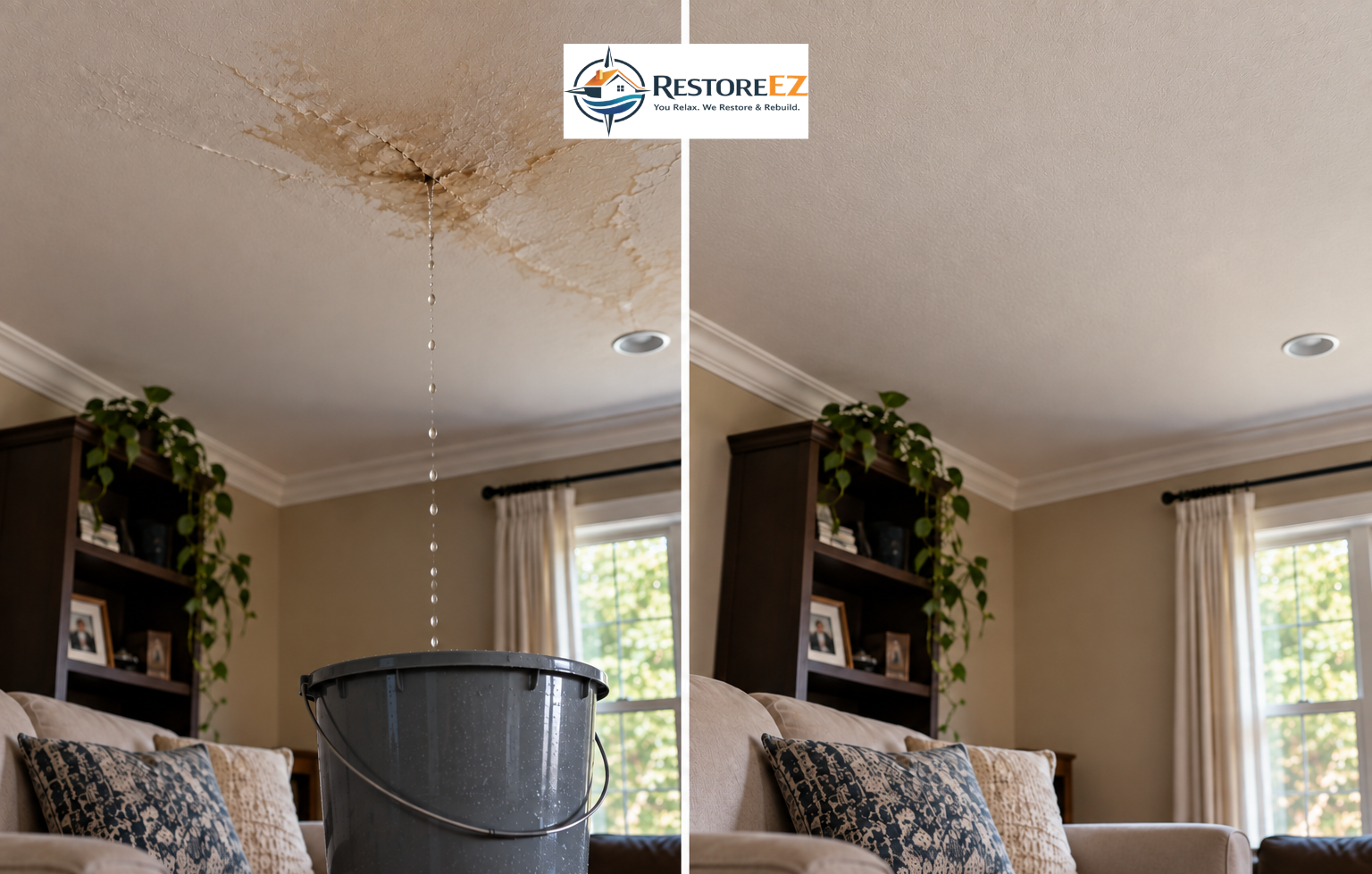
Mold isn’t random. It grows in areas with moisture. Think about bathrooms, kitchens, basements, and attics. These spots often have poor ventilation and the occasional water leak. In humid regions, even a tiny leak or bit of condensation can give mold the moisture it needs to thrive. According to the EPA, controlling moisture is the best way to control mold.
So, fixing leaks quickly and improving airflow with fans or dehumidifiers is crucial. When the water source stays, mold tends to come back. If you're worried about hidden moisture, consider pairing a moisture assessment with water damage restoration to prevent bigger issues down the line.
Mold Is More Than Just Ugly
People often think mold is just a cosmetic issue, but it can do more harm. It can stain walls, ruin ceilings, and damage wood. Mold behind walls can mess up insulation and framing without you even knowing. In bad cases, repairs get pricey because you might need to replace materials instead of just cleaning them.
Mold can also make your home feel uncomfortable. The EPA suggests fixing leaks and moisture issues before tackling cleanup. If your house also has odors or poor ventilation, services like indoor air quality improvements and air duct cleaning might help clear the air.
Health Symptoms May Be Subtle
Mold exposure affects people differently. Some might cough or sneeze, while others may feel tired or have headaches. These symptoms can be mistaken for allergies or a cold, but if they get better when you leave home, mold might be the culprit.
Health experts, including the CDC, highlight these signs. Mold exposure can irritate your lungs, especially if you have asthma or allergies. If that’s the case in your home, it’s best to treat mold as a health issue, not just a maintenance problem.
How to Tell If Mold Is Growing in Your Home
Start With Your Senses
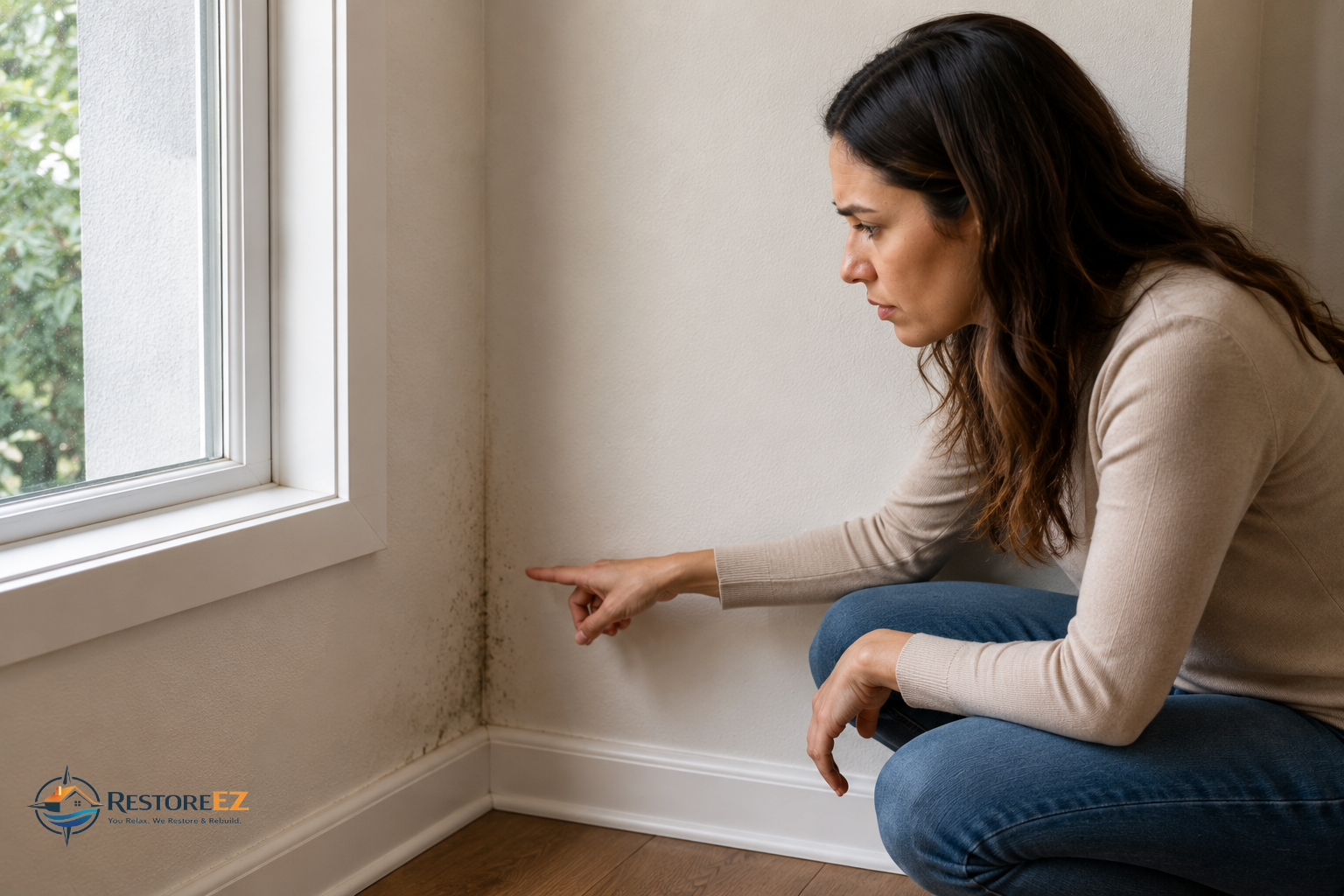
Begin by walking around your home, using your eyes and nose. Mold doesn’t always look like black spots; it can be gray, green, brown, or even white. Check for water stains, bubbling paint, or peeling wallpaper, which are signs that moisture might have been there long enough for mold to grow.
The smell is often a giveaway. A musty, earthy odor in a closed-off room or basement can point to hidden mold. If you pick up on the smell but can’t find the source, a professional mold inspection can help you track it down before it spreads further.
Check the Places Mold Loves to Hide
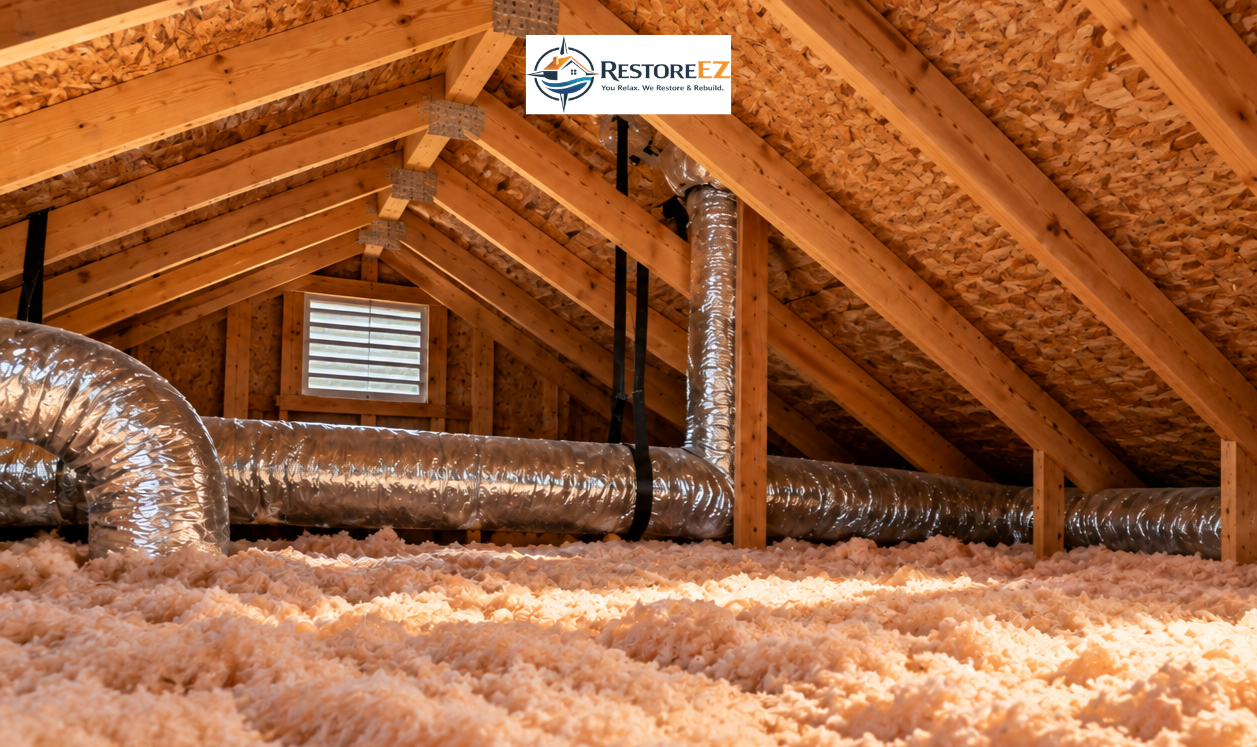
Mold often hides where you don’t look often. Under sinks, behind appliances, or around windows are common places. Attics can be mold-prone if they’re poorly ventilated or if roof leaks aren’t fixed quickly.
Basements and crawl spaces are also big culprits because they trap humidity. In a place like Florida, even small leaks can become big problems fast. If your home has had leaks or flooding, combining a structural review with water damage restoration can help address both visible and hidden issues.
Watch for Indirect Warning Signs
Sometimes mold is present even if you don’t see much of it. Condensation on windows, damp spots, or soft drywall can all hint at a moisture problem. Some rooms might feel more humid or smell off, even after cleaning.
These clues matter because mold often grows out of sight until damage becomes severe. One homeowner noticed a musty smell in the basement, and after investigating, found mold behind the drywall caused by a hidden leak. Fixing the leak and removing the mold saved money and stress in the long run.
What Causes Mold to Grow So Fast
Water Intrusion Starts It All
Mold spores are everywhere, but they need moisture to grow. Roof leaks, plumbing issues, flooding, or seepage can all create the perfect conditions for mold to flourish. If you don’t dry out wet areas quickly, mold can start growing within a day or two.
Act fast when you spot water issues. Don’t wait to see if things dry on their own. If you can’t find where the water is coming from, professional help like water damage restoration and mold remediation can stop a small problem from turning into a big one.
Poor Ventilation Makes It Worse
Even without a major leak, poor ventilation can trap humidity in rooms like bathrooms and kitchens. Steam from showers and cooking raises moisture levels, especially if exhaust fans are weak.
Simple changes can help. Use fans during showers, keep HVAC systems in good shape, and make sure dryer vents lead outside. If airflow is a problem, consider air duct sealing and dryer vent cleaning to boost ventilation.
Humidity Can Be Enough on Its Own
High humidity is a major risk, especially in humid areas. When indoor humidity stays high, surfaces absorb moisture from the air, which can lead to mold growth. That’s why dehumidifiers and air conditioning are important for prevention.
The EPA advises fixing moisture sources and keeping things dry to prevent mold. For long-term protection, a smart thermostat can help regulate temperatures, while weatherization can reduce condensation. Services like smart thermostat solutions and blown-in attic insulation can support a drier home environment.
How to Inspect Your Home for Mold Safely
Do a Room-by-Room Visual Check
Start by looking in areas where water is likely to collect. Check under sinks, around tubs, behind toilets, near windows, and in attic or basement spaces. Use a flashlight and take your time to look for stains or discoloration.
Remember, mold is often a sign of a bigger water issue. If you see signs of past leaks, it might be worth checking related areas of the home. A broader assessment can confirm if the problem is isolated or part of a bigger pattern.
Pay Attention to Odor and Airflow
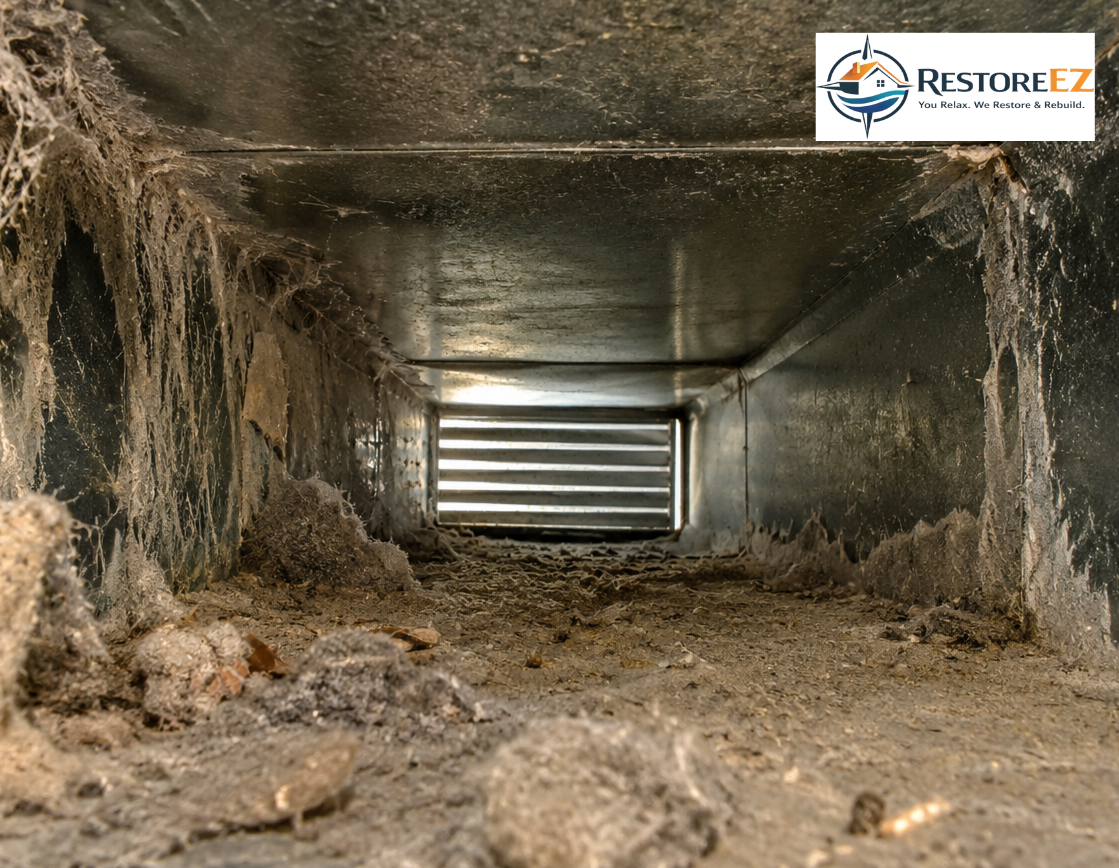
Smell can be just as helpful as sight. A musty odor after cleaning might mean there’s hidden mold in walls or ceilings. If the smell is stronger near vents, contaminants might be circulating through your HVAC system.
If odors spread between rooms, a professional HVAC evaluation can help. Services like air duct cleaning and indoor air quality testing can identify if mold is the issue.
Use Authoritative Resources to Understand the Risks
Trustworthy sources can help separate facts from myths. The EPA’s mold cleanup guidance explains when you can tackle mold yourself and when you should call in a pro. The CDC also notes that mold exposure can worsen asthma or allergies. These resources can guide your decisions about cleanup and professional help.
DIY Mold Removal: When It’s Okay and When It’s Not
Small Spots Are Often Manageable
For small mold patches under 10 square feet, you might be able to handle the cleanup yourself if you’ve fixed the moisture issue. Wear gloves, goggles, and a mask, and clean hard surfaces with detergent and water. Dry the area completely to prevent mold from coming back.
DIY cleanup works best when mold is limited, and the material is nonporous. But remember, if moisture is still an issue, mold will likely return.
Porous Materials Are a Different Story
Materials like drywall, insulation, and carpet can absorb moisture, making them tough to clean thoroughly. In those cases, removal is safer than surface cleaning. If mold has spread or affected many rooms, professional help is usually best.
A service offering mold remediation can isolate the area, remove contaminated materials, and treat surfaces to prevent spore spread. They can also check if any structural repairs are needed.
Health Concerns Call for Professional Help
If anyone in your home has asthma, severe allergies, or a weak immune system, it’s safer to let the pros handle mold. Disturbing mold can release more particles into the air, worsening symptoms.
Professional remediation is key after floods, major leaks, or long-term moisture issues. If you’re unsure about the extent of the problem, a professional inspection can provide clarity before you spend time and money on the wrong solution.
Real-World Example: How Hidden Mold Was Stopped Early
A Florida Basement With a Hidden Leak
Take the case of a homeowner who noticed a faint musty smell in their basement. At first, it seemed minor and was ignored. But soon, the smell got worse, and peeling paint appeared on the wall.
When they opened the drywall, they found mold caused by a slow leak. Since they caught it early, the remediation was manageable, and the materials could be removed without more structural damage. This shows why you shouldn’t ignore smells, paint damage, or humidity changes.
Why Quick Action Changed the Outcome
If the homeowner had waited, mold could have spread to the framing and insulation, increasing costs and repair time. Instead, they fixed the leak, removed the damaged materials, and dried the area thoroughly. This saved them from bigger restoration work and restored healthier indoor conditions.
Mold problems often start with water problems. Identifying the moisture source early makes it easier to stop mold growth and prevent it from coming back. That’s why homeowners should focus on prevention, inspection, and quick response, not just cleaning up visible spots.
How to Prevent Mold From Coming Back
Control Moisture at the Source
Prevention starts with maintenance. Regularly check plumbing, roofing, windows, and appliances for leaks. Use exhaust fans, vent dryers properly, and keep gutters clear to move water away from your home.
If moisture is a recurring issue, consider broader protection strategies. Weatherization, air sealing, and flood protection can help reduce water entry. Our weatherization program offers more information on reducing moisture risks.
Keep Indoor Humidity Under Control
Keeping indoor humidity low can discourage mold growth. Use dehumidifiers in damp spaces and air conditioning to remove moisture from the air.
If your home feels damp or stuffy, consider system improvements for long-term moisture management. Better insulation, smarter thermostats, and duct sealing can help create a healthier environment.
Schedule Inspections Before Small Issues Grow
The best way to avoid major mold damage is to catch problems early. Routine checks after storms, leaks, or repairs can spot issues before they get expensive. A quick seasonal walk-through can make a difference if you know what to look for.
If moisture has affected your home, professional evaluation is often the safest path. A remediation team can determine if the issue is limited or widespread and whether moisture control measures are enough or if more extensive removal is needed.
Frequently Asked Questions About Mold in the Home
What Does Mold Smell Like?
Mold usually has a musty, earthy smell, like wet paper or damp clothes. If it lingers after cleaning or is stronger in a specific room, there might be hidden mold behind walls or in HVAC components.
Can I Test for Mold Myself?
Home test kits exist, but they often don’t tell you where the moisture is coming from or the extent of the damage. Visual inspections and moisture assessments are often more helpful. If you suspect a hidden issue, a professional inspection is usually a better investment.
Is Black Mold the Only Dangerous Kind?
No, many types of mold can affect health and damage materials. Color alone doesn’t determine seriousness. The size of the problem, location, affected material, and any symptoms matter more.
When Should I Call a Professional?
Call a pro if the affected area is large, mold keeps returning, there’s a musty odor with no visible source, or anyone has health symptoms. Also seek help if mold followed flooding, a major leak, or long-term humidity problems. Early action can reduce repair costs and prevent further exposure.
Take the Next Step Before Mold Spreads
If you think there’s mold in your home, don’t wait for it to get worse. Look for signs, track down moisture sources, and act quickly. Little clues like a musty smell, water stains, or recurring allergy symptoms can point to a bigger issue.
For those who need help finding the source and fixing the damage safely, professional support can make a big difference. Restoreez offers expert mold inspection, mold remediation, and indoor air quality services to help restore healthier living conditions. If you need guidance after water damage, our team can also help with drying, cleanup, and prevention strategies to reduce mold’s return.
If you suspect mold, quick action protects your home and health. If you’re dealing with moisture, odors, or visible growth, contact Restoreez at (813) 703-0300 or visit Restoreez.com to learn how we can help you move forward confidently.