How to Secure Your Home After Damage Cleanup
Cleaning up after water, smoke, or any other disaster is just the beginning. The real work starts when the obvious mess is gone, as hidden moisture and structural issues can still cause trouble. To truly protect your home, you need a plan for drying, monitoring, disinfecting, and making sure everything is safe before you settle back in.
This guide offers practical steps and expert advice on protecting your home after initial damage cleanup. Whether you're dealing with flood damage, mold risks, or fire aftermath, the aim is to stop further deterioration before it spreads. For many homeowners, especially in coastal areas, getting professional water damage restoration and early mold inspection services can help catch issues that aren't immediately visible.
Time is of the essence because mold can start growing within 24 to 48 hours after water exposure, according to Consumer Reports. If your home isn't properly dried and monitored, you might have to deal with more damage down the line.
Why Protecting Your Home After Cleanup Matters
The Hidden Threat of Moisture
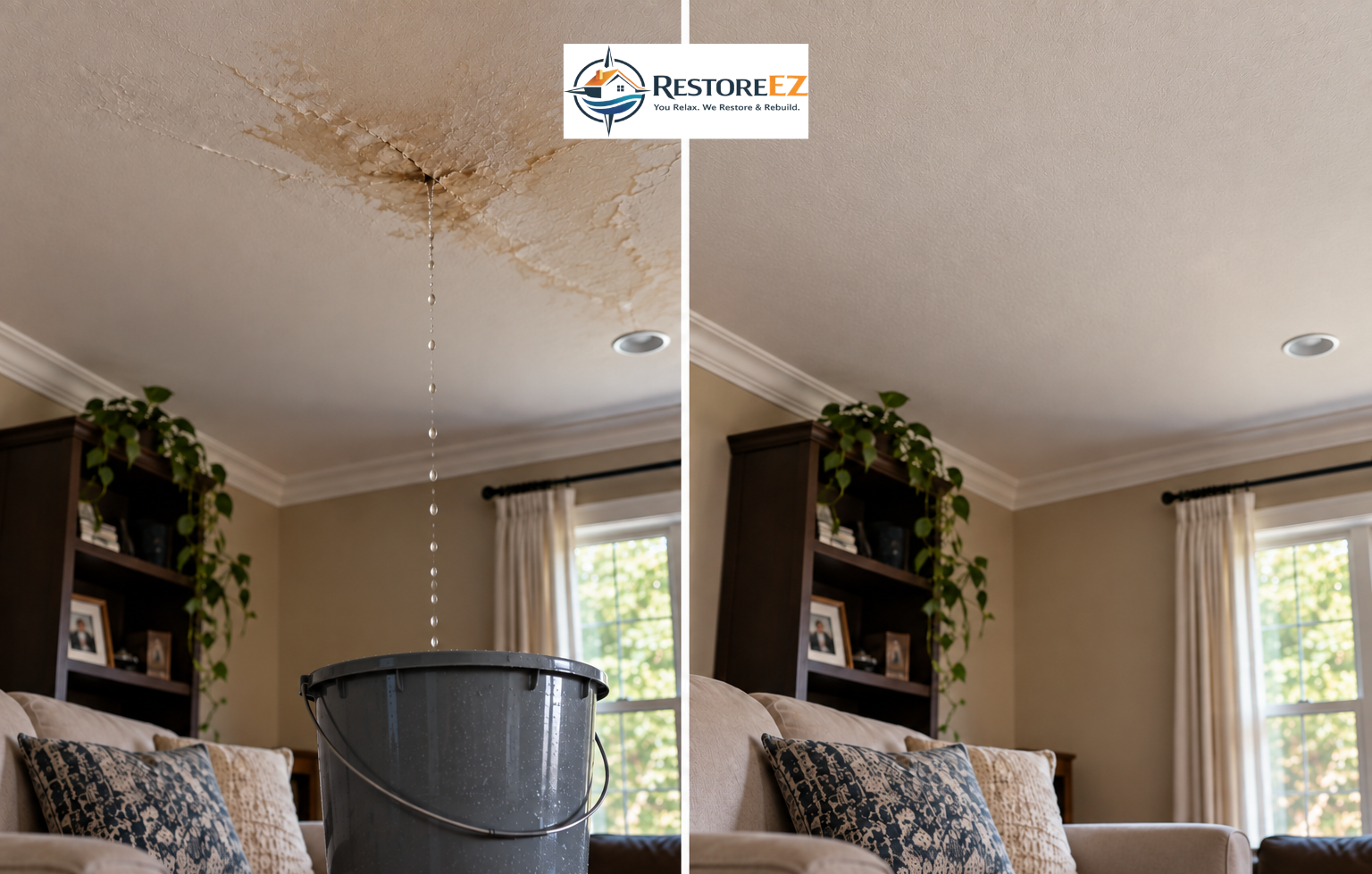
Even after you clear the visible debris, moisture can linger in places like drywall, insulation, and HVAC systems. This hidden moisture can lead to mold growth, wood damage, corrosion, and unpleasant odors. A room might look dry on the surface while deeper layers remain damp for days or even weeks.
Professional remediation isn't just about cleaning up; it’s about preventing further loss. Services like water damage restoration can help remove leftover moisture, and specialized indoor air quality services can detect airborne issues that might persist after the initial cleanup.
The Cost and Disruption of Secondary Damage
Many believe the worst is over once the floors are cleaned and surfaces are disinfected. But secondary damage can be more costly than the initial incident, possibly involving mold remediation, structural repairs, and more. Delaying action can also cause insurance issues if the damage worsens over time.
Think of cleanup as the start of recovery, not the end. Use moisture monitors, keep an eye on humidity, and schedule follow-ups when needed. If smoke or soot was involved, airborne residue is another concern, so check out resources like how soot and smoke affect a home after a fire.
Get Drying Technologies in Place Quickly
Using High-Capacity Dehumidifiers and Air Movers
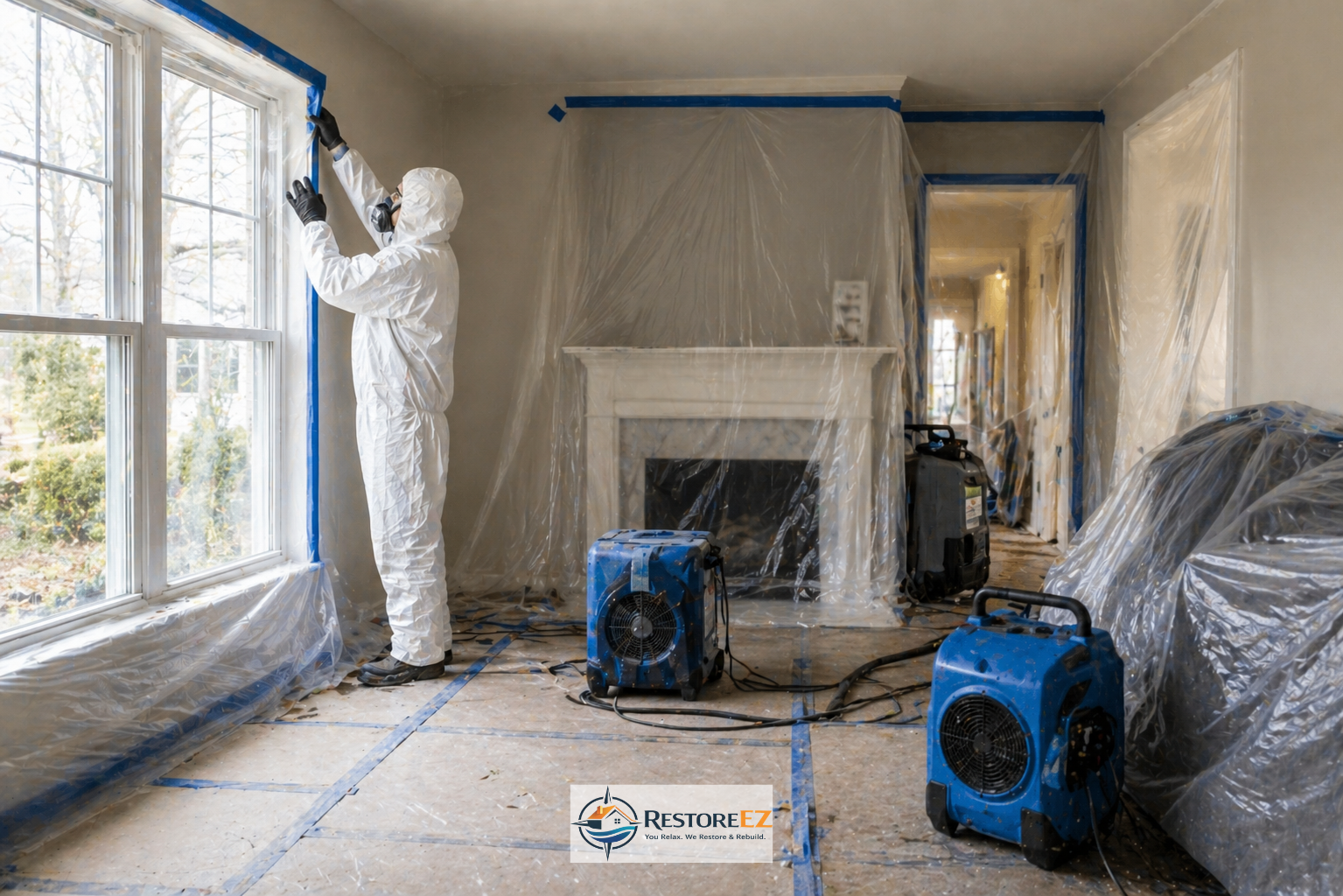
One of the big trends in damage recovery is using advanced drying equipment. Commercial-grade dehumidifiers and air movers can significantly cut down drying time compared to standard household tools. Faster drying reduces the risk of mold spores settling in and helps preserve structural elements that might otherwise weaken.
Effective drying involves strategic placement of equipment and careful airflow management, with daily monitoring. Don’t just rely on a few fans. If water affected walls, flooring, or insulation, you might need professional drying from experts who understand how moisture moves through materials.
Uncover Hidden Problems with Moisture Meters and Sensors
Moisture monitoring is a best practice because it confirms that materials are truly dry. Tools like pin moisture meters and humidity sensors can find damp spots behind walls or under floors. This is crucial in humid areas where even small amounts of moisture can become a big problem over time.
The U.S. Environmental Protection Agency highlights that thorough drying is key to protecting indoor air quality and preventing mold. If moisture levels stay high after cleanup, it's time to get professional help rather than waiting for issues to resolve themselves.
Clean and Disinfect Properly
Different Surfaces, Different Treatments
After cleaning up, hard surfaces should be washed with soap and hot water before disinfection. Not all materials can be cleaned the same way. For example, carpet padding and some drywall might need to be removed if they've absorbed contaminated water, as trying to save them can lead to health issues later.
The American Red Cross advises a cleanup process that includes cleaning, disinfecting, and drying as part of a larger recovery plan. Remember, sanitation alone isn’t enough if moisture remains. Disinfection should go hand in hand with complete drying and checks for hidden contamination.
Eco-Friendly Cleaning Products Are on the Rise
More people are choosing environmentally friendly disinfectants and cleaning agents. These products reduce exposure to harsh chemicals while still sanitizing affected areas, making them popular in homes with kids, pets, or sensitive occupants.
Even with greener products, follow the manufacturer’s instructions and ensure the cleaner is right for the material. Professional teams often choose products based on the type of damage and surfaces involved. This is why specialized mold remediation and air duct cleaning services can be helpful after a cleanup, especially when contaminants may have spread beyond the original site.
Don’t Go Back Until It’s Safe
Check Structural Safety First
Before spending time in a cleaned-up property, inspect the structure for safety. Water can weaken floors and ceilings, while fire may affect wiring and support materials. A home might look stable but still have hidden damage that poses risks.
The Centers for Disease Control and Prevention advises not to return to damaged spaces until they are deemed safe. This is especially important if the property experienced flooding or prolonged humidity. A professional inspection can determine if it’s safe to move back in, continue drying, or start repairs.
Keep Using Protective Gear
Even if a home is mostly cleaned, contamination can linger in dust and surfaces. Anyone entering a damaged area should use personal protective equipment, such as gloves and an N-95 respirator. PPE isn't just for professionals; it protects homeowners retrieving belongings or assessing damage.
If you have asthma, allergies, or a weakened immune system, take extra precautions. The EPA recommends personal protection during flood cleanup, as contaminants in water and structures can irritate lungs and skin. When in doubt, rely on professional teams trained to manage exposure safely.
Prevent Mold Before It Starts
Humidity Control Is Key
Mold prevention is all about controlling moisture. Keep indoor humidity low, run dehumidifiers, and ventilate rooms when you can. In humid climates, consistent indoor conditions can prevent mold from becoming a recurring issue.
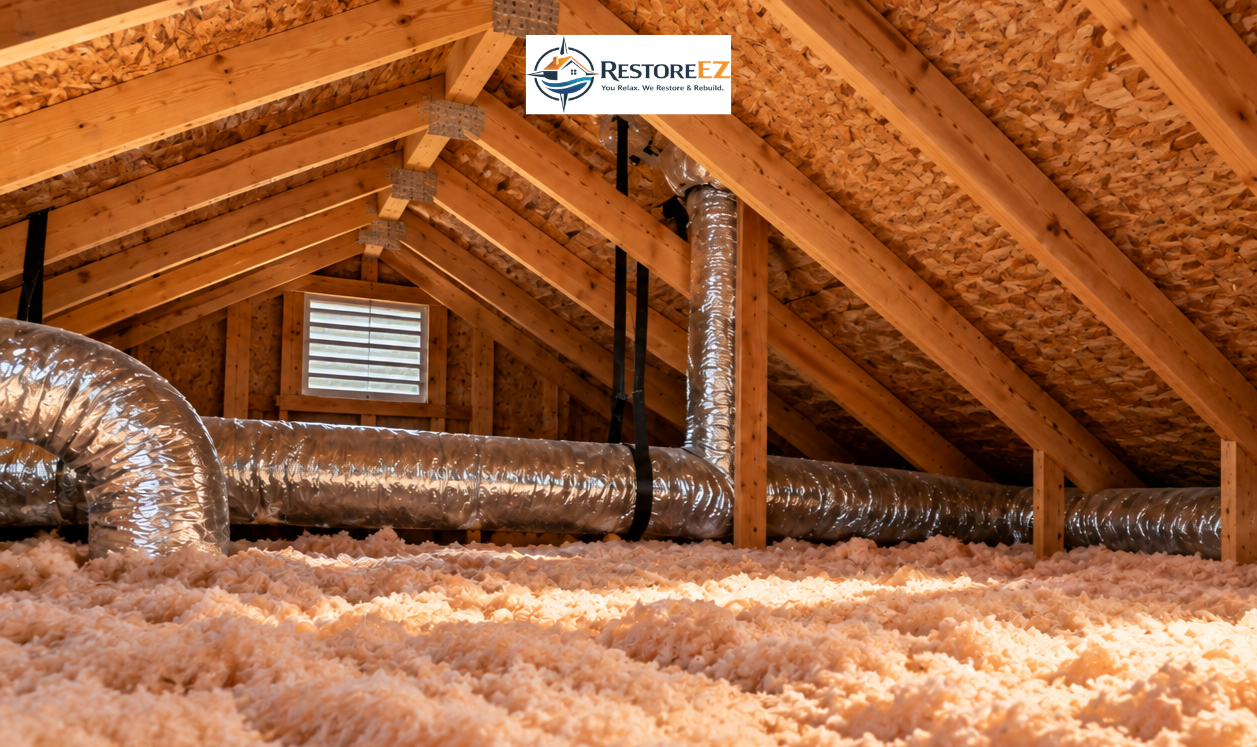
Professional remediation often includes suggestions for long-term humidity management. If your home has attic condensation or poorly sealed ductwork, consider air duct sealing and blown-in attic insulation as part of a broader strategy. These improvements help reduce unwanted air movement that leads to condensation.
Watch Closely in the First 48 Hours
The first two days after cleanup are crucial because mold can start growing quickly. During this time, check surfaces for dampness, smell for musty odors, and look for discoloration. If areas still feel damp, more drying or remediation may be needed.
Homeowners often underestimate how far moisture can spread. Water can travel under floors and into adjacent rooms. A thorough post-cleanup check should include nearby rooms, attics, and HVAC components. A detailed mold inspection can ensure no hidden growth has started in overlooked places.
Keep Indoor Air Quality in Mind
Lingering Airborne Contaminants
Indoor air quality is often overlooked after a disaster. Dust, mold spores, and cleaning residue can affect how safe and comfortable a home feels. Even if surfaces look clean, lingering contaminants can still cause headaches or allergies.
The EPA and health authorities stress that poor indoor air quality can pose health risks, especially after flooding. If your home has lingering odors or respiratory issues, evaluate the ventilation system and consider professional indoor air quality testing. For some, this step is as important as the initial cleanup.
Pay Attention to HVAC Systems
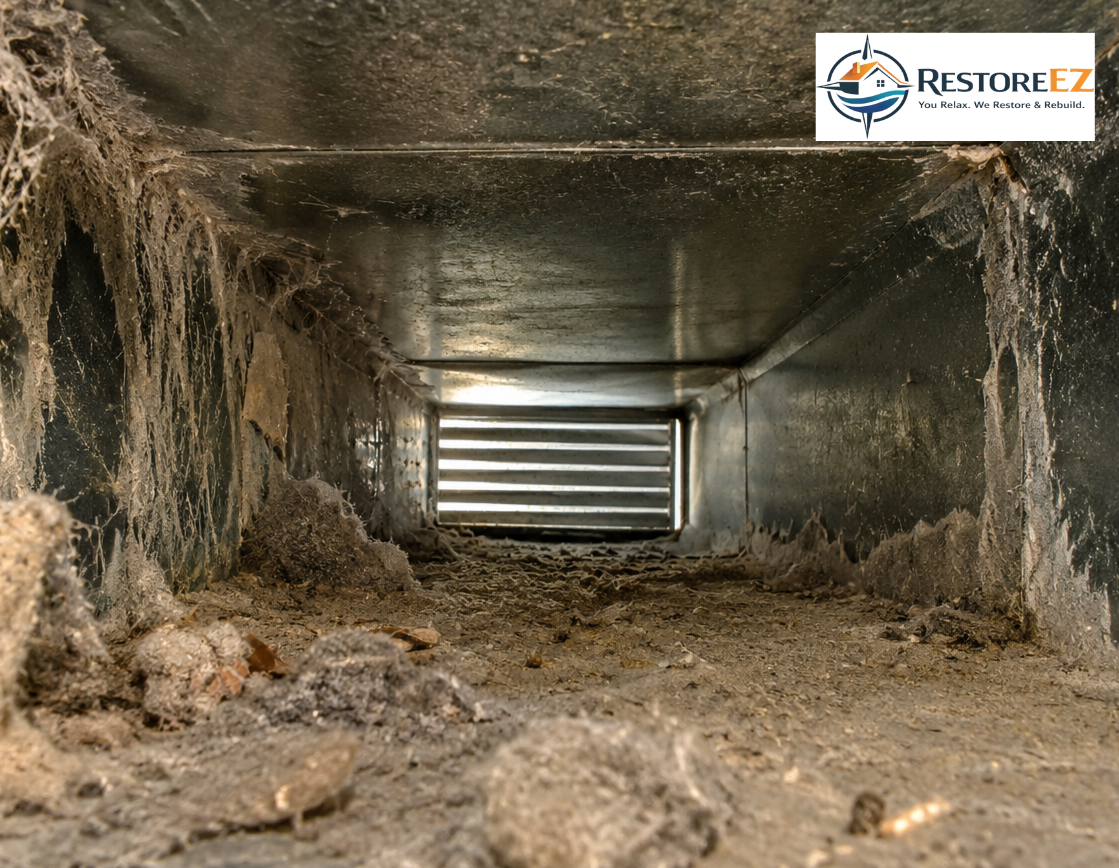
Heating and cooling systems can circulate contaminants throughout a home. Air ducts and vents should be checked and cleaned if there is significant moisture or debris. If contaminated air lingers in the system, the home may feel unhealthy even after other areas are restored.
In homes where vents were exposed to dampness, professional air duct cleaning can help remove debris and improve airflow. If duct leaks are found, air duct sealing may help reduce future dust and moisture intrusion. These steps support recovery and long-term prevention.
Learn from Past Disasters and Local Risks
Lessons from Real Events
During Hurricane Katrina, many homes that weren’t dried quickly developed mold problems. The same happened in the 2017 Houston floods, where delayed drying led to higher costs because mold spread. These events show how post-cleanup care can limit or worsen damage.
The lesson is simple: cleanup isn’t complete until the home is stable, dry, and monitored. This applies to smaller incidents like appliance leaks or roof issues. Even minor water events can cause major problems if humidity stays high or materials aren’t dried properly. In many cases, professional water damage restoration is the most reliable way to prevent further issues.
Coastal Weather Challenges in Tarpon Springs
In Tarpon Springs, FL, homes face hurricanes, storms, and high humidity, all of which can increase hidden moisture risks after cleanup. Homeowners should plan for storm shutters, drainage, and flood barriers before the next weather event threatens their property.
If flooding or wind-driven rain is common in your area, consider flood barriers as part of your plan. Residents looking for more resilience may benefit from local planning and property-specific strategies. Restoreez in Tarpon Springs helps homeowners reduce risks before minor damage becomes major.
Weekly Steps for Homeowners
First 24 Hours: Focus on Safety and Drying
Right after cleanup, prioritize safety, power, moisture removal, and ventilation. Ensure electrical systems are secure and dehumidifiers are working. Keep kids and pets out of compromised areas until they’re assessed.
Document conditions with photos and notes for future repairs or insurance. This is also the time to consider if you need follow-up support from mold remediation specialists.
Days 2 to 7: Monitor and Adjust
Throughout the week, keep an eye on humidity, odors, and vulnerable spots like closets and under sinks. If dampness persists, you may need more drying equipment or targeted demolition. A small missed spot can become a bigger issue later.
Check for any lingering indoor air problems. If symptoms like congestion or irritation continue, the home may still harbor contaminants. A professional evaluation might be more efficient than repeated DIY attempts.
Beyond the First Week: Focus on Prevention
Once the home is stable, think about future prevention. Check caulking, gutters, and plumbing connections. Regularly inspect attic spaces and ducts, replacing weakened materials.
Homeowners wanting to strengthen their property further can explore weatherization options. Check out our weatherization program for efficiency and resilience. The aim is to make your home more resistant to moisture and future issues.
When to Call in the Pros
Signs You Need More Than DIY
Some cleanup jobs are simple, but others aren’t. If the water is contaminated, odors persist, or drywall is swollen, professional help is safest. The same goes for visible mold or structural concerns.
Professionals have the equipment and training to handle extraction, drying, and contamination control. They can spot early warning signs that homeowners might miss. If you need reliable support, working with a team that understands remediation services and indoor air quality is helpful.
Questions to Ask Before Hiring
When choosing a provider, ask how they monitor moisture, what equipment they use, and whether they provide long-term prevention tips. Check their response time and communication, and see if they coordinate with insurance. A good provider will explain the process clearly and help you understand what’s happening in your home.
Confirm their service scope by reviewing fire damage restoration options if smoke or heat affected your property. Handling the situation with one team can save time and reduce confusion.
FAQs About Protecting Your Home After Cleanup
When Is It Safe to Go Back Home?
Re-enter only after the structure is inspected and declared safe. If there’s any doubt about hazards, wait for professional clearance. Safety comes first.
How to Spot Mold Development?
Check for musty odors, damp textures, or respiratory symptoms that worsen indoors. Mold can start within 24 to 48 hours, so even small signs need attention. Schedule an evaluation quickly if you suspect a problem.
Can I handle the cleanup myself?
Small, clean-water incidents might be manageable, but larger or contaminated events often need professional help. If you have health concerns or doubts about structural damage, it’s better to bring in trained help.
What’s the Top Priority After Cleanup?
Thorough drying is key, followed by monitoring humidity and checking for hidden moisture. Focus on prevention once the property is dry.
Protect Your Home for the Long Run
Protecting your home after initial damage cleanup means acting fast and thinking ahead. Dry thoroughly, monitor hidden spaces, disinfect properly, and ensure the air is safe before resuming normal life. If the damage is extensive, don’t hesitate to call a professional team experienced in water, mold, smoke, and air quality issues.
For homeowners in Tarpon Springs and nearby areas, being proactive can turn a manageable repair into a much larger project. Ready to take the next step? Explore water damage restoration, mold remediation, or contact Restoreez at (813) 703-0300 for guidance. Visit Restoreez to learn more and protect your home before minor damage turns major.