How to Spot Hidden Water Damage Behind Your Walls
Hidden water damage can sneak up on you, weakening your home before you even notice a stain or damp spot. If moisture gets trapped behind drywall or paneling, it can start to break down materials, encourage mold growth, and lead to costly repairs. Let’s talk about how to figure out if there's water damage behind your walls, what signs to look for, and when it’s time to call in professional help like water damage restoration or mold inspection.
Acting quickly is important because moisture can spread fast. Experts say mold can start growing just 24 to 48 hours after water exposure. So, even a small leak shouldn’t be ignored. For more information on moisture and mold, the U.S. Environmental Protection Agency and the Centers for Disease Control and Prevention offer useful guidance. In humid places like Florida, keeping an eye on your walls can help protect your home.
Why Hidden Water Damage Is Dangerous
Affects Structure and Health
Water behind walls isn't just a cosmetic problem. Over time, it can soften drywall, rot wood, rust fasteners, and mess with insulation. Once materials soak up moisture, they lose strength and are more prone to further damage during storms or plumbing issues. If you don’t catch it early, repairs can become much bigger and more expensive.
There's also a health aspect. Damp areas can harbor mold and bacteria, which might worsen allergies, asthma, and other respiratory issues. If you're dealing with musty smells or unexplained health symptoms indoors, moisture inside your walls could be the culprit. Pairing indoor air quality improvements with a thorough inspection can make your home safer.
Why Florida Weather Makes Detection Crucial
Coastal and storm-prone areas face heavy rain, humidity, and wind-driven leaks, leading to repeated moisture problems. Even if your walls look fine, a small roof leak or plumbing drip can cause a hidden issue that grows over time. After thunderstorms, hurricanes, or long periods of humidity, pay close attention to potential leaks. Quick action can stop a small leak from turning into a big project.
If you live in a storm-prone area, planning is just as important as emergency cleanup. Check out the Ready.gov flood preparedness guide for practical tips before, during, and after water-related events.
Common Warning Signs of Water Damage Behind Walls
Visual Clues You Shouldn’t Ignore
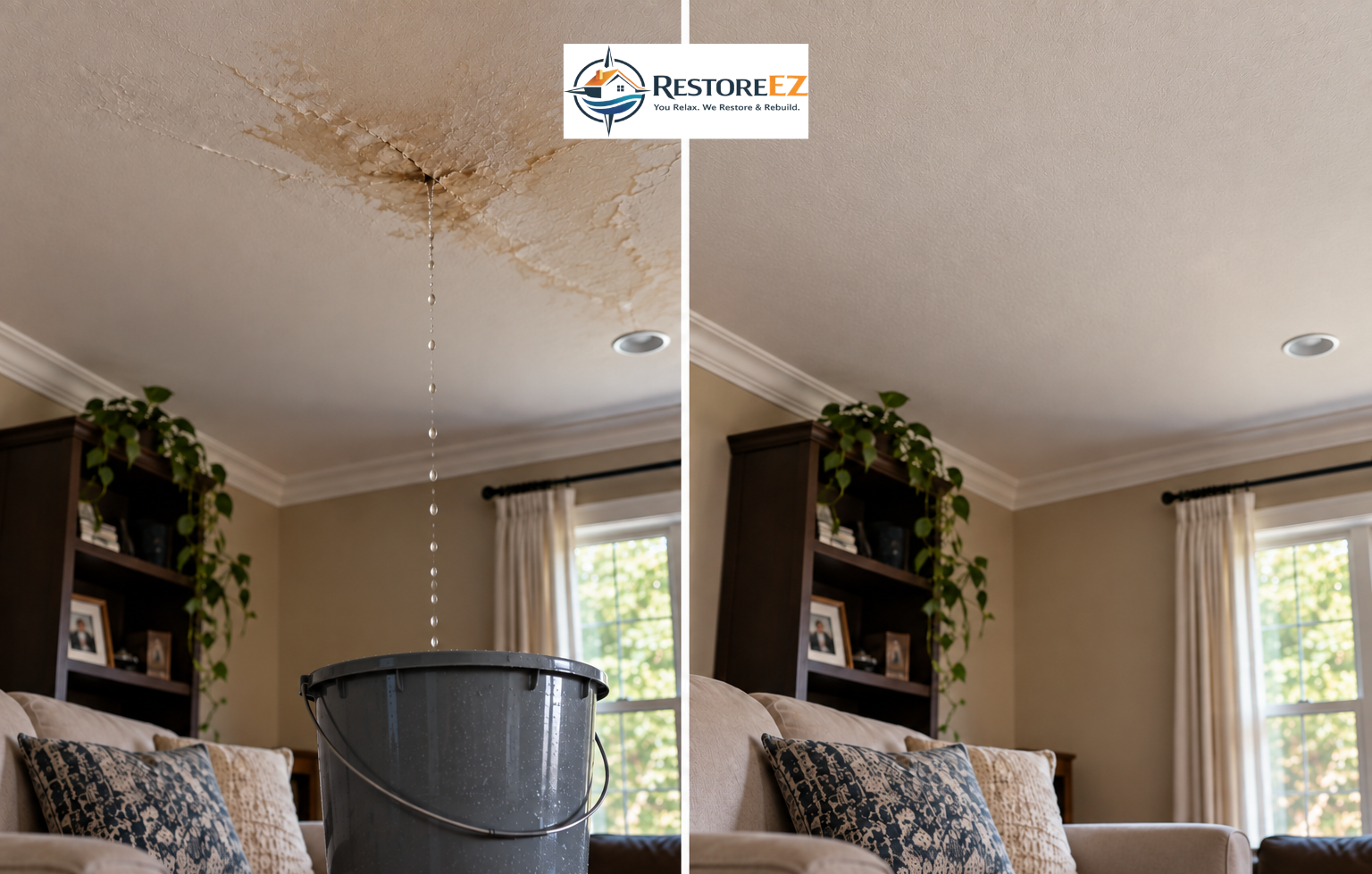
The first signs of hidden water damage often show up on the surface. Watch for discoloration, yellow or brown stains, bubbling paint, peeling wallpaper, warped trim, or soft spots in drywall. You might also see sagging ceilings or walls that feel less solid. These symptoms mean moisture has likely entered the wall cavity.
Another clue is repeated damage in the same area. If paint keeps blistering after repairs, or baseboards swell repeatedly, there’s probably a deeper problem. In homes with older plumbing or roof issues, recurring surface damage often signals the need for a detailed assessment.
Smell and Humidity Changes
Not all water damage is visible. A constant musty smell, especially near bathrooms, laundry areas, or kitchens, might indicate dampness behind walls. You might also notice a room feels more humid than others, even with air conditioning. These changes can appear before the wall looks damaged.
Trust your senses. If a room smells off, feels damp, or seems stuffy, hidden water intrusion might be the cause. A professional indoor air quality evaluation can help figure out if moisture is affecting the space and if mold prevention is needed.
Subtle Physical Changes
Sometimes, clues are subtle, like a cold spot on the wall, a crack that won’t stop widening, or trim that doesn’t sit flush anymore. These changes happen when underlying materials swell or deform. Pay attention to unexplained paint touch-ups that hide issues instead of solving them.
If you suspect a leak but don’t see water, don’t wait for more damage. Investigating early is often cheaper than waiting until the wall starts failing. Hidden moisture rarely improves on its own, and small signs often point to bigger problems underneath.
How Professionals Spot Moisture Behind Walls
Using Moisture Meters
One reliable way to find water behind walls is with a moisture meter. These devices measure moisture content in building materials and help compare suspicious areas to dry ones nearby. A moisture meter can reveal if a wall is holding more water than it should.
This method provides objective data rather than guesswork. If readings are high, professionals can map the problem area and decide if drying, demolition, or mold remediation is needed. This precision helps reduce unnecessary damage to your home.
Thermal Imaging
Infrared cameras are another valuable tool. Moist areas often appear cooler than dry ones because evaporation changes surface temperature. Scanning walls with these cameras helps identify unusual patterns that may indicate trapped moisture without opening the wall.
Thermal imaging doesn’t replace a full assessment, but it’s a great screening tool. When combined with moisture readings, it gives a clearer picture of what’s happening behind the surface, leading to faster answers and a more efficient repair process.
Acoustic and Sensor-based Leak Detection
Technology is changing how leaks are found. Acoustic sensors can listen for sounds of water escaping from pipes, while fiber-optic sensing detects vibrations. In a pilot project involving Openreach and Affinity Water, the system identified and repaired over 100 leaks in three months, saving millions of liters of water daily. For more on this topic, check out a research paper on acoustic leak detection.
DIY Checks for Damage
Start with a Room-by-Room Inspection
Before calling a professional, slowly walk through your home and examine walls, ceilings, and baseboards. Check around windows, sinks, toilets, showers, laundry areas, and exterior walls, as these are common spots for leaks. Note any stains, bubbling paint, soft drywall, or unusual smells.
Try to determine if the problem is localized or widespread. A single stain may point to one leak source, while multiple affected walls could indicate plumbing or roof issues. Detailed observations will help a restoration specialist diagnose the problem more quickly.
Listen, Touch, and Compare Surfaces
Gently press suspicious areas to see if the wall feels soft or unstable. Tap different parts of the wall and listen for hollow sounds or changes in density, which suggest damaged drywall. If one section feels different from the rest, moisture may have collected there.
Compare the temperature and texture of wall sections. A damp wall may feel cooler or tacky, especially in air-conditioned rooms. These aren’t definitive tests, but they help identify areas needing closer attention.
Track Your Water Bill and Plumbing
Unexpected water bill spikes may signal a leak inside a wall. If your bill rises without any change in your household habits, there could be a plumbing issue. Other signs include hearing water running with no fixtures on, inconsistent pressure, or recurring pipe problems.
Turn off all water fixtures and check if the meter still moves. If it does, water may be escaping somewhere in the system. This is a clear reason to schedule a professional inspection before damage becomes widespread.
When Mold Becomes an Issue
Mold Starts Fast and Spreads Silently
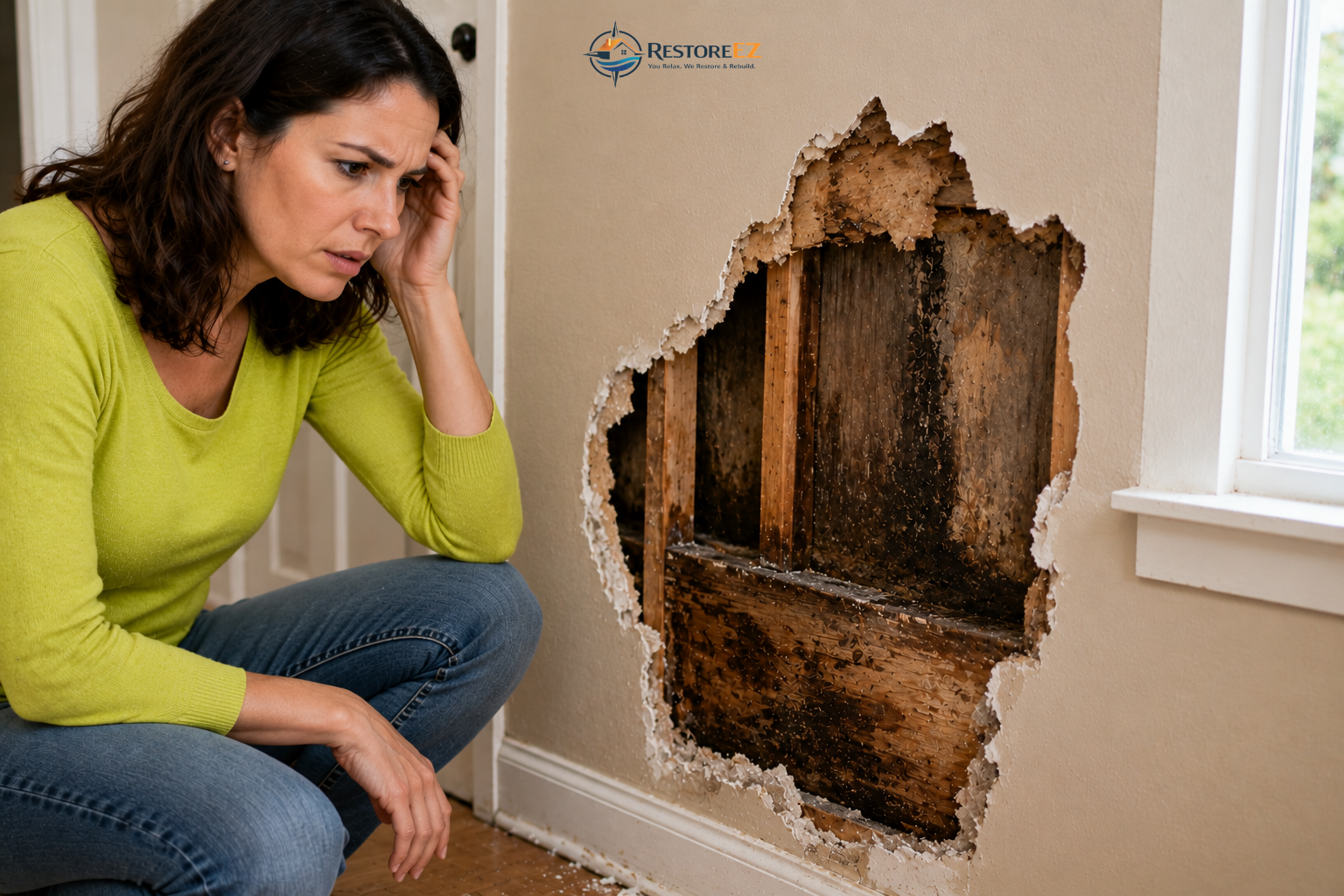
Once water enters a wall cavity, mold can develop quickly if conditions stay damp. Musty odors and new stains shouldn’t be ignored. Even if the surface seems manageable, mold can grow inside the wall, continuing to spread until the source is fixed.
If you see mold, don’t just paint over it. Covering the issue doesn’t remove moisture or contamination. A thorough mold inspection is often the safest next step, especially if the area is large or if anyone at home has respiratory issues.
Why DIY Cleanup Isn’t Enough
Small surface spots might seem manageable, but hidden moisture creates a bigger challenge. If the wall cavity, insulation, or framing has been wet, the problem may extend beyond what you see. Cleaning the surface without drying the structure can let mold return quickly.
That’s why professional evaluation is important. Restoration specialists use drying equipment and safety procedures to address both visible damage and hidden causes. If contamination is extensive, professional mold remediation can help protect the structure and its occupants.
Health Symptoms as a Warning
Sometimes, the first sign of hidden mold is how people feel at home. Persistent coughing, sneezing, watery eyes, headaches, or worsened asthma can suggest moisture-related indoor air quality issues. While these symptoms don’t always mean mold, they’re important to investigate, especially if paired with wall discoloration or damp odors.
Because children, older adults, and people with respiratory conditions may be more sensitive, acting early is wise. Controlling moisture is key to a healthier home, and that often starts with identifying hidden water damage before it becomes a bigger health concern.
What a Professional Restoration Assessment Includes
Inspection and Source Tracing
A professional assessment usually begins with inspecting the affected area and searching for the moisture source. The technician may check plumbing lines, roofing, windows, appliances, or drainage issues. Identifying the source is crucial because drying the wall without fixing the leak only solves part of the problem.
Documentation is also important, especially for insurance claims. Photos, moisture readings, and a clear summary can help explain the extent of the damage. If needed, water damage restoration professionals can create a clear plan for repair and prevention.
Drying and Containment
Once confirmed, restoration may involve air movers, dehumidifiers, and strategic removal of damaged materials. Sometimes, only a small section of drywall needs to be opened. In other cases, insulation or framing may also need attention. The goal is to remove unsalvageable material while preserving as much of the home as possible.
Containment might be used if mold is suspected or if demolition could spread contaminated dust. This approach helps protect nearby rooms and keeps cleanup efficient, especially when wall damage is near living areas or HVAC pathways.
Protecting Long-term Structural Integrity
Professionals do more than dry the area; they help prevent future issues. By repairing the source, drying the structure, and checking for secondary damage, they reduce the chance of rot, rust, and hidden growth. This protection matters because structural integrity keeps your home safe over time.
To stay ahead of future problems, make your property less vulnerable. Services like air duct sealing and flood barriers support a more resilient home by reducing moisture entry points and improving building performance.
Real-Life Example: Early Detection Saves Money
A Small Stain That Revealed a Major Leak
Think about a homeowner who spots a faint stain near a bathroom wall after a storm. At first, it seems minor, so they paint over it. Within weeks, the stain returns, paint bubbles again, and a musty smell appears. A moisture meter then shows significant water in the wall cavity, likely from a leak around the tub or exterior.
By catching the issue early, the homeowner avoids a larger repair bill that could have included drywall removal, mold treatment, and framing replacement. This scenario is common because many wall leaks start small and become serious when ignored.
How Fast Action Prevents a Domino Effect
When moisture stays trapped, problems multiply. Wet insulation loses effectiveness, wood decays, and mold spreads to adjacent spaces. If the wall is near a vent, contaminated air might move through the duct system. That’s why acting fast is valuable.
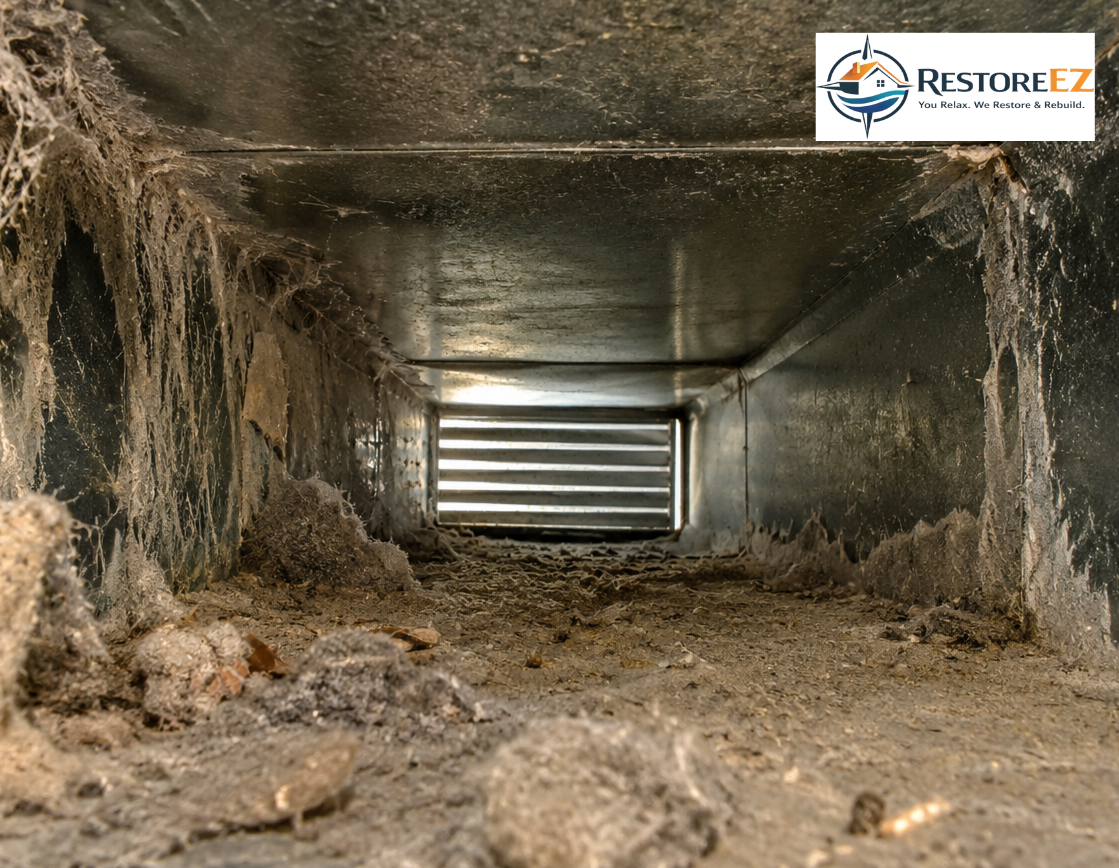
Sometimes, a restoration team may recommend air duct cleaning after a water event if dust, mold spores, or debris have entered the HVAC system. Taking a whole-home view helps prevent a hidden leak from affecting more than just one wall.
FAQs About Water Damage Behind Walls
Can I Detect Hidden Water Damage Without Opening the Wall?
Yes, you can often spot warning signs without cutting into the wall. Look for stains, odors, swelling, humidity changes, and water bill spikes. However, visual inspection alone may not show the full extent of damage, so moisture meters and thermal imaging are often needed for a reliable answer.
Is It Safe to Repaint Over a Damaged Wall?
Repainting can improve appearance temporarily, but it doesn’t fix the underlying moisture problem. If water is still present, the damage usually returns, and mold may keep developing behind the surface. It’s better to find the source first and make sure the area is dry before repainting.
Should I Call a Professional Right Away?
If the damage is spreading, the wall feels soft, or you notice mold or a strong musty odor, professional help is the safest choice. The same goes if the leak source is unclear or if the area is near electrical wiring. A prompt inspection can reduce both health risks and repair costs.
Protect Your Home Before Small Leaks Become Big Repairs
Make Monitoring Part of Your Routine
Hidden water damage is easiest to manage when caught early. Regular checks, especially after storms, and attention to plumbing and humidity can make a big difference. If you live in a high-humidity area or have had leaks before, being proactive is important.
Homeowners in Tarpon Springs should be especially mindful after severe weather. For local support, Restoreez provides professional water damage restoration, mold inspection, and mold remediation services to help protect your home, comfort, and property value.
Know When to Get Help
If you suspect water damage behind your walls, don’t wait for things to get worse. A trained restoration team can determine if the problem is active, how far it’s spread, and what repairs are needed to restore safe conditions. Quick action often makes the difference between a manageable fix and a major renovation.
For trusted help, contact Restoreez at (813) 703-0300 or visit restoreez.com to learn more about our emergency response and restoration services. The sooner hidden moisture is identified, the sooner your home can be protected from mold, structural damage, and unnecessary expense.