How to Reduce the Risk of Future Water Damage in Your Home
Water damage can really disrupt your life. It often begins as a tiny problem that gets out of hand, leading to costly repairs. The silver lining? You can avoid most of it with regular upkeep, smart upgrades, and quick action when you spot warning signs. This guide will walk you through practical steps to protect your home and make informed decisions before leaks become major headaches. If you’re thinking about professional help, services like water damage restoration and flood barriers add a layer of protection when prevention isn't enough.
The Insurance Information Institute notes that water damage and freezing are big reasons for insurance claims, showing just how common and pricey these issues can be. That's why prevention is so crucial: smart habits can keep your home's structure, belongings, and air quality safe. If you live in a moisture-heavy area like coastal Florida, managing these risks is even more critical due to storms, humidity, and drainage problems. Investing in prevention now usually means fewer emergencies later.
Why Water Damage Prevention Should Be a Priority
Small leaks become expensive fast.
Many serious water damage problems start with things like a loose seal, a clogged gutter, a slow plumbing leak, or a cracked foundation line. These might seem minor, but moisture can quickly spread into walls, insulation, flooring, and framing. If it stays damp, you might also face mold, bad smells, and structural damage. Acting early can mean the difference between a quick fix and a full-blown recovery project.
Moisture can threaten the entire home environment.
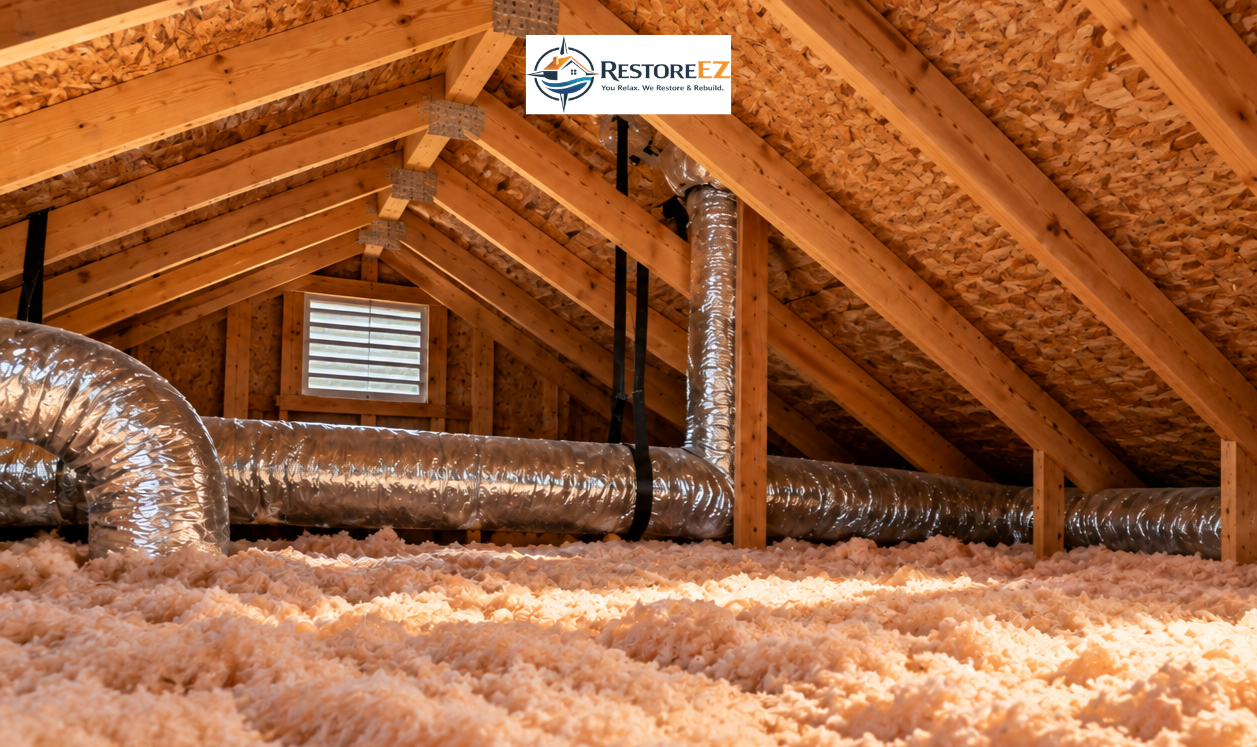
Water doesn't just mess up what you can see. It can also sneak into hidden places like wall cavities, crawl spaces, and attics, staying unnoticed for weeks. If these areas remain wet, you might see poor indoor air quality, hidden mold, and even long-term structural issues. That’s why homeowners often pair prevention with services like mold inspection and indoor air quality checks after a leak or flood.
Prevention is usually less costly than restoration.
Tasks like cleaning gutters, checking hoses, and sealing cracks cost much less than replacing damaged drywall or flooring. Even a small leak can lead to big expenses if ignored. Prevention also reduces the chances of needing emergency water extraction, drying, or mold remediation later. Every hour spent inspecting and maintaining your home can save you many hours of cleanup and repair down the road.
Modern Technology That Helps Prevent Water Damage
Water leak detection systems offer real-time alerts.
One of the biggest new trends in home protection is smart leak detection systems. These devices keep an eye out for water and unusual patterns, alerting you immediately so you can act fast. Some are placed near sinks, water heaters, washing machines, or HVAC units, while others monitor your entire home's plumbing. Advice from sources like Chubb shows how useful these tools can be for early intervention.
Automatic shut-off valves can stop a disaster in progress.
Shut-off technology takes it a step further by cutting water flow when a leak is detected or unusual use is noted. This is handy if a pipe bursts while you're away or if a hidden leak starts behind a wall. In the best cases, this can prevent a large-scale loss entirely. At the very least, it limits water entering your home, giving you time to call in professionals.
Smart systems work best when combined with maintenance.
While technology is powerful, it shouldn't replace regular inspections. A sensor might alert you to water, but it won't stop a deteriorating roof or a clogged drain. The best approach is to combine smart tech with regular checks, seasonal maintenance, and professional help when needed. If you're looking to modernize your home's defenses, pairing technology with smart thermostat solutions can also help manage humidity and cut down conditions that support mold after a leak.
Routine Home Maintenance That Prevents Leaks
Roof and gutter care should never be skipped.
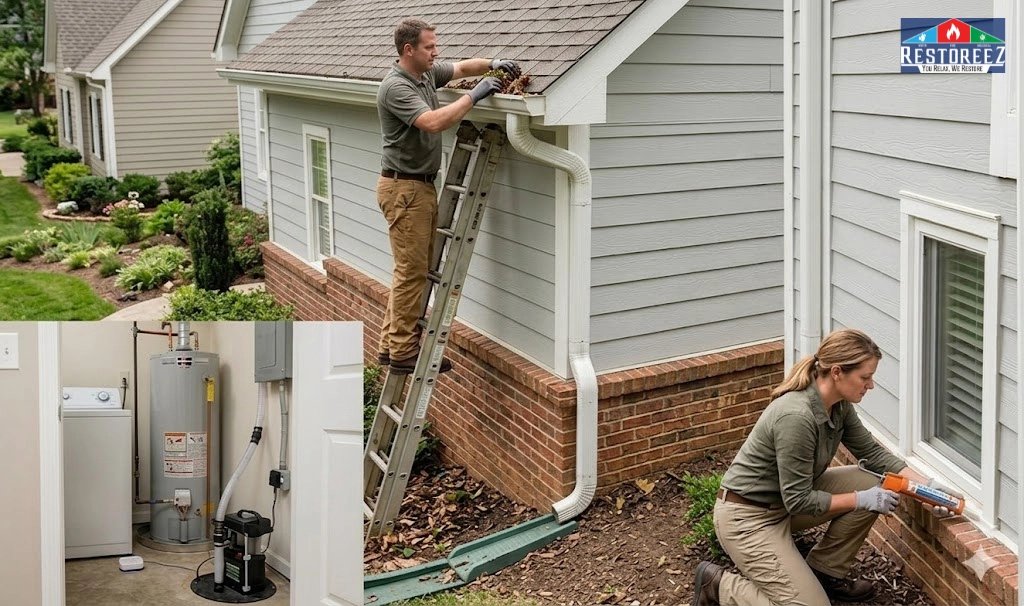
Your roof is your first defense against water, and gutters help direct rain away from your foundation. When gutters get clogged, water can overflow and pool around your home, increasing the risk of leaks and foundation stress. Experts suggest regular gutter and downspout cleaning, especially after storms or heavy debris. Reliable advice from Forbes also highlights roof and gutter maintenance as a core prevention strategy.
Inspect plumbing before it becomes a problem.
Plumbing failures often start with corrosion, aging supply lines, worn seals, or loose connections. Check under sinks, behind toilets, around appliances, and near water heaters for moisture or mineral buildup. A slow drip might not seem serious, but over time, it can rot cabinetry, damage flooring, and feed hidden mold. If you're worried about plumbing issues, a specialist can help pinpoint the source before it spreads.
Watch appliances and fixtures closely.
Pay extra attention to washing machines, dishwashers, fridges with ice makers, and water heaters as they use supply lines that can fail unexpectedly. Rubber hoses can weaken over time, and fittings can loosen with vibration or age. Switching out old hoses for braided stainless-steel versions and checking appliance pans can significantly cut down risks. Simple checks may seem minor, but they can prevent some of the most disruptive losses homeowners face.
Foundation, Basement, and Exterior Protection
Seal cracks before groundwater enters.
Even tiny foundation cracks can let groundwater seep into basements or crawl spaces during storms or heavy rain. Once inside, water can damage flooring, support materials, stored items, and anything else kept low to the ground. Sealing your foundation is key to long-term prevention, particularly in flood-prone areas. Advice from Economical underscores the importance of sealing visible vulnerabilities before they become larger leak paths.
Improve grading and drainage around the home.
Water should flow away from your house, not toward it. If your soil slopes towards your home, rainwater might collect near the foundation, increasing seepage risks. French drains, extended downspouts, and properly directed surface runoff can all help. Often, the best fix isn't dramatic—it's just making sure water has a clear path away from your home.
Protect vulnerable openings
Doors, windows, vents, and utility penetrations are weak points if not well sealed. Caulking gaps, replacing worn weatherstripping, and maintaining flashing can make a big difference during storm season. If your home has recurring issues, exterior waterproofing improvements might be necessary. Planning with mold remediation can be helpful since moisture damage often comes with microbial concerns.
How to Detect Hidden Water Problems Early
Monitor water bills for unusual changes.
An unexpected rise in your water bill can be an early sign of a hidden leak. Even if no puddles are visible, continuous water loss might indicate a problem in a pipe, fixture, or appliance line. Comparing monthly usage can help you spot patterns before the issue gets serious. If you see a sudden increase with no clear reason, it’s wise to check your home immediately or bring in a professional.
Look in low-visibility spaces regularly.
Hidden water damage often starts under sinks, behind toilets, inside cabinets, or around laundry connections. These areas are easy to overlook as they're not part of your daily routine. Make it a habit to check for discoloration, warped materials, musty odors, soft flooring, or rust on hardware. A quick monthly inspection can catch developing issues while repairs are still manageable.
Use humidity and odor as warning signs.
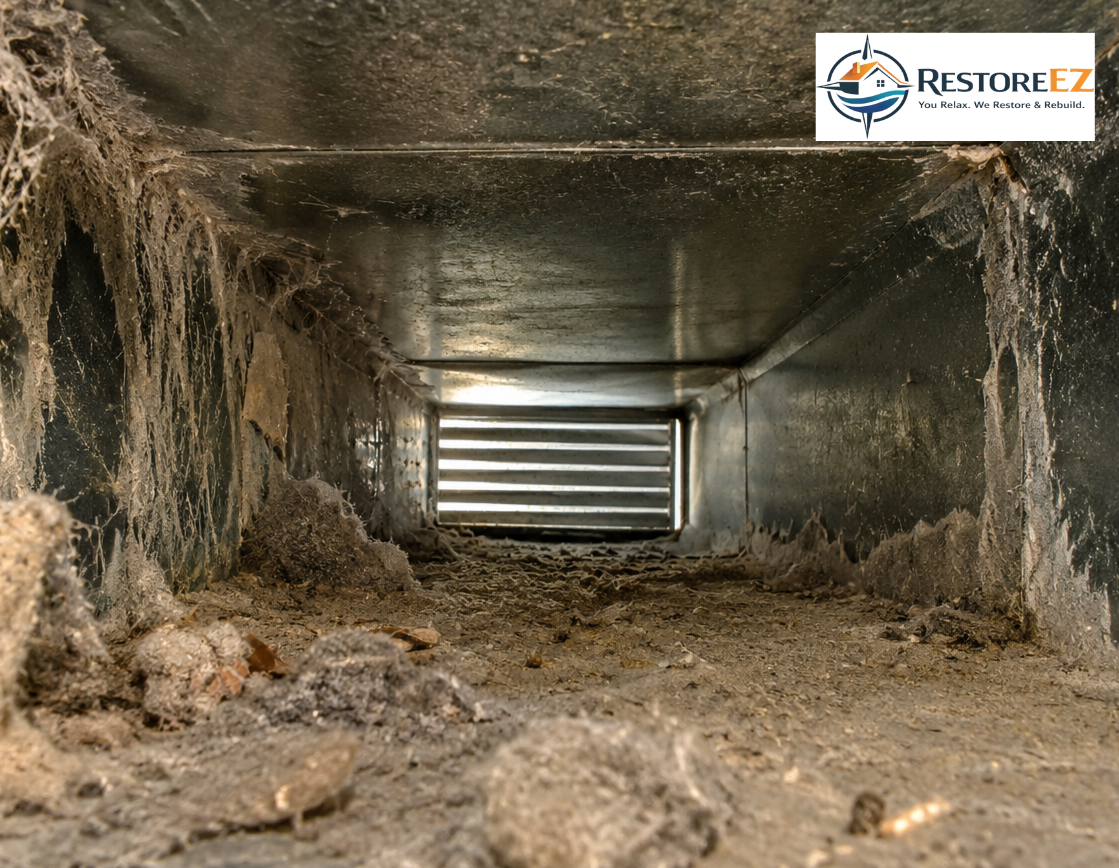
Persistent humidity, condensation, or a damp smell can point to trapped moisture even if there's no standing water. This is crucial in attics, basements, and utility rooms where airflow might be limited. If you notice recurring dampness, it might be tied to ventilation problems, roof leaks, or plumbing failures. For deeper issues, services like air duct cleaning and air duct sealing can support healthier airflow and reduce moisture complications.
Flood Readiness for Storm-Prone and Coastal Areas
Prepare before hurricane season arrives.
Homes in coastal areas face more exposure to wind-driven rain, storm surge, and flooding. The best time to prepare is before severe weather hits. Review emergency plans, find shut-off valves, store important documents safely, and have sandbags or other protective supplies ready. The University of Nebraska–Lincoln Extension offers practical flood-prevention tips in its flood and water damage prevention tips, stressing preparation before a storm.
Elevate critical systems where possible.
In flood-prone homes, utilities and essential equipment should be as safe as possible. Elevating electrical components, water heaters, and other vulnerable systems may lower the chance of serious damage during high-water events. While it might not prevent every incident, it can cut recovery costs and speed up returning to normal. For folks in Tarpon Springs and similar areas, flood planning is practical, not just seasonal.
Use barriers and backups strategically.
Temporary flood barriers, sump pump backups, and backflow prevention devices can all help reduce water intrusion when used correctly. These measures are especially useful during heavy rain when drainage systems are overwhelmed. Choose them based on your home's layout and risk nature. The goal is to create layers of defense so one failure doesn't lead to a total loss.
A Real-World Example: What One Homeowner Learned
Clogged gutters led to roof leaks.
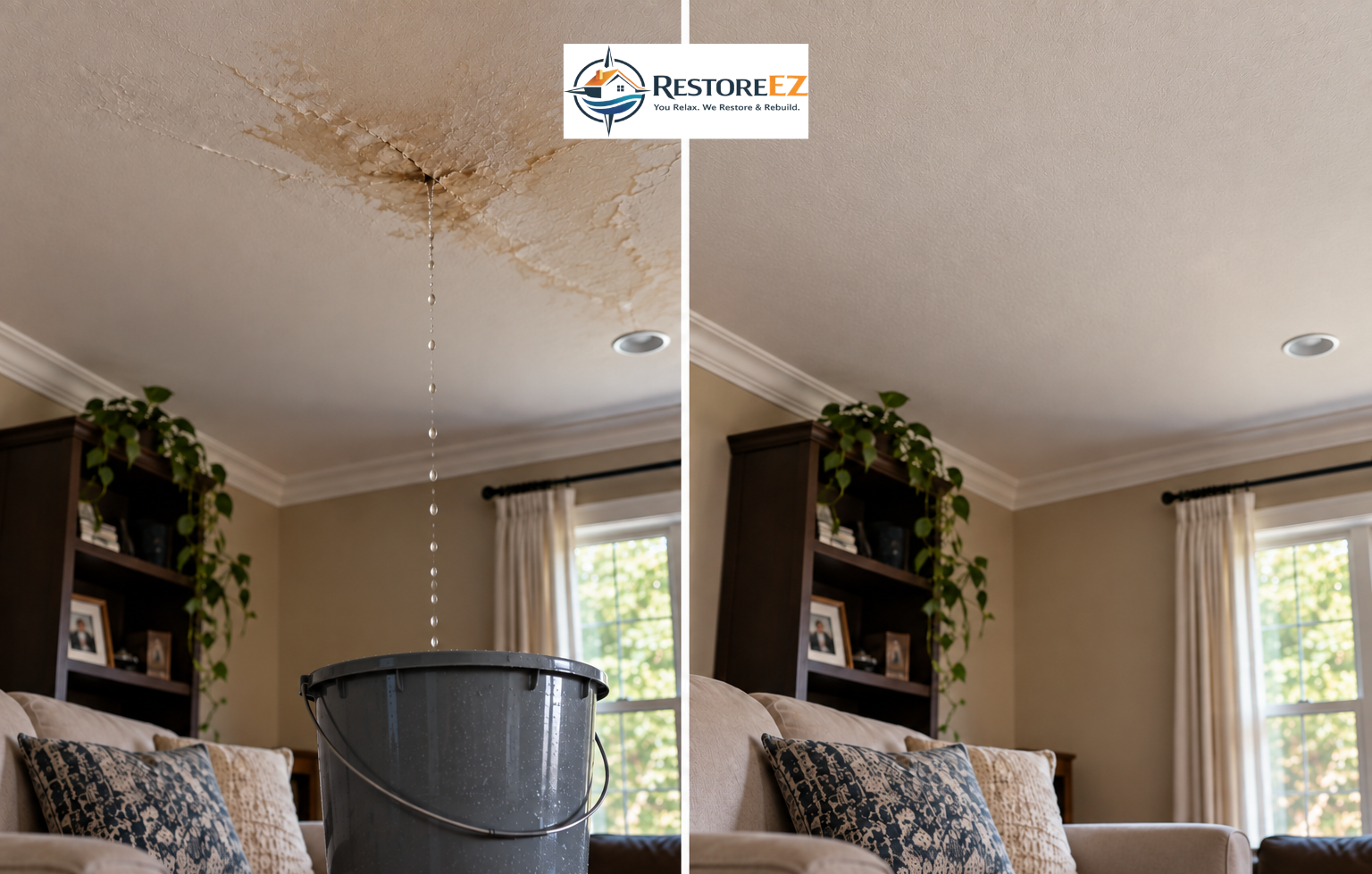
A homeowner in Tarpon Springs learned the hard way after ignoring clogged gutters for multiple seasons, leading to repeated roof leaks. Rainwater overflowed the drainage system and found its way under roofing materials, causing hidden moisture in the attic and ceiling stains inside the home. By the time the problem was recognized, the solution involved more than just gutter cleaning. It required structural drying, inspection, and further repairs because the moisture had spread beyond the visible leak area.
Prevention steps changed the outcome.
After the incident, the homeowner took a more proactive approach. Regular gutter maintenance became part of the seasonal home checklist, and a water leak detection system was installed near vulnerable areas. They also arranged for roof and attic inspections to catch small issues early. This mix of maintenance and technology dramatically lowered the risk of a repeat event.
Lessons every homeowner can apply
This example shows that homes rarely fail all at once. They usually give warnings first, and those are easy to miss if maintenance is delayed. A solid prevention plan doesn't need to be complicated; it just needs to be consistent. The more disciplined your maintenance schedule, the lower the chance that a small issue becomes a major loss.
When Professional Help Makes the Biggest Difference
Inspection and response after a leak
If your home has had water exposure, the next crucial step is to find the source and stop it quickly. Professionals can check if water has reached behind walls, under flooring, or into insulation, where damage might not be obvious. Fast action matters because prolonged moisture increases the likelihood of mold and material breakdown. That’s why many homeowners call for water damage restoration as soon as they discover active leakage or floodwater.
Mold concerns should not be ignored.
After any significant moisture event, mold can develop quickly, sometimes in just 24 to 48 hours. This timeline makes prompt drying and inspection essential. If your home has a history of leaks or high indoor humidity, a professional can evaluate whether mold inspection or remediation is needed. For homes already showing signs like odor, discoloration, or allergy symptoms, a targeted service such as mold inspection can provide clarity and help prevent larger issues later.
Restoration services help protect long-term value.
Professional restoration isn't just about cleaning up visible water. It's about preserving the home's structure, safety, and long-term resale value. Specialized teams use extraction equipment, drying systems, and moisture monitoring tools to ensure hidden areas are addressed properly. When future protection is the goal, working with an experienced remediation provider can save time, money, and stress.
Building a Practical Water Damage Prevention Checklist
Monthly and seasonal tasks
A simple checklist can make prevention easier year-round. Monthly tasks should include checking under sinks, inspecting appliance lines, reviewing humidity levels, and looking for stains or odors. Seasonal tasks should include gutter cleaning, roof inspections, exterior caulking, and testing water alarms or shut-off devices. Keeping the checklist visible makes it more likely these small jobs actually happen.
What to do after heavy rain or storms
After severe weather, do a full walk-through of your property. Check the attic, basement, exterior walls, doors, windows, and utility areas for moisture. If you notice damp drywall, warped trim, or standing water, document the issue and respond quickly. Sometimes, the damage may already be beyond a simple cleanup, especially if water has been present for several hours.
Keep emergency contacts ready.
Prevention is stronger with a response plan. Know where the main water shut-off valve is and keep contact information for restoration help handy. If you want a dependable local resource, you can also check out Restoreez in Tarpon Springs for emergency support and preventive guidance. Having this info ready can shorten response time during a stressful event.
Final Thoughts: A Safer Home Starts with Prevention
Reducing the risk of future water damage isn't about one big fix. It's about layering smart technology, regular maintenance, drainage improvements, and quick action when warning signs appear. Homeowners who catch small problems early usually avoid major losses. By staying consistent, you give your home a better chance against storms, plumbing failures, and everyday wear.
If you've already had a leak, flood, or hidden moisture issue, don’t wait for it to happen again. Professional help can find the source, cut future risk, and restore your home more completely. Explore our water damage restoration, flood barriers, and mold remediation services to build a stronger defense for your property. If you need help now, contact Restoreez at (813) 703-0300 or visit 777 Wesley Ave, Tarpon Springs, FL 34689 for trusted remediation services and practical prevention support.
Call to action: Don’t wait for the next leak to reveal a weak spot in your home. Start with a simple inspection today, fix the small issues first, and reach out for professional support when needed.