When property damage hits, every second counts. Whether it's a burst pipe, a kitchen fire, hidden mold, or storm flooding, reacting quickly can make all the difference in how much damage happens and how much it costs to fix. Speed is crucial in dealing with these issues because water, smoke, and moisture can spread fast through walls and air systems. If you delay, a simple cleanup can turn into a major restoration project.
In Florida, quick action is even more vital because humidity and storms can make things worse quickly. Acting fast protects your property, reduces health risks, and keeps things closer to how they were. If you need help with water damage restoration or a recovery plan after a fire, moving quickly is your top priority. The Federal Emergency Management Agency also emphasizes how important it is to stabilize things quickly after disasters.
Here, we'll talk about why a fast response matters in property restoration, what happens if you wait, how the industry is changing, and what you should expect from a professional team. We'll also share steps you can take right away and how a quick-moving restoration partner can help minimize damage from day one.
Why Fast Response Time Changes the Outcome
Damage spreads faster than most people expect
Many people believe a small leak or light smoke event can wait until tomorrow. But damage can expand fast. Water can sneak behind walls, under floors, and into insulation within hours. Smoke can settle deep into materials, and soot can stain surfaces quickly. Mold can start growing if moisture sticks around long enough.
This is why emergency response is crucial in remediation. The sooner the affected area gets assessed and stabilized, the better the chance of containing the damage. Quick action often means less demolition and lowers the risk of long-term structural or air quality issues. If there's hidden contamination, an early mold inspection can catch problems before they worsen.
Fast action reduces the total cost of restoration.
Waiting usually means higher costs. A leaking appliance fixed right away might just need drying and minor repairs. Leave it overnight, and you may face warped floors, ruined drywall, mold, and damaged belongings. The cost difference can be significant as issues grow.
Research shows that early intervention lowers the chance of secondary damage. This is especially true in humid climates where things dry slowly without the right equipment. Acting fast gives you a better shot at saving drywall, floors, cabinets, furniture, and even the structure itself. A team experienced in mold remediation can prevent a small moisture issue from turning into something much bigger and more costly.
Current Trends in the Property Restoration Industry
Technology is improving response speed.
A big development in restoration is the use of cloud-based project management and communication tools. About 65% of restoration companies now use this software to improve coordination and speed up operations. This means faster dispatch, better job tracking, and real-time updates, helping teams arrive sooner and work more efficiently.
Technology also aids in reporting and insurance coordination. Digital photos, moisture readings, and job notes can be shared quickly, cutting down delays and confusion. For property owners, this means less waiting and a smoother process from the emergency call to the final walkthrough. It also simplifies managing related services like fire damage restoration when the project involves multiple types of damage.
24/7 availability has become the standard
Today’s customers expect immediate help anytime, and many companies now operate around the clock to meet that need. Disasters don't follow business hours. A pipe can burst at 2 a.m., a storm can hit on a weekend, and an electrical fire can happen during a holiday.
Round-the-clock availability is essential for minimizing loss. The faster a crew is dispatched, the sooner they can stop damage and begin recovery. In storm-prone areas, this can mean the difference between a small incident and widespread loss. Emergency readiness is key to modern restoration, and flood barriers and other preventative measures are now part of property protection planning.
What Happens When Response Time Is Delayed
Structural damage becomes more severe.
If water, smoke, or fire residues sit too long, building materials start to break down. Drywall can swell and crumble. Wood can warp, swell, or rot. Metal can corrode. Even if a property seems stable, hidden damage could be developing inside the walls or under the floors. Rapid assessment is crucial.
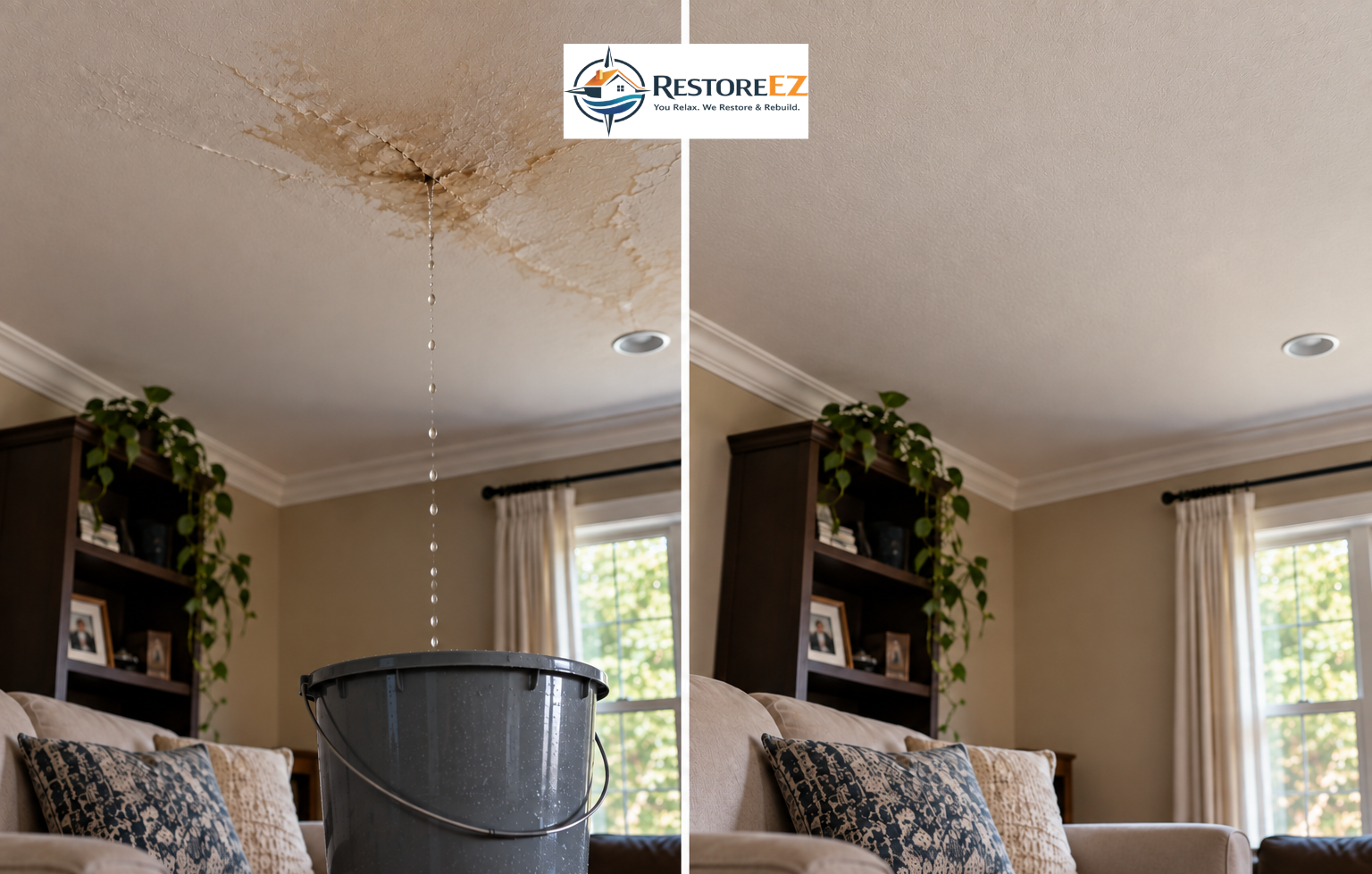
Often, the visible problem is just a fraction of the actual loss. A small roof leak might seem to affect only one ceiling section, but the insulation and framing underneath could be compromised. The longer the issue lingers, the more likely you'll need extensive reconstruction instead of simple drying or cleaning.
Mold growth can start quickly in the right conditions
Mold is a clear reason why fast response matters. Moisture creates the perfect environment for mold to grow, and Florida’s warm, humid climate speeds up the process. According to industry research, about 70% of water-damaged properties may develop mold if not addressed within 48 hours. This makes the first two days after water intrusion critical.
The U.S. Environmental Protection Agency suggests drying wet areas quickly and removing standing water as soon as possible. If you suspect hidden contamination, professional mold inspection and air-quality checks can help decide the next steps before the problem spreads. Quick action can sometimes prevent the need for more invasive remediation later.
Health and indoor air quality concerns increase.
Fast response matters because property damage can impact health. Smoke residue, mold spores, bacterial contamination from floodwater, and airborne dust all harm indoor air quality. These conditions can worsen allergies, asthma, and other respiratory issues, especially in homes with children, seniors, or people with weak immune systems.
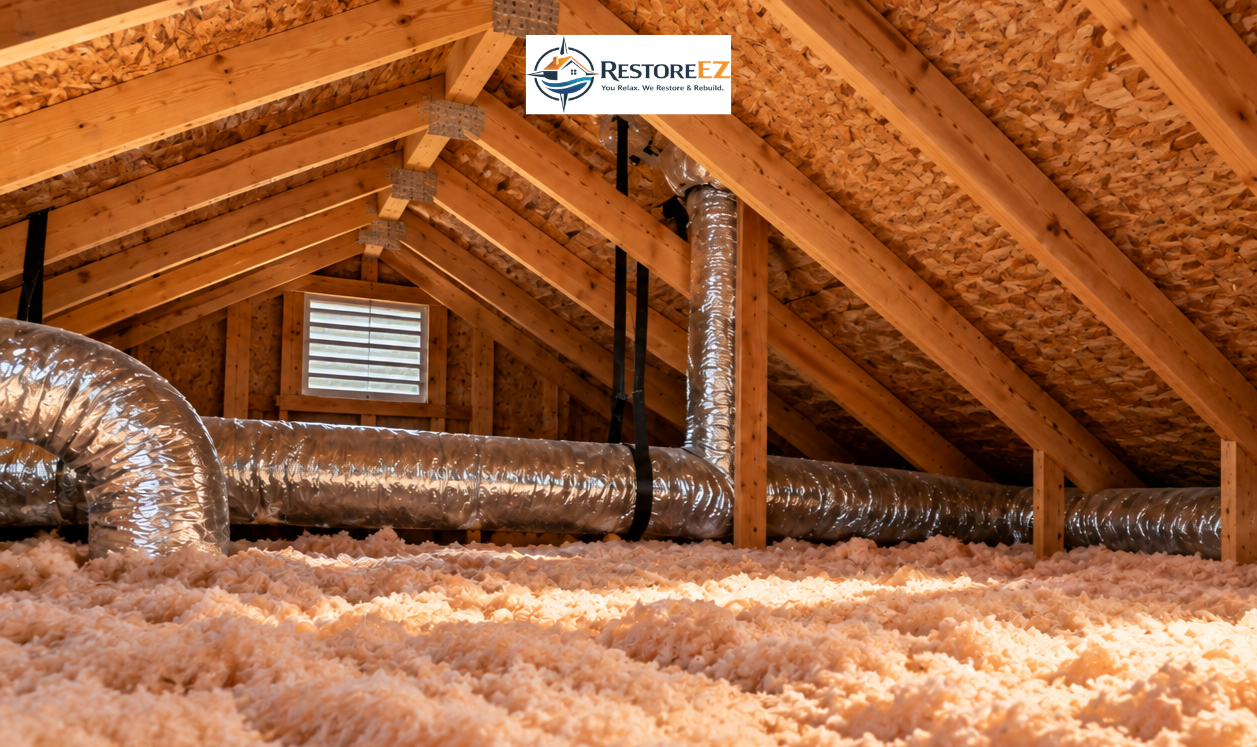
Professional cleanup does more than improve appearances—it helps restore healthy living conditions. This may include indoor air quality improvements, air system cleaning, and source removal. If damage has spread through ductwork, air duct cleaning might be necessary to reduce lingering contamination and improve the environment inside the property.
How Restoration Professionals Move Quickly Without Cutting Corners
Immediate assessment and containment
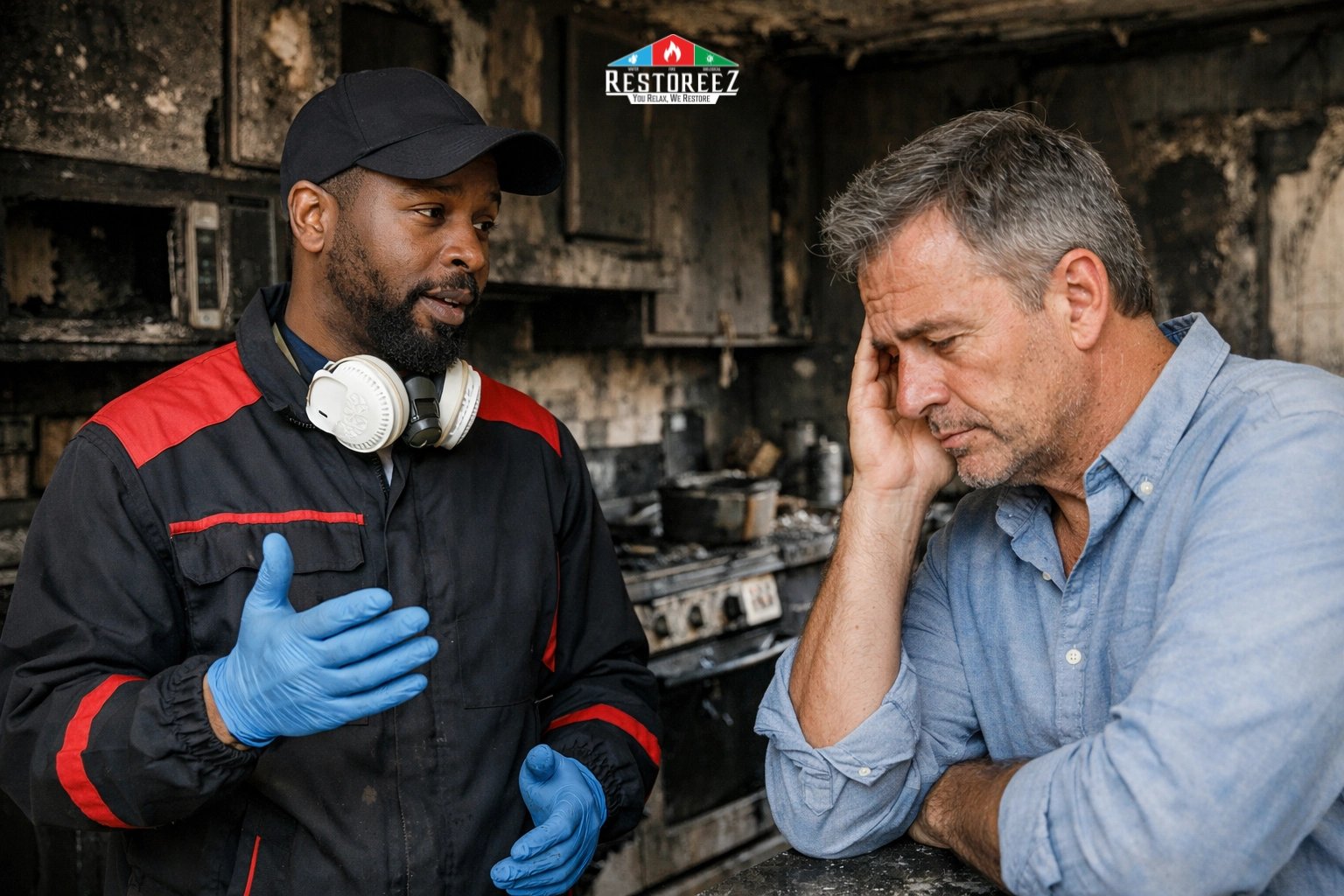
A fast response isn't just about showing up quickly—it's about being prepared. A professional team starts with an assessment to find the damage source, contamination extent, and immediate risks. They then isolate affected areas to stop water, soot, or spores from spreading. Containment protects unaffected rooms and reduces cross-contamination.
This stage might also involve turning off utilities, documenting damage for insurance, and spotting safety hazards. If the event includes fire, smoke, or heat damage, the team may use special techniques for odor control and debris removal. If moisture is present, they start extraction and drying immediately to prevent deeper saturation.
Specialized equipment speeds up recovery.
Restoration crews rely on tools most property owners don't have, like high-capacity extractors, dehumidifiers, air movers, thermal imaging cameras, and moisture meters. These tools help remove water faster, find hidden dampness, and monitor drying progress.
Equipment matters because time matters. Professional-grade machines are far more effective than waiting for natural evaporation. In a fire loss, HEPA filtration and soot-cleaning tools help stabilize the environment quickly. Using the right tools from the beginning is why a trained team can often save more materials and reduce the overall recovery time.
Clear communication keeps the project moving.
Fast response also depends on communication. A well-run restoration project needs coordination between the property owner, restoration team, and often the insurance provider. If communication is slow or unclear, the project can stall. Regular updates and organized documentation keep the work moving efficiently.
That's why modern restoration companies focus on transparency, scheduling, and detailed reporting. This helps the property owner understand what's happening, what's next, and how long each phase might take. It also reduces confusion when multiple services are involved, like fire damage restoration followed by mold remediation or indoor air quality improvement.
Real-World Examples That Show the Value of Speed
Residential fire cleanup with minimal downtime
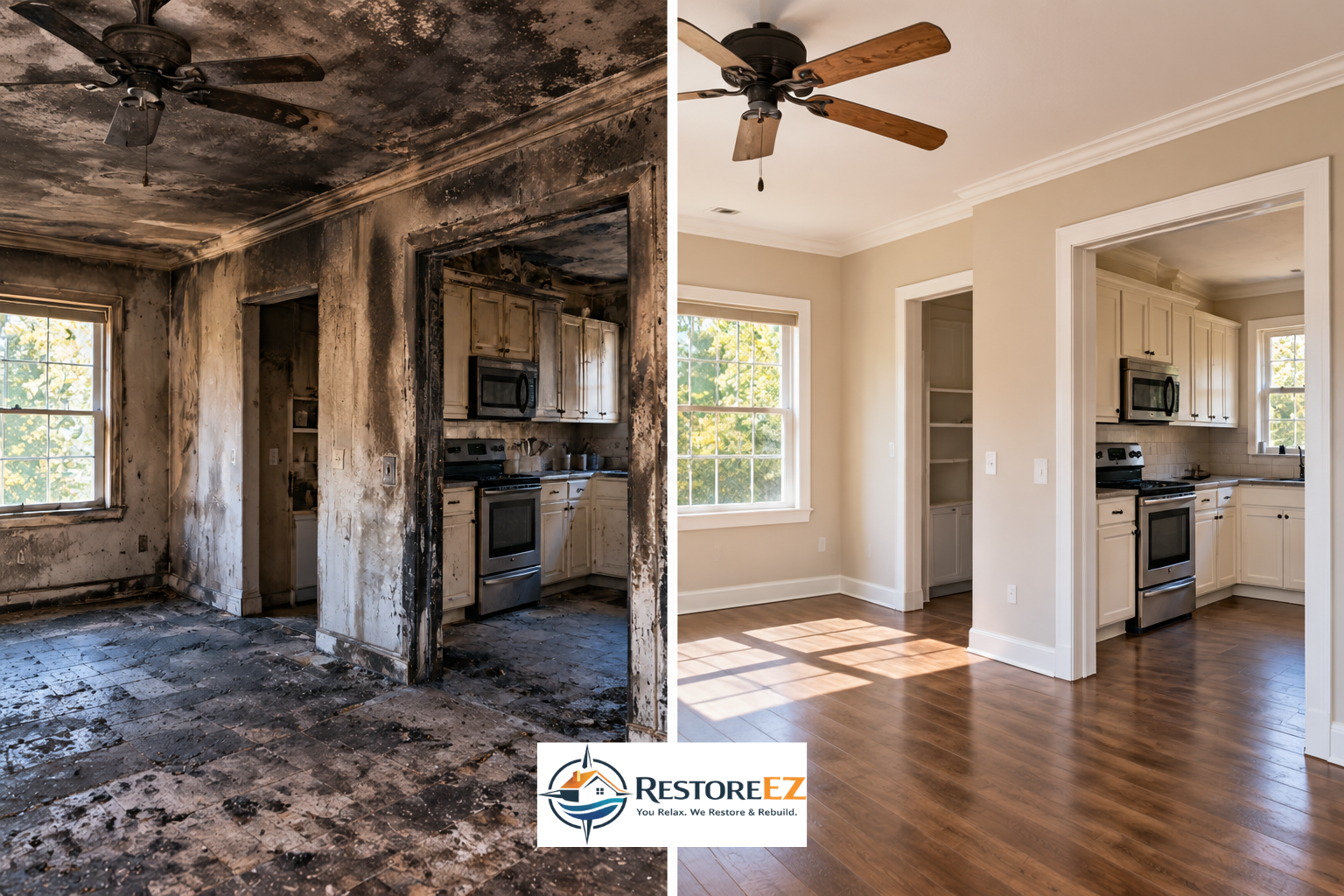
Consider a residential basement fire spreading smoke throughout a home. If the restoration team arrives quickly, they can assess safety, remove damaged materials, begin smoke cleanup, and limit soot spread to unaffected areas. In one case study, prompt response allowed a family to recover faster and reduced the displacement time compared to a delayed response.
This kind of result is common because smoke and residue get harder to remove over time. Early intervention means less penetration into fabrics, walls, and HVAC systems. For homeowners, this often translates into lower restoration costs and a quicker return to normal life.
Commercial water damage and business continuity
Commercial properties face different pressures because every hour of downtime affects revenue, customers, and operations. A burst pipe in an office, store, or warehouse can disrupt business immediately. When a restoration team responds quickly, they can extract water, dry the structure, and help limit inventory loss or operational interruption.
In one commercial project, rapid intervention prevented severe structural damage and helped the business reopen sooner. Speed is crucial for companies that can't afford long closures. It's also why many property managers prepare an emergency plan and line up services like water damage restoration before disaster strikes.
Florida weather makes a fast response even more important.
In coastal and storm-prone communities, response time is even more critical because weather-related damage often comes with added complications. Floodwater may contain contaminants, wind-driven rain can affect multiple building openings, and humidity can slow natural drying. Properties in Tarpon Springs and nearby areas face these risks regularly, so emergency readiness is key to local restoration planning.
For residents in coastal Florida, prevention and rapid mitigation work hand in hand. This may include proactive measures like flood barriers, routine maintenance, and a reliable emergency contact plan. If damage does occur, immediate professional help can significantly reduce the impact.
What Property Owners Should Do Right Away
Act safely and stop the source if possible.
Your first step is to stay safe. If there are electrical hazards, structural instability, contaminated water, or active fire conditions, evacuate and call emergency services if needed. If safe, stop the damage source by shutting off the water supply or isolating the affected area. Don't attempt risky cleanup if there's a chance of injury or exposure.
Once immediate danger is controlled, contact a professional restoration company as soon as possible. Quick communication helps ensure the crew can dispatch quickly and begin mitigation. If you're unsure whether the situation needs emergency service, it's usually better to call and ask than to wait.
Document the damage before cleanup starts.
Take photos and videos of affected areas, damaged belongings, and visible hazards if it's safe. Documentation helps with insurance claims and creates a clearer record of the loss. Avoid throwing away damaged materials before speaking with the restoration provider or insurer unless there's a safety reason to remove them immediately.
Once the scene is documented, the restoration team can assess the full scope of the problem. A thorough inspection may reveal hidden moisture, smoke infiltration, or mold growth that the property owner can't see. If mold is suspected, a professional mold inspection is a smart next step.
Call the right specialists early.
Different types of damage need different expertise. Water issues might require extraction and drying, fire issues might need smoke cleanup and odor treatment, and suspected mold might require containment and remediation. The sooner the right specialists are involved, the better the outcome usually is.
That's why it helps to choose a restoration company that can handle multiple forms of loss. A team experienced in fire damage restoration, mold remediation, and structural drying can respond more comprehensively and avoid delays between separate vendors. This integrated approach often shortens the total restoration timeline.
Frequently Asked Questions About Fast Response in Restoration
How quickly should I call after damage occurs?
Call immediately. The sooner the restoration team is contacted, the sooner mitigation can begin. Even if the damage looks minor, hidden moisture or contamination can worsen quickly. In many cases, waiting even a few hours can make the job more difficult and expensive.
Why are the first 24 to 48 hours so important?
The first 24 to 48 hours are often the most critical because that's when damage can escalate rapidly. Water can spread, mold can start growing, and contaminated materials may absorb residues more deeply. Quick action during this window can often prevent major secondary damage.
What should I expect from a professional restoration visit?
Expect a prompt assessment, clear communication, mitigation steps, and a plan for drying, cleanup, or remediation. A professional team will usually identify the source of the problem, explain the next steps, and begin stabilization as soon as possible. They should also document conditions and communicate any safety concerns.
Can a fast response really lower total costs?
Yes. Faster response often means less demolition, fewer affected materials, lower mold risk, and shorter downtime. While no restoration project is ever ideal, early action can significantly reduce both direct repair costs and secondary losses such as business interruption or personal property replacement.
Why Fast Response Matters in Tarpon Springs and the Surrounding Area
Local climate increases restoration urgency.
Florida’s climate makes timing especially important. High humidity slows drying, coastal storms can create sudden flooding, and warm temperatures support microbial growth. These conditions mean that even small losses can become more complicated if they are not handled right away. Local expertise matters because a team familiar with the environment knows how to respond to these challenges efficiently.
For property owners in Tarpon Springs, working with a company that understands the region’s weather patterns and building conditions can improve outcomes. Whether the issue is stormwater intrusion, plumbing failure, or fire cleanup, a rapid and informed response is the safest approach. That is one reason many residents prefer a local team rather than waiting for out-of-area help.
Choosing a dependable restoration partner
When evaluating a restoration company, look for 24/7 emergency availability, trained technicians, strong communication, and a full range of services. You want a partner that can move quickly, but also one that follows best practices and treats the property carefully. Fast response should never mean rushed work.
At Restoreez, the goal is to provide efficient, reliable help when property owners need it most. From water damage restoration and fire damage restoration to mold remediation and air quality support, fast action is built into the service model. That approach helps reduce damage, improve safety, and support a smoother recovery.
Conclusion: Speed Is a Core Part of Recovery
Fast response time is not just a nice feature in property restoration; it is one of the most important factors in the entire recovery process. The quicker a problem is addressed, the more likely it is that the damage will remain contained, the costs will stay manageable, and the property can be restored safely. Delays increase the risk of structural deterioration, mold growth, air quality problems, and long-term disruption.
If you are facing water, fire, or mold damage, the best thing you can do is act immediately. Document the damage, stay safe, and call a professional team that can respond quickly with the right tools and experience. For property owners who want dependable water damage restoration, fire damage restoration, or mold remediation, a fast and thorough response can make all the difference.
Need help now? Contact Restoreez at (813) 703-0300 or visit our website to request emergency restoration support. The sooner you reach out, the sooner recovery can begin.