Your Go-To Guide for Air Duct Sealing: Making Your Home Comfy and Energy-Smart
Feeling like your home has uneven temperatures, or noticing higher energy bills and more dust than usual? Let's chat about your air ducts. When these aren't sealed right, your heated or cooled air escapes before it even hits your rooms. Sealing those ducts can make your home cozier, boost your HVAC's performance, and cut down on wasted energy. Pairing this with services like air duct cleaning and indoor air quality solutions can really up the comfort level.
According to the U.S. Department of Energy, duct systems can lose a lot of air through leaks, especially when they run through places like attics or crawl spaces. Check out more on home energy savings at the U.S. Department of Energy’s Energy Saver resources. In this guide, you'll learn what duct sealing does, why it’s important, how to spot issues, and when calling a pro makes sense.
What Air Duct Sealing Actually Does
The Impact of Duct Leaks on Comfort
Your ductwork is supposed to carry air throughout your home, but if there are loose joints or seams, that air might escape into places it shouldn’t. This can lead to hot and cold spots and rooms that never feel quite right. Even if your HVAC is working well, leaky ducts can make the whole system seem off.
Plus, air loss isn't just about temperature. It can pull in dusty attic air and other stuff you don’t want to breathe in. This can make your home feel less fresh over time. If you already deal with humidity, sealing ducts can help create a more comfortable environment.
Sealing vs. Cleaning: What's the Difference?
Many folks think duct cleaning and sealing are the same, but they tackle different problems. Cleaning gets rid of dust and debris inside the ducts, while sealing closes the gaps that let air leak out. Pairing both can be super effective, especially if your ducts haven't been serviced in a while.
If you’re not sure what's what, a professional assessment can help figure out if you need sealing, cleaning, or both. That's why homeowners often look into air duct sealing and smart thermostat upgrades as part of a bigger energy-saving plan.
Signs Your Home Might Need Duct Sealing
Temperature Differences Between Rooms
Does one room always feel warmer or cooler than the others? If that bedroom down the hall is never right, or your upstairs is always hotter than downstairs, leaky ducts might be to blame. While insulation and thermostat placement matter too, duct leaks often make things worse.
This is especially true in older homes or those with ducts in attics or crawl spaces, where escaping air is wasted. Sealing can help balance things out and reduce the load on your HVAC system.
Quick Dust Buildup and Poor Air Quality
If dust settles quickly after cleaning or if you notice musty smells when the HVAC runs, your ducts might be pulling in unwanted stuff through leaks. Small gaps can draw in insulation dust and moisture, which then circulates through your home. That's why duct sealing often goes hand in hand with mold inspection and mold remediation when moisture is an issue.
For more on how air quality affects health, the EPA’s indoor air quality guidance is a helpful resource.
High Utility Bills Without an Obvious Cause
If your energy bills keep going up even though you haven’t changed your habits, your ducts might be wasting air. It can be frustrating because the leaks are often invisible. You might not see them, but your bill shows that your system is working harder than it should.
Air duct leaks are one of several reasons for higher energy costs, but they're one of the easier fixes. You might be paying for extra runtime every month without knowing that a lot of air is escaping into the attic or walls. Sealing can help improve performance and make better use of the energy you're paying for.
Benefits of Proper Air Duct Sealing
Better Comfort and Airflow
One of the first things people notice with sealed ducts is improved comfort. Air from your HVAC system is more likely to get where it needs to go instead of leaking out. You'll feel better airflow in the rooms you use and fewer temperature swings around the house.
These comfort improvements may be subtle at first but add up over time. Bedrooms might stay cooler at night, and family rooms might feel less stuffy during the day.
Less Energy Waste and More Efficient Systems
When ducts leak, your HVAC system may need to run longer to make up for lost air. This wastes energy and can wear out the system over time. Proper sealing cuts down on waste, letting your equipment work more efficiently and potentially last longer.
That's why duct sealing is often recommended as part of a bigger home improvement strategy. If you're considering blown-in attic insulation or air duct cleaning, bundling these upgrades with duct sealing can yield better results.
Cleaner Indoor Air
Sealed ducts help reduce the chance that unfiltered air from attics or other hidden areas gets into your home. These spaces might contain dust or moisture that can worsen your indoor air quality. A tighter duct system helps your HVAC move air how it should, not unwanted stuff.
If your home has had moisture issues or odors, duct sealing might be part of fixing the problem. Some homeowners also need help with water damage restoration or indoor air quality services to tackle root causes first.
How Pros Seal Ducts
Looking for Leaks
A good duct sealing job starts with a detailed inspection. Technicians look for visible gaps, disconnected sections, and airflow issues that suggest leaks. They might test the system to see how much air is being lost and where the biggest problems are.
Sometimes leaks are obvious, and other times they're hidden. A professional evaluation helps figure out what needs sealing, what needs repair, and if there are other issues like poor insulation.
Materials and Methods
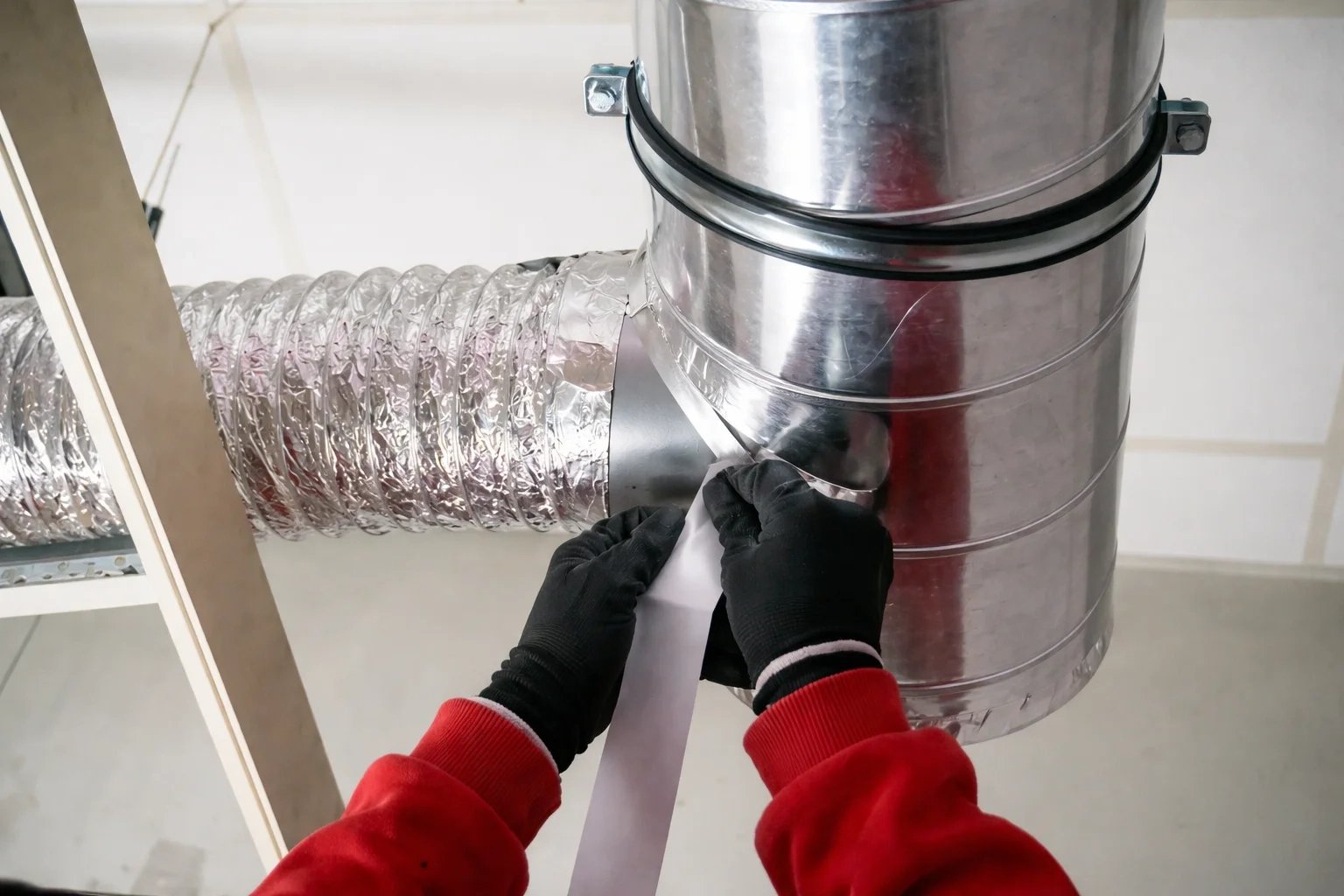
Pros might use mastic sealant, special foil tape, aerosol-based sealing, or a mix of methods depending on the ductwork. The right solution depends on the type of ductwork and the size and location of the leaks.
Not all tapes are equal. Some store-bought tapes dry out or fail over time, especially in warm attics. A professional-grade job is meant to last longer, which is why duct sealing isn't always a simple DIY project.
When Replacement Might Be Better
Not every duct system can be fixed with sealing alone. If ducts are crushed, badly disconnected, or corroded, replacement might be the better option. A good assessment should explain whether sealing will solve the problem or if a bigger repair is needed.
Sometimes the best results come from combining duct repairs with other improvements like duct sealing, dryer vent cleaning, or duct cleaning.
DIY vs. Professional Duct Sealing
What You Can Handle
Some small, visible issues might be manageable for a careful homeowner, like a loose connection or small gap near a vent. With the right materials, minor touch-ups can offer short-term improvement, but they're not a substitute for a full system check.
If you're tackling minor repairs yourself, avoid using cloth duct tape, which often fails under heat and movement. Even a simple project needs the right materials and a clear idea of where the ductwork is.
Why Pros Are Worth It
Professional duct sealing offers a more complete and durable solution. Technicians can find hidden leaks, test airflow, and confirm that the system works better after they're done. That level of precision is hard to hit with a DIY fix.
It can also save time and guesswork. Instead of patching one issue and hoping the rest are okay, a pro can inspect the whole system and prioritize the most important repairs. For peace of mind, that's a major plus.
Choosing the Right Pro
When picking a provider, look for experience and a clear willingness to connect duct sealing to overall home comfort. A good contractor should explain why the problem exists, how it'll be fixed, and what results to expect. If the issue involves moisture or contamination, restoration experience can be helpful.
This broader view is why many homeowners choose a company that can also handle related issues like fire damage restoration, water damage restoration, and indoor air quality improvement. The best answer often addresses the system as a whole, not just one symptom.
How Duct Sealing Boosts Energy Efficiency
Less Wasted Air
When your HVAC system makes cooled or heated air, you want that air to reach your living spaces. If ducts are leaky, some air escapes into attics or walls. Sealing helps keep the air moving where it should, so you get more from each cycle of your system.
This matters especially in homes where ducts run through hot attics. Every bit of lost cooled air means your HVAC works harder. Better sealing cuts that loss and can make the system work better overall.
Better Performance with Smart Controls
Using programmable controls? Duct sealing can help those tools work better. A thermostat can only do its job if the air system works right. If ducts leak, the system might keep running even though it's not delivering comfort efficiently.
Many homeowners pair duct sealing with a smart thermostat solution to make their homes more responsive. Together, these upgrades help the system run smarter instead of overworking to make up for hidden losses.
More Return on Other Upgrades
Duct sealing can boost the value of other home upgrades. If you've invested in insulation or air sealing in other parts of your home, leaky ducts can undermine those benefits by wasting the air they help save. The best energy-saving results often come from a combined approach.
That's why many homeowners also consider options like attic insulation and duct sealing together. When both the envelope and the delivery system are improved, the whole home tends to perform better.
Common Problems Duct Sealing Can Help Prevent
Moisture and Mold Issues
Leaky ducts can lead to moisture problems when humid air hits cold duct surfaces or when conditioned air causes temperature differences in vulnerable areas. Over time, this can lead to mold growth or bad smells. In homes with a history of leaks, this can be a recurring issue if the ducts aren't addressed.
Because moisture and mold often come together, duct sealing might be recommended along with mold inspection and mold remediation. Check out the EPA’s mold guidance at epa.gov/mold to see why controlling moisture is so important for home health and safety.
Less Strain on HVAC Equipment
When a system runs longer to make up for leaks, wear and tear can increase. Fans, motors, and other parts may run more often than needed, leading to more frequent service needs. Reducing leaks gives your HVAC a better chance to operate as it should.
This doesn't replace regular maintenance, but it makes maintenance more effective. A well-sealed system is easier to manage and more predictable.
Cleaner Surfaces and Less Dust
Many homeowners are surprised by how much less dust they see after sealing ducts. While sealing isn't a replacement for proper cleaning, it can reduce the amount of unwanted material being pulled into the system. This often means fewer particles circulating through the home.
If dust has been a long-term problem, it might help to combine sealing with other services like air duct cleaning and dryer vent cleaning. Cleaning tackles existing buildup, while sealing helps prevent new contamination.
What Homeowners Should Do Next
Get a Full System Assessment
If you think your ducts are leaking, the best next step is a professional evaluation. A thorough assessment can identify airflow problems, visible gaps, hidden losses, and signs of contamination or moisture. The more complete the inspection, the better the solution will be.
If you need broader support after leaks, water intrusion, or other damage, consider whether restoration services are needed first. Sometimes proper repair and drying must happen before duct sealing makes sense.
Combine Sealing with Other Upgrades
Air duct sealing works best as part of a bigger plan. This might include insulation improvements, air quality support, or thermostat upgrades. Small upgrades can work together to create a home that feels more stable and costs less to operate.
If you’re planning improvements, you might also want to explore weatherization program options or look into financing if the project will include multiple upgrades.
Know When to Call Restoreez
If your duct issues overlap with water damage, mold, or air quality concerns, a restoration team can help connect the dots. Restoreez supports homeowners with practical solutions to improve safety and comfort. Whether it involves hidden moisture or the aftermath of a larger event, having the right team matters.
Ready to make your home more comfortable and energy-smart? Professional duct sealing is a great place to start. Contact Restoreez at (813) 703-0300 or visit restoreez.com. You can also review our privacy policy before requesting service.
Frequently Asked Questions About Air Duct Sealing
How often should ducts be inspected?
There's no set timeline for every home, but inspect ductwork if you notice comfort problems, high energy bills, or dust and air quality issues. Homes that have been renovated or water-damaged may need attention sooner. A proactive inspection can catch small issues before they become expensive ones.
Can duct sealing really lower my bills?
Yes, especially if your ducts are leaking a lot of conditioned air. Savings depend on the system's condition, the climate, and how your home is built. While results vary, many homeowners see comfort benefits first and energy savings soon after.
Is duct sealing safe for older homes?
Yes, but older homes might need a more careful inspection because of brittle materials or poor connections. A professional can determine whether sealing is appropriate or if repair or replacement is better.
What if my ducts are sealed but my home is still uncomfortable?
If sealing doesn't solve the issue, other factors like poor insulation or a failing HVAC unit might be at play. A full home performance review can help find the next best fix.
Wrapping Up: A Smart Move for Comfort and Savings
Proper air duct sealing is a practical way to make your home more comfortable and easier to live in. It helps reduce wasted air, improve airflow, support healthier indoor conditions, and take pressure off your HVAC system. When paired with services like duct cleaning or indoor air quality support, the results can be even better.
If you've noticed uneven temperatures, rising bills, or dust problems, now is the time to act. A professional assessment can tell you what's happening inside your system and what to do next. For trusted help with sealing, restoration, and comfort improvements, Restoreez is ready to help you move forward.