Introduction: Why Indoor Air Quality Deserves Your Attention
Did you know that the air inside your home might not be as safe as you think? Dust, moisture, cleaning chemicals, and even hidden mold can build up, affecting how you feel every day. If you've been sneezing more or noticed headaches, fatigue, or odd odors, your home's air may be trying to tell you something.
Indoor air quality isn't just about comfort; it's a health issue too. The U.S. Environmental Protection Agency points out that indoor air can contain pollutants from everyday sources, especially in tightly sealed homes. Services like indoor air quality testing and air duct cleaning can uncover problems that aren't easily seen.
In this guide, we'll explore hidden pollutants, where they come from, how they affect you, and steps to make your home healthier. Whether you're dealing with allergies, trying to boost HVAC performance, or addressing a mysterious musty smell, understanding indoor air quality is key.
What Indoor Air Quality Really Means
The Basics of Pollutants Inside the Home
Indoor air quality, or IAQ, is all about the condition of the air inside buildings and how it affects health and comfort. It includes both visible and invisible contaminants like dust and gases. Good IAQ means balanced, ventilated air that's free from excessive irritants.
It's not just about a nice-smelling home. It's about making sure the air doesn't irritate your lungs, eyes, or skin. Often, the issue isn't one big pollutant but a mix of smaller ones adding up over time.
Why Indoor Air Can Be Worse Than Outdoor Air
Homes often trap pollutants since windows are closed, and HVAC systems recirculate the same air. This might save on energy bills but can reduce natural ventilation. Pollutants can linger unless effectively removed or filtered.
The CDC warns that poor indoor air can lead to respiratory issues, headaches, and more. It's smart to manage indoor air proactively rather than waiting for major problems.
Hidden Pollutants You May Not Notice Right Away
Fine Dust and Household Particles
Dust isn't just annoying; it can contain fibers, dirt, pollen, and even outdoor pollution. It collects in carpets and furnishings, getting stirred up whenever someone walks by or the HVAC kicks in.
Families with allergies or small children often find dust reappearing right after cleaning. This might signal a need for better filtration, housekeeping, or professional help like air duct sealing.
Volatile Organic Compounds from Everyday Products
Volatile organic compounds, or VOCs, are gases from paints, sprays, furniture, and cleaning supplies. They can linger long after use. If your home has a persistent chemical smell, especially after renovations, improved ventilation and air testing can help.
The EPA notes that VOC exposure can cause irritation and headaches. Identifying and addressing these sources can improve your home's air.
Moisture and Mold Growth
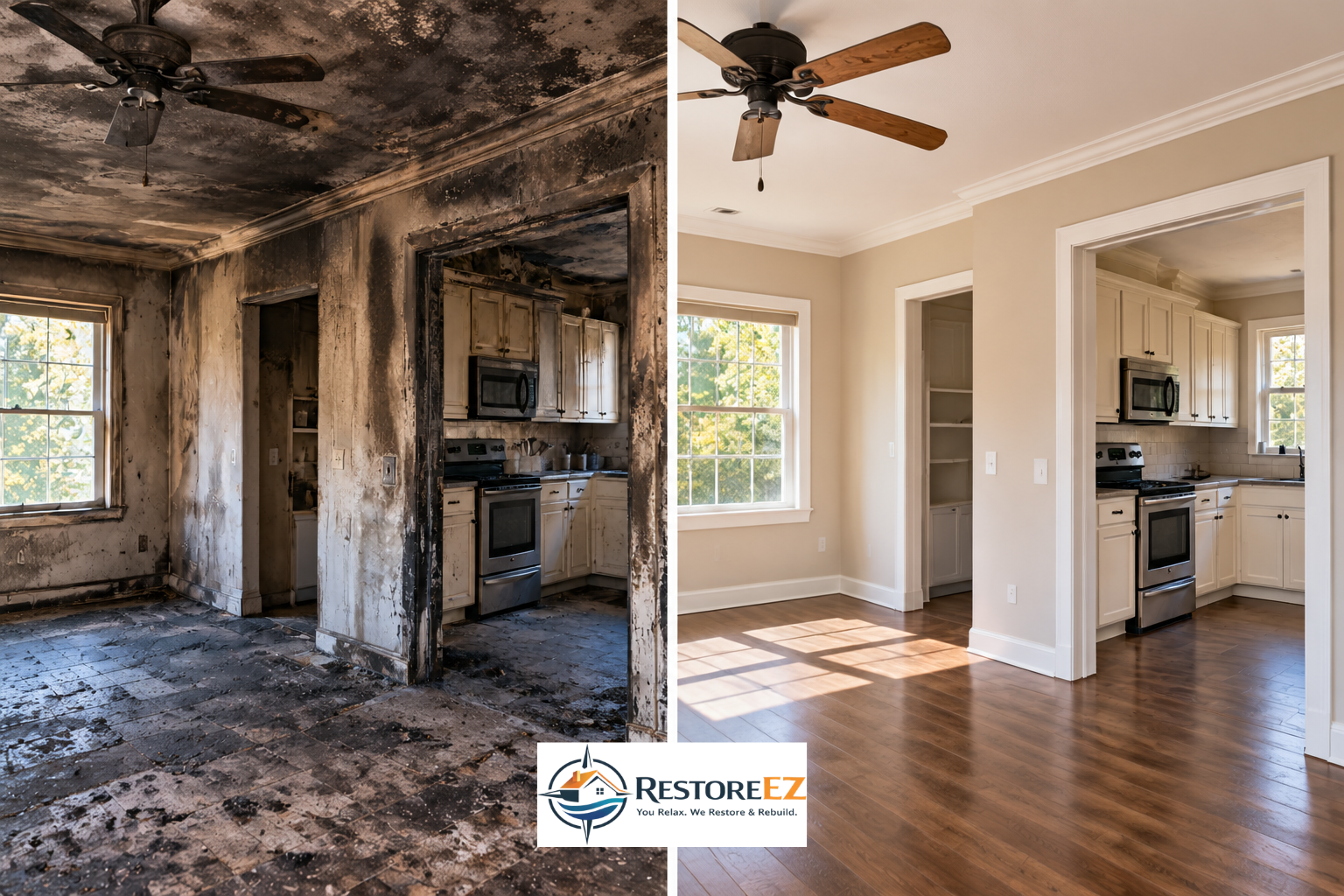
Moisture is a big factor in poor air quality because it fosters mold growth. Mold can hide behind walls, under floors, or around HVAC components, often going unnoticed until you smell it or feel health effects.
If you think moisture is an issue, a mold inspection can uncover hidden growth. When confirmed, professional mold remediation can safely remove it.
Common Signs Your Indoor Air May Be Dirty
Persistent Allergy-Like Symptoms Indoors
Feel better when you step outside? Your home might be to blame. Sneezing, watery eyes, coughing, and sinus pressure indoors can point to dust, pet dander, mold, or chemical irritants.
Notice if symptoms worsen in certain rooms or after using the air conditioner. This can help pinpoint if the issue is ventilation, filtration, hidden moisture, or a combination.
Odors That Keep Returning
Odors are often the first sign something's wrong. Musty smells may mean moisture or mold, while chemical smells could indicate VOCs or off-gassing materials.
Since odors can travel, where you smell it might not be the source. A hallway might smell musty even if the problem's in the attic or crawl space. Professional evaluation can be invaluable here.
Excess Dust and Uneven Airflow
If dust settles quickly after cleaning, or some rooms feel stuffy, your HVAC might be struggling. Clogged filters, leaky ducts, and dirty components can reduce performance and allow pollutants to circulate.
Weak airflow could mean the system isn't balanced, or ducts are leaking, drawing in dust. Keeping your system in check can improve air quality and comfort.
How HVAC Systems Influence Air Quality
Filters Are Helpful, but They're Not a Complete Solution
HVAC filters can trap particles, but they must be the right type, installed correctly, and replaced regularly. A basic filter might catch larger debris, but smaller particles can still circulate.
Regular filter changes and professional air duct cleaning can boost airflow and reduce debris circulation. Homes with pets or allergies might need more frequent filter changes.
Leaky Ducts Can Pull in Contamination
Duct leaks aren't just an energy issue; they can introduce contaminants. Leaks can draw in particles and moisture, worsening air quality and supporting mold growth.
The U.S. Department of Energy suggests duct sealing to improve comfort and efficiency. It's often a crucial step for homes that are hard to keep clean or comfortable.
Maintenance Gaps Increase Contamination
Air quality issues often start with small maintenance oversights. A clogged drain or dusty vent can cause moisture and debris buildup that affects multiple rooms.
Regular HVAC care should include changing filters, cleaning vents, and addressing unexplained odors or moisture issues early on.
Health Effects of Poor Indoor Air Quality
Short-Term Symptoms You Shouldn't Ignore
Polluted indoor air can cause headaches, eye irritation, fatigue, and throat discomfort. Some people also struggle with sleep or concentration.
Children, seniors, and those with asthma may react more strongly. If symptoms improve when away from home, it might be time to address your indoor air.
Long-Term Exposure Can Be More Serious
Long-term exposure can worsen respiratory conditions and strain the body. Hidden mold can release spores, and chemical pollutants can add up.
If symptoms persist, a combination of cleaning, ventilation, and professional assessment can make a big difference.
When to Consider Professional Help
If symptoms are ongoing or you suspect moisture, it's wise to call in a specialist. Professional testing can identify if the issue is air circulation, contamination, or structural damage.
For those in Tarpon Springs, Restoreez offers services to address the root cause, not just symptoms. This is especially helpful when multiple issues are at play.
Simple Steps to Improve Indoor Air Quality
Start with Source Control
The best way to improve air is to remove contamination sources. Fix leaks, reduce dust-trapping clutter, store chemicals properly, or replace off-gassing materials.
If you've faced water intrusion or noticed dampness, act quickly to prevent bigger problems. Consider flood barriers if your property is at risk.
Upgrade Ventilation and Filtration
Fresh air is important, especially in sealed homes. Open windows when it's safe, use exhaust fans, and improve HVAC filtration to reduce pollutants.
Smart controls like a smart thermostat solution can manage temperatures better, supporting filtration and comfort.
Clean the Parts of the Home That Hold Pollutants
Carpets, upholstery, and curtains can trap particles. Regular vacuuming, washing fabrics, and dusting reduce buildup. Hard-to-reach spaces might need professional attention.
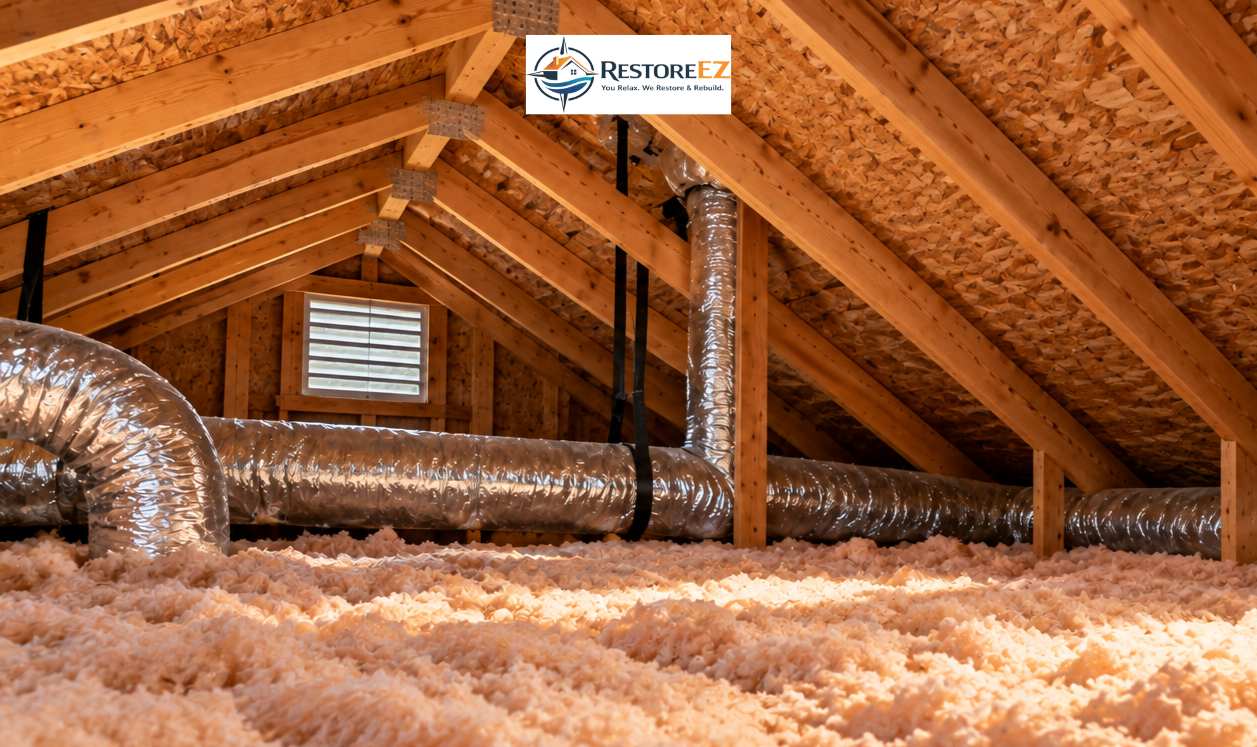
If attic conditions contribute to issues, a service like blown-in attic insulation can help control temperature swings that cause condensation.
When Hidden Moisture Is the Real Problem
Why Leaks Often Affect Air Before They Cause Visible Damage
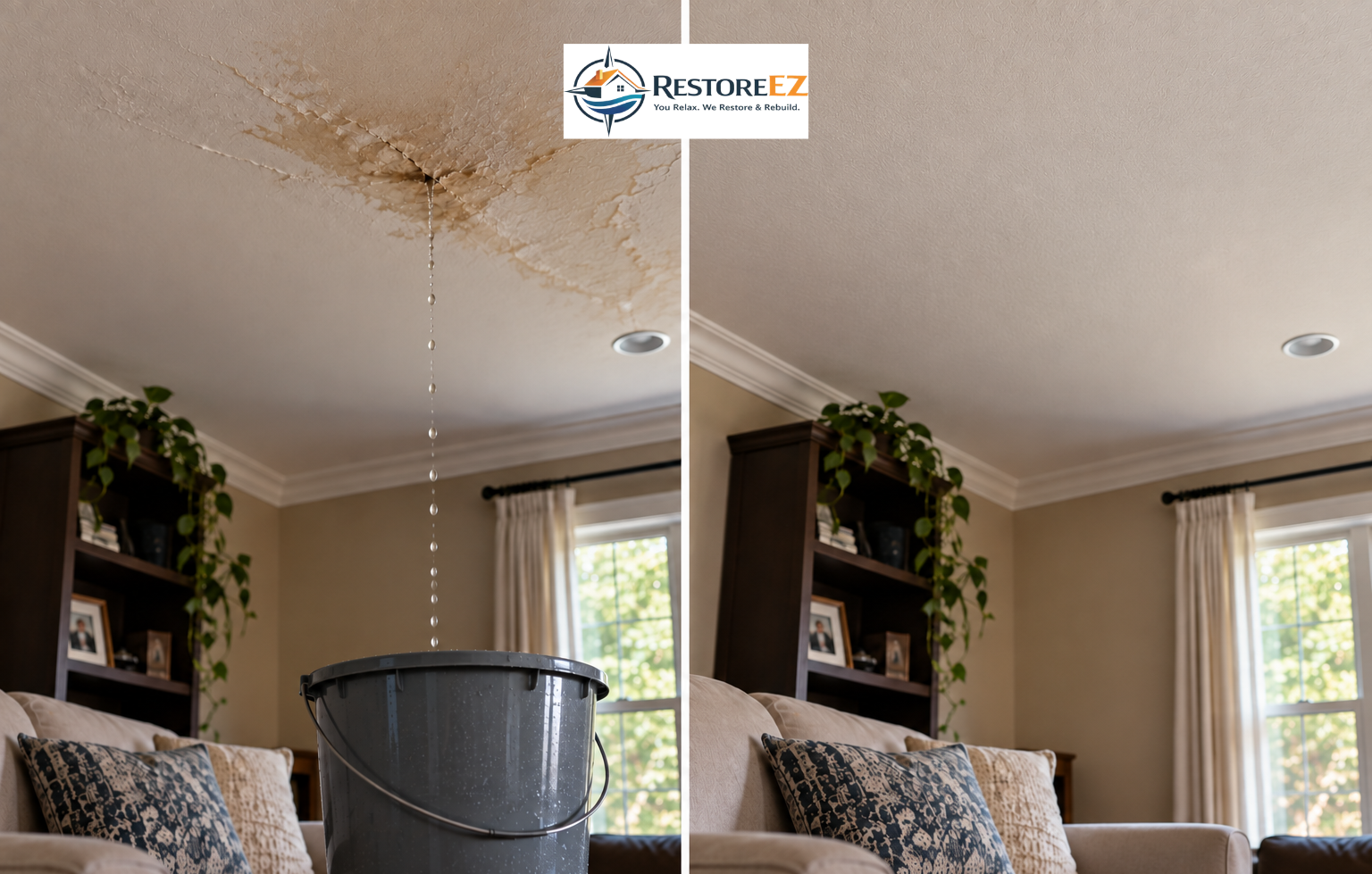
Water intrusion might not show up as a puddle right away. Sometimes, the first sign is a smell or a room feeling uncomfortable.
Don't wait for damage to act. A fast response can prevent rot and reduce contamination spread. If there's been a leak, a professional assessment can uncover the full extent.
Air Quality and Water Damage Are Often Linked
Even a small leak can affect air quality if it stays hidden. Damp drywall and wet insulation can harbor mold and bacteria.
Restoreez often helps address these issues by identifying moisture, removing damage, and restoring safe conditions. Check out our article on water damage cleanup for more context.
What a Professional Inspection Can Reveal
A thorough evaluation includes moisture readings, visual inspection, and duct checks. Sometimes the source is obvious, other times it needs specialized equipment.
Professional help saves time and reduces uncertainty. Instead of random fixes, you get a clear plan to improve air quality and health.
Frequently Asked Questions About Indoor Air Quality
How Often Should I Test My Indoor Air?
Testing is wise if you notice odors, symptoms, or recent water damage. It's also smart if someone in the house has respiratory issues. Regular checks are useful after events that introduce contamination.
Do Air Purifiers Solve Everything?
Air purifiers help with particles but don't fix leaks, mold, or eliminate all gases. They work best as part of a broader strategy including source control and ventilation.
How Do I Know if the Problem Is Mold or Dust?
Dust settles visibly while mold creates musty smells and stains. Both can exist together. A professional mold inspection can confirm the issue.
Can Indoor Air Quality Affect Energy Bills?
Yes. Poor airflow and dirty systems make HVAC work harder, raising costs. Moisture problems can make homes uncomfortable, leading to thermostat adjustments. Better air quality often means better efficiency.
Conclusion: Clean Air Starts with Knowing What to Look For
Indoor air quality problems can be overlooked because air is invisible, but their effects aren't. If you have recurring odors, dust, or allergy symptoms, hidden pollutants might be the cause.
Focus on source control, ventilation, and moisture management to make your home healthier. If the problem seems too big for household cleaning, Restoreez offers expert inspection and remediation services. Learn more about our indoor air quality services, and if you're ready, contact us for professional support and a plan tailored to your home.