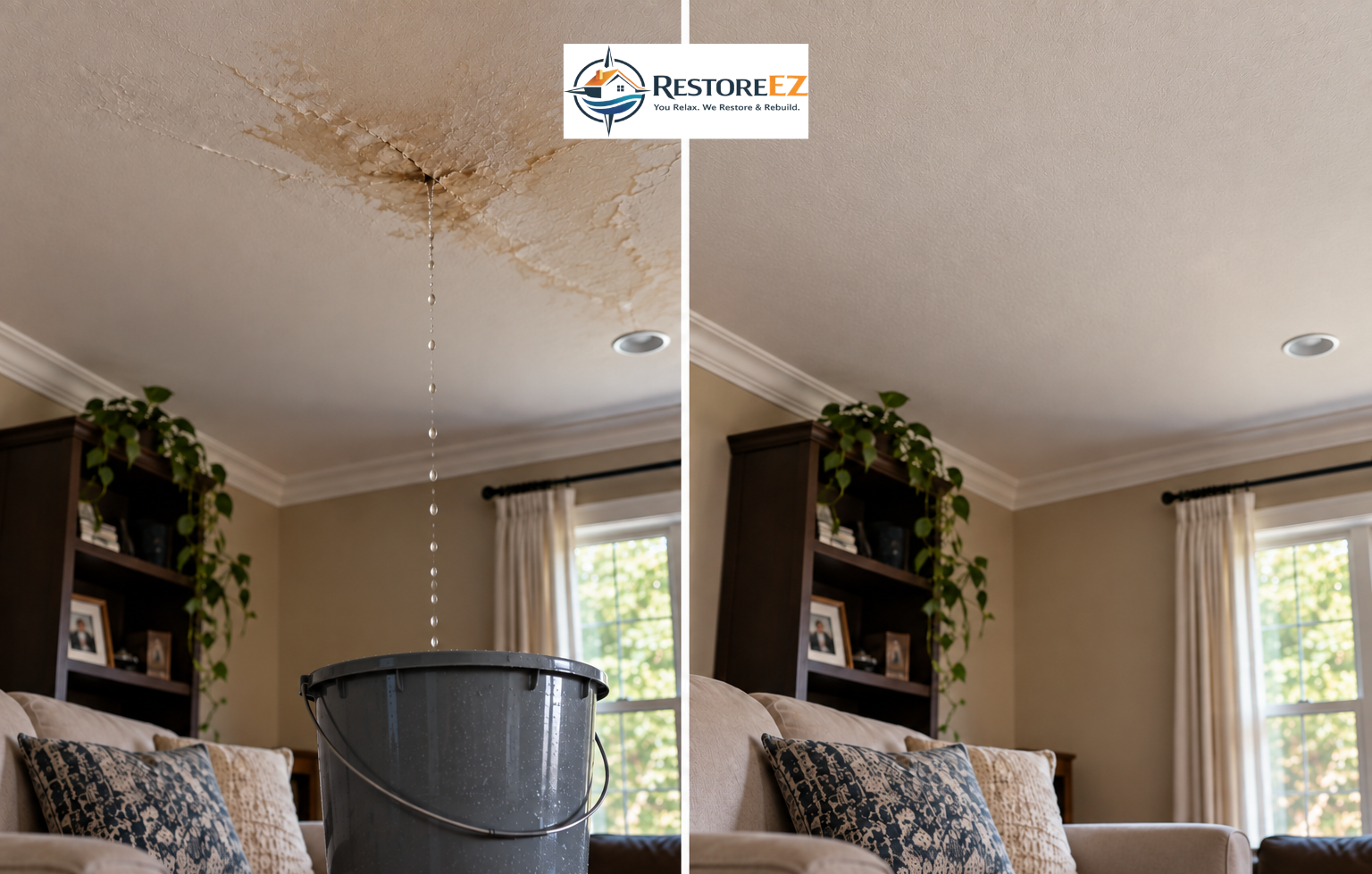
Ever caught a whiff of a musty smell, felt unexplained allergy symptoms, or leaked recently? Getting a mold inspection might be a smart move. You might not see mold, but it could still be causing issues. By the time you spot stains on walls or ceilings, the problem is likely bigger than it seems. In Florida, hidden moisture often leads to mold growth before anyone notices it. That's where a proactive check-up comes in handy, especially when paired with services like water damage restoration and indoor air quality improvements to tackle the root causes.
These inspections are super useful in humid places because moisture can hang around in crawl spaces, behind drywall, inside HVAC systems, and around plumbing. The U.S. Environmental Protection Agency says controlling moisture is key to controlling mold, advice that's crucial for homeowners and property managers alike. For those wanting to know what's really happening inside their building, a thorough check-up can uncover hidden damage early, cut repair costs, and protect everyone's health.
Why Mold Often Stays Hidden Until It’s a Bigger Problem
Mold Grows in Hard-to-See Places
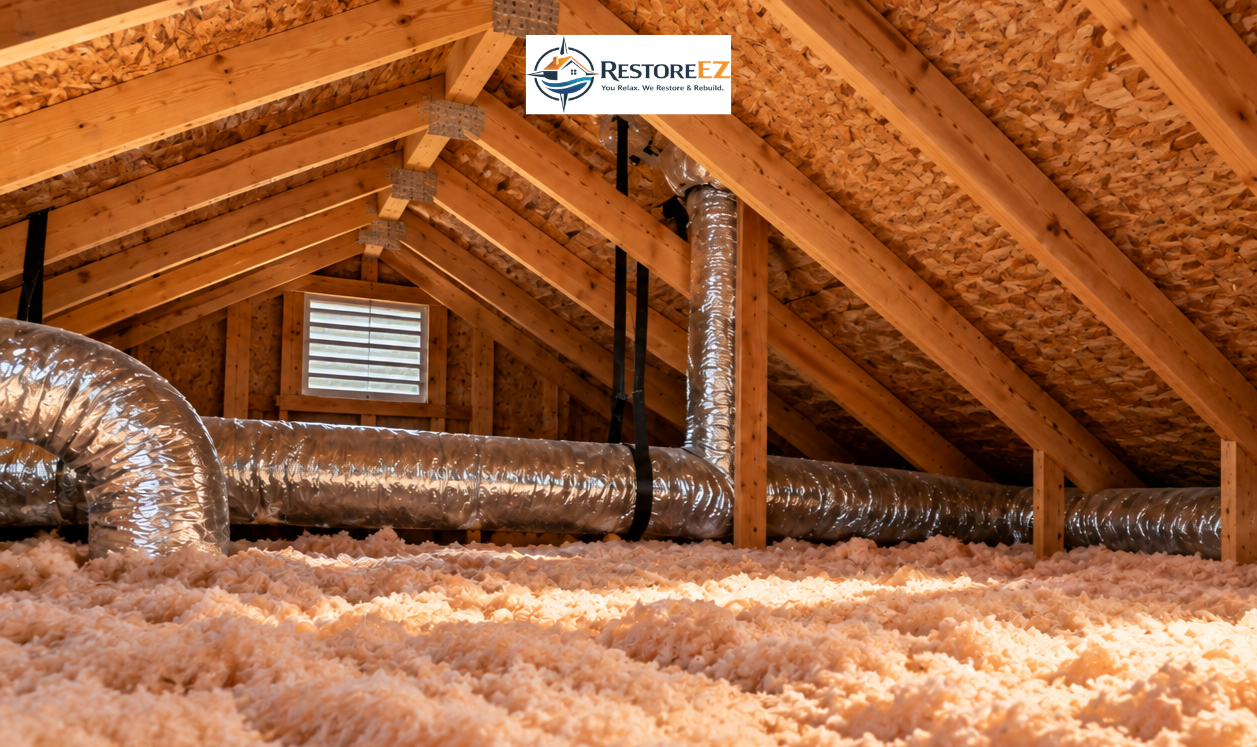
Mold loves dark, damp, and undisturbed spots. It can hide in wall cavities, under sinks, in attic insulation, beneath flooring, and behind baseboards for weeks or months. The visible surface might look fine, leading many to assume everything's dry and safe. In reality, the conditions behind the scenes are often perfect for mold to thrive.
Small Leaks, Big Problems
Even a slow roof leak, a tiny plumbing drip, or an old condensation issue can be enough for mold to grow. The CDC says that exposure can worsen respiratory symptoms, especially for sensitive folks. Even if no one seems sick, a hidden leak can still damage materials, weaken structures, and create a smell that hints at a bigger issue.
HVAC Systems Can Spread Mold
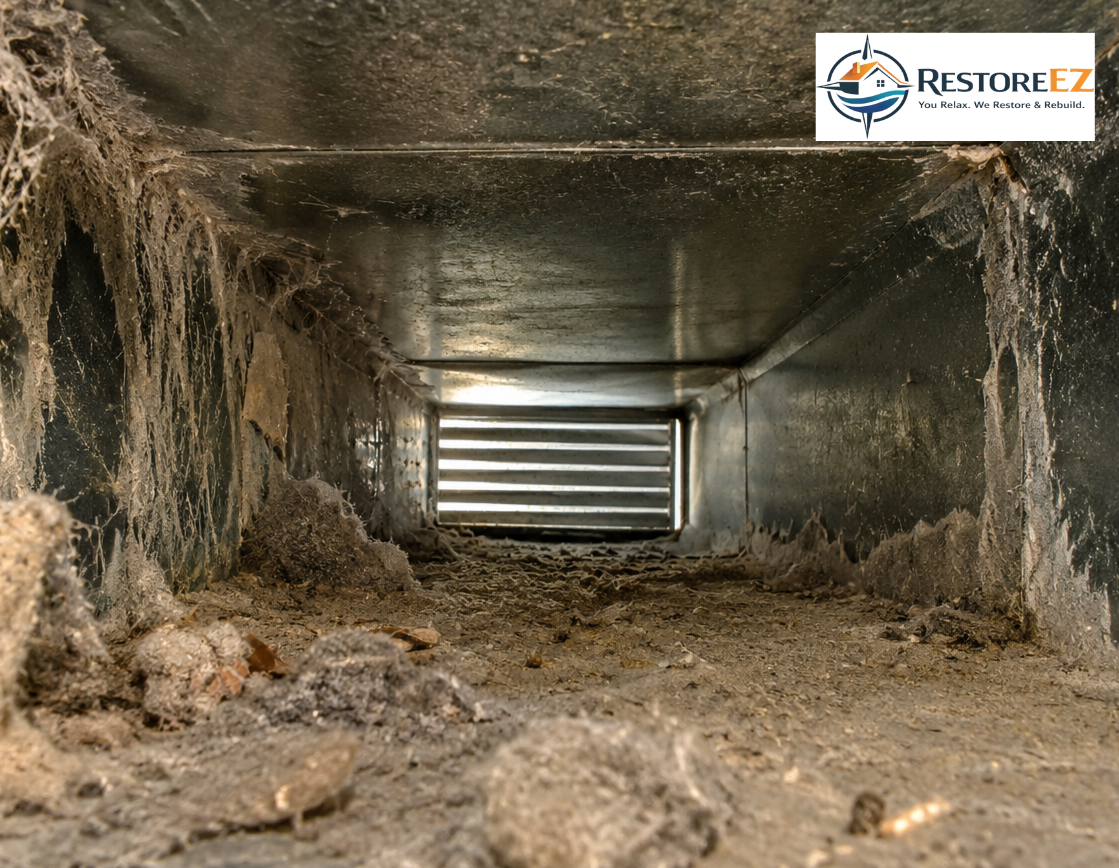
Your heating and cooling systems can move spores, dust, and moisture around if they're not well-sealed or filtered. If there's condensation or dust buildup in ducts, vents, or air handlers, it might lead to ongoing air quality problems. That's why a lot of property owners combine inspection results with air duct cleaning and air duct sealing to tackle persistent odor or comfort issues.
The Real Value of a Professional Mold Inspection
Catching Problems Early Saves Money and Stress
The best part about an inspection is timing. Finding mold early often means a targeted cleanup rather than a full-blown demolition, drying, and reconstruction. If you spot the moisture source before materials start deteriorating, the restoration process is usually simpler and less disruptive. This is crucial for families, tenants, and business owners who can't afford long interruptions.
Turning Uncertainty into a Plan
Suspecting mold without seeing it often leads people to waste money on guesswork. They might repaint, buy air purifiers, or clean surfaces without fixing the real issue. A professional inspection replaces uncertainty with a clear action plan. This plan might include fixing the moisture source, limited removal, ventilation improvements, or referrals for specialized remediation if it’s more advanced.
Support for Insurance and Property Decisions
Inspection findings are also handy when dealing with insurers, landlords, contractors, or buyers. Clear records of moisture readings, visible conditions, and affected areas can help make better decisions and prevent disputes later. If your property has a history of leaks or storm damage, pairing the inspection with mold remediation or mold inspection services can provide a complete picture of what was found and recommended.
What Pros Look for During an Inspection
Finding Moisture Sources and Building Clues
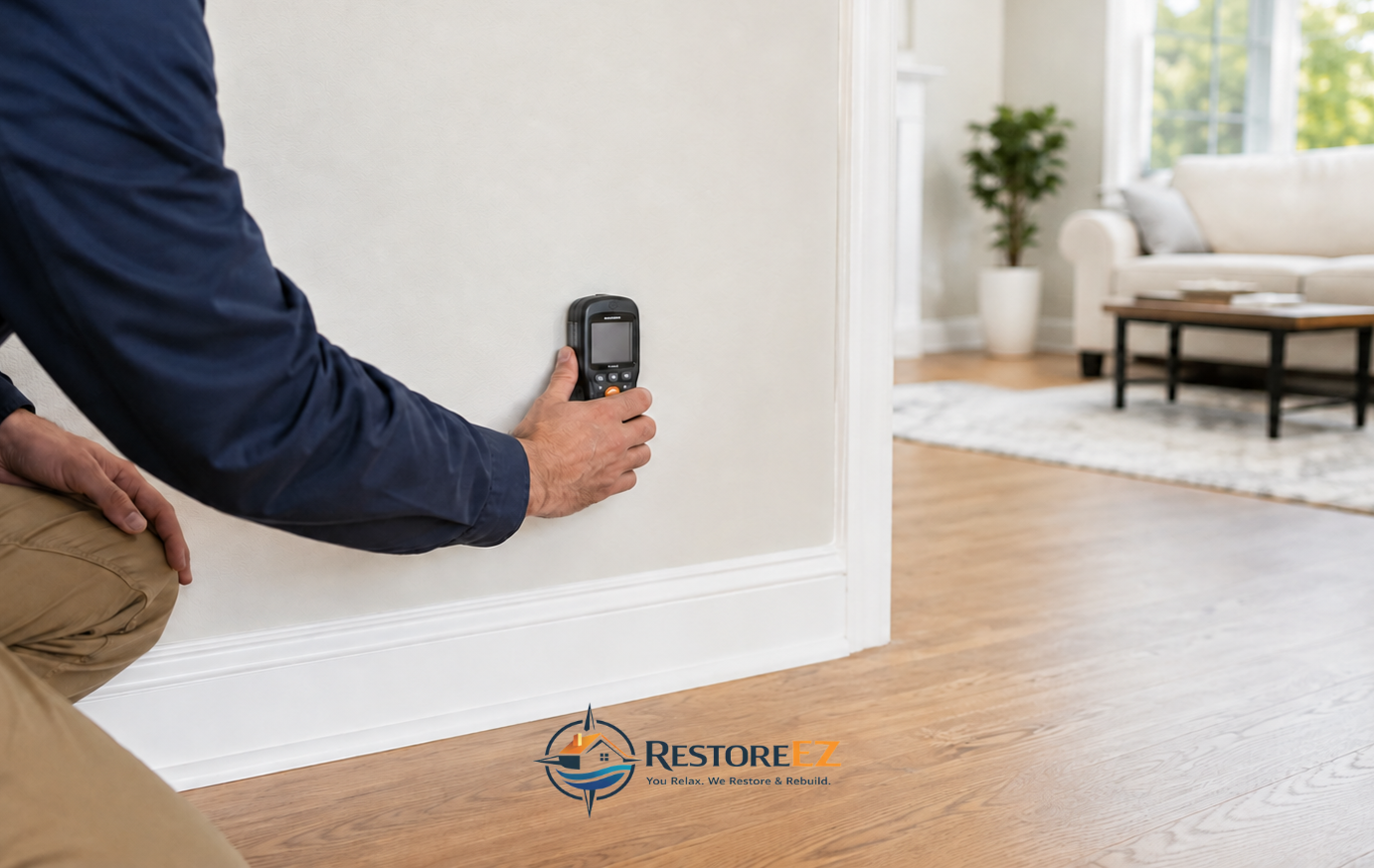
A trained inspector starts by looking for why mold might exist, not just the mold itself. Roof leaks, plumbing failures, poor drainage, humidity buildup, past flooding, and signs of condensation around windows or ducts are all on their radar. They use moisture meters, infrared tools, and visual checks to find hidden conditions you might miss during a quick walkthrough.
Odors, Stains, and Subtle Surface Changes
Even without visible growth, clues might appear as musty odors, bubbling paint, warped trim, discoloration, or recurring stains. These symptoms don’t prove mold on their own but guide an experienced inspector on where to focus. Pros treat these signs as part of a larger moisture pattern, not just isolated cosmetic issues.
Air Quality and Containment Concerns
In some cases, inspectors also consider how spores might be moving through the building. If a home has poor ventilation, old ductwork, or humidity control problems, the inspection might suggest broader air quality solutions. For those interested in improving efficiency and comfort, upgrades like blown-in attic insulation can help stabilize temperatures and reduce condensation risk with the right moisture strategy.
Health Risks You Shouldn't Ignore
Respiratory Irritation is Common
Mold exposure affects everyone differently, but common complaints include sneezing, coughing, congestion, watery eyes, and throat irritation. People with asthma, allergies, or chronic respiratory issues might notice symptoms more strongly. The EPA suggests that visible or hidden mold should always be tackled through moisture control and cleanup, not just covering it up.
Some People Are More Vulnerable
Children, older adults, and those with weakened immune systems can be more affected by indoor environmental issues. This doesn't mean every odor is an emergency, but waiting isn't wise. If someone in the house feels worse in certain rooms or after spending time indoors, a mold inspection could be an important next step to see if the building environment is contributing.
Symptoms May Point to an Environmental Issue
If allergy-like symptoms improve after leaving home and return when coming back, take note. Of course, symptoms can have many causes, so inspection isn't a substitute for medical advice. Still, a professional assessment can help determine if moisture intrusion, mold growth, or ventilation issues are part of the indoor environment that needs fixing.
Why DIY Mold Checks Often Miss the Bigger Picture
Visible Spots Are Just Part of the Story
Homeowners sometimes spot black spots on walls and assume they've covered the problem if nothing else stands out. Unfortunately, many serious mold issues remain hidden. Growth might be happening behind cabinets, in insulation, under carpet padding, or inside wall assemblies where surface cleaning won't solve the issue.
Store-Bought Tests Have Limits
Over-the-counter mold kits can create more confusion than clarity. They might identify spores in the air but do little to explain where moisture is coming from or if the source is active. A professional inspection is more useful because it ties environmental data to the building's condition and recommends practical next steps. This is especially valuable if the building has a history of water intrusion or recurring humidity problems.
False Reassurance is Expensive
The danger of DIY checking isn't just missing mold; it's also delaying action until the problem gets bigger. Repainting a ceiling, replacing drywall, or washing a surface might temporarily hide signs, but these actions don't stop moisture from feeding growth elsewhere. If you suspect a deeper problem, a professional review is often the quickest way to avoid bigger repairs later.
How Mold Inspections Support Smarter Property Maintenance
They Reveal Patterns, Not Just Problems
One inspection can uncover whether an issue is isolated or part of a recurring pattern. For example, repeated stains around the same window might indicate flashing failure, while recurring basement dampness could point to drainage or humidity control issues. Knowing these patterns makes maintenance more targeted and effective.
They Help Prioritize Repairs
Property owners often face multiple issues at once, especially after storms, plumbing failures, or poor ventilation over time. An inspection helps decide whether the next step should be moisture repair, cleanup, ventilation improvement, or structural restoration. Sometimes, the right response might include ventilation-related services and preventive upgrades, not just surface remediation.
Supporting Long-Term Prevention
Once you know where moisture tends to gather, you can make better decisions about dehumidification, insulation, drainage, and routine maintenance. This is helpful in Florida, where humidity can make even well-built structures vulnerable over time. Preventive maintenance costs far less than repeated cleanup when mold keeps coming back in the same spot.
When to Schedule an Inspection Even If You Don’t See Mold
After Water Damage or a Storm
If your property has faced roof damage, flooding, burst pipes, or major condensation, schedule an inspection quickly, even if the area seems dry. Hidden moisture can linger in framing, insulation, and wall cavities. The sooner it's assessed, the more likely damage can be limited.
When Odors or Symptoms Persist
If a musty smell keeps appearing and disappearing, or if people keep reporting allergy-like symptoms in the same rooms, don't ignore that pattern. The smell is often a clue that moisture is still present somewhere in the structure. A professional inspection can determine if the issue is environmental, mechanical, or both.
Before Buying or Selling Property
Real estate decisions are easier when environmental conditions are understood beforehand. Buyers want to know the property is well-maintained, while sellers benefit from spotting issues before they delay closing. A pre-sale inspection can reduce surprises and show the property has been evaluated responsibly.
What Happens After the Inspection
Detailed Findings and Next Steps
After the inspection, expect a clear explanation of the findings, including moisture readings, visible concerns, and potential causes. Good reports focus on the implications, not just observations, making it easier to decide between targeted repairs or full remediation.
Remediation Might Not Be Necessary
Not every inspection leads to a big cleanup. Sometimes it's just a small repair, a ventilation improvement, or a recommendation to monitor a certain area. But if contaminated materials are involved or the source has been active for a long time, professional mold remediation might be the safest option.
Follow-Up Prevents Repeat Issues
Even a successful cleanup can fail if the moisture source returns. Follow-up is crucial. If you've faced repeated leaks, poor airflow, or humidity control concerns, consider discussing smart thermostat solutions to better control indoor climate and reduce conditions that allow mold to reappear.
Common Myths About Mold Inspections
“If I Can’t See It, It’s Not There”
This is one of the costliest assumptions property owners make. Mold often grows in hidden areas long before it becomes obvious. By the time it shows up on a surface, the source has usually been there long enough to affect surrounding materials.
“A Clean Home Can’t Have Mold”
Being clean helps, but cleanliness alone won't stop moisture intrusion. A spotless home with a roof leak can still have hidden problems. Mold is driven by environmental conditions, not just housekeeping habits.
“The Smell Will Go Away on Its Own”
Odors might fade temporarily, but if the moisture source remains, the problem usually returns. Masking odors with air fresheners only delays action. It's better to find out why the smell exists and fix it properly.
How Restoreez Helps Property Owners Move Forward
Local Response Matters
When you suspect mold, quick help makes a big difference. Restoreez offers professional restoration support to uncover moisture issues early and guide the next steps. For those seeking reliable mold inspection services, having a local team familiar with Florida conditions is a big plus.
Inspection and Restoration Work Together
Since hidden moisture, air quality, and structural damage often overlap, it's helpful to work with a team that sees the full picture. This might include water extraction, drying, inspection, remediation, and cleanup all under one coordinated plan. When needed, restoration might also cover related issues like damaged insulation or contaminated ductwork.
Prevention is Part of the Solution
The best mold strategy isn't just cleanup after the fact. It's a smarter long-term approach that spots leaks, improves airflow, and cuts down conditions that let mold return. If your property has had ongoing issues, checking out available weatherization support can be a practical step toward reducing moisture and improving comfort.
Frequently Asked Questions About Mold Inspections
How Long Does a Professional Mold Inspection Take?
Most inspections take a few hours, depending on the property's size and complexity of the issue. Larger homes, commercial buildings, or properties with multiple moisture concerns might need more time. The goal is to gather enough info to make a reliable recommendation.
Do I Need an Inspection If I Only Smell Mildew?
Yes, especially if the smell sticks around or comes back after cleaning. A musty smell can be one of the first signs of hidden mold or trapped moisture. It's much easier to investigate the odor early than to fix a widespread issue later.
Will an Inspection Always Lead to Remediation?
No, sometimes the inspection just uncovers a small repair issue or a ventilation problem that can be fixed without major cleanup. But if contaminated materials are present or moisture has been active for a while, remediation might be recommended to ensure safety.
Conclusion: Why the Inspection Is Worth It
Even when you can't see mold, professional mold inspections are worth it because they find what you might miss: hidden moisture, early deterioration, poor ventilation, and air quality issues that could become costly over time. They help property owners make informed choices, avoid unnecessary guesswork, and protect both health and property value. Often, the inspection is the difference between a manageable fix and a major restoration project.
If you suspect mold, notice a musty odor, or want peace of mind after water damage, don't wait for visible stains to confirm the problem. A professional evaluation can show you what's happening now, what needs immediate attention, and what can be prevented later. To discuss your property and schedule the right service, contact Restoreez at (813) 703-0300 or visit Restoreez for trusted help in Tarpon Springs and the surrounding area.