Why You Shouldn't Put Off Water Damage Cleanup
Water damage might look like something you can deal with later, like a wet carpet or a stained ceiling. But when it comes to water sneaking into your home, time is not on your side. The longer you wait, the more it spreads into hidden areas, weakens materials, and creates the perfect environment for mold and rot. Fast action is the key to protecting your property, health, and wallet. The best move? Call a reliable team for water damage restoration before things get out of hand.
Here, we'll cover why quick cleanup is so important, how modern restoration teams operate, and what to do after a leak, flood, or plumbing issue. We'll also touch on industry trends, expert advice, and risks of waiting too long. In places prone to storms, acting fast is even more crucial. That's why professional services in Tarpon Springs, FL emphasize rapid extraction and drying right from the start. For more on the dangers of ignoring moisture, check out the U.S. Environmental Protection Agency’s advice on mold cleanup and prevention.
Why Water Damage Gets Worse by the Hour
Moisture Spreads to Hidden Areas
Water rarely stays put. It sneaks under floors, behind walls, and into places you can't see. Even a bit of standing water can soak into subfloors, insulation, drywall, and framing. By the time things look dry on the surface, hidden materials might still be wet, causing ongoing damage.
That's why modern restoration pros use moisture meters and thermal imaging to catch what your eyes miss. This makes calling in experts worthwhile, whether it's a tiny leak or a big flood. Unsure if water's reached hidden spots? A mold inspection can reveal moisture that might lead to mold later on. According to the Institute of Inspection, Cleaning and Restoration Certification, quick action can cut down on further damage and boost the chances of a full recovery.
Materials Break Down Faster When Wet
Drywall might swell and crumble, wood can warp or rot, and metal can rust if it's wet for too long. Things like upholstery, carpet padding, and insulation hold water deeply and dry slowly, which makes them especially vulnerable. When these materials stay damp, they start to break down and might need replacement instead of just drying out.
This urgency holds for both homes and businesses. A restaurant or shop can't afford to let water sit around, as it can spread to inventory, equipment, and interior finishes. Acting quickly with emergency water extraction can mean the difference between a manageable restoration and a major reconstruction. Starting early isn't just about convenience—it's about protecting the building structure before things get worse.
The First 24 Hours Matter Most
Experts Say Act Fast
Restoration experts always emphasize the first 24 hours after water damage. The IICRC advises starting extraction and drying right away to prevent mold growth and structural damage. Moisture starts affecting building materials almost immediately. The longer you wait, the harder it is to fully dry the property and make it safe again.
So, start as soon as it's safe to enter the area. Turn off the water source if you can, document the damage, and call a restoration company right away. If contaminated water, sewage, or floodwater is involved, professional help is even more pressing. In these cases, teams might suggest indoor air quality support to tackle airborne contaminants that linger after water removal.
Delays Get Costly
Tackling water damage immediately usually makes repairs easier and cheaper. Once water seeps deeper, the job gets bigger. What starts as a simple drying task can turn into demolition, sanitation, mold remediation, and reconstruction.
Insurance claims can also get trickier with delays. Documentation gets harder, timelines blur, and insurers might question if further losses were preventable. Pro teams now use advanced software, photos, and moisture mapping for precise claims and restoration records. If mold pops up during cleanup, the next step might involve mold remediation to make sure the issue is completely resolved.
What Modern Water Damage Restoration Looks Like
Technology Speeds Things Up
Today’s restoration work is much more advanced. Certified technicians now use air movers, dehumidifiers, and remote moisture monitors to dry structures fast and evenly. These tools help zap moisture from materials before it causes long-term harm. They also verify when the drying job is truly done.
Technology also makes damage documentation easier. Digital reporting lets you track moisture readings, show progress, and organize evidence for insurance adjusters. This streamlined process can ease stress for property owners and speed up claims. For both businesses and homeowners, it means quicker decisions and fewer surprises during recovery.
Certified Technicians Follow Standards
Professional restoration isn't just about drying the surface. It’s a planned process to stabilize the property, protect people, and restore healthy conditions. Certified techs figure out the water source, identify affected materials, check for contamination, and create a drying plan based on the building's needs.
This approach is vital because different materials dry at different speeds. Hardwood, plaster, carpet, tile, and insulation each need different treatments. Following standards helps prevent hidden moisture pockets and further damage. In storm-prone coastal areas, choosing a team that knows both extraction and prevention can also help cut future risks. One practical upgrade after restoration is installing flood barriers to limit future water intrusion during heavy rains.
The Hidden Dangers of Waiting Too Long
Mold Can Develop Quickly
One of the biggest risks of putting off cleanup is mold growth. Under the right conditions, mold can start growing within 48 hours of water exposure. Quick drying is crucial, especially in humid areas where moisture lingers. Mold isn't just cosmetic; it can impact air quality and trigger breathing issues.
For homeowners, a small delay can turn into a larger health and cleanup problem. For businesses, it can disrupt operations and damage reputation. If mold starts to develop, tackle the moisture source first, then move into remediation. This is why routine maintenance on systems that affect airflow is important, including air duct cleaning for healthier indoor conditions after water exposure.
Structural Damage Can Become Permanent
Water weakens buildings from the inside. Framing can soften, subfloors can swell, drywall can lose integrity, and adhesives can fail. The longer these areas stay wet, the more likely they’ll need replacing. In severe cases, untreated water damage can harm load-bearing parts and pose safety risks.
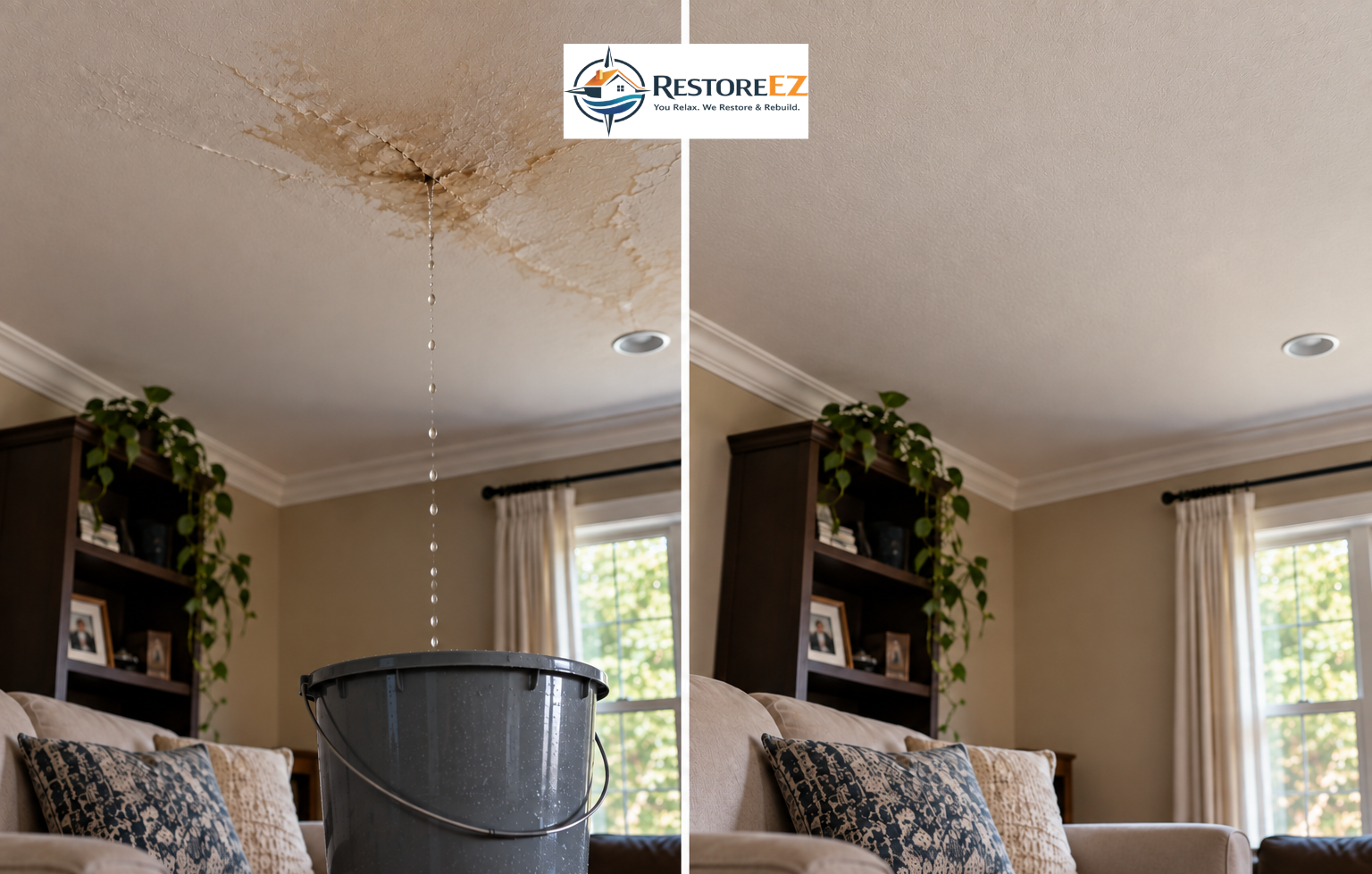
Structural decay is especially worrying because it may not be obvious until serious damage has happened. A ceiling stain might seem minor but could mean roof leaks or plumbing issues have already hit insulation or joists. Delaying cleanup often means paying for both drying and rebuilding. Early assessment is always the safer and more economical choice.
How Professional Cleanup Keeps You Safe
Water Damage Affects More Than Surfaces
When water enters a building, it can bring dirt, bacteria, and other contaminants. Even clean water can get contaminated after sitting or touching building materials. That's why professional cleanup covers both removal and sanitization. The goal is not just a dry property, but a safe one.
This is crucial in homes with kids, seniors, or people with asthma or allergies. Moisture and mold can worsen symptoms and reduce comfort. The CDC offers useful info on the health effects of moisture and indoor mold at mold and health. If you're unsure about air quality after water damage, it might be wise to evaluate ventilation and consider services that improve air quality and reduce contamination.
Air Quality Can Suffer if Cleanup Isn't Complete
Even after visible water is gone, lingering dampness can create musty odors and promote microbial growth. This can make a property feel unhealthy, especially if the HVAC system spreads moisture throughout the building. A thorough restoration plan should include drying, deodorizing, and air system checks when needed.
This is where a wider remediation strategy helps. Alongside structural drying, techs might suggest mold checks, deodorization, and air quality testing based on the loss extent. Full recovery often depends on addressing the whole environment, not just the wettest spot. In severe cases, proper remediation prevents repeat issues and protects the building's value over time.
Real-World Example: Why Quick Action Counts in Coastal Florida
Storms Increase the Risk
Communities near the Gulf of Mexico face higher chances of water intrusion during storms, hurricanes, and floods. Coastal properties might deal with roof leaks, wind-driven rain, foundation seepage, or storm surge contamination. In these scenarios, every hour counts because humidity and outside moisture slow down drying.
After major storms, waiting often turns a small water problem into a bigger restoration challenge. Materials stay wet longer, mold spreads, and odors settle in. The result? Longer recovery periods and higher repair costs. This pattern shows why being ready for emergencies is so vital for homes and businesses in high-risk areas.
Delayed Restoration Means Bigger Losses
Take a waterfront property that had water intrusion after a hurricane. The owner planned to fix it later, but the delay let moisture reach the subfloor and wall cavities. Within days, musty smells emerged, and mold formed in hidden spots. What could have been a simple drying task turned into a larger remediation and repair job.
This story is common in storm-hit areas. While the initial water event might be unavoidable, the extent of damage often depends on how quickly the property is stabilized. That's why having a plan before disaster strikes is essential. Having a restoration partner ready can reduce downtime, simplify claims, and improve the odds of full recovery.
What to Do Right After Water Damage
Take Safe, Practical Steps
Your priority is safety. If water's near electrical outlets, appliances, or the breaker panel, stay away until it's checked. If it's a burst pipe or appliance leak, turn off the water if you can. Document the scene with photos and video before moving anything, as this helps with insurance and restoration planning.
Next, remove small items from the area if safe. Rugs, furniture, boxes, and electronics should be moved quickly. If you suspect contamination, avoid direct contact with water and call professionals. A quick response from a team skilled in water damage restoration can help you avoid mistakes and stop further damage.
Don't Rely on Fans Alone
Many people think opening windows or using household fans will solve the problem. But this often isn't enough once water soaks into building materials. Regular fans might dry the surface but leave deeper layers wet, trapping moisture and encouraging mold growth. Proper drying requires equipment that moves large air volumes and removes humidity.
That's why professionals combine extraction, dehumidification, and monitoring, not just one tool. Moisture readings guide the process, and techs adjust equipment placement until materials hit acceptable dryness. If the area is part of a bigger moisture issue, like repeated condensation or a hidden leak, the property might need air duct sealing or other fixes to cut future humidity problems.
Common Questions About Water Damage Cleanup
Can I Handle It Myself?
For a tiny spill or localized leak, limited DIY cleanup might work if you dry it immediately and no porous materials are affected. But once water hits walls, flooring, insulation, or larger areas, call in the pros. The risk of hidden moisture and mold rises fast, and most homeowners lack the gear for proper structural drying.
DIY cleanup also gets tricky with floodwater, sewage, or contamination. Here, protective measures and specialized sanitation are crucial. If unsure about severity, it's safer to have experts inspect before deciding what you can handle alone.
Will Insurance Cover the Damage?
Coverage depends on the water damage cause and your policy terms. Sudden losses, like burst pipes, often differ from gradual leaks or neglected maintenance. Contact your insurer quickly, document everything, and keep emergency action receipts.
Professional restoration documentation can support your claim by showing moisture readings, damage progression, and completed work. This is another reason advanced tech matters in cleanup. Clear records cut confusion and help claims move smoothly. For preventive tips and long-term resilience, some owners explore local options like the weatherization program to reduce future moisture risks.
How Do I Know Drying Is Complete?
Drying isn't done when floors feel dry or odors fade. It's confirmed by measuring affected materials against normal moisture levels in unaffected areas. Certified techs use monitoring tools to track the process and determine when it's safe again.
If you still smell musty odors, see warping, or notice dampness, it might not be dry yet. In these cases, more time, better equipment placement, or extra remediation steps might be needed. The most reliable answer comes from real measurements, not guesswork. This makes professional monitoring crucial in recovery.
How Restoreez Helps Homeowners Recover Fast
Quick Response and Thorough Documentation
Restoreez offers 24/7 emergency support for homes and businesses hit by water damage, smoke damage, and mold issues. A fast response limits moisture spread and shortens restoration time. The team uses top-grade gear and follows a careful process to stabilize properties and guide owners every step of the way.
Documentation is part of the service. Detailed photos, moisture readings, and clear communication keep owners informed and ready for insurance. This structure reduces stress during tough times. If damage affects multiple materials or there's worry about hidden mold, a follow-up mold remediation plan can restore your property safely and completely.
Prevention After Cleanup Matters Too
Cleanup is just the start. Once dry and restored, it's crucial to cut future water intrusion risks. This might mean maintenance checks, HVAC improvements, better ventilation, or protective upgrades like flood barriers. In some buildings, recurring moisture issues tie to airflow problems, making indoor air quality improvements key to long-term prevention.
For businesses and homeowners, the best restoration strategy handles the immediate crisis and strengthens the building against future ones. Fast cleanup, careful drying, and focused prevention measures protect property value and cut future disruption. When the next storm or leak hits, you'll be glad your building's better prepared.
Final Thoughts: Quick Action Protects What Matters
Don't Wait for Damage to Get Worse
Don’t delay water damage cleanup because the risks grow fast. Moisture spreads, materials break down, mold can start within 48 hours, and repair costs rise as damage gets complex. What starts as a small leak can quickly become a big structural, health, and financial headache if left untreated.
The smartest move is simple: act fast, document the damage, and bring in the pros to extract water, dry the structure, and tackle hidden issues. If you're dealing with a leak, flood, or storm, early intervention saves time, money, and hassle. For property owners needing reliable help, Restoreez is ready to offer expert restoration support and guide you confidently through recovery.
If you suspect water damage at your home or business, don't wait. Call in a professional team, protect your structure, and stop the damage from spreading.