Your Guide to Handling Water Damage Cleanup in Tarpon Springs, FL
Dealing with water damage can be pretty stressful at first, but understanding the cleanup process can help ease your worries. Whether it’s from a burst pipe, a storm, or an appliance mishap, a professional approach can quickly stop further damage, protect your home, and lower the risk of mold forming. If you need reliable water damage restoration, knowing the steps involved can help you make smart choices right when problems arise.
In this guide, we’ll break down what professional cleanup involves, from emergency response to the final repairs. We’ll explain why acting quickly is crucial and how modern technology can improve results. We’ll also cover how services like mold inspection and mold remediation might be necessary when hidden moisture has become a bigger issue. For more on indoor moisture and mold, you might find the U.S. Environmental Protection Agency's guidance handy for understanding why quick drying is essential.
Why Quick Water Damage Cleanup is Important
Water Spreads Faster Than You Think
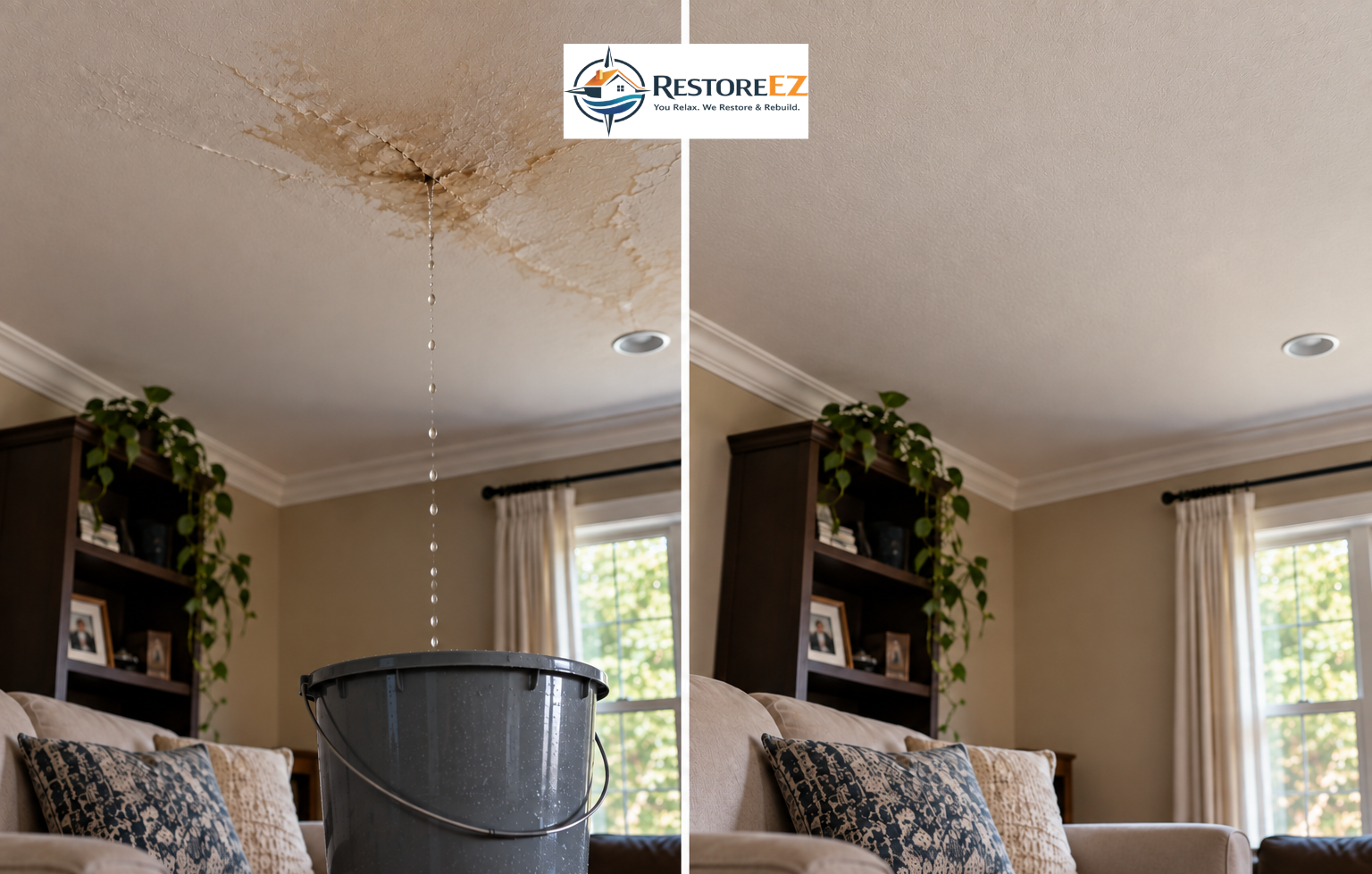
Once water gets into your home, it doesn’t just stay put. It can seep through carpet padding, drywall, and even behind walls. That's why a small leak can quickly turn into a big restoration project. Professional cleanup is about catching damage early, preventing it from spreading, and saving as much of your home as possible.
Hidden Moisture is a Major Concern
One big reason to call in professionals is that water can be hiding where you can't see it. Moisture can linger in materials long after you think they’re dry, creating a perfect spot for mold. Modern tools like thermal imaging cameras and moisture meters help pros find hidden water more accurately. This technology is a game-changer for indoor air quality because it ensures everything is truly dry and safe, not just cleaned up on the surface.
Professional Cleanup Supports Your Insurance Claim
Documented cleanup can make all the difference for an insurance claim. Detailed photos, moisture readings, drying logs, and repair notes show that you handled the damage quickly and correctly. Many insurers expect you to take reasonable steps to prevent further damage, so fast professional action is important both practically and financially. For general info on what your insurance might cover, check out the Insurance Information Institute.
Your First Step: Emergency Response and Initial Assessment
What to Expect When You Call a Restoration Team
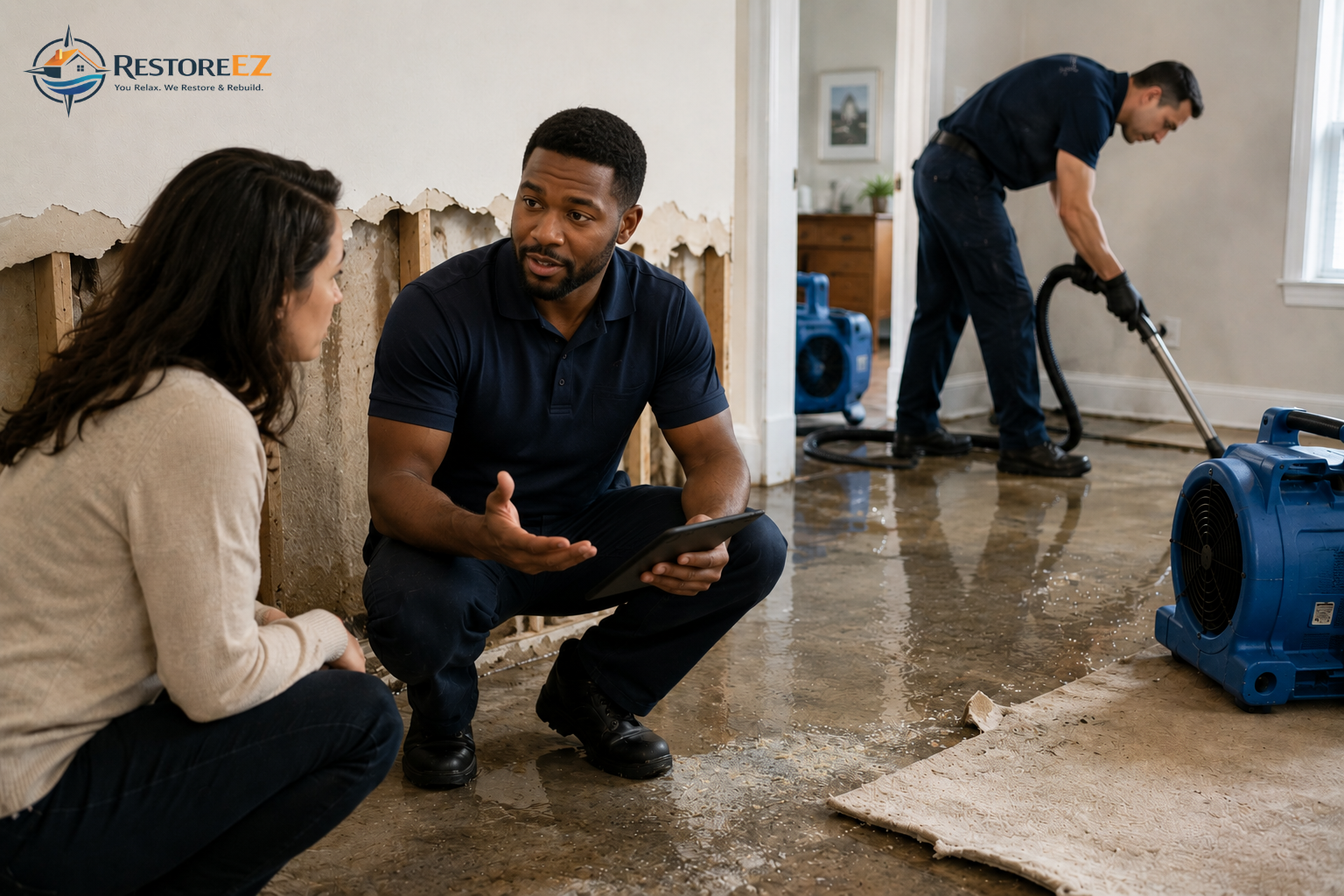
The cleanup process usually kicks off with an emergency call. The restoration team will ask about where the water is coming from, how long it's been there, and what areas are affected. This first chat helps them show up with the right gear and a solid plan. In urgent cases, a quick response can mean the difference between a minor repair and major reconstruction.
A Thorough Inspection Follows
Once they arrive, professionals inspect the damage to see how far it has spread. They identify the source of the water, figure out which materials can be saved, and look for any signs of contamination or structural issues. They might also take moisture readings in nearby rooms and behind walls to get a full picture. This assessment shapes the rest of the project, including whether you need emergency water extraction, structural drying, or even fire damage restoration if fire-fighting efforts caused water intrusion.
Safety is Always a Priority
Before any cleanup starts, the team checks for electrical risks, slippery surfaces, damaged ceilings, and contamination. They might advise you to leave the property temporarily, particularly if the water is contaminated or the structure is unstable. Professional teams know how to balance speed with safety, which is crucial for homes and businesses recovering from storms or plumbing failures. If you’re curious about the standards they follow, the IICRC S500 standard lays out the common guidelines for water damage restoration.
Emergency Water Extraction and Containment
Removing Standing Water Quickly
After the initial assessment, the focus shifts to getting rid of standing water fast. Industrial pumps, weighted extraction tools, and wet vacuums are used to remove water as quickly as possible. Speed is key here because the longer water sits, the more it soaks into materials and weakens your home’s structure. This phase often determines whether the restoration stays manageable or becomes a bigger rebuild.
Containing the Damage
Professionals also work to keep the affected area isolated so moisture doesn’t spread. They might set up barriers, protect untouched rooms, and move belongings out of harm's way. In commercial spaces, this helps reduce business interruptions by keeping part of the facility operational while cleanup continues. For homeowners, it helps protect furniture, flooring, and personal items from further damage.
Why This Step is Crucial for Long-term Safety
Emergency extraction lowers the chances of swelling wood, warped flooring, rusted metal parts, and mold growth. Studies in the industry indicate that professional water damage remediation significantly reduces mold growth compared to DIY efforts. That’s why many restoration teams stress immediate extraction before moving on to cosmetic fixes. If you’re thinking about future protection, services like flood barriers can help in storm seasons.
Drying and Dehumidification: Precision Matters Here
How Air Movers and Dehumidifiers Work Together
Once the visible water is gone, the real drying process starts. Professionals use high-velocity air movers to speed up evaporation while commercial dehumidifiers pull moisture from the air. These tools work together to ensure that everything dries evenly, not just on the surface. The goal is to restore safe moisture levels throughout your home, not just make it feel dry.
Moisture Readings Guide the Way
Technicians don’t guess when it’s dry. They use moisture meters, hygrometers, and thermal imaging to measure conditions across the affected area. This data-driven approach makes restoration timelines more predictable. Industry data suggests that most water damage restoration jobs take about 2 to 5 days, although severe or hidden damage can extend that time.
Monitoring Until Stability is Achieved
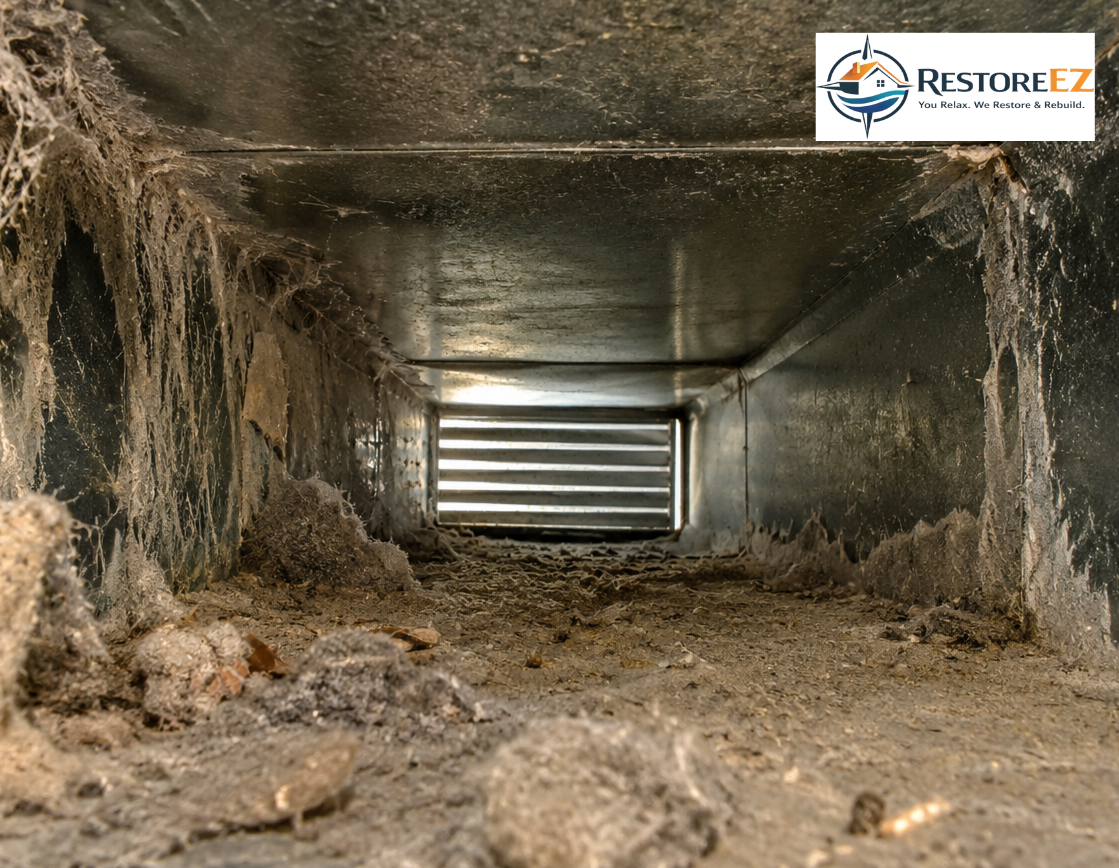
Drying is monitored daily, with adjustments made as needed. Professionals look for a steady drop in moisture levels and may reposition equipment to target hard-to-reach spots. This step is crucial because incomplete drying can lead to recurring odors, material failure, and mold outbreaks later on. If the HVAC system is affected, pairing cleanup with air duct cleaning or air duct sealing can help maintain a clean indoor environment after the main drying work is done.
Cleaning and Sanitizing Affected Surfaces
More Than Just Making Things Look Good
Once drying is complete, the team cleans surfaces to remove dirt, residues, and any contamination from the water event. This can include wiping down structural surfaces, cleaning floors, and treating salvageable items. The aim is not just to restore appearance but to reduce the risk of bacteria, odors, and microbial growth. In many cases, professional know-how makes a big difference, especially when materials have been exposed to dirty water.
Sanitizing to Prevent Mold
Sanitizing is particularly crucial because damp materials can support mold quickly. Professionals use approved cleaning agents and antimicrobial treatments where suitable, based on the property’s condition and the type of water involved. This is also when a detailed mold remediation plan might be recommended if mold growth is present or likely. The Centers for Disease Control and Prevention explains that moisture control is key to preventing indoor mold problems, and you can read more at CDC mold resources.
Odor Control is Part of the Process
Water damage often leaves musty odors, especially if moisture affected drywall, padding, or framing. Professionals may use deodorization, source removal, or air treatments to tackle these smells. If contamination or smoke residue is also an issue, odor control becomes even more complex. The goal is to leave the place clean, safe, and comfortable to occupy again.
Restoration and Reconstruction: The Last Steps
Repairing Damaged Materials
Once the structure is dry and clean, it’s time for restoration and reconstruction. This might involve replacing drywall, insulation, baseboards, flooring, cabinets, trim, or other damaged materials. The amount of work depends on how long water was present and which areas were affected. In minor cases, this stage might be brief; in severe cases, it could involve extensive rebuilding.
Bringing Everything Back to Normal
Restoration is about more than just drying out a room. It’s about making your home safe and functional again. That might mean repainting walls, repairing subfloors, reinstalling fixtures, or coordinating with other trades. For business owners, it might also include phased work so operations can resume quickly. Having a trusted restoration partner helps keep the project organized from start to finish.
Real-world Example: A Burst Pipe in a Home
Imagine a homeowner who finds a burst pipe overnight. By morning, the hallway carpet, drywall, and part of the living room are soaked. A professional team extracts the water, dries the structure, and removes damaged drywall before mold can develop. What started as a stressful emergency becomes a manageable project because the response was quick and systematic. In many cases like this, the difference between a small repair and a full remodel comes down to the first 24 hours.
Real-world Example: Storm Damage in a Business
A local business might face water intrusion after a severe storm, especially in areas with frequent thunderstorms. If addressed promptly, a crew can dry out the workspace, protect inventory, and minimize downtime. In commercial restoration, speed matters not only for property protection but also for payroll, customer service, and revenue. That’s why many companies value clear communication, fast action, and a predictable timeline.
Understanding the Timeline and Process
Most Jobs Take a Few Days, But It Varies
Water damage cleanup generally takes about 2 to 5 days, but the timeline depends on the size of the area, the materials involved, and how quickly the damage was discovered. A small, clean-water leak might dry quickly, while storm damage or sewage issues may require extra steps. Hidden moisture behind walls or under floors can also extend the project because those areas must be verified before reconstruction.
Expect Equipment and Daily Monitoring
During the drying phase, you’ll likely see air movers, dehumidifiers, hoses, and monitoring tools around the property. The equipment might be noisy, but it’s essential to the process. Crews often return daily to take readings and ensure the structure is drying properly. If conditions aren’t improving as expected, they may adjust the equipment layout or remove damaged materials to speed up drying.
Ongoing Communication is Key
A good restoration company keeps you in the loop about progress, next steps, and what to expect if repairs need to expand. You should feel comfortable asking about the water source, the timeline, and whether any areas are unsafe. Clear communication is especially important for insurance claims and for families trying to plan around temporary disruptions. If you need service updates or support, Restoreez serves nearby communities like Tarpon Springs and the Tampa Bay area.
Why Tarpon Springs Weather Makes Fast Cleanup Essential
Humidity Raises the Stakes
In Florida, water damage cleanup must account for humidity, which slows drying and increases mold risk. This is especially true in Tarpon Springs, where frequent storms can cause sudden water issues. Even when water is removed quickly, high humidity can keep materials damp longer than expected. This is why professional drying equipment and moisture monitoring are crucial here.
Local Experience Improves Outcomes
A restoration provider familiar with local building styles and weather can diagnose problems faster and recommend better solutions. For instance, older homes might have different materials or ventilation issues than newer ones. Local pros understand how to handle these variables and reduce the risk of long-term damage. Local knowledge also helps with practical matters like access, scheduling, and storm-related demand.
Prevention is Still Important
Once the immediate problem is fixed, it’s smart to think about prevention. Leak detection, maintenance, drainage improvements, and protective upgrades can reduce future risk. Homeowners might also benefit from services like smart thermostat solutions that help manage humidity. For properties with recurring moisture issues, weatherization can make a big difference over time.
Common Questions About Water Damage Cleanup
Should I Try to Clean it Myself?
DIY cleanup might be tempting, especially if the damage looks small. But visible drying doesn’t mean hidden areas are dry, and many don’t have the tools to find trapped moisture. Professional cleanup is usually the safer bet when damage affects walls, floors, insulation, or multiple rooms. If the water is contaminated or the odor is stubborn, professional help is even more important.
Can I Stay in the Home During Restoration?
Sometimes, yes. If the damage is small, the structure is safe, and air quality is okay, you might be able to stay in your home. But if the water is contaminated, the damage is widespread, or equipment makes living there tough, temporary relocation might be best. Your restoration team should clearly explain the risks so you can decide.
Will Insurance Cover the Cleanup?
Coverage depends on the cause of the damage and your policy terms. Sudden and accidental water events are often covered, while neglect or maintenance issues may not be. It’s wise to document the damage, save receipts, and contact your insurance provider quickly. For general disaster info, Ready.gov is a helpful federal resource for understanding what to do after floods and water emergencies.
How Do I Know if Mold is Already a Problem?
Signs can include a musty smell, discoloration on walls or ceilings, allergy-like symptoms, or damp materials that haven’t dried. But mold isn’t always visible, which is why inspection matters. A thorough check might include inside wall cavities, under floors, and around HVAC parts. If mold is found, immediate mold inspection and remediation can help protect your home and health.
Selecting a Professional Restoration Team
What to Look For
The best restoration teams mix technical know-how with responsiveness and professionalism. They should explain the process simply, provide moisture documentation, and keep you updated. Experience matters because water damage often affects multiple systems, and the right response is key. A reliable company will guide you on when specialized services are needed and when a simpler repair is enough.
Standards and Training
Professional cleanup is strongest when it follows recognized standards like the IICRC S500 framework. This helps ensure the work is consistent, measurable, and focused on results rather than quick fixes. Feel free to ask how the team documents moisture readings, determines dry standards, and what they do if hidden damage is found. These questions can tell you a lot about the company’s quality.
Choose a Company that Supports Full Recovery
Sometimes cleanup leads to additional needs like air quality work, odor control, or even dryer vent cleaning if the event affected systems. A provider offering multiple services can simplify the process and reduce delays. It also makes it easier to coordinate follow-up work after the initial emergency is dealt with. For property owners who want one dependable resource, this support can be a big plus.
Wrapping It Up: Fast Action for Better Outcomes
Professional water damage cleanup is a straightforward process to protect your home, lower health risks, and prevent small issues from becoming big repairs. From emergency extraction to drying, sanitizing, and reconstruction, each stage serves a purpose. Knowing what to expect helps you respond quickly, ask informed questions, and feel more confident about the outcome.
If your home or business is affected by water, don’t wait for the damage to spread. Contact a qualified restoration team right away, document the problem, and take steps to protect your indoor environment. If you need fast help with water damage restoration or related services, Restoreez is ready to assist with professionalism and care. Call (813) 703-0300 or visit Restoreez to get started today.