Your Go-To Guide on How Mold Impacts Indoor Air in Tarpon Springs, FL
Mold isn’t just an eyesore or a weird smell lurking in your closet. It can really mess with the air you breathe, spark health issues, and sneakily damage your home long before you realize it’s there. Whether you own a home or run a business, knowing how mold affects indoor air quality is crucial for keeping everyone healthy and your property safe. Think you might have a moisture issue? Getting help from professional mold inspection and indoor air quality services can turn a big problem into a manageable one.
Mold is often underestimated. Did you know a survey found mold in 47% of homes, yet only 37% of people thought they had it? Even worse, 77% didn’t even know it was in their homes. This gap between perception and reality shows why better detection and prevention are so important, especially in humid places like Florida. Here, mold remediation isn’t just a good idea; it’s a must.
What Mold Is and Why It Affects Indoor Air
Mold Loves Moisture
Mold is a type of fungus that spreads through tiny spores. These spores are everywhere, indoors and out, but they become a problem when moisture helps them grow on surfaces like building materials, dust, or fabrics. Once mold is active, it releases more spores into the air, which can circulate through rooms and HVAC systems. This results in poorer indoor air quality and can lead to irritation, allergies, and respiratory issues.
Air Quality Suffers Even When Mold Is Hidden
You might not see mold, but it can still affect your home. It often grows behind walls, under floors, in attics, inside cabinets, or around HVAC systems. People might only notice a musty smell, persistent coughing, or condensation near windows. Treating mold as just a surface cleaning issue is a mistake. If your property has had leaks or flooding, water damage restoration is often the first step to stopping mold before it starts.
Why Florida Homes Are Especially At Risk
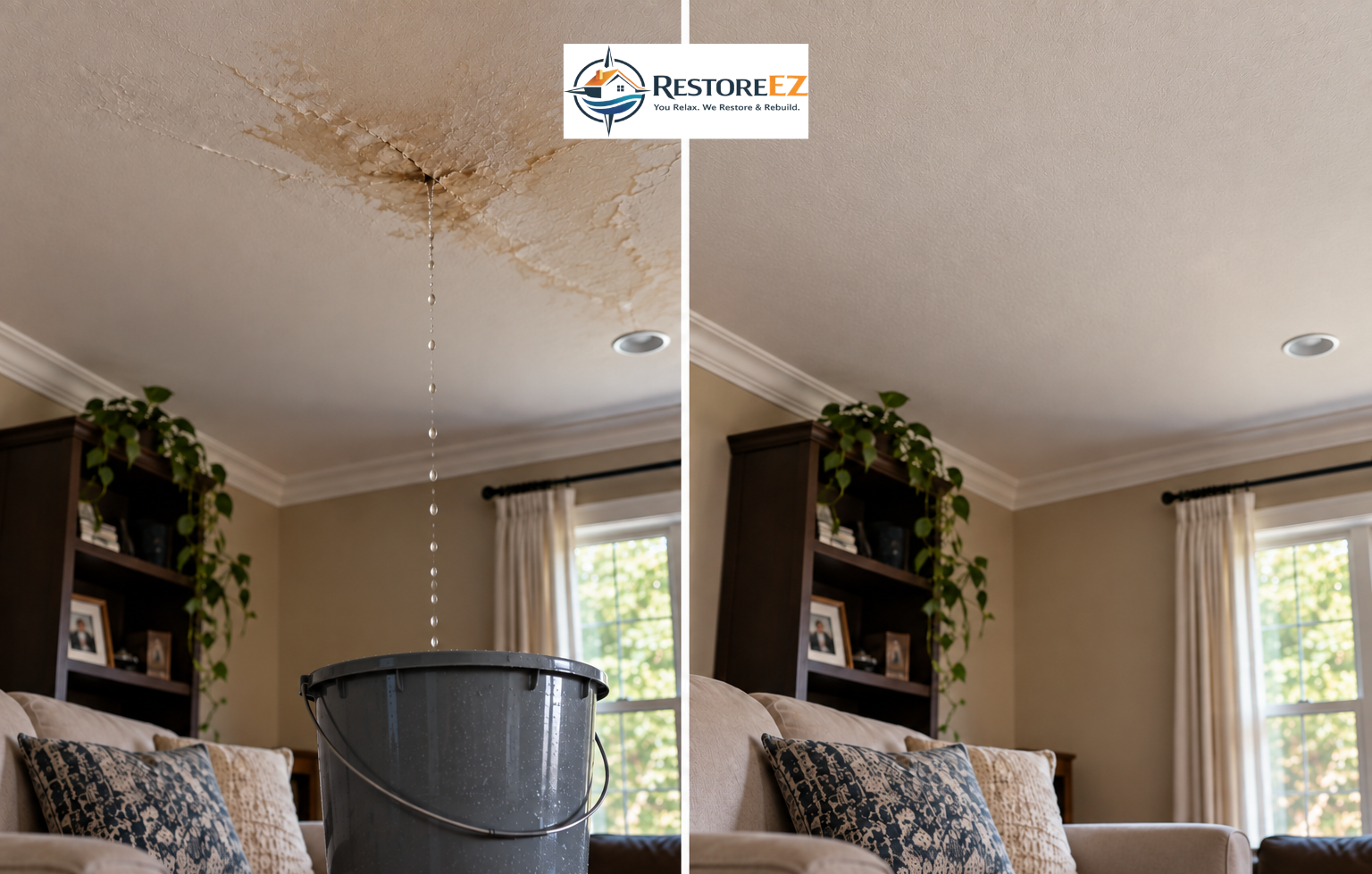
Warm weather, humidity, and seasonal storms create perfect conditions for mold. In Tarpon Springs and nearby areas, moisture from roof leaks, plumbing issues, storm damage, and high humidity is common. Even a small delay in drying can lead to mold spreading. Quick action is critical after a water event, especially in homes with ventilation issues or older materials.
Health Effects of Mold Exposure You Should Be Aware Of
Respiratory Symptoms Are the Most Common
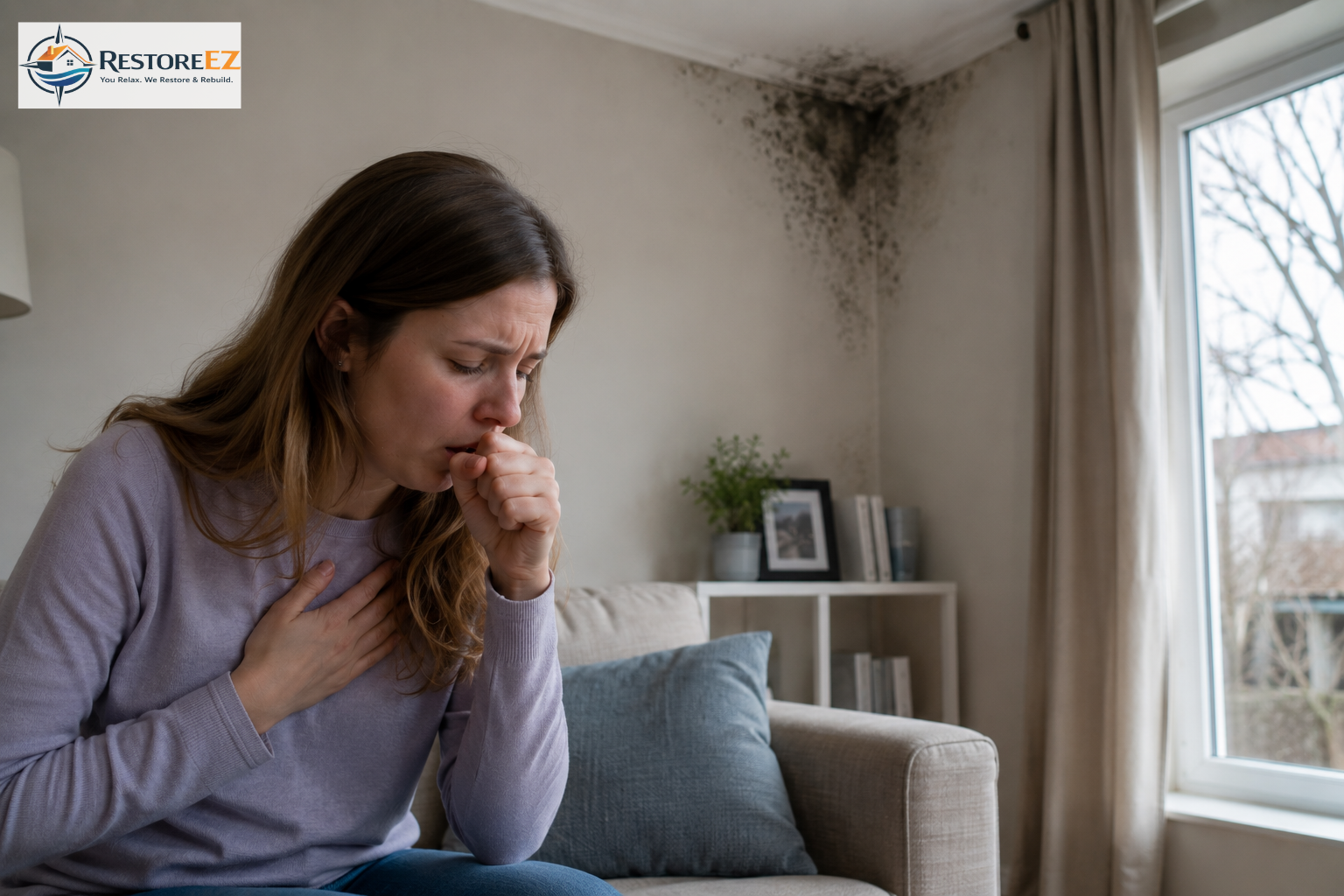
The Centers for Disease Control and Prevention point out that mold exposure can cause symptoms like coughing, wheezing, sneezing, and throat irritation. People with asthma or allergies might feel it more, but even healthy folks can experience headaches, congestion, or eye irritation when mold spores are high. For kids, seniors, and those with weakened immune systems, the effects can be worse or last longer. Check out more about these health concerns on the CDC’s page at cdc.gov.
Symptoms Might Improve When You Leave
If you notice you feel better when you’re away from home or work, that could be a sign mold is affecting your indoor air quality. If symptoms like congestion or coughing appear at night, it might be time to check for mold. While it might not be the only cause, it’s a good reason to inspect for moisture and mold growth. Persistent symptoms often mean it’s time for a full evaluation of your building and ventilation system.
Long-Term Exposure Can Lead to Bigger Issues
Short-term mold exposure might cause mild discomfort, but long-term exposure can lead to chronic respiratory issues and a lower overall sense of well-being. For those sensitive to mold, even low levels can make a space feel unlivable. In workplaces, mold can reduce comfort and increase absenteeism. Addressing mold early is a smart health and business decision.
Signs That Mold Is Affecting Your Air
Musty Odors Are a Big Clue
A persistent musty smell is often one of the first signs mold is nearby. This odor might be stronger in places like closets, bathrooms, basements, or anywhere with poor airflow. Even if you can’t see any growth, the smell indicates mold activity and potential moisture issues. If the odor comes back after cleaning, consider a professional check-up.
Visible Stains and Peeling Materials Matter
Water stains, bubbling paint, warped drywall—these are signs moisture has entered your building and could lead to mold. Often, homeowners focus on visible damage and miss the air quality impact. Once mold grows in porous materials, spores can become airborne and spread throughout your home.
HVAC Issues Can Spread Mold
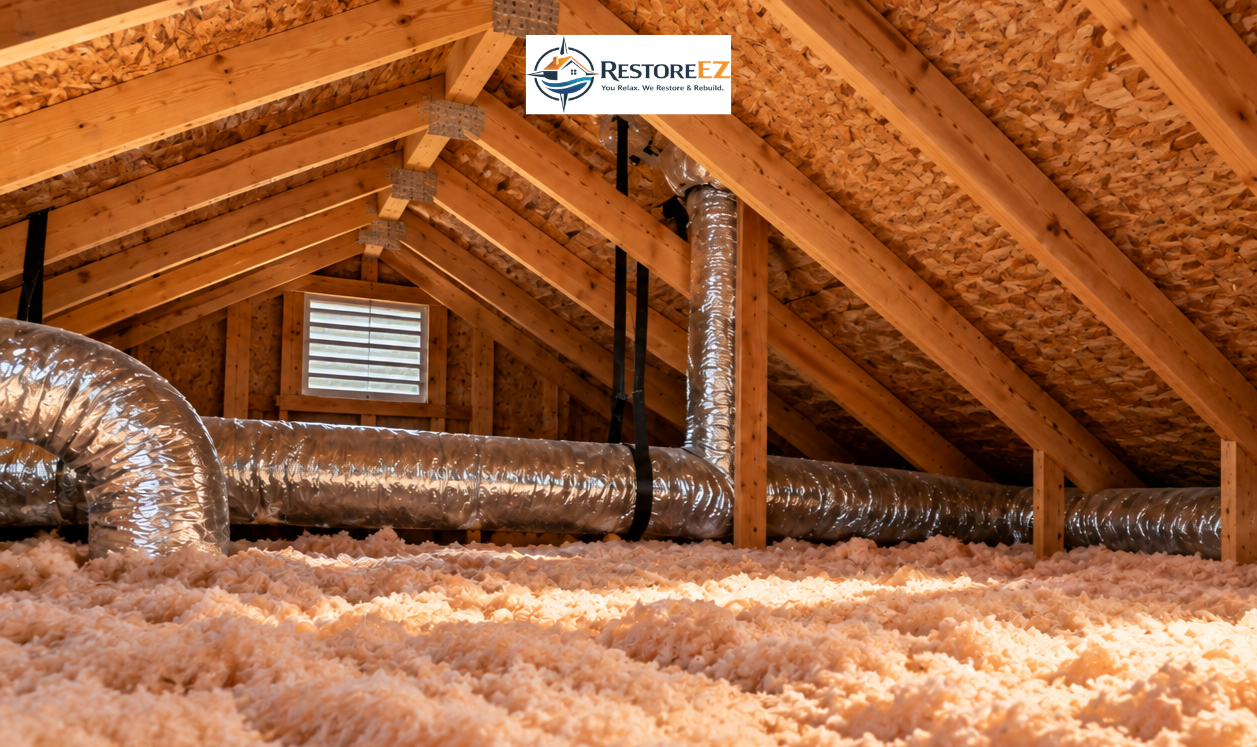
Your heating and cooling system can either help control mold or spread it. If condensation builds up in ductwork or air handlers, mold can grow and spread spores throughout your property. This is why duct maintenance is crucial, especially in humid areas. Professional air duct cleaning and air duct sealing can improve efficiency and reduce mold spread.
Latest Trends in Mold Detection and Remediation
More Awareness, But Hidden Mold Is Still Common
People are getting more aware of mold, which is great because many live with it unknowingly. Better inspections and quick action after water damage are more important than ever. With more accessible mold detection tools, you have more options to catch issues early.
Advanced Containment Methods Are Raising Standards
Modern remediation methods are more advanced than basic cleanup. Techniques like HEPA filtration and negative air pressure containment prevent spores from spreading during work. This is especially crucial in professional settings to ensure indoor air quality is maintained.
Research Highlights a Broader Issue
Reports show mold often hides in ordinary rooms like bathrooms and basements. Minor leaks and everyday humidity can start the process. Early moisture control and remediation can prevent these hidden outbreaks.
Tips to Prevent Mold and Protect Your Air Quality
Control Moisture First
Mold can’t grow without moisture, so start there. Fix leaks quickly, inspect roofs and windows, and watch for plumbing problems. If you’ve had water issues, fast and thorough drying is essential. Combining water damage restoration with indoor air quality testing helps identify sources and verify safety.
Ventilate Moisture-Prone Areas
Strong ventilation is key in places like bathrooms and kitchens. Run exhaust fans during and after showers or cooking. Dehumidifiers can help in damp areas, especially when outdoor humidity is high. If a room feels clammy or stale, it likely needs better moisture management.
Regular Inspections Matter
Routine checks can catch mold early. Inspect around toilets, tubs, sinks, cabinets, and windows for leaks. Look for stains, soft drywall, or peeling paint. A professional mold inspection is valuable if you suspect a hidden issue.
What to Do If You Suspect Mold
Don’t Rely on Smell Alone
Odor is important but not enough to gauge contamination. Mold may be hidden in places you can’t see. If you spot symptoms, stains, or dampness, document it and avoid disturbing the area. Disturbing mold can worsen air quality issues.
Know When DIY Is an Option
Small surface issues on nonporous materials might be safe to clean yourself with proper protection. But DIY isn’t a good idea for large, recurring problems or when HVAC systems are involved. In those cases, professional intervention is safer.
Act Fast After Water Damage
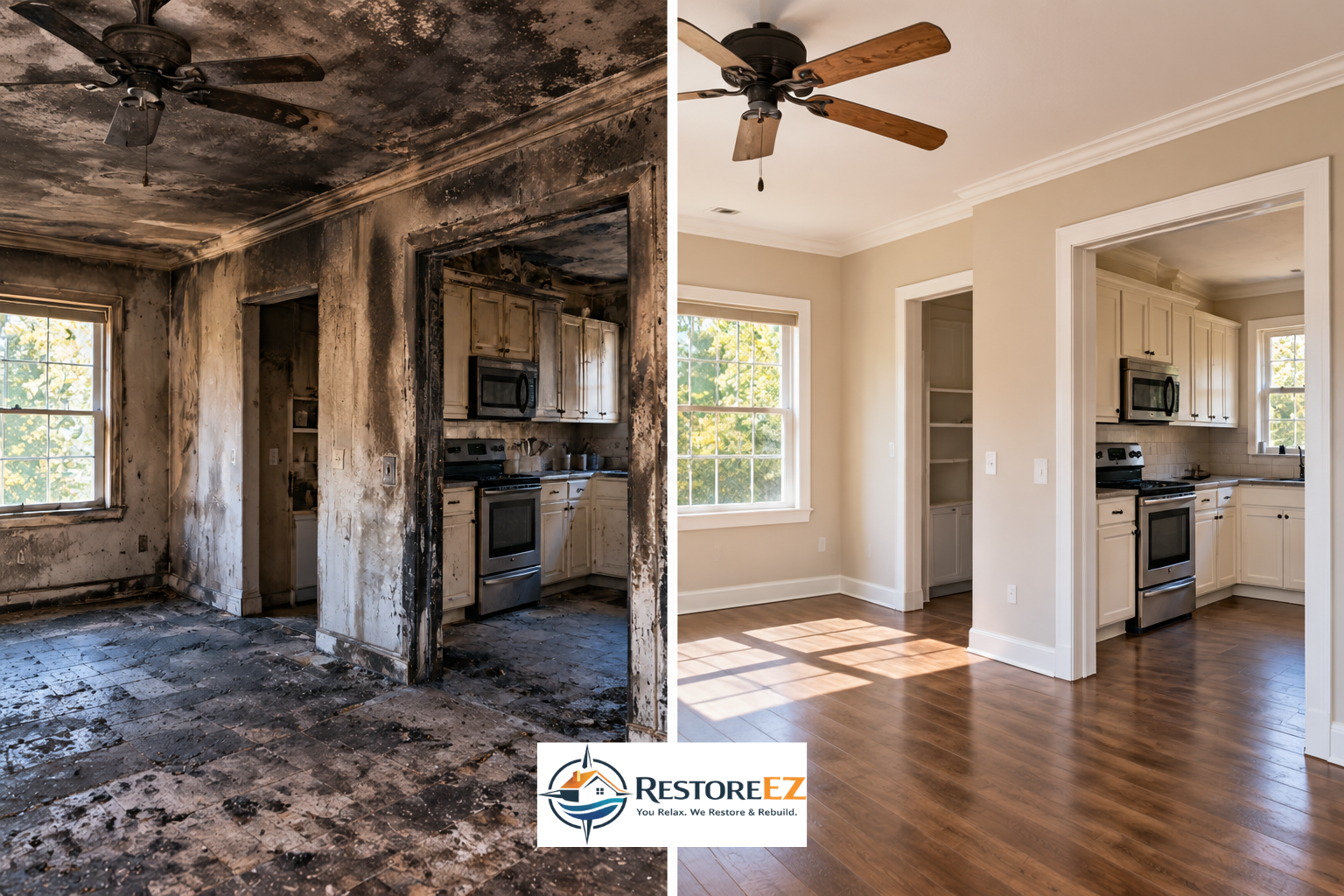
Mold can start growing within 24 to 48 hours in the right conditions. Quick action after leaks, floods, or fire suppression is crucial. Prompt drying and removal of unsalvageable materials are necessary to prevent mold growth.
Case Study: Mold Growth After a Storm in a Humid Coastal Home
Hidden Damage Develops After Storms
In coastal Florida, storms can push water into roofs and wall cavities. A property may look fine outside while moisture is trapped inside. When humidity rises, mold starts growing in hidden spaces. This pattern is common after severe weather because surface drying doesn’t mean the whole structure is dry.
A Layered Response Works Best
After storm damage, the best approach includes water extraction, drying, and inspection for hidden mold. Negative air pressure and HEPA filtration help when airborne spores are a concern. A coordinated plan that addresses water and mold verifies air quality before people return.
Why Quick Professional Help Matters
Delays can make a manageable issue a major one. Waiting can lead to damaged insulation, drywall, and broader contamination. Quick action limits spread and often reduces restoration costs. Professional response after a storm protects your building and the people inside.
How Professional Remediation Improves Indoor Air
Containment Keeps Spores From Spreading
One big benefit of professional remediation is control. Technicians isolate affected areas to prevent spores from spreading during removal. Proper containment and air filtration help keep the clean zones intact.
Removing Sources, Not Just Surface Cleaning
Mold often grows below the surface. Professional teams focus on removing the source, not just what’s visible. This approach restores indoor air quality and reduces the chance of recurring issues.
Verification Confirms the Job Is Done
After remediation, check to ensure moisture levels are normal and the air is stable. A proper cleanup plan includes drying verification, visual checks, and post-remediation cleanup of dust and debris. At Restoreez, our remediation services aim to restore safe, healthy conditions while minimizing downtime. If you need help in the area, learn more about our mold remediation and indoor air quality solutions.
FAQ: Common Questions About Mold and Indoor Air Quality
Can Mold Make Me Sick?
Mold can cause symptoms like coughing, sneezing, watery eyes, congestion, and wheezing, especially in those with allergies or asthma. Not everyone reacts the same way, but ongoing exposure shouldn’t be ignored. If symptoms improve when you leave a building, it’s worth checking the indoor environment more closely.
Is Bleach Enough to Fix the Problem?
Bleach might remove surface discoloration on some materials, but it doesn’t always solve moisture issues or remove growth inside porous materials. Many remediation plans focus on containment, source removal, and drying rather than spot cleaning. The goal is to restore both the air and the building.
How Do I Know If I Need an Inspection?
If you’ve had leaks, storm damage, persistent musty smells, unexplained symptoms, or visible water stains, an inspection is a smart next step. A professional can identify moisture sources, assess affected areas, and recommend the right treatment plan. Early evaluation can prevent bigger problems later.
Wrap-Up: Take Action Before Mold Gets Worse
Mold impacts indoor air quality by releasing spores, creating odors, and damaging the materials that keep a building dry and healthy. It thrives where moisture is overlooked, so prevention means fast repairs, regular inspections, and good ventilation. Research shows mold is more common than many think, and health effects can be significant with ongoing exposure.
If you suspect mold in your home or business, don’t wait for it to grow. Start with moisture control, confirm the source, and get qualified help when needed. Whether you need mold inspection, water damage restoration, air duct cleaning, or a complete indoor air quality assessment, acting early can protect your property and health. For fast, reliable help in Tarpon Springs and nearby areas, contact Restoreez today for cleaner, safer indoor air.