Why Fire Damage Restoration Matters After an Emergency
Once the fire is out, the real work begins. Fire damage restoration is key to rebuilding safely by tackling smoke, soot, structural issues, water damage, and lingering smells before they escalate. Getting on it quickly can make all the difference between a smooth recovery and months of unnecessary stress and repairs.
If you own a home or business, it’s not just about cleaning up what you can see. The aim is to restore the place to a safe, livable condition as soon as possible. If you've recently dealt with a fire, professional fire damage restoration can stabilize your property, help prevent further losses, and set you on a clear path to recovery. Often, teams also need to coordinate with water damage restoration because firefighting efforts usually leave behind a lot of moisture.
This is a pressing issue across the nation. According to the National Fire Protection Association, U.S. fire departments respond to a fire about every 24 seconds. In 2020, they reported 1,291,500 fires with an estimated $21.9 billion in direct property damage. These figures highlight why quick action and expert restoration are so crucial after a fire.
What Modern Fire Damage Restoration Includes
Emergency board-up and property stabilization
Securing the property is often the first step. Broken windows, damaged doors, and compromised roofs can leave the building vulnerable to rain, pests, vandalism, and more damage. Emergency board-up services protect the site while professionals assess the full extent of the damage and plan repairs.
Stabilization is important because fire damage is rarely confined to one area. Heat can weaken framing, char support structures, and damage finishes throughout the building. By quickly securing unsafe openings and minimizing exposure, restoration teams safeguard the property from further damage while starting the recovery process.
Smoke, soot, and odor removal
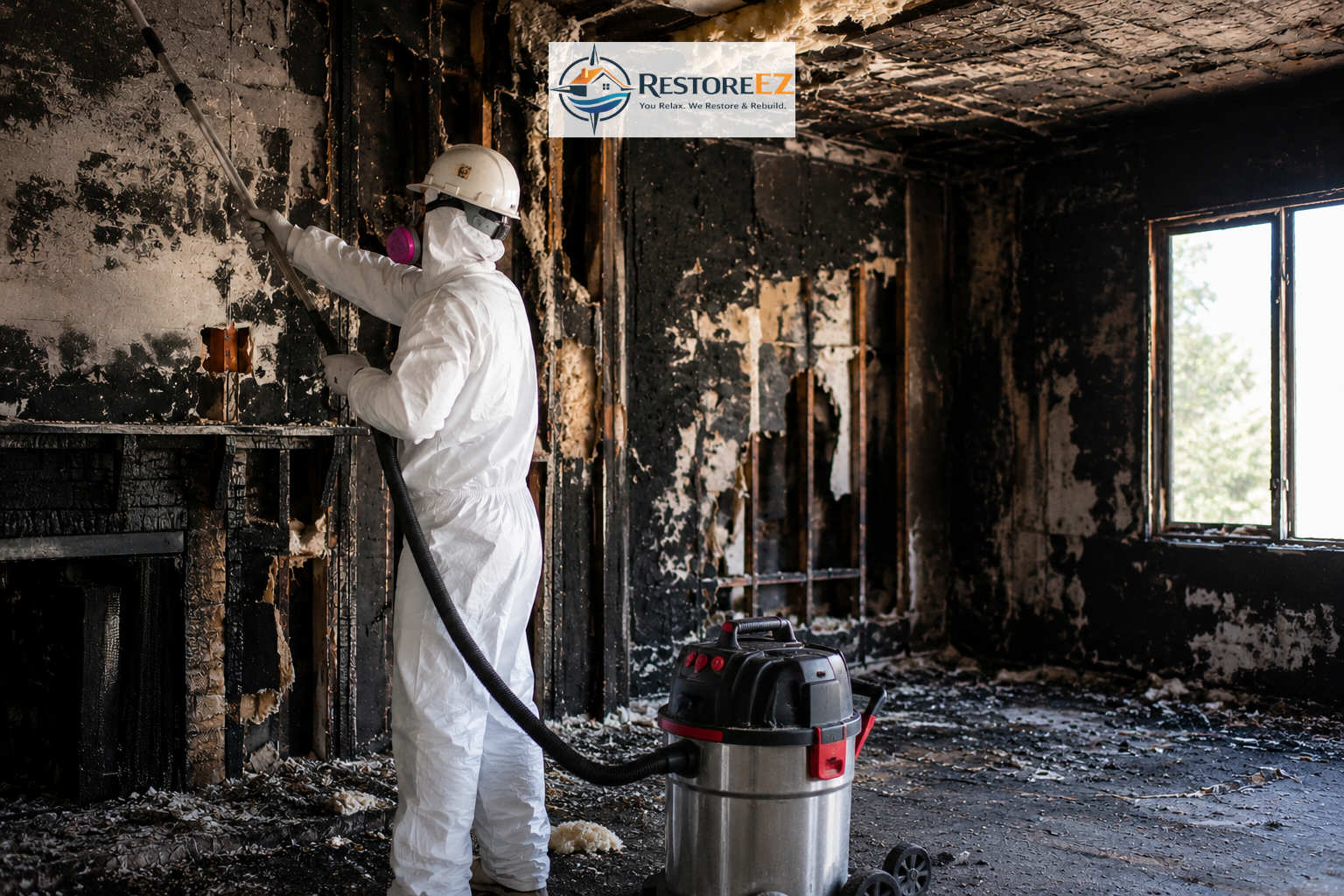
Smoke and soot can travel far beyond the initial fire site. These residues settle into walls, ceilings, furniture, textiles, HVAC components, and hidden areas. If not removed correctly, they can cause stains, corrosion, and persistent odors that make the space uncomfortable and unsafe.
Modern restoration companies use specialized cleaning methods and deodorization equipment, like air scrubbers and filtration systems, to improve indoor air quality. If smoke odor lingers in your building, services such as indoor air quality support can be particularly helpful during recovery, especially in enclosed areas where contamination has spread through ductwork.
Structural repairs and reconstruction
Once cleanup is complete, restoration often moves to repair and rebuilding. This might involve replacing drywall, insulation, flooring, cabinets, roofing, and damaged framing. In severe cases, contractors may need to rebuild entire sections of a home or business property.
Reliable fire damage restoration should cover the entire recovery process, not just surface cleaning. The best providers coordinate demolition, structural repair, and final finishing so owners don’t have to juggle multiple vendors. This all-in-one approach reduces delays and helps keep the project organized.
Why Rapid Response Is Critical in the First 24 to 72 Hours
Preventing water damage and mold growth
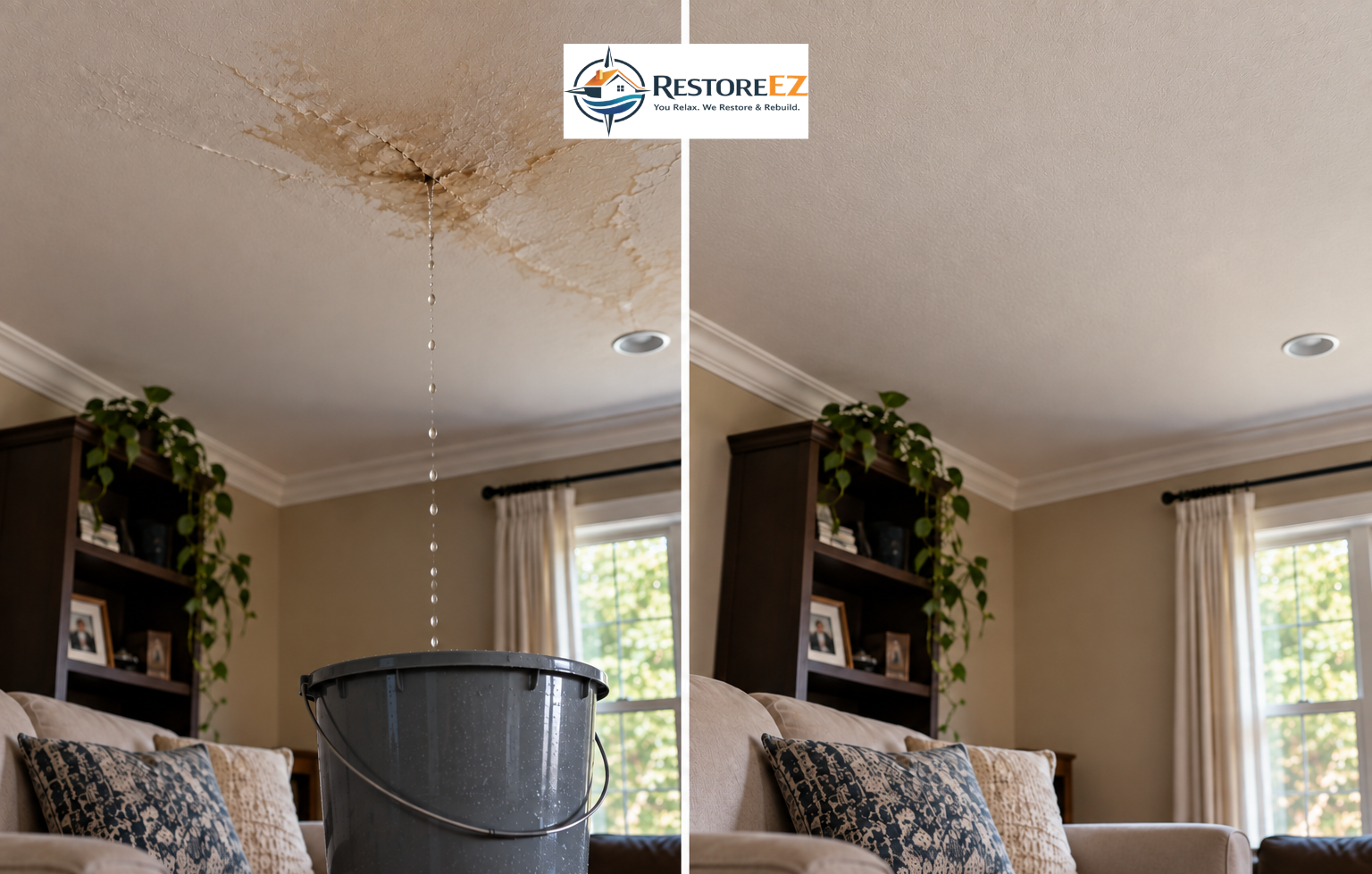
Firefighting often leaves properties soaked. That water can seep into walls, floors, insulation, and attic spaces, causing swelling, corrosion, and mold. The sooner you start extraction and drying, the lower the risk of further damage. Experts emphasize immediate action because moisture-related damage can escalate very quickly.
This is why fire recovery often overlaps with mold inspection and mold remediation. If the property stays damp too long, hidden mold can develop behind surfaces where smoke damage already exists. A thorough response helps prevent one emergency from turning into several overlapping problems.
Reducing corrosion and permanent staining
Many materials that seem intact after a fire can still suffer from acidic soot and corrosive smoke particles. Metals, electronics, appliances, and even some finishes can continue to deteriorate if not cleaned promptly. That's why timing is crucial in the first few days after a fire.
Professional cleaning teams use methods that stop residue from bonding more deeply with surfaces. Quick action can help preserve more of the property’s original structure and contents, which may also improve insurance outcomes and lower replacement costs.
Protecting insurance claim documentation
Responding quickly isn’t just about the building. It's also about creating a clear record of the damage. Photos, moisture readings, itemized inventories, and professional assessments can make the claims process smoother and more accurate. Waiting too long can mean losing important evidence or having it altered by secondary damage.
That's why it's wise to communicate early with your insurer and restoration provider. If you're managing the aftermath of a loss, check out general preparedness information from the U.S. Department of Homeland Security Ready program and keep a digital copy of important documents, policies, and contact information in a secure place.
How Professionals Assess Fire Damage Thoroughly
Visible and hidden damage evaluation
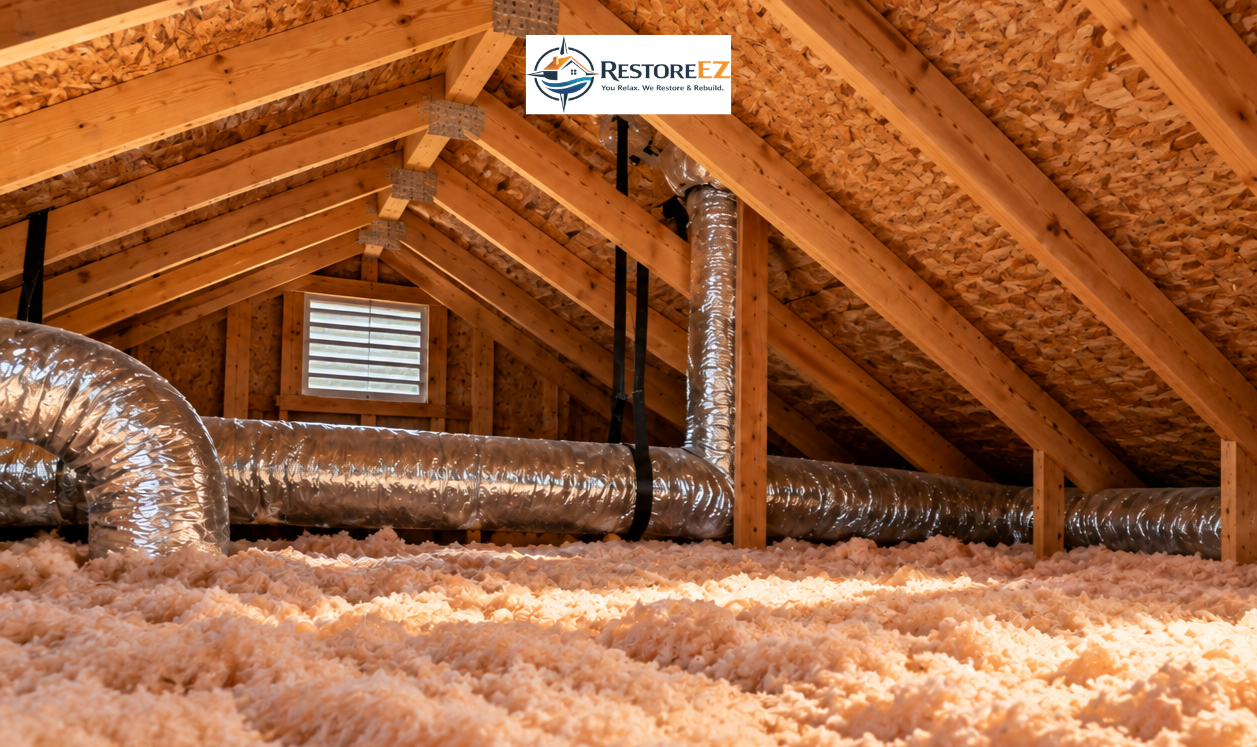
A solid restoration plan starts with a complete assessment. Not all damage is visible from the outside, and fire often affects hidden areas like attic spaces, crawl spaces, wall cavities, and HVAC systems. Thermal imaging and moisture detection tools help technicians identify areas needing cleaning, drying, or repair.
Without a full inspection, owners risk missing damage that can resurface weeks later. For instance, smoke contamination inside ductwork can continue circulating odors long after visible cleanup is done. A comprehensive evaluation ensures the restoration scope reflects the true extent of the incident.
Contents inventory and salvage decisions
Restoration pros also determine which belongings can be cleaned and restored versus what must be discarded. Furniture, documents, electronics, textiles, and sentimental items may all respond differently to smoke and soot exposure. Careful inventorying supports insurance claims and gives owners better visibility into replacement needs.
In a home setting, this process can be deeply emotional. Families often want to save photos, heirlooms, and important records. A skilled restoration team will explain realistic salvage options and use specialized cleaning methods when items have a strong chance of recovery.
Environmental and safety checks
Fire scenes can contain more than smoke residue. Depending on the structure and materials involved, there may be unstable framing, exposed wiring, broken glass, or harmful debris. Technicians must assess the site for safety before starting hands-on cleaning or demolition work.
In commercial losses, these checks are especially important because employees, customers, and equipment may be affected. The restoration team’s goal is to make the environment safe enough for work to resume quickly without compromising long-term integrity.
Advanced Techniques Shaping the Restoration Industry
Thermal imaging and moisture mapping
One of the big advances in the industry is using thermal imaging to detect hidden damage. This technology helps identify hotspots, temperature differences, and moisture intrusion behind walls or under floors. Combined with other diagnostic tools, it allows technicians to create a more accurate plan for cleanup and repair.
Moisture mapping is especially important when firefighting water has traveled beyond the immediate burn area. It helps restoration teams determine where structural drying is needed and reduces the chance that hidden wet materials will later lead to mold growth or odor issues.
Air scrubbers and odor-control systems
Another key trend is using advanced filtration and odor-control equipment. Air scrubbers, HEPA filtration, and containment systems capture airborne soot particles while deodorization tools reduce smoke odors at the source. These systems are far more effective than basic cleaning alone, especially in larger properties or heavily affected rooms.
For properties with poor ventilation or extensive smoke migration, professional air treatment can make the indoor environment safer and more comfortable faster. This is why air duct cleaning and duct-related services may also play a role in a complete recovery plan.
Integrated remediation services
The restoration industry is moving towards comprehensive service models that cut down the need for multiple contractors. Instead of hiring one company for cleanup, another for repairs, and yet another for air quality, modern restoration providers can handle the process from start to finish. That saves time and improves coordination.
Integrated services also make it easier to prevent cross-contamination between smoke, soot, water, and mold issues. In a humid climate, this broad approach is especially useful because fire damage can quickly turn into a larger remediation challenge if all risks are not addressed together.
Insurance Claims and Communication: What Property Owners Should Know
How to document damage properly
Insurance communication works best with clear and consistent documentation. Take photos and videos before major cleanup begins if it's safe, and keep a list of damaged items, structural issues, and visible safety hazards. Save receipts for emergency services, temporary housing, and protective materials if your policy allows reimbursement.
Detailed records help adjusters understand the severity of the loss. They also support faster approvals for mitigation work, which can be essential when the property must be dried, secured, or cleaned immediately.
Why alignment with policy requirements matters
Restoration should be performed with policy requirements in mind. That doesn't mean delaying urgent work. It means coordinating early so mitigation, drying, cleaning, and repair are documented in a way that aligns with coverage. Restoration companies with insurance experience can often help streamline this part of the process.
Property owners should not hesitate to ask questions about scope, estimates, and timelines. Clear communication with both the insurer and the restoration team reduces misunderstandings and helps keep the project moving.
Common claim concerns after fire damage
Many owners wonder whether smoke damage, odor removal, water extraction, and temporary relocation are included in coverage. The answer depends on the policy, the cause of the fire, and the language in the contract. In general, the more complete your records are, the easier it is to support a valid claim.
If you're unsure where to start, speak with your insurance provider early and ask the restoration company to explain the sequence of work. This can help you avoid out-of-pocket surprises and make informed decisions about repairs and replacements.
Real-World Examples of Fire Recovery
Residential kitchen fire recovery
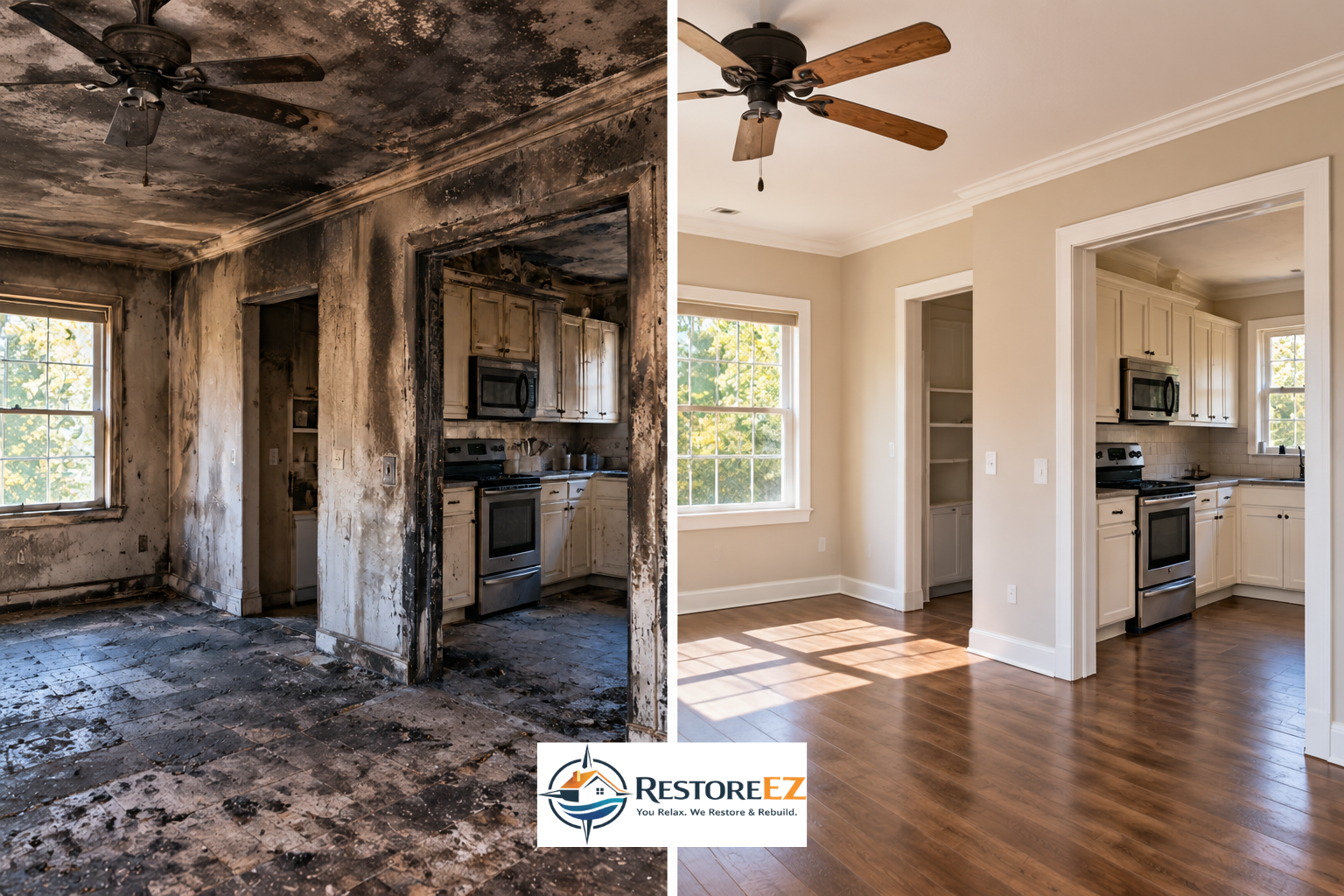
One common example is a kitchen fire that begins in an appliance or on the stove and spreads smoke throughout the home. Even when the flames are contained quickly, the smoke can travel into bedrooms, closets, and the HVAC system. In one Tarpon Springs recovery scenario, a family needed help with smoke and soot removal, odor control, and structural repairs before they could safely return home.
That type of project shows why quick professional help matters. A homeowner may think a few cleaned surfaces are enough, but hidden residue can continue to affect air quality and materials long after the visible mess is gone. A full restoration approach gives the family a safer and more complete recovery.
Commercial electrical fire recovery
In a small business setting, every day of downtime matters. A fire caused by an electrical malfunction can affect workstations, stock, wiring, lighting, and customer-facing areas all at once. In another Tarpon Springs example, the restoration team coordinated with the business owner and insurer to speed up cleanup and rebuilding so the company could reopen sooner.
For businesses, restoration isn't only about fixing the building. It's about protecting revenue, preserving customer trust, and getting employees back to work. Fast, coordinated service helps limit losses beyond the physical property itself.
Lessons from both types of losses
Whether the damage is residential or commercial, the lesson is the same: the earlier the response, the better the outcome. Professional fire restoration supports safety, helps reduce total damage, and makes recovery more predictable. That combination is especially valuable when stress levels are already high after an emergency.
In many cases, owners also benefit from follow-up services such as dryer vent cleaning and air duct sealing to improve safety and efficiency after the property is restored.
What to Expect from a Fire Damage Restoration Timeline
Initial response and assessment
The first phase usually focuses on emergency mitigation, property security, and assessment. This stage may happen within hours of the fire, depending on access and safety conditions. The goal is to stop further damage, document the scene, and outline the restoration plan.
Owners should expect this part of the process to feel fast-moving. That is a good sign. Immediate action often prevents a larger and more expensive recovery later on.
Cleaning, drying, and deodorization
After the initial evaluation, technicians move into cleaning and drying. This may include soot removal, smoke odor treatment, water extraction, structural drying, and selective demolition of unsalvageable materials. The exact sequence depends on the damage pattern and the condition of the building.
During this stage, indoor air quality often improves gradually as residues are removed and equipment continues running. The more thorough the cleaning process, the less likely lingering contamination will remain in hidden spaces.
Repairs and final walkthrough
The final stage involves reconstruction, finish work, inspections, and a walkthrough with the owner. This is where the property begins to look and function like itself again. Paint, flooring, trim, and fixtures are restored, and any remaining concerns are addressed before closing out the project.
Timeline length varies widely depending on the size of the loss, the extent of structural damage, and insurance approval speed. A professional assessment is the best way to set realistic expectations.
How to Choose the Right Restoration Partner
Look for 24/7 emergency availability.
Fire doesn't wait for business hours, so your restoration provider shouldn't either. A 24/7 response team can begin mitigation quickly and reduce the chance of secondary damage. This is especially important when water, smoke, and structural hazards are present all at once.
Fast availability matters for homeowners and businesses alike. When minutes count, having a reliable local team can make the entire process feel more manageable.
Choose a company with broad remediation expertise.
Fire recovery often overlaps with other services, so it helps to work with a team that understands the bigger picture. The right provider may also offer water damage restoration, mold remediation, and indoor air quality solutions so the property is treated as a whole system rather than as isolated problems.
This matters because fire, water, smoke, and microbial risks can interact. A comprehensive remediation services company is better prepared to solve those connected issues efficiently and safely.
Ask about experience, equipment, and communication.
Before choosing a provider, ask about response time, equipment, insurance coordination, and the step-by-step plan for your specific loss. Professionalism shows up in communication as much as in technical skill. You want a team that explains the process clearly and keeps you informed as the work progresses.
It is also smart to ask whether they use documented drying methods, odor-control systems, and follow-up inspections. Strong communication builds trust and helps the owner stay in control during a stressful time.
Rebuilding Safely After a Fire: Final Takeaways
Fire damage restoration is about more than removing soot or replacing damaged materials. It's a safety-first process that stabilizes the property, addresses hidden damage, reduces health risks, and helps owners return to normal life more quickly. When professionals respond early, they can stop secondary damage, preserve more of the structure, and create a smoother insurance process.
If you've experienced a fire, the best next step is to contact a trusted restoration company as soon as everyone is safe. A qualified team can assess the loss, secure the building, clean and deodorize affected areas, and guide you through repairs with fewer delays. In a community like Tarpon Springs, Florida, where humidity can complicate recovery, experienced fire damage restoration support is especially valuable.
Restoreez is ready to help homeowners and businesses recover with professional care, reliable workmanship, and 24/7 emergency service. If you need immediate assistance or want to learn more about restoration options, explore our services, review related resources, or call our team for support. Safe recovery starts with one clear step: act quickly, document everything, and work with a restoration partner you can trust.
Need help now? Contact Restoreez at (813) 703-0300 or visit our website to get started with professional recovery support.