Get Ready for the Next Storm: Installing Flood Barriers in Tarpon Springs, FL
When heavy rain and storm surges hit, they can flood a property faster than you might think. So, when’s the best time to think about getting flood barriers? Simple—before the water’s knocking at your door. Flood barriers are a smart way to cut down on water getting inside, protect those vulnerable spots, and give you some breathing room during bad weather. If you're in coastal or low-lying areas, these barriers are a key part of your flood defense plan, especially when combined with water damage restoration strategies and emergency prep.
Today’s flood protection isn't just about stacking sandbags in a hurry. We’ve got modern systems like engineered panels, modular barriers, and custom-fit solutions that are easier to use and store away. The right barrier can really make a difference when water levels rise quickly. According to FEMA, flood risks can hit properties outside of traditional flood zones, so homeowners should check local hazards instead of relying on old assumptions. Want to see how your property stacks up? Check out FEMA's flood map resources and compare them with your own property’s conditions.
This guide helps you spot the signs that your property might need flood barriers, the best times to install them, how to pick the right system, and the latest trends in flood protection. Plus, we’ve got practical examples, common questions, and local insights for those looking to safeguard their buildings before the next big storm.
What Flood Barriers Do and Why They Matter
How flood barriers keep water out
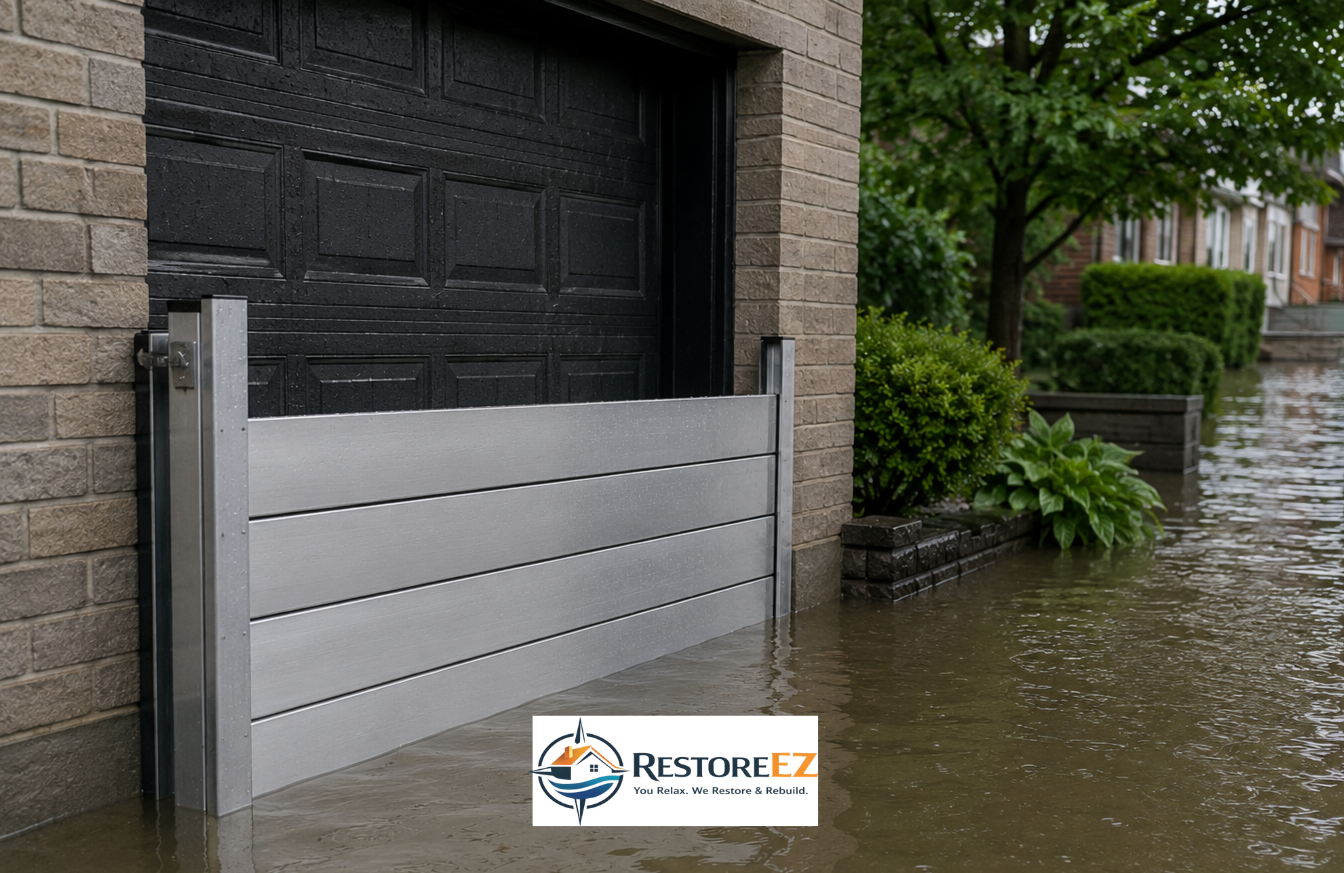
Flood barriers are like a shield, blocking or guiding water away from doors, garages, storefronts, and other openings. They create a temporary barrier that keeps water where it belongs—outside. Some barriers you put up before a storm, and others are for quick deployment. The trick is matching the barrier type to your property’s risk, entry points, and how much prep time you’ve got.
If your property has a weak spot, like a basement entrance, low garage, or a door near street level, these barriers can be real lifesavers. They also cut down on cleanup after heavy rain by keeping water out in the first place. For businesses, this means less disruption, less damage to inventory, and a quicker return to normal operations.
Why sandbags might not cut it
Sandbags can still be useful, but they're not always the best solution. Studies show they can fail in about half of flood events, especially during flash floods and storm surges. They’re also a hassle—messy, labor-intensive, and time-sensitive, which is tough if the weather's already turning bad. That’s why many property owners are moving to engineered flood panels and other reusable options.
The U.S. Army Corps of Engineers offers great info on flood protection and management. They remind us that the best flood defense is one that’s planned before the storm hits.
When to Start Thinking About Installation
If your property’s in a flood-prone zone
If your area has a history of flooding or drainage issues, it’s time to consider flood barriers. Coastal areas, neighborhoods near rivers, and low-lying commercial districts are all great candidates for proactive protection. Even if your area has only had minor street flooding, it could mean a bigger event is waiting to happen.
Take a look at how your property handles seasonal storms. Does water pool near the entrance? Do storm drains overflow? If any of these sound familiar, flood barriers could be a smart preemptive step rather than a last-minute scramble.
Before hurricane season or heavy rains
The best time to install flood barriers? Way before you need them. Don’t wait until a storm is looming to measure, test, or practice deploying them. Order and install your barriers before hurricane season or during the dry spell before heavy rains typically hit.
Waiting might limit your options. Custom-fit systems, often used in modern flood protection, need planning and lead time. They’re designed to be quickly deployed and stored easily, appealing to those who want protection without major structural changes. Planning gives you the chance to choose the best solution for your property and budget.
When your building has ground-level vulnerabilities
Ground-level doors, storefront glass, garage entries, utility access points, and ventilation openings are common flood entry points. If your building has one or more of these, even a small gap can lead to big problems, especially if water is being pushed by wind or surge pressure.
If your building has these weak spots, consider other services like indoor air quality checks after moisture events or mold inspections if water has already gotten in. Flood barriers are part of a bigger plan to make your property more resilient.
Signs Your Property Needs a Flood Barrier System
Recurring water issues
If water keeps getting in through the same spots during heavy rains, it’s a big hint you need a barrier system. Repeated water intrusion shows you where your building’s weakest points are. Fixing those spots can be more effective than just cleaning up after each storm.
Over time, even minor flooding can ruin flooring, drywall, trim, electrical systems, and personal stuff. A little water can get really costly if it happens often. A flood barrier can help stop that cycle before it causes more damage.
Past storm damage or close calls
If your property’s already been hit by storm damage, even if it’s been fixed, now’s the time to think about flood barriers. Past damage often shows exactly where a property is vulnerable. Close calls matter too; if water almost got in during the last big storm, the next one might not stop short.
Property owners familiar with water damage restoration know how disruptive flooding can be. Preventing damage is usually cheaper and less stressful than cleaning up, especially when it affects tenants, employees, or customers.
Local flood risks have changed.
Flood risks aren’t set in stone. Changes in development, drainage infrastructure, sea levels, and weather patterns can increase risk over time, even if your property’s been safe for years. That means a building that felt secure a decade ago might not be as protected today. It’s smart to reassess after major construction nearby, repeated street flooding, or changes in regional flood guidance.
For more on flood awareness and safety, check out the National Weather Service for public education resources. Understanding these materials can help you know when it’s time to act.
The Latest in Flood Barrier Trends
Custom-fit aluminum barriers
One trend in flood protection? Lightweight, custom-fit barrier systems that are easy to store and install. These barriers fit specific openings and can be put up quickly when the weather changes. Unlike bulky temporary solutions, many modern panels are built for repeat use and compact storage.
Custom-fit systems are also great for property owners who want to keep their building looking good. This matters in commercial districts and historic neighborhoods where appearance, function, and practicality all need to work together. Modern designs focus on ease of use, durability, and quick response.
Better options than traditional fixes
The flood protection market is moving toward more dependable solutions. While sandbags might still be a backup, engineered barriers offer better control over water intrusion, especially during fast-moving events. This reliability is important for businesses that can’t afford repeated shutdowns or homeowners who want peace of mind during storm season.
Discussions in the industry also highlight the importance of structural integrity around the protected opening. A barrier is only as good as the wall, frame, and installation method around it. That’s why planning is important, and why many property owners consult experts before choosing a system. To get a better understanding, check out the FEMA floodplain management guidance.
Part of a bigger protection plan
Flood barriers are increasingly becoming part of a larger strategy that includes moisture control, emergency response, and recovery services. If a building has already had a water event, owners might need mold remediation after the flood, along with drying, sanitation, and checking the structure. The best flood plan isn’t just about keeping water out, but also minimizing the long-term effects if it does get in.
This approach is especially valuable for restoration companies and property managers, allowing them to reduce future losses while keeping a clear plan for response and recovery.
How to Choose the Right Flood Barrier
Check out the areas you need to protect
Start by figuring out which areas need protection. Measure door widths, garage openings, window wells, and any other low points where water could get in. Also, consider how high water might rise during a big storm, not just a regular thunderstorm. A system for nuisance flooding might not cut it for storm surges or quick runoff.
Think about how many openings need protection at once. A single door might be easy to protect, but multiple openings need a broader plan. That’s where custom-fit panels or a coordinated system can be more effective than makeshift solutions.
Consider how fast you can deploy and store them.
Some barriers are for quick installation, while others need more setup time and storage space. If you need a system that one person can put up quickly, portability is key. If you’ve got help, a bigger system might work as long as everyone knows how to set it up correctly.
Don’t forget about storage. A flood protection product that works but is too bulky to keep on-site might not be practical. The right solution fits your life, space, and timeline.
Balance cost with long-term benefits
Cost is important, but think of flood barriers as a long-term risk reduction tool, not just a one-time buy. Reusable systems make sense because they can be used multiple times over several seasons. Over time, this can offset the upfront cost compared to repeated cleanups, repairs, and lost business income.
If cost is a concern, consider financing options or a phased approach that protects the most vulnerable spots first. A staged plan can still provide good protection while keeping costs manageable.
Real-World Example: Flood Protection in a Coastal Community
Lessons from chronic flooding
In Tarpon Springs, the Sponge Docks Flood Abatement Project shows the need for long-term planning, not just emergency cleanup. Businesses near water often face repeated disruptions from rain, tides, or surges. These conditions make flood barriers especially useful for storefronts, ground-floor entrances, and other vulnerable spots.
When a community invests in flood protection, it shows resilience matters. Individual property owners can follow that lead by adding protective measures to their buildings instead of waiting for the next big event to highlight weaknesses.
Benefits for businesses that stay prepared
Businesses that set up flood barriers can better protect their inventory, equipment, and customer access. Just as important, they show preparedness to employees, customers, and insurers. For businesses with regular foot traffic or sensitive equipment, even a short flood can cause big losses.
Owners who already use dryer vent cleaning, air duct cleaning, or other maintenance services understand the value of prevention. Flood barriers fit this mindset: they cut risk before damage happens.
Flood Barriers in Your Emergency Plan
Part of a bigger strategy
Flood barriers work best as part of a larger emergency plan. That plan should include evacuation awareness, property documentation, backup power plans, and post-storm inspection steps. A barrier keeps water out, but a complete plan protects the whole property. If water does get in, quick action is key. That’s where water damage restoration and follow-up checks are essential.
Why reuse and maintenance matter
Most modern flood barriers are reusable, which makes them a practical choice for long-term preparedness. But reuse only works if the system is maintained, checked, and stored properly. Gaskets, connectors, fasteners, and panels should be checked before each season so the system's ready when needed.
Reusable protection also supports sustainability by reducing waste compared to one-time use materials. For many owners, this mix of efficiency and environmental sense is another reason to move beyond temporary fixes.
Frequently Asked Questions About Flood Barriers
Are flood barriers worth it for small businesses and homes?
Yes, especially if your property often floods, has vulnerable spots, or faces heavy rain and storm surges. A barrier can protect likely entry points and cut down on damage. Even a modest system is worth it if it prevents just one major event.
Can flood barriers replace flood insurance?
No, flood barriers lower risk, but they don’t eliminate it. Insurance is still important because extreme events, bypassed protection, and unexpected conditions can still cause losses. Think of barriers as one layer of defense, not a replacement for insurance or other preparedness steps.
How do I know if I need professional help?
If you’re unsure about water pressure, structural conditions, or the best barrier type for your property, getting professional input is a smart move. A qualified restoration or mitigation provider can help assess openings, suggest practical solutions, and explain how the barrier fits into a larger protection plan. This is especially key if the property’s already had damage or moisture problems.
Steps to Take Before the Next Storm
Walk through your property now.
Before hurricane season or the next big rain, walk around your property and check every spot where water might get in. Look at door thresholds, garage openings, utility entrances, and low points around the building. If you can, take pictures and measurements to compare products and plan installations ahead of time.
Review barriers, drainage, and response planning together
Flood barriers should be part of a complete strategy that includes drainage maintenance, backup plans, and post-storm recovery steps. If you’ve had water intrusion before, it might also make sense to plan a mold inspection or check your indoor air quality afterward. A layered approach is usually the most effective and cost-conscious.
Get help before a storm creates urgency.
One of the biggest mistakes property owners make is waiting too long. When flood warnings go up, your options narrow quickly, and installation gets tougher. By planning now, you can pick the right system, understand how it works, and avoid rushed decisions when the weather turns bad.
If you're ready to look into flood barriers or need help building a more complete property protection plan, Restoreez can help you prepare before damage happens. From water intrusion response to long-term planning, the goal is the same: protect your property, reduce interruptions, and stay ready for the next storm. Contact us today and take the first step toward smarter flood protection.