Ever wonder when you last cleaned your air ducts? If you're like most folks, you might say, "Not sure," or "Maybe never." You're not alone. This question matters because those air ducts are crucial for the air you breathe every day. In homes dealing with moisture issues, dust buildup, or past damage, ducts can sneakily affect indoor air quality. If you're already thinking about home health, dive into related services like indoor air quality and air duct sealing to tackle both the cause and effect.
But here's the twist: not every home needs regular air duct cleaning. Based on a Washington Post report and EPA guidelines, cleaning without a specific reason might not help much. A study in Indoor Air found no noticeable improvement in air quality post-cleaning. So, instead of asking if duct cleaning is always needed, ask when it makes sense and how it fits into your home maintenance plan.
Why Air Duct Cleaning Is a Hot Topic
Cleaner Air: A Promise with Conditions
The idea of duct cleaning sounds simple: clear the dust, and breathe clean air. But it’s a bit more complex. If your real issue is humidity, leaks, or a dirty filter, cleaning ducts won’t fix that. So, think of duct cleaning as a tool, not the magic fix.
Ducts will gather dust over time, but that doesn't automatically mean trouble. Your system might still work fine even if it's not spotless. What should grab your attention are visible grime, musty smells, water leaks, pests, or debris coming through vents. Spot any of these? Time to dig deeper.
Florida's Humidity Changes the Conversation
In humid places, like Florida, moisture can lead to mold or microbial growth in your HVAC system. This is crucial in coastal and subtropical areas where condensation is common. If you live around Tampa Bay, it's smart to compare duct issues with moisture-related problems like mold inspection and mold remediation. Often, a duct problem is actually a moisture issue.
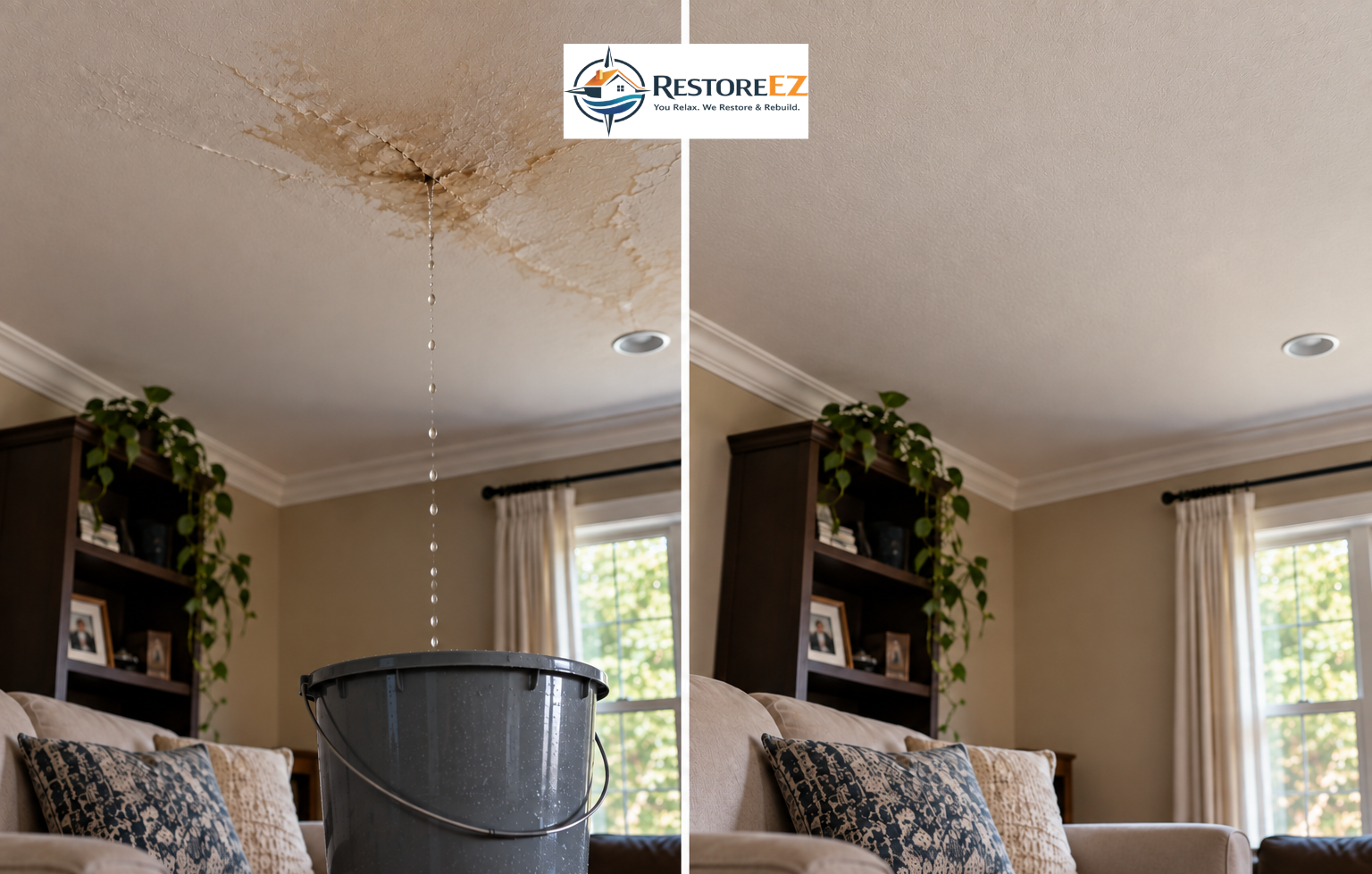
If your home has seen roof leaks, plumbing issues, flooding, or high humidity, take a closer look at your ducts. Even small amounts of moisture can affect insulation and metal parts. Cleaning might help, but only after fixing the moisture source. Otherwise, the problem may just keep coming back.
What the Latest Research and Experts Say
Routine Duct Cleaning: Not Always Necessary
The EPA doesn't suggest regular duct cleaning without a clear reason. This aligns with research showing limited benefits from frequent cleaning in homes without issues. A scientific review in Indoor Air often gets cited because it found no significant air quality improvements after cleaning in the cases studied. So, don't pay for a service that might not fix what you're trying to improve.
This doesn't mean duct cleaning is useless. It means it should be targeted. If there's dust, debris, mold, pests, or renovation residue, cleaning can be part of a broader plan. First, identify a real need.
Expert Guidance Over Marketing Claims
Some companies might push duct cleaning as an annual must-do. But experts suggest being more selective. Instead of asking, "How often should I clean my ducts?" ask, "What's happening at home right now?" If you spot water damage, mold, odd odors, or debris in the air, then an assessment makes sense. Otherwise, focus on upgrades like better filtration, HVAC maintenance, or sealing leaks.
If you want a comprehensive approach, pair services like air duct cleaning with HVAC checks and moisture control. This way, you address the bigger picture, not just isolated issues.
Signs Your Air Ducts May Actually Need Cleaning
Visible Contaminants: The Clear Warning Signs
There are times when duct cleaning is the right move. A strong signal is visible contaminants around vents or in accessible duct sections. Heavy dust, clumps of debris, or material blowing from vents are red flags. This is especially true if buildup returns quickly after changing filters and vacuuming.
Another clue is a persistent musty smell when the HVAC runs. Odors might come from ducts, but also from nearby insulation or hidden mold. A proper inspection can pinpoint the source, so you choose the right fix. Cleaning ducts without addressing the root issue just delays things.
Water Damage, Pests, and Mold: Game Changers
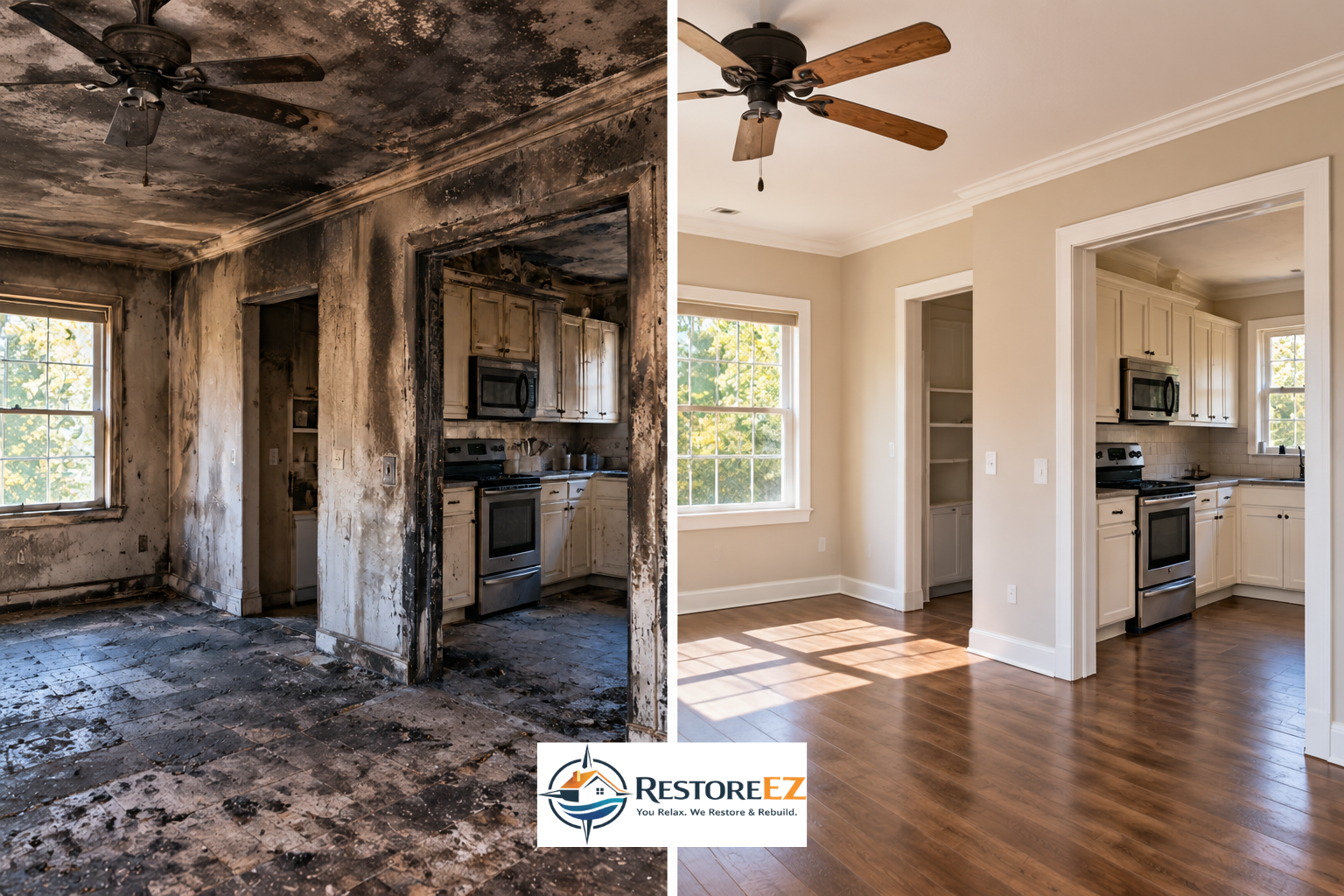
If your home has experienced water damage, duct cleaning becomes more relevant because moisture can spread contamination into the HVAC system. After flooding or leaks, professionals often suggest checking both the ductwork and surrounding materials. This connection is why water-related services like water damage restoration are directly linked to duct and air quality concerns. Once moisture enters the structure, the HVAC system can circulate the effects far beyond the original damage area.
Pest infestations are another reason to consider cleaning. Rodents and insects leave droppings, nesting materials, and odors, impacting air quality. Mold growth is the most serious concern because it shows an ongoing moisture issue that needs fixing, not just cleaning. If you suspect mold, get a professional inspection first.
How Much Does Air Duct Cleaning Cost?
Price Ranges Depend on Home Size and Complexity
Professional cleaning usually costs between $300 and $1,000, but larger homes, complex setups, and contamination can raise the price. Costs might go up if the system has multiple units, limited access, or significant buildup. If antimicrobial treatment, mold work, or repairs are added, expect the scope and price to rise. For budgeting, get a detailed estimate explaining what's included.
Price isn't the only factor. A low quote might skip essential steps like cleaning return vents or blower components. An extremely high quote isn't always justified unless there's severe contamination. Understand what's being cleaned to compare services fairly.
Value Comes from Solving Real Problems
Think of duct cleaning as a corrective service, not a routine task. If there's no real contamination, spending on cleaning might not offer much. You might get better value from HVAC tune-ups, filter upgrades, or dryer vent cleaning, which also support safety and efficiency. Dryer vent issues, in particular, can create fire risks and shouldn't be overlooked.
When air quality concerns are tied to the structure itself, a broader review may be even more effective. Sealing leaks, improving ventilation, and controlling humidity often deliver better long-term results than repeated duct cleanings. The smartest investment addresses the actual source of the problem.
What a Professional Inspection Should Include
A Good Assessment Covers the Whole HVAC System
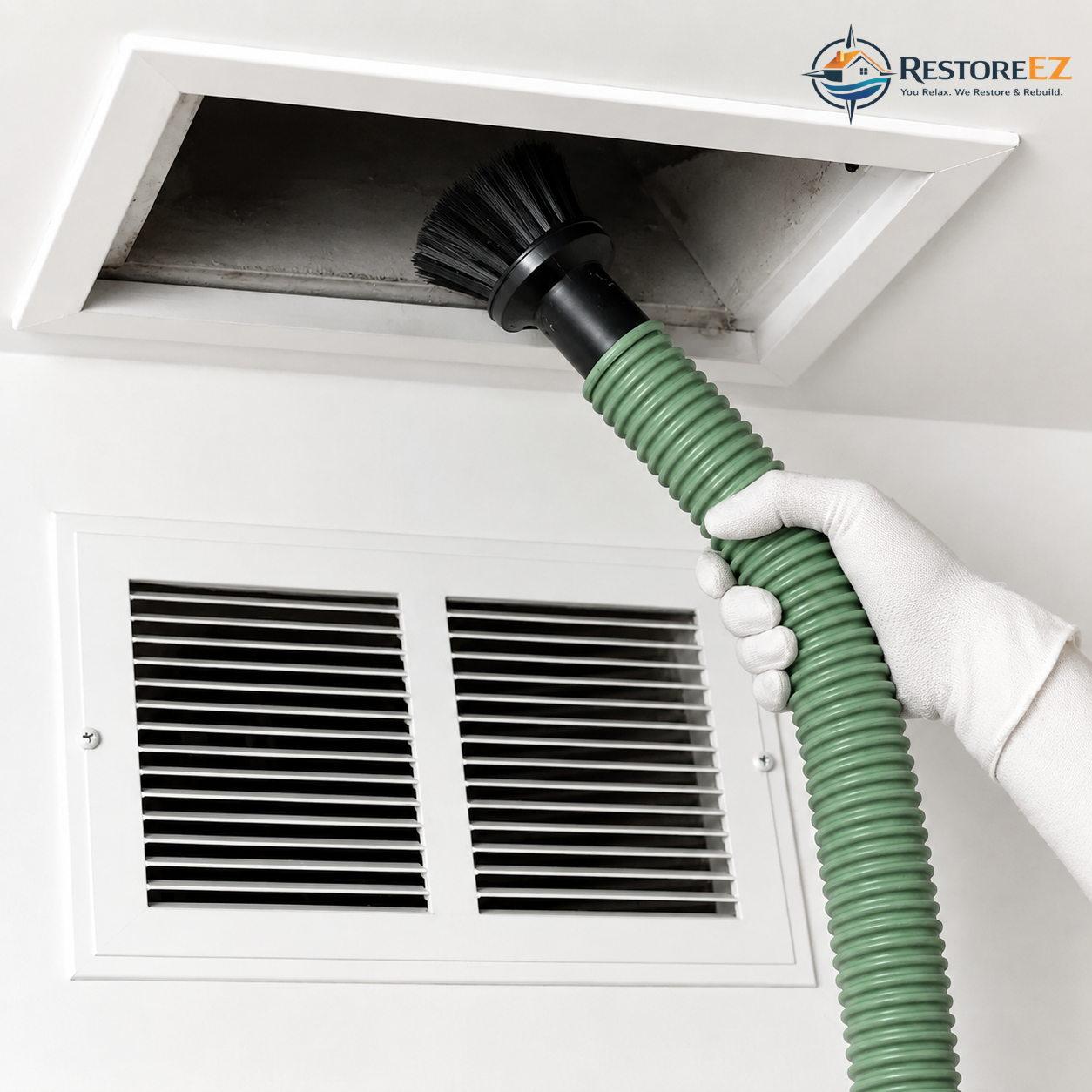
Before any cleaning, a qualified pro should inspect the entire HVAC system. This includes supply and return ducts, registers, coils, blower components, drain pans, and visible insulation. The goal is to spot contamination and decide if cleaning is the right move. If a company skips inspection and jumps straight to selling a package, that's a red flag.
An inspection should also identify whether there are signs of structural or moisture damage around the ductwork. In many homes, the ducts are only part of the story. Problems might start with leaks, poor insulation, or past flooding. Addressing the system without checking these can lead to incomplete results.
Moisture Checks Are as Important as Dust Removal
Dust is visible, but moisture is often the sneaky issue. If ducts are cold, poorly sealed, or in high-humidity areas, condensation can form and encourage microbial growth. That's why HVAC maintenance and indoor air quality should go hand in hand. For homes with ongoing humidity concerns, combining duct service with a broader plan from indoor air quality experts can be far more effective than a one-time cleaning.
Homeowners should ask if the inspection includes photos, moisture observations, and reasons for or against service. Clear documentation helps you make informed decisions. It also aids if you need to compare options or discuss concerns with your insurance provider after a water event.
Case Study: When Duct Cleaning Was the Right Call
A Commercial Setting with Airborne Contamination
Here's a real-world example. A pharmaceutical company needed comprehensive duct cleaning because airborne pollutants from active ingredients posed a contamination risk. Here, the goal wasn't routine maintenance but safety, compliance, and hazard control. The facility took a month-long maintenance break to protect employees and consumers, showing how different things are when contamination is significant.
This case highlights why context matters. In a clean, dry home with a well-kept HVAC system, routine cleaning might not be necessary. But in a facility with airborne contaminants or a home after severe water intrusion, the need is clear. The service should match the risk.
What Homeowners Can Learn
The takeaway for homeowners is that duct cleaning is valuable when addressing a real problem. If your home has mold, dust from renovations, or contamination after water damage, targeted cleaning can help recovery. If not, routine maintenance and moisture control might serve you better. That's where a professional assessment protects both your budget and your indoor environment.
If your concern extends beyond ducts to broader damage recovery, it makes sense to look at related restoration services as well. Homes recovering from leaks or hidden moisture may need more than a cleaning appointment; they might need coordinated work that includes drying, mold assessment, and system repairs. A service plan should follow the damage pattern, not the sales script.
How to Maintain Better Indoor Air Quality Without Overcleaning Ducts
Filter Changes and Ventilation Are Key
One of the simplest ways to boost indoor air quality is to replace HVAC filters on schedule. A clean, properly rated filter captures dust and particles before they enter the system. In many homes, this impacts more than duct cleaning because it handles the constant flow of particles. Good filtration is a practical first step for most homeowners.
Ventilation also counts. Fresh air exchange helps dilute indoor pollutants, especially in homes with cooking odors, cleaning chemicals, or high occupancy. The EPA emphasizes controlling pollutant sources and improving ventilation over relying on duct cleaning as a primary solution. If your home feels stuffy or has recurring odor issues, ventilation improvements may be the more effective route.
Humidity Control Prevents Problems Leading to Cleaning
In Florida, controlling humidity is especially important. Keeping indoor humidity in a healthier range reduces the chance of condensation, microbial growth, and musty odors. Dehumidifiers, attic ventilation, sealed ductwork, and smart home controls can all help keep conditions stable. If your system struggles with comfort, consider an upgrade like a smart thermostat solution, which can improve temperature management and reduce unnecessary strain on the HVAC system.
Preventive maintenance is the best long-term strategy. That means checking for leaks, cleaning around vents, replacing filters, and responding quickly to moisture signs. When these basics are handled well, duct cleaning becomes less likely and more effective when needed.
Frequently Asked Questions About Air Duct Cleaning
Is Air Duct Cleaning Necessary for Most Homes?
For most homes, routine air duct cleaning isn't necessary. Experts and the EPA don't recommend it unless there's a specific reason like visible mold, vermin infestation, or debris blowing from vents. If your system is operating normally and the home doesn't have contamination or moisture problems, routine cleaning may provide little value.
How Do I Know If My Ducts Need Attention?
Look for visible dust accumulation, strange odors when the HVAC turns on, recent water damage, signs of pests, or dust and debris coming from vents. These signs suggest the issue might be more than ordinary buildup. A professional inspection can help determine whether the ducts themselves are the problem or whether another part of the system needs repair.
Can Duct Cleaning Fix Mold?
Duct cleaning may remove some contaminated material, but it doesn't solve the moisture condition that allowed mold to grow. If mold is present, the source of moisture must be corrected, and the affected materials may need remediation. In many cases, a combination of inspection, drying, and mold remediation is the safer and more complete solution.
What Homeowners in Tarpon Springs Should Do Next
Start with a Careful Assessment, Not a Sales Pitch
If you live in a humid coastal area, it's smart to be proactive about air quality, but that doesn't mean every home needs a duct cleaning appointment. Start with an inspection if you have symptoms, odors, visible dust, or previous water damage. In Tarpon Springs, the mix of humidity and seasonal storms can make moisture control particularly important, so a careful look at the system is always worth the effort.
For homes that have already experienced leaks or contamination, a restoration-oriented approach may be the best path forward. That can include duct service, mold work, drying, or sealing depending on what the inspection reveals. The goal is to make the system clean, dry, and efficient rather than simply checked off a list.
Choose Services That Solve the Root Cause
When air quality is the concern, think about the whole home environment: the HVAC system, the ductwork, the filter, the humidity level, and any water intrusion history. If your concerns extend beyond the ducts, Restoreez can help with related solutions designed to support healthier living spaces and safer structures. Whether the answer is air duct cleaning, air duct sealing, mold services, or broader remediation, the right choice should be based on evidence, not routine.
If you're still wondering when you last cleaned your air ducts, that question may be less important than this one: do your ducts actually need attention now? If the answer is yes, act promptly. If the answer is no, invest in maintenance that protects your home more effectively. For help evaluating your next step, contact Restoreez and get a professional opinion tailored to your property’s condition and indoor air quality goals.