Why Mold Can Be a Hidden Problem in Your Home
Mold isn't always easy to spot. Often, the worst mold issues start in spots you can't see, like behind the walls, under the floors, or inside your air system. This is why getting a professional mold inspection might be a smart idea, even if your home looks spotless. If you notice a musty smell, have had water damage, or experience unexplained health issues, scheduling a mold inspection could help stop a small problem from turning into a big cleanup.
Many people think that if they don't see black spots or fuzzy patches, there's no mold. That's not always true. Mold tends to grow in places where light and air can't reach. The U.S. Environmental Protection Agency (EPA) says managing moisture is key to stopping mold growth. Hidden moisture can cause mold long before you see it. For more, you can check the EPA’s mold page at epa.gov/mold. Ignoring hidden moisture can damage your home, ruin air quality, and lead to costly repairs.
A mold inspection isn't just for visible damage. It's a smart move to find risks early, keep your indoor space healthy, and avoid the need for expensive mold cleanup later. In a place like Florida, where moisture lingers, this preventive measure is even more useful.
What a Mold Inspection Looks for Beyond Visible Growth
Moisture Sources and Hidden Water Intrusion
Good mold inspections start by looking for moisture problems. Inspectors search for water intrusion, past leaks, and areas where humidity stays high. This includes bathrooms, attics, crawl spaces, and kitchens. Even if a leak was fixed, mold might still grow if the area stayed damp for too long.
This is why mold inspection often goes hand in hand with water damage restoration. If your home experienced flooding or plumbing issues, moisture might still be trapped inside the walls. A thorough inspection checks if drying worked or if more needs to be done before mold spreads.
Air Quality and Signs of Contamination
Inspectors also check signs affecting air quality. Musty smells, respiratory problems, stains, peeling paint, and allergy issues can hint at mold or excess moisture. These signs don't prove mold, but they do mean it's worth taking a closer look.
Professional testing and environmental evaluations are helpful here. The National Institute of Environmental Health Sciences points out that damp environments can increase mold growth; you can find more on their site at niehs.nih.gov/health/topics/agents/mold. The main takeaway? Visible mold is just part of the story. A thorough inspection should look at air pathways and hidden contamination, too.
Why "No Visible Mold" Doesn't Mean "No Mold Problem"
Mold Can Grow in Hidden Places
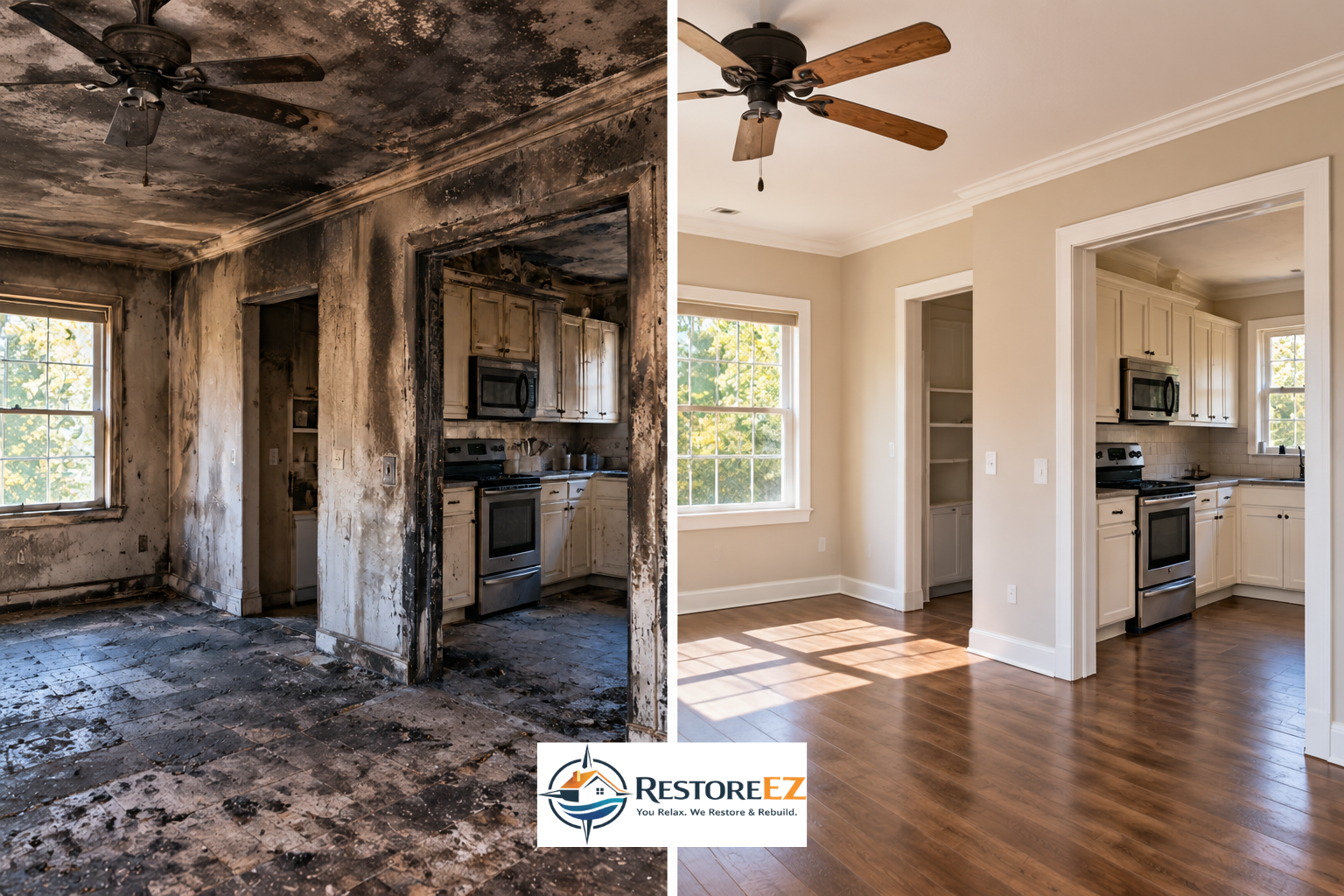
Mold grows wherever moisture, organic material, and time mix. Drywall, wood, carpet, and even dust can support mold if they stay damp. Once mold starts in a hidden spot, it can spread for weeks or months before you see it. By the time you notice discoloration, the problem might already be widespread.
This is why experts suggest checking the whole building instead of just what you can see. The National Association of Mold Remediators and Inspectors recommends a full process, including visual exams, moisture checks, and optional sampling. Their guidelines are available at namri.org. Inspections done this way are more likely to catch hidden problems early.
Health Symptoms May Show Up Before Mold
Some families get inspections because of recurring coughing, sneezing, headaches, or congestion. While these symptoms can have many causes, indoor mold is often a concern if they happen mostly at home. If symptoms get better when you're away from home, it's a good idea to check the indoor environment, even if it looks clean.
Testing can be helpful when you're worried about health, notice odors, or have had water damage. Mold testing helps find hidden problems and checks air quality when mold isn't visible. For more on this, check moldinspect.org. A home can look clean but still have the right conditions for mold behind the scenes.
Latest Trends in Mold Detection Technology
Thermal Imaging and Moisture Meters
One big advance in mold inspection is using tools that find hidden moisture without tearing walls apart. Thermal imaging cameras show temperature differences that might mean damp insulation or leaks. Moisture meters add another layer by measuring water content in materials.
These tools help inspectors focus on areas needing closer checks. Instead of guessing, they can find and document unusual conditions. This saves time and reduces unnecessary demolition. For homeowners, it means a smarter and less disruptive inspection process.
Smartphone-Based Microscopy and Accessible Screening
Technology is making mold detection more accessible. Recent research shows smartphone-based systems can improve field screening and make detection cheaper. The MobileMold system is one example. It's about bringing more diagnostic tools into the field; you can read more at arxiv.org. While these tools don't replace full inspections, they show a trend toward faster, smarter assessments.
How Common Hidden Mold Really Is
Prevalence in U.S. Homes
Hidden mold is more common than you might think. A study by EPA researchers and Lawrence Berkeley National Lab found that about 47% of U.S. homes have dampness or mold conditions. That's nearly half of all homes, which explains why mold inspections are crucial even if growth isn't visible. Dampness doesn't always show itself with spots or stains.
This fact should change how homeowners think about prevention. If nearly half of homes have some level of concern, then an inspection isn't extreme; it's a practical step. Especially for homes with basements, attics, or past water issues, an early inspection can prevent avoidable damage.
Florida’s Humid Climate Raises the Risk
In humid places like Tarpon Springs, the risk is even higher because moisture lingers in the air and building materials longer. Air conditioning, roofs, and walls can create hidden moisture spots. A home might feel comfortable but still hide moisture problems.
So, if you're in a coastal or humid area, pay attention to warning signs. A routine inspection can mean the difference between a small issue and a major repair. If you're already working on indoor humidity, consider reviewing indoor air quality services as part of your prevention plan.
When to Schedule a Mold Inspection
After Water Damage or Flooding
If your home has had a leak, flood, or storm-related issue, get a mold inspection once it's safe. Mold can grow quickly if materials stay wet. Even if you remove visible water, moisture can remain in baseboards, subfloors, and walls.
After a water event, homeowners often focus on drying visible areas but miss hidden moisture pockets. This is why post-loss evaluations are so important. Combining inspection with water damage restoration helps tackle the root cause before mold takes over.
When You Notice Odors, Stains, or Health Concerns
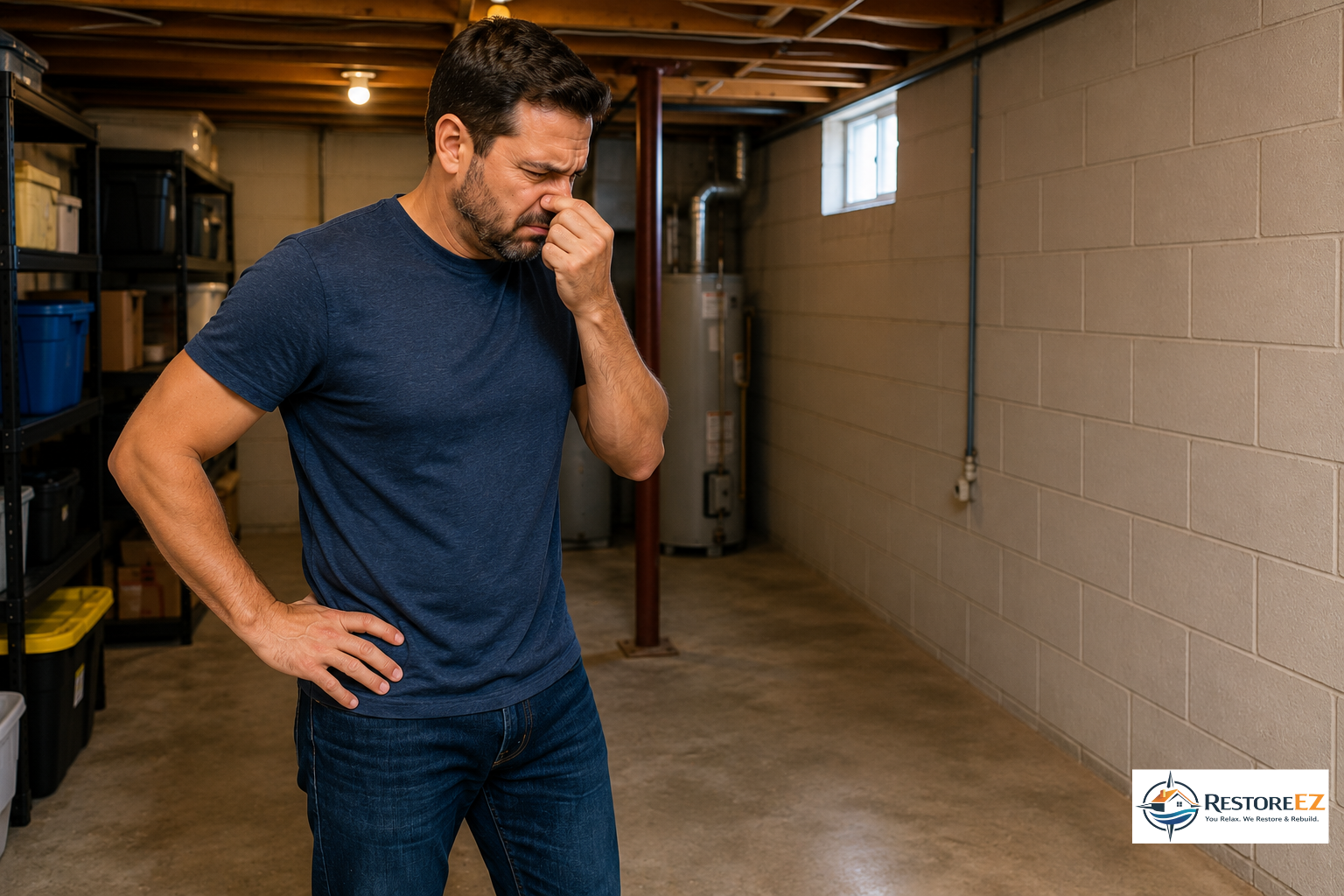
Schedule an inspection if you smell a musty odor, see recurring stains, or have unexplained health symptoms indoors. These signs suggest moisture somewhere in the building. The odor might be stronger in one spot, but the actual cause could be hidden.
Don't wait for visible growth. By the time mold is obvious, it might have spread behind the scenes. An early inspection increases the chances of catching the problem early, reducing the scope of any later cleanup needed.
What Professionals Do During a Thorough Mold Inspection
Visual Review, Documentation, and Moisture Detection
A professional mold inspection usually starts with a visual check of accessible areas. Inspectors look for stains, damaged materials, leak repairs, and other moisture signs. They also document areas of concern so you have a clear record.
According to industry standards, inspections should include moisture detection and evaluations of conditions that could support mold growth. This process is more effective than a simple walkthrough because it uncovers what's happening beneath the surface.
Sampling When Needed
Not every inspection needs sampling, but it may help when there are health concerns or disputed conditions. The decision should be based on the building's condition and the inspection goals. Sampling is helpful when it guides remediation or verifies contamination extent.
The key is that the inspection should answer practical questions. Is there a moisture source? Has mold spread beyond what's visible? Is cleanup necessary? These are the questions homeowners need answers to.
Real-World Example: Hidden Mold Found Before Major Damage
A Family Notices Symptoms, Not Spots
Take the example of a family that noticed respiratory irritation and a musty smell in their home, but never saw mold. They had fixed a minor leak and thought the issue was gone. But a professional inspection found moisture behind wall materials and contamination that had spread unnoticed.
Cases like this are common because mold often develops quietly. In a reported case, a Chicago family only found hidden problems after symptoms led them to investigate further; the inspection revealed elevated mycotoxins despite no visible mold. The lesson is clear: symptoms and odors deserve attention even if surfaces look normal.
Early Detection Prevented Larger Repairs
Thanks to early detection, the homeowners could address the moisture source and start targeted cleanup before damage spread further. This likely saved them from more extensive repairs and costs. More importantly, it reduced ongoing exposure and provided a clearer path to restoring their home to a healthier state.
This shows the value of inspections without visible mold. It turns uncertainty into action. Instead of waiting for a bigger problem, homeowners can tackle the root cause while it's still manageable.
How Mold Inspection Connects to Prevention and Long-Term Home Health
Controlling Moisture Is Key
The best way to prevent mold is by controlling moisture. Fix leaks quickly, manage humidity, ventilate wet areas, and make sure drainage moves water away from the house. Even small improvements can make a big difference, especially in humid climates.
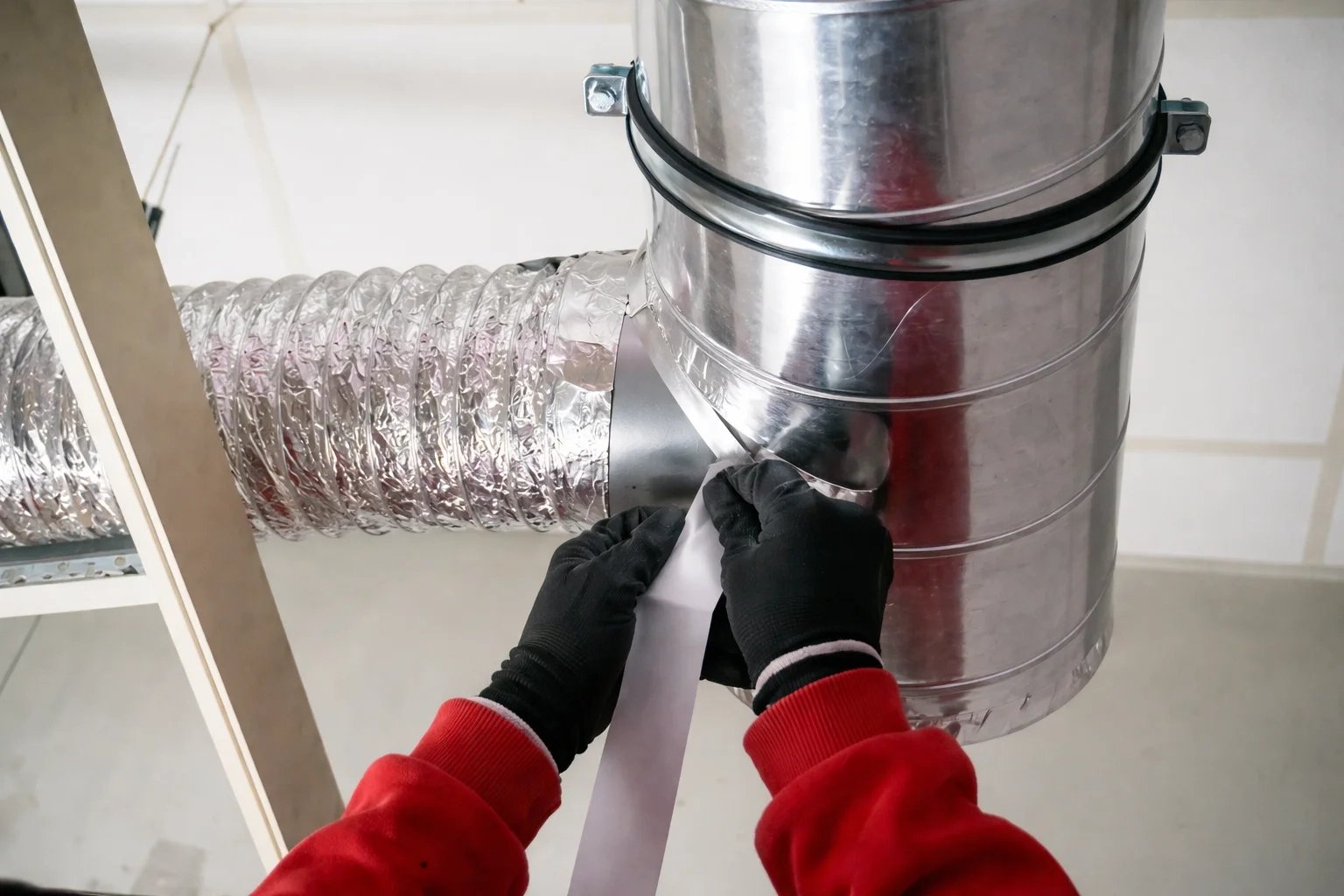
Think beyond the immediate problem. Insulation, ductwork, attic ventilation, and drainage all affect moisture inside the home. If humidity gets trapped in the same spot, mold may return unless the underlying issue is fixed. Services like blown-in attic insulation and air duct sealing can help reduce conditions that lead to hidden moisture.
Related Maintenance Can Improve Indoor Conditions
Other home maintenance tasks can also help prevent mold. For instance, clogged ducts, dirty vents, and neglected dryer exhausts can build up humidity and dust, affecting air quality. This is why many homeowners pair mold prevention with air duct cleaning or dryer vent cleaning to improve overall home health.
The goal is to treat mold as part of a bigger home care picture. When moisture, airflow, and maintenance work together, homes become less prone to hidden growth. It's a better strategy than waiting for visible damage.
Frequently Asked Questions About Mold Inspections
Is mold testing necessary if I don't see mold?
Yes, it can be. If there are symptoms, odors, or past water damage, testing might help identify hidden issues and check air quality. A clean look doesn't mean the building is mold-free, especially in concealed spots.
How often should I have a mold inspection?
It depends on your property's risks. Homes with leaks, high humidity, older roofs, or past water events should be inspected more often. In moisture-prone areas, regular inspections are smart, especially after storms.
Can I do the inspection myself?
You can check for obvious signs, but DIY can't replace a professional inspection. Homeowners often miss hidden sources, subtle moisture patterns, or early contamination signs. A trained inspector has the tools and experience to check the whole structure thoroughly.
Will inspection always lead to cleanup?
Not always. Sometimes an inspection finds a minor issue that can be fixed quickly without a full cleanup. Other times, it reveals hidden mold needing professional removal. The inspection helps decide the next steps.
Why Professional Help Matters for Hidden Mold Concerns
Better Tools, Better Results
Professional inspections bring clarity to an invisible problem. With tools like moisture meters, thermal imaging, and documentation, inspectors can link symptoms, odors, and building conditions. This gives owners a clearer picture of whether the issue is isolated or widespread.
If cleanup is needed, a proper inspection guides the scope of work. This matters because targeted cleanup is more efficient than guessing. It ensures the root cause is fixed, not just cleaning visible areas and leaving behind hidden problems.
Local Expertise Matters in Humid Florida Homes
In humid coastal areas, local knowledge makes a difference. Moisture in a Florida home behaves differently than in drier climates, with higher risks around air systems and roofs. Many homeowners turn to trusted local teams who understand both inspection and recovery.
Restoreez offers services that include mold inspection, mold removal, water damage restoration, and indoor air quality support. If you think you have hidden mold or need a professional assessment, our team can help clear up the issue. You can also check our service area page for Tarpon Springs for local support.
Take the Next Step Before Small Moisture Issues Become Bigger Problems
Do you need a mold inspection even if you can't see mold? The answer is yes. Hidden moisture and indoor air issues often show up long before visible spots. By the time mold is obvious, the problem may be bigger and more costly to fix.
If you've leaked, smell something musty, or have unexplained symptoms indoors, don't wait for things to get worse. A professional inspection can uncover hidden issues, protect your health, and help preserve your home's structure. For reliable help with inspection, cleanup, and moisture concerns, Restoreez is ready to assist with practical solutions.
Call (813) 703-0300 or contact Restoreez to schedule a professional assessment. The sooner you check, the easier it is to protect your property, improve your indoor environment, and prevent a hidden mold problem from turning into a major project.