What Every Property Owner Should Know About Emergency Restoration
When your property suffers from water, fire, smoke, mold, or storm damage, those first few hours are crucial. Emergency restoration is more than just tidying up; it's about stopping structural damage, safeguarding health, and getting things back to normal as quickly as possible. If you own a home, rental, or commercial building, it’s smart to get familiar with the basics before disaster hits. A quick response, proper documentation, and experienced help can turn potential disasters into manageable projects.
Services like water damage restoration and fire damage restoration can stabilize your property swiftly. Additionally, mold inspection can uncover hidden issues that might arise after water exposure. In this guide, you'll learn about emergency restoration, why speed matters, what steps to take first, how professionals work, and how to prevent future damage. You'll also get practical tips, real-world scenarios, and links to trusted resources, such as FEMA and the CDC's mold guidance, for more info on damage, safety, and indoor air quality.
What Emergency Restoration Really Means
More than cleanup
Emergency restoration involves addressing sudden property damage and restoring the property to a safe, usable state as efficiently as possible. This includes water extraction, drying, debris removal, smoke cleanup, odor control, and more. The aim isn't just to make things look better but to stop the damage from spreading.
Many property owners wait until the damage is visible to start restoration, but the real work begins much earlier. Once moisture, soot, or contaminants enter your space, the damage can continue even when things look dry. That’s why trained professionals start with assessment, containment, and mitigation before moving on to repairs.
Common situations that require immediate help
Emergency restoration is often needed after burst pipes, leaking roofs, appliance failures, sewage backups, storm flooding, fires, and hidden mold growth. Each brings its own risks, but they all share a common enemy: time. A wet wall cavity can soon support mold growth, while smoke residue can permanently stain surfaces and corrode materials if left untreated.
Properties in humid climates are particularly vulnerable because moisture can linger in building materials and HVAC systems. If airflow is poor, contamination can spread to unaffected rooms. That is why indoor air quality improvements and air duct cleaning are often part of recovery plans.
Why Fast Action Protects Your Property
Damage can spread behind the scenes.
The priciest part of restoration is often the damage you can’t see. Water can seep behind cabinets, under floors, and into insulation. Smoke can travel through ductwork, and mold can spread inside walls and under floors. So, visible damage is usually just the tip of the iceberg.
The EPA notes that indoor mold growth is closely tied to moisture. Even minor leaks can escalate into major problems if not addressed quickly. Taking action fast reduces the likelihood that a simple cleanup will turn into a full-scale reconstruction project.
Health concerns matter too.
Emergency restoration is also about protecting the people who use the property. Water intrusion can bring in bacteria, fire residue can leave behind particles and odors that irritate the respiratory system, and mold exposure can cause coughing, congestion, and asthma flare-ups, especially for sensitive folks.
If residents complain of headaches, fatigue, eye irritation, or worsening allergies after damage occurs, it’s wise to take this seriously. Professional mitigation can help restore safer conditions, and sometimes air duct sealing or dryer vent cleaning can reduce ongoing moisture and contamination risks.
The First 24 Hours: What Property Owners Should Do
Prioritize safety first
After any emergency, your priority should be safety. If there’s standing water near outlets, visible structural damage, active fire residue, or strong odors indicating contamination, leave the area and call for help. Never enter a space if you suspect it’s unsafe, especially after severe storms, electrical damage, or fire.
If you can safely do so, shut off the water supply, electricity, or HVAC system. If unsure, wait for the professionals. For storm-prone properties, flood barriers can help reduce risk before an event, but they shouldn’t be your only line of defense.
Document everything
Before cleanup starts, snap photos and videos of all visible damage—floors, walls, furniture, appliances, and exterior entry points. Good documentation helps with insurance claims, repair planning, and discussions with restoration contractors. Record the date, time, and suspected damage source when you can.
This step may seem secondary under stress, but it can save time later. Insurers usually want a clear timeline and visual proof of the loss. Detailed records also help when comparing proposals and making informed repair decisions.
Contact a qualified restoration team quickly.
After ensuring safety and documenting damage, contact a team that can assess the situation and begin mitigation ASAP. A professional response typically includes moisture mapping, inspection, containment, extraction, drying, odor control, and monitoring. If hidden contamination is suspected, a thorough inspection can determine whether remediation is needed before repairs start.
Restoreez helps property owners needing swift, practical help after unexpected damage. Emergency restoration is most effective with a coordinated, thorough response, which is why experienced teams use specialized equipment and a step-by-step process instead of just surface cleaning.
What Professionals Actually Do During Emergency Restoration
Assessment and moisture detection
Restoration begins with a comprehensive property assessment to identify damage extent and affected materials. Technicians use moisture meters, thermal imaging, and visual inspection to trace water or contamination spread. This matters because the biggest problem isn’t always where damage initially appears.
In water events, the team checks for saturated drywall, insulation, flooring, subflooring, and trapped moisture in walls. In fire events, they evaluate soot distribution, surface corrosion, and smoke odors in porous materials. This early analysis determines whether drying, cleaning, containment, or demolition is necessary.
Extraction, drying, and stabilization
For water-related damage, the priority is removing standing water and starting structural drying immediately. Commercial extraction equipment, air movers, and dehumidifiers help reduce moisture levels in materials and air. The sooner this phase happens, the less likely mold or secondary structural issues will develop.
This is where water damage restoration services become crucial, as drying a property correctly requires more than just fans from a hardware store. Professionals monitor humidity, moisture content, and drying progress to ensure the structure returns to acceptable conditions.
Cleaning, sanitizing, and odor removal
Once the site is stable, the next step is cleaning and sanitizing affected surfaces. After fire events, technicians remove soot and smoke residue, neutralize odors, and clean salvageable contents. After water losses, affected materials may need disinfecting, deodorizing, and sometimes removal if they can't be safely restored.
For properties affected by mold or poor air circulation, mold remediation may be necessary. This process focuses on removing contaminated materials, controlling spread, and addressing the moisture source that allowed the growth initially.
How to Tell Whether You Need Restoration or Full Replacement
Material condition matters
Property owners often wonder if something can be saved. It depends on the material, exposure duration, and contamination type. Hardwood flooring might be saved if action is swift, while saturated carpet padding is usually too contaminated. Drywall that has absorbed considerable moisture may need removal, especially if mold has started.
Porous materials are harder to salvage after fire or water exposure. Non-porous surfaces may be cleaned and restored more easily if contamination hasn't penetrated deeper layers. A professional assessment helps avoid unnecessary demolition while ensuring unsafe materials aren't kept.
Health and code compliance matter too
Even if a material looks fine, it might not meet health, safety, or code standards. Smoke-damaged insulation, contaminated ductwork, and water-logged framing can continue affecting indoor air and building performance. If repair standards are unclear, a knowledgeable restoration provider can help determine which materials need replacement and which can be professionally cleaned.
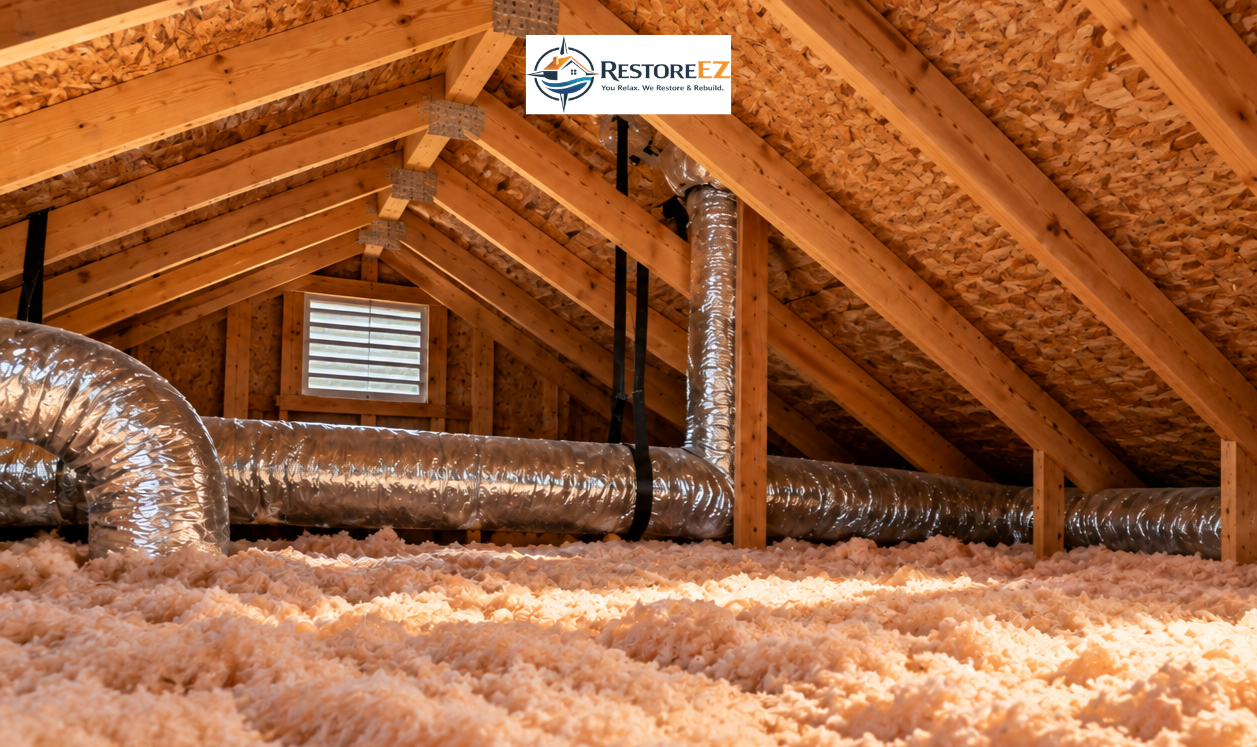
For properties with recurring moisture issues, it might be worth reviewing insulation and ventilation upgrades. Services like blown-in attic insulation can support energy efficiency while helping stabilize indoor temperatures, reducing future condensation problems.
Emergency Restoration and Insurance: What to Know
File the claim early.
If the damage is covered by insurance, contact your insurer as soon as possible. Many policies require prompt notice and documentation. Be ready to describe what happened, when you discovered it, and what immediate steps you took to prevent further damage. Restoration teams often help with estimates, photos, and detailed scope information that supports the claims process.
Remember, mitigation and permanent repairs aren't the same. Insurance adjusters usually want to see that emergency measures were taken to prevent additional loss, but they might still need a separate review before approving full reconstruction. Clear communication helps avoid delays.
Keep receipts and records.
Save receipts for emergency purchases, hotel stays if displaced, temporary repairs, and any materials you buy to secure the property. Keep a written log of calls, emails, and inspections. This organization can make a big difference if there are questions about the extent of the loss or timing of your response.
For general guidance about disaster recovery and preparation, visit Ready.gov for practical checklists for homeowners and business owners. Using a trusted resource like this can help you stay organized when your normal routine is disrupted.
How to Reduce the Risk of Future Emergencies
Maintain the property before problems start.
The best restoration project is the one you never need. Regular inspections of roofs, plumbing, HVAC systems, appliances, and drainage can catch small issues before they become emergencies. Clean gutters, sealed penetrations, and working exhaust fans all help control moisture and reduce the chance of hidden damage.
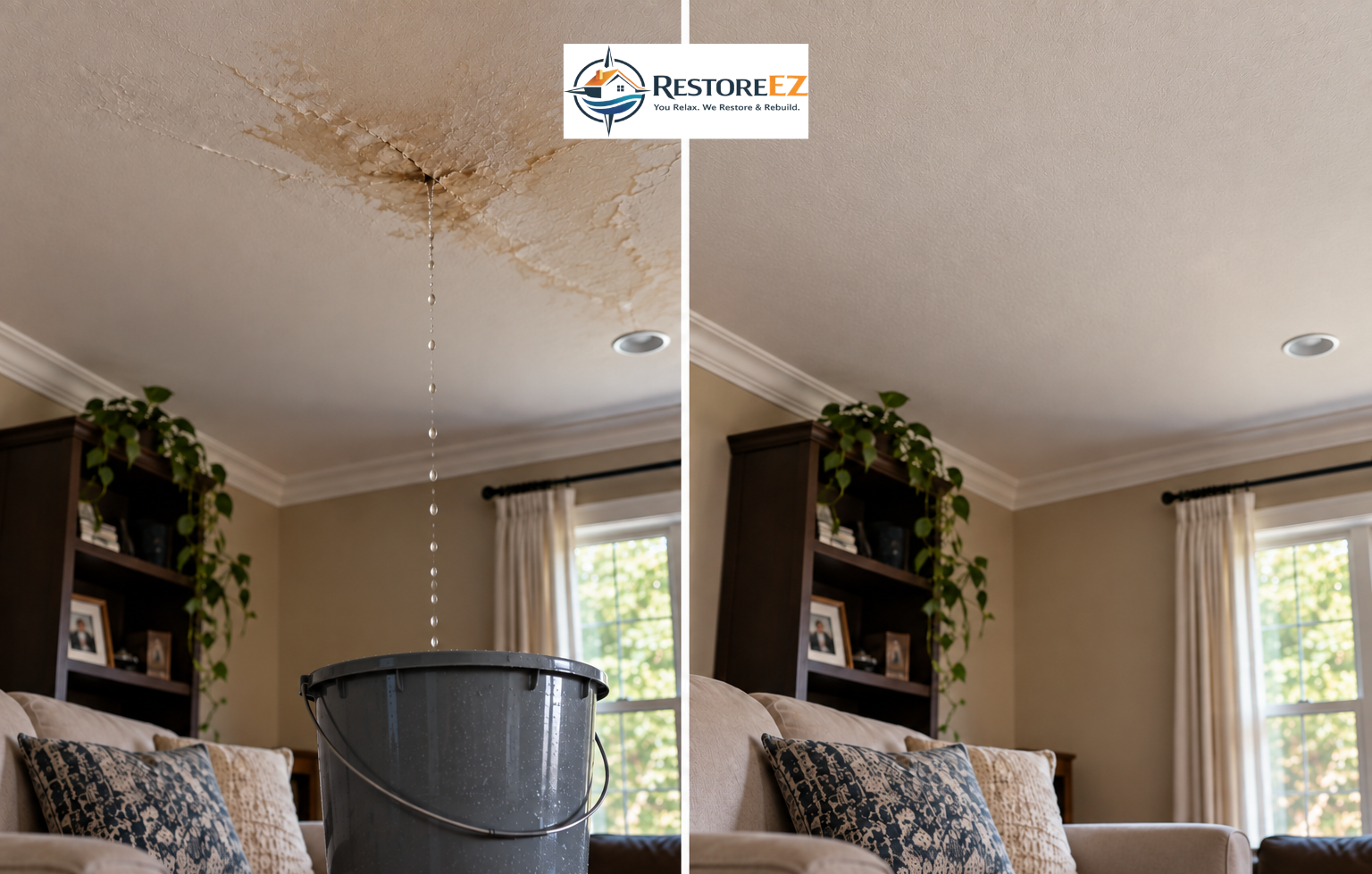
Property owners should also pay attention to warning signs like musty smells, ceiling discoloration, soft drywall, tripped breakers, and unexplained humidity increases. These clues often appear before damage becomes severe. A proactive property maintenance routine is one of the most effective ways to avoid emergency calls.
Improve airflow and source control.
Good ventilation, sealed ductwork, and proper exhaust management all support healthier conditions. If your HVAC system leaks air or moves dust, moisture, or smoke residue through the building, the problem can spread far beyond the original event. In those cases, a combination of air duct cleaning, air duct sealing, and humidity control may improve long-term performance.
Source control is equally important. If a pipe keeps leaking, a roof continues to admit water, or a dryer vent is blocked, no amount of drying will fully solve the problem. That’s why restoration professionals look for the root cause rather than treating just the symptoms.
Prepare a response plan now.
Every property should have an emergency response plan listing shutoff locations, key contacts, insurance details, and trusted service providers. Include a plan for protecting contents, contacting tenants or staff, and deciding when evacuation is necessary. Having this information ready reduces confusion when every minute counts.
If you manage multiple properties, a written plan becomes even more valuable because it creates consistency across locations. It also helps staff or tenants act appropriately before the owner arrives on site. Preparedness is one of the most underrated parts of property protection.
Real-World Scenarios Property Owners Should Think Through
A burst pipe in the middle of the night
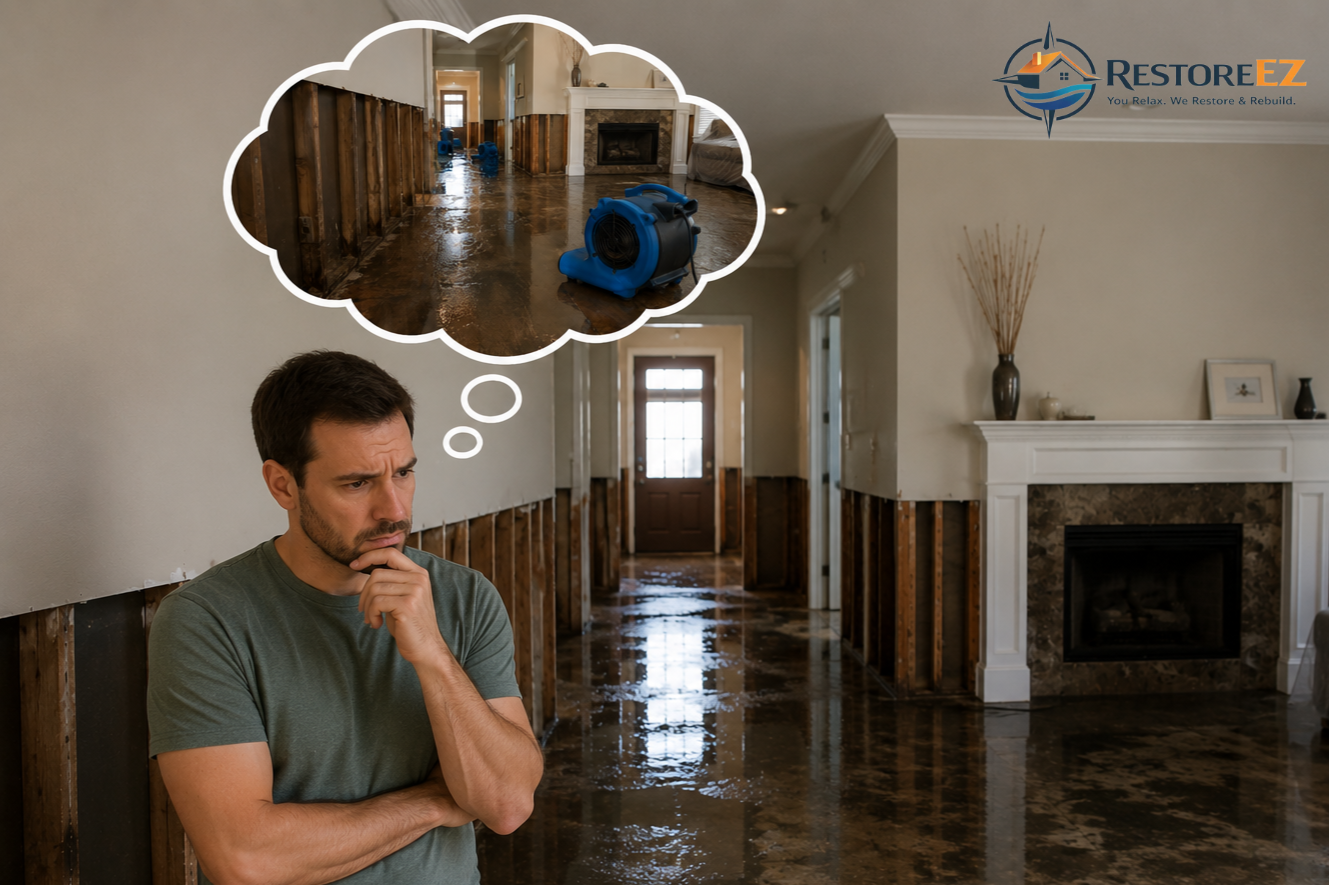
Imagine a pipe fails while everyone is asleep. By morning, water has traveled under flooring and into a hallway wall. Even if the surface looks manageable, hidden saturation may already affect baseboards, insulation, and framing. In this situation, emergency extraction and drying should begin immediately to limit long-term damage.
Without fast action, the property may later need mold remediation, drywall replacement, and flooring removal. This is why owners who respond quickly often save thousands compared with those who wait until visible signs appear.
A kitchen fire with smoke throughout the building
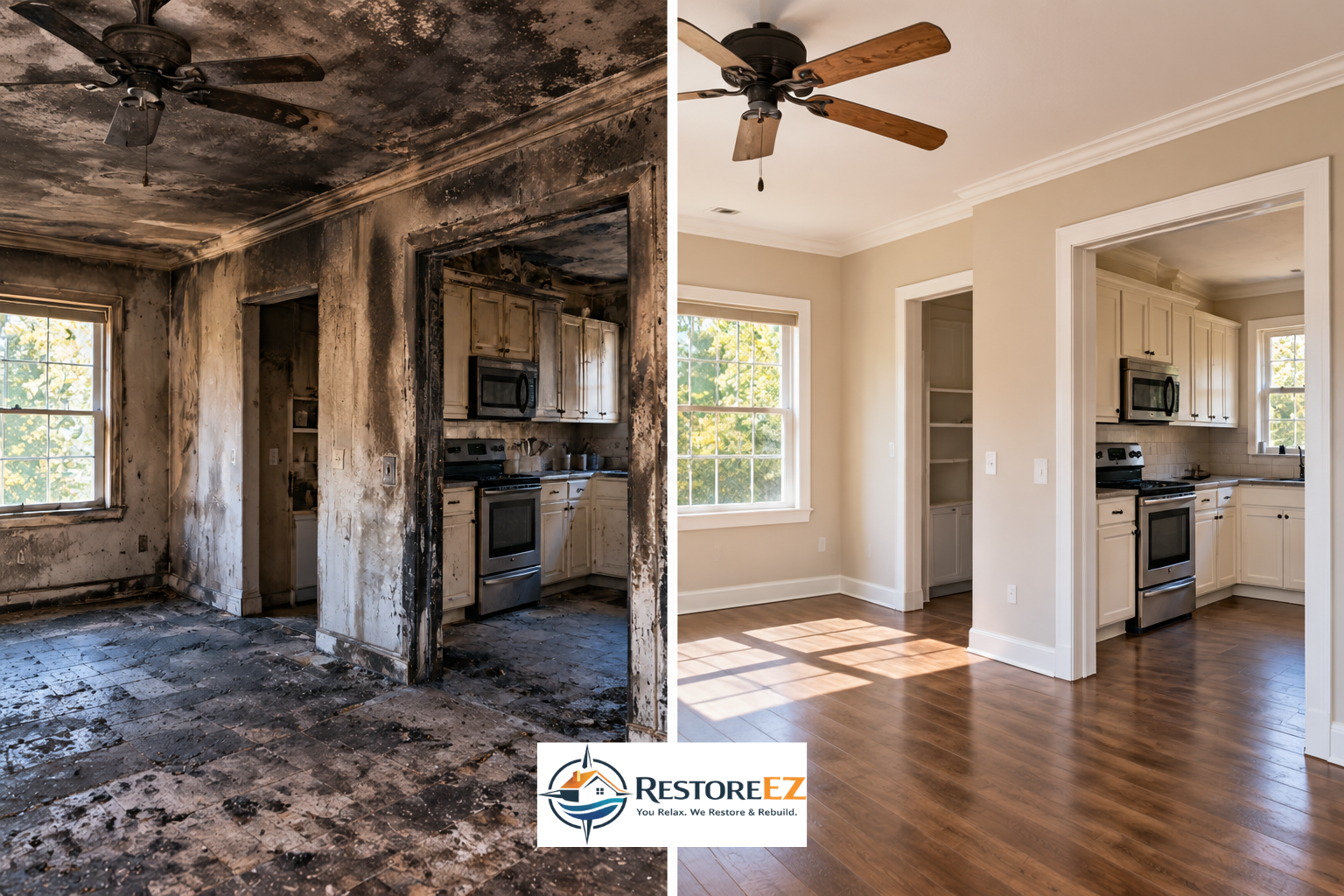
A small kitchen fire may seem isolated, but smoke can enter cabinets, fabrics, vents, and adjacent rooms. Soot is extremely fine and may be acidic, which means it can stain and corrode surfaces if not addressed promptly. Professional cleaning and deodorization are often needed to prevent lingering odors and hidden residue from causing ongoing issues.
In these cases, fire damage restoration helps remove contamination systematically, not just cosmetically. That process may include content cleaning, air scrubbers, odor treatment, and coordination with repairs so the property can be safely occupied again.
Repeated moisture in a rental property
If a rental property has repeated moisture problems, the issue may be structural, environmental, or maintenance-related. Leaks, poor ventilation, or tenant misuse can all contribute. The important thing is to solve the source rather than repeatedly patching the symptoms, because recurring damage tends to become more expensive over time.
Owners in that situation may benefit from a broader review that includes indoor air quality assessment and preventive maintenance upgrades. In some cases, small improvements to ventilation or weatherization can prevent much larger losses later.
Frequently Asked Questions About Emergency Restoration
How soon should I call after damage occurs?
Call as soon as the area is safe to access. Ideally, you should contact a restoration professional within hours of discovering the issue. The sooner mitigation begins, the better the chance of limiting structural loss, mold growth, and contamination spread.
Can I dry a water-damaged area myself?
Small spills may be manageable, but significant water intrusion usually requires professional equipment and monitoring. Household fans cannot replace moisture mapping, dehumidification, and structural drying. If water reaches walls, floors, or insulation, professional help is strongly recommended.
How do I know if mold is already developing?
Musty odors, discoloration, recent water damage, and health symptoms can all be warning signs. However, mold often grows in hidden areas first. That is why professional mold inspection is valuable when moisture has been present for more than a short period.
Will restoration disrupt business operations?
Some disruption is common, but a skilled team works to minimize downtime by focusing on safety, containment, and phased recovery. In commercial settings, restoration can often be organized to keep parts of the building operational while affected zones are addressed. Communication and planning are key.
Choosing the Right Restoration Partner
Look for speed, experience, and clear communication.
The best restoration partner is responsive, transparent, and equipped to handle the full scope of the damage. Property owners should look for teams that explain the process clearly, provide documented assessments, and use professional-grade drying and cleaning equipment. It also helps if the provider offers related services so issues can be handled in a coordinated way.
Restoreez supports homeowners and businesses with a practical approach to recovery, from emergency mitigation to indoor environment improvements. That combination can simplify the process for owners who need a single reliable point of contact during a stressful time.
Ask about follow-up prevention.
A strong restoration company does more than address the immediate incident. It also helps identify conditions that could trigger another problem later, such as hidden leaks, ventilation concerns, or contaminated duct systems. Prevention guidance is often where long-term value is created.
For property owners in the Tampa Bay area, that may mean evaluating drainage, flood protection, ventilation, and moisture control before hurricane season or after recurring plumbing issues. Smart follow-up planning reduces repeat emergencies and protects property value.
Final Takeaway: Be Ready Before the Emergency Happens
Emergency restoration is not just a service you call after a disaster; it is a strategy for protecting your property, health, and finances when unexpected damage occurs. The more you understand about the first steps, professional process, and long-term prevention, the better positioned you are to act quickly and confidently. Fast decisions, proper documentation, and expert help can significantly reduce the cost and stress of recovery.
If you want to be prepared, save the contact details of a trusted restoration provider before you need them. Review your emergency plan, inspect vulnerable areas regularly, and learn the signs of hidden damage. When water, fire, mold, or storm issues appear, timely action is your best defense. For immediate help, explore our services, request guidance, or reach out to Restoreez at (813) 703-0300 or info@restoreez.com.