Fire Damage Isn’t Always Visible: What Smoke and Soot Can Leave Behind
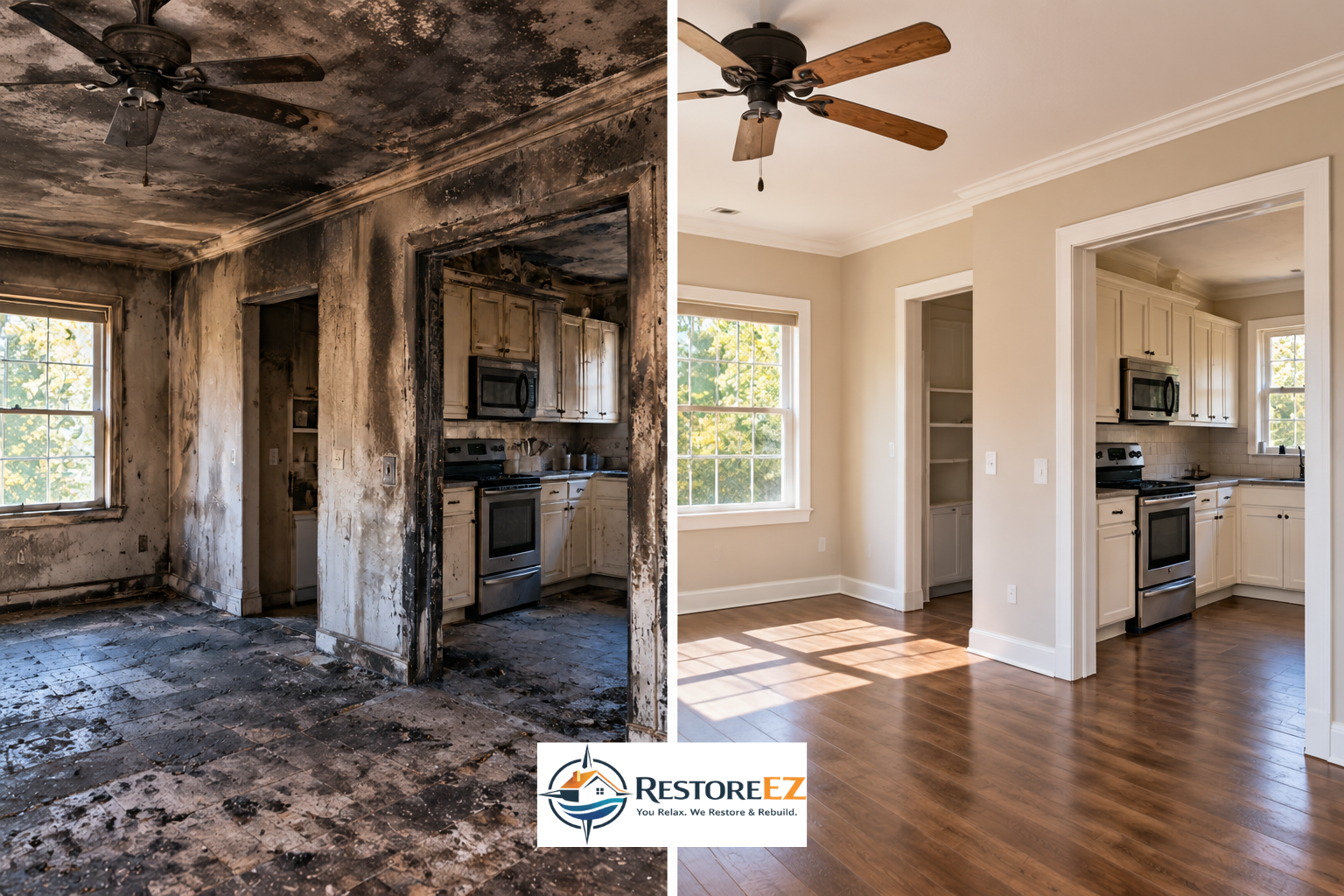
When a fire is over, the flames might be out, but the damage isn't. Smoke and soot continue to impact walls, furniture, HVAC systems, and indoor air long after the fire is out. This is why getting professionals involved is crucial: they tackle what's hidden, not just the obvious burn marks. For property owners needing fire damage restoration, knowing the full scope of post-fire contamination is the first step toward a safe recovery.
Smoke residue often spreads further than you'd think, and soot can settle into small cracks, vents, and soft materials throughout the building. The U.S. Environmental Protection Agency says indoor air quality can be affected by several contaminants after a fire, especially when ventilation systems circulate airborne particles. Let’s explore what smoke and soot really do, how to spot hidden damage, and the steps to protect your home or business in Tarpon Springs and beyond.
Why Fire Damage Goes Beyond Burn Marks
Smoke travels farther than flames.
Many assume fire damage stops where the charring ends, but smoke can quickly move through openings, vents, and hallways. It leaves residue on ceilings, inside cabinets, behind furniture, and even in rooms far from the fire. That residue might contain acidic compounds that will damage surfaces over time if not cleaned correctly.
Soot is more than just black dust
Soot consists of tiny carbon particles and other byproducts of combustion. It can be oily, dry, sticky, or corrosive, depending on what burned and how hot the fire was. This matters because different soot types need different cleaning methods, and cleaning it wrong can push contamination deeper into porous materials.
Heat can weaken materials without visible charring
High temperatures can compromise drywall, insulation, wiring, adhesives, and plastics without leaving dramatic burn patterns. A wall might look intact but still be structurally weakened or contaminated behind the surface. That’s why a professional assessment is crucial after any fire.
What Smoke and Soot Can Leave Behind
Odors that cling to surfaces and belongings
One of the most frustrating reminders of a fire is the smell. Smoke odor gets trapped in fabrics, carpets, HVAC components, and insulation, making it hard to remove with regular cleaning. In severe cases, odor molecules keep off-gassing for weeks or months unless the source is treated.
Corrosion on metal, electronics, and fixtures
Smoke residue is often acidic, which can corrode electronics, appliance components, plumbing fixtures, and metal hardware. A television, refrigerator, or computer may appear fine on the outside, but internal components can degrade quickly after exposure. That’s why acting fast is important in the hours and days after a fire.
Respiratory irritation and indoor air concerns
Fine soot particles can become airborne again during normal activity, brushing, or HVAC cycling. Inhaling them may irritate the nose, throat, eyes, and lungs, especially for children, older adults, and people with asthma or allergies. For homes with poor air movement, combining fire residue with existing air quality issues can make the environment feel unsafe quickly. If that’s a concern, professional indoor air quality services can help identify where contaminants are lingering and how to improve the air you breathe.
How to Spot Hidden Fire Damage Early
Watch for odor changes after cleaning
If a room still smells smoky after surface cleaning, there might be residue in materials you can’t see. Odor that gets stronger when the HVAC turns on is another sign that soot has entered ductwork or filters. A persistent smell usually means deeper cleanup is needed.
Look for discoloration and film
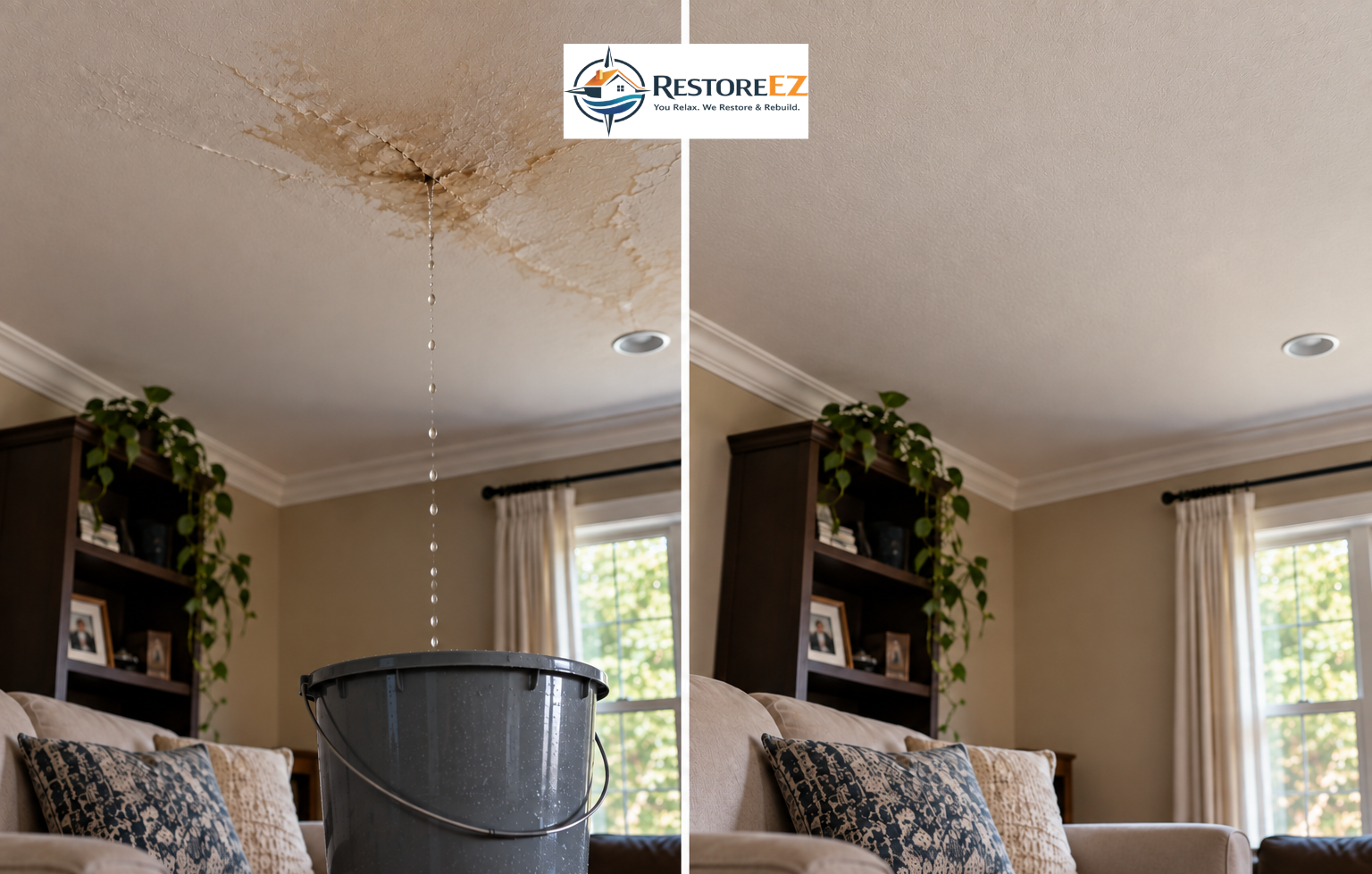
Yellowing walls, gray film on trim, sticky surfaces, and dullness on metal fixtures can all indicate smoke contamination. These signs often show up in places where air naturally flows, such as around vents, door frames, and ceiling lines. Even a faint layer of residue can affect appearance and indoor comfort.
Check for unusual HVAC performance
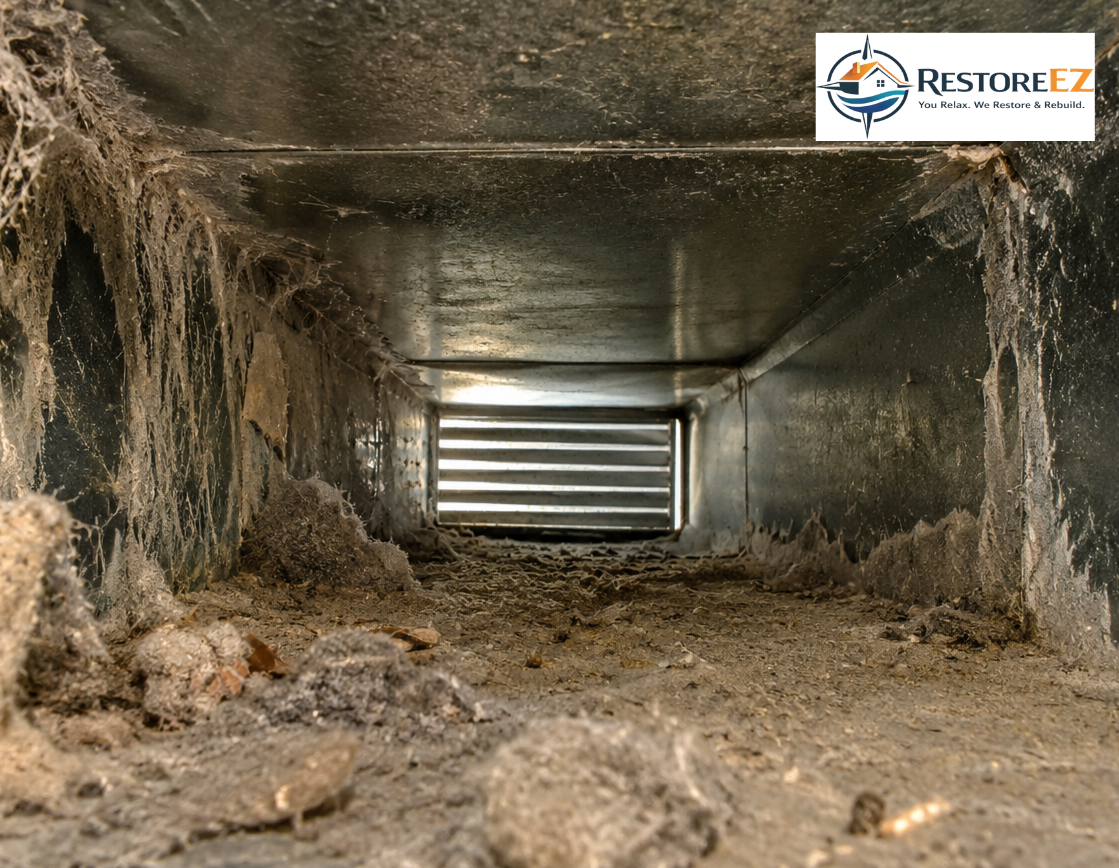
If your heating and cooling system starts spreading odors or dust after a fire, the ductwork might have been exposed. System contamination can complicate cleanup because every cycle redistributes particles. In cases like this, air duct cleaning may be necessary to help remove soot buildup and reduce the chance of repeated exposure.
Health and Safety Risks You Should Not Ignore
Short-term symptoms can show up quickly
Smoke exposure can cause coughing, headaches, watery eyes, and a scratchy throat within a short time. Those symptoms may seem mild at first, but they can warn that indoor air is still contaminated. If people in the property feel better when they leave and worse when they return, the environment should be evaluated promptly.
Longer exposure can create bigger problems
Repeated exposure to soot and smoke residue may worsen respiratory issues and make a property feel uninhabitable. The Centers for Disease Control and Prevention says smoke exposure affects people differently, with children, older adults, and those with heart or lung conditions facing greater risk. Fast cleanup is essential, even when the fire itself was small.
Structural and electrical hazards also matter
Fire damage can compromise wiring, outlets, insulation, and hidden framing. A room that appears safe may still contain electrical or structural issues that create new hazards later. Before using the space again, it’s wise to have a qualified restoration team inspect affected areas and determine what can be salvaged safely.
The Professional Restoration Process Explained
Inspection and damage assessment
The first step is a detailed inspection to identify the type and extent of smoke, soot, and heat damage. Professionals examine surfaces, contents, HVAC systems, and hidden cavities so they understand what can be cleaned and what may need replacement. In some situations, a more thorough mold inspection may also be recommended if firefighting water created moisture conditions that could support microbial growth later.
Cleaning, deodorization, and containment
Once the damage is mapped out, the restoration team uses specialized methods to clean soot from surfaces and reduce odor. This may include HEPA vacuuming, dry cleaning, wet cleaning, soda blasting, thermal fogging, and air filtration, depending on the materials involved. Proper containment helps prevent particles from spreading into unaffected rooms during the process.
Repairs and material replacement
Some items can be restored, while others must be removed for safety or odor control. Porous materials such as insulation, carpet pad, and heavily soaked drywall may need replacement if they hold contamination too deeply. In a complete recovery plan, services like water damage restoration may also be needed because firefighting efforts often leave behind secondary damage that can be just as serious as the fire itself.
Why DIY Smoke Cleanup Often Falls Short
Household cleaners can make soot worse
Wiping soot with the wrong product can smear residue into paint, fabric, or grout. Some cleaners also react poorly with smoke films, leaving stains or spreading the contamination across a larger surface. What looks like a quick fix can actually make the cleanup more expensive later.
Odor can return after a temporary fix
It is common for homeowners to clean what they can see, only to notice that the smell returns once humidity rises or the air conditioner runs. That happens because smoke residue may still be trapped in hidden spaces, upholstery, or ductwork. Without a source-level solution, the odor cycle continues.
Delays increase total recovery cost
The longer soot sits on surfaces, the more likely it is to stain, corrode, or seep into materials. Delayed cleanup also gives moisture and heat damage more time to interact, which can complicate repairs. Acting early can save salvageable contents and reduce the amount of demolition required.
How Smoke and Soot Affect Different Parts of the Property
Walls, ceilings, and paint
Painted surfaces can trap residue in tiny pores, especially if the smoke was oily or acidic. Even after washing, stains may bleed through later unless the surface is sealed properly. That is why restoration often includes both cleaning and surface preparation before repainting.
Furniture, textiles, and personal belongings
Upholstery, curtains, clothing, and bedding can absorb smoke odor very quickly. Some items can be laundered or treated, while others are too contaminated to save economically. Contents restoration often requires careful sorting so homeowners know what can be recovered and what should be replaced.
HVAC, ducts, and insulation
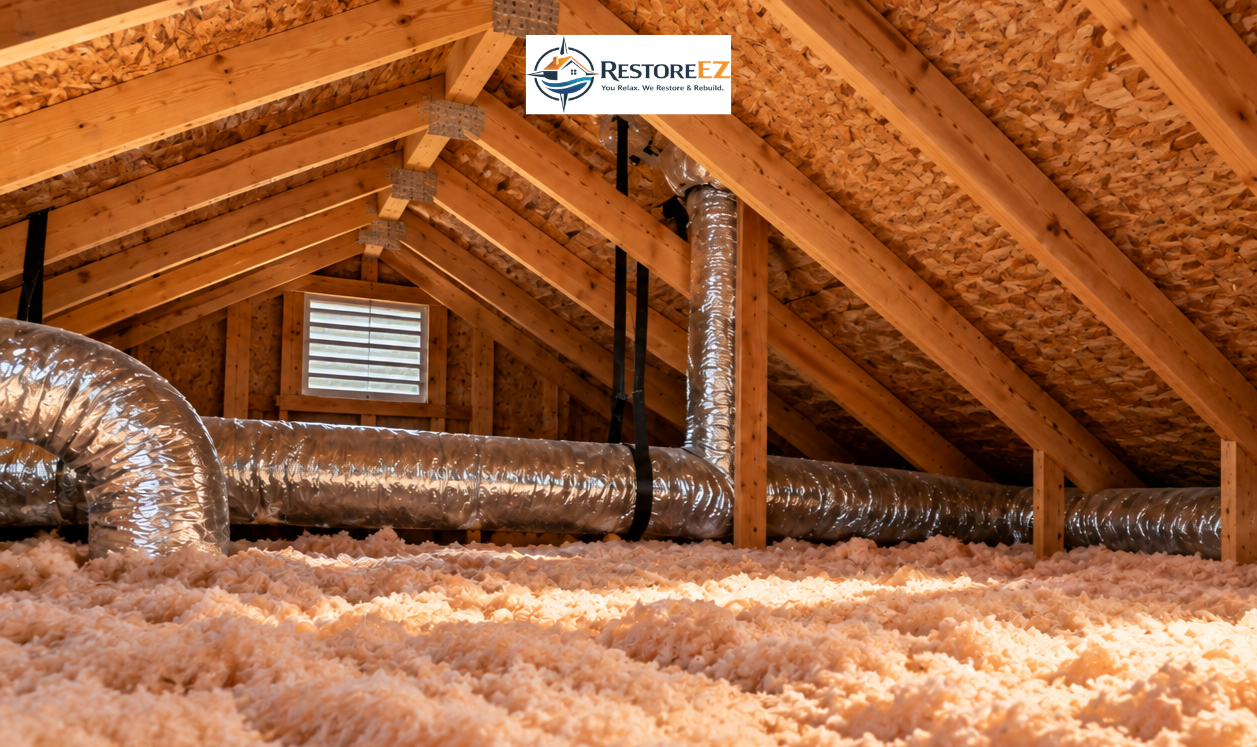
Air systems are especially vulnerable because they can distribute particles throughout the building. If soot reaches the supply or return side of the system, every time the unit runs, it may recirculate contamination. In some cases, air duct sealing can also help restore system efficiency after cleanup by reducing leaks that let dust and residue move where they should not.
Practical Steps to Take Right After a Fire
Prioritize safety first
Before re-entering a fire-damaged property, make sure emergency officials have declared it safe. Turn off utilities if instructed, avoid touching electrical components, and do not try to clean heavy soot without protection. Even small fires can leave behind hazardous conditions that are not obvious right away.
Document visible damage
Take photos and video of every affected room, including ceilings, vents, appliances, and personal belongings. Documentation helps support insurance claims and gives restoration professionals a clearer picture of what happened. The more organized your records are, the easier it is to coordinate cleanup and repairs.
Call professionals quickly
Fast action is one of the best ways to limit long-term damage. A professional team can stabilize the property, identify hidden contamination, and start cleanup before smoke residue spreads farther. If a fire also affected the dryer area, a follow-up dryer vent cleaning may be part of a broader safety plan, especially if lint buildup contributed to the incident.
How Tarpon Springs Property Owners Can Reduce Future Risk
Maintain ventilation and air systems
Routine maintenance helps your property recover faster if a fire ever occurs. Clean filters, sealed ductwork, and properly functioning exhaust systems all reduce the spread of smoke and odor after a damage event. Preventive maintenance also improves everyday comfort and efficiency.
Keep flammable areas under control
Garages, laundry rooms, kitchens, and mechanical spaces should be kept free of excess clutter and lint buildup. Simple housekeeping habits lower the chance of ignition and help firefighters move safely if an emergency does happen. Prevention is always less costly than major restoration.
Prepare for storms and secondary damage
In Florida, fire incidents can be followed by water problems if sprinklers, hoses, or emergency suppression systems are involved. That is why some properties also benefit from planning for broader disaster scenarios, including flood protection and moisture management. If your home or business is in a vulnerable area, exploring flood barriers and other protective measures can be part of a larger resilience strategy. For homeowners interested in efficiency and prevention, the weatherization program can also support a safer, better-protected property overall.
Frequently Asked Questions About Smoke and Soot Damage
Can smoke damage be permanent?
Yes, if it is left untreated, smoke damage can become permanent. Odor, staining, and corrosion all worsen over time, especially in porous materials. The sooner cleanup begins, the better the chance of saving surfaces and contents.
Is it safe to stay in a home after a small fire?
It depends on the extent of the damage and the indoor air conditions. Even a small fire can leave soot in ductwork or on surfaces, and some people are more sensitive to those contaminants than others. A professional assessment is the safest way to decide whether the property is ready for occupancy.
Does insurance usually cover smoke cleanup?
Many policies cover fire and smoke damage, but coverage details vary. It is important to review your policy, document the loss, and work with your insurer as soon as possible. Restoration professionals can often help with scope documentation and the cleanup process.
When to Call Restoreez
When hidden damage is suspected
If you notice lingering odors, soot film, or unusual HVAC behavior, the damage may be more serious than it looks. Restoreez helps property owners identify the full extent of fire-related contamination and create a plan for recovery. That includes cleaning visible residue as well as addressing hidden problems in systems and materials.
When time matters
Immediate response can reduce corrosion, staining, and odor absorption. Our team provides prompt, professional help for homes and businesses that need a clear path forward after fire, smoke, or related water exposure. In many cases, acting quickly is the difference between a manageable cleanup and a major rebuild.
When you need complete restoration support
Fire recovery often overlaps with other services, including water mitigation, air quality improvement, and remediation of hidden contamination. That is why having one trusted team matters. Restoreez offers coordinated solutions designed to restore safe conditions efficiently and with as little disruption as possible.
Conclusion: What You Cannot See Can Still Cause Damage
Fire damage is rarely limited to what the eye can see. Smoke and soot can affect air quality, odor, surfaces, electronics, and structural materials long after the flames are gone. The key is to respond quickly, avoid short-term fixes that miss hidden contamination, and work with professionals who understand the full restoration process.
If your property has experienced a fire, do not wait for the smell or staining to get worse. Explore expert help, ask questions, and take steps to protect your indoor environment before the damage spreads. For guidance, cleanup, and dependable restoration support, contact Restoreez or call (813) 703-0300 to get started today.