Still Smelling Smoke After a Fire? Here's Why Regular Cleaning Might Not Cut It
Once the fire's out, you might think the worst is over, but smoke odors can stick around much longer. These smells are not just surface-level problems. They can embed themselves in your drywall, insulation, fabrics, and even your HVAC system. If you're dealing with a stubborn smoky smell, it's likely more than just surface soot. That's where professional fire damage restoration comes in.
Smoke odors aren't just annoying. They can mean microscopic residue is still hanging around, impacting your indoor air quality and making life uncomfortable. Sometimes, that smell hints at hidden damage in your ductwork or other porous materials, which may need special treatments like air duct cleaning or deodorization. Let's explore why these odors stick around and why regular cleaning often falls short.
The U.S. Environmental Protection Agency notes that indoor air pollutants can build up in closed spaces, especially when ventilation systems circulate contaminants. You can check out more about this on the EPA's indoor air quality page. This is crucial after a fire because smoke particles, even if you can't see them, can still affect the air you breathe.
Why Smoke Odors Hang Around
Smoke Particles Are Tiny and Sneaky
Smoke consists of gases, fine particles, and chemical compounds that spread quickly through a building. These particles can sneak into cracks, insulation, subfloors, and ceilings. Even if surfaces look clean, odor-causing residue might still be hiding where regular cleaning can't touch. That's why smells often come back after a good scrub or airing out.
The type of fire matters, too. Protein fires, synthetic material fires, and electrical fires each leave behind different residues and odors. Some smells are oily and sticky, while others are dry and powdery. This means there's no one-size-fits-all solution for smoke odors. What seems like a simple smell problem might be a complex contamination issue affecting various materials.
Porous Materials Hold Onto Odor Molecules
Porous materials like drywall, carpet padding, insulation, upholstery, and wood absorb smoke more easily than hard surfaces. Once smoke gets into these materials, regular cleaning can only do so much. In bad cases, even a freshly painted room can start smelling smoky again because the odor escapes from behind the walls.
Homeowners often find that washing fabrics and cleaning visible soot helps for a bit, but the smell returns with humidity or when the HVAC system runs. This usually means the odor source is deep inside the property, not just on the surface. A more thorough inspection and treatment plan is often needed.
HVAC Systems Can Spread the Smell
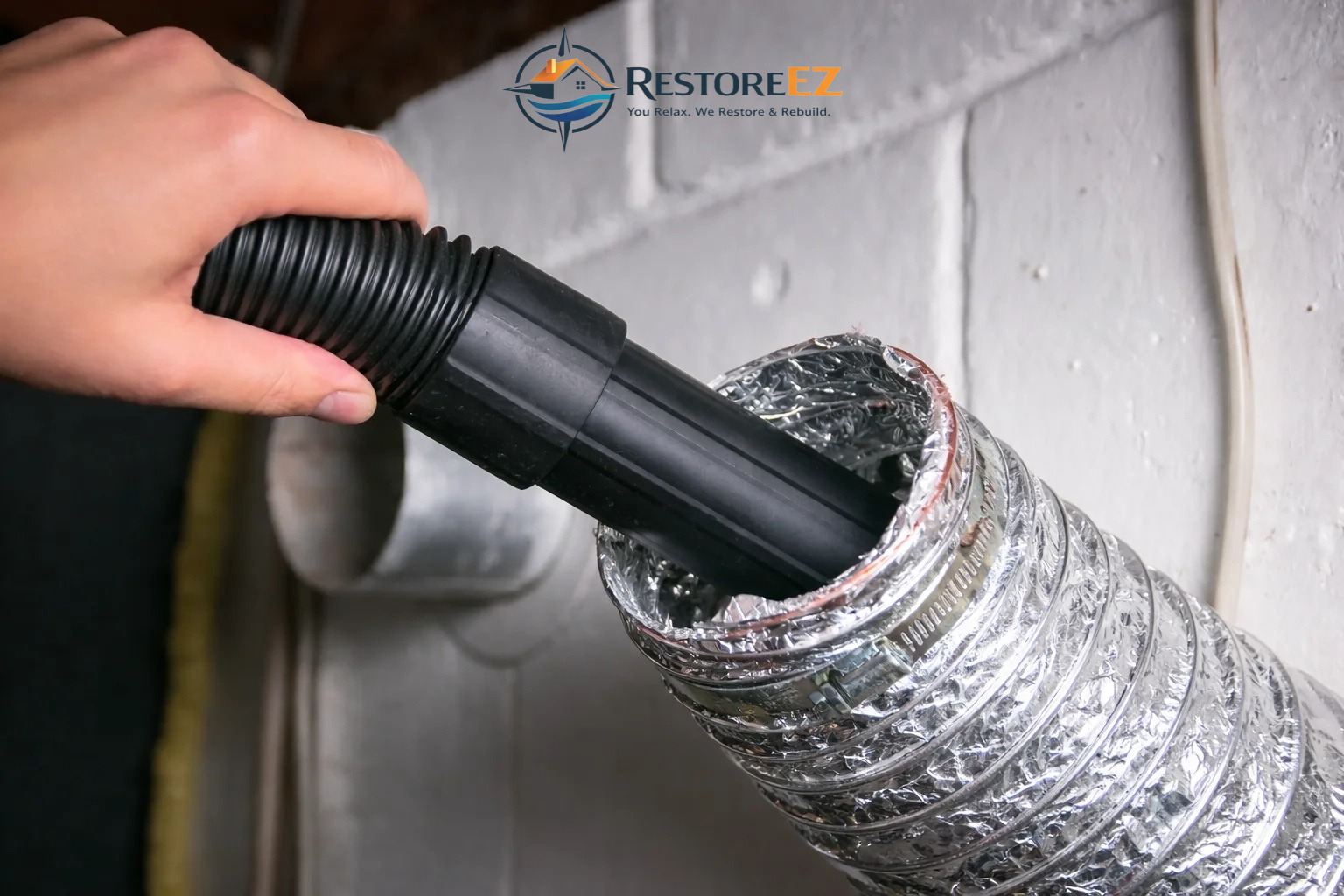
When smoke gets into heating and cooling systems, it can spread throughout the whole building. Ductwork can carry odors into rooms that weren't directly affected by the fire. Filters might catch some particles, but they can't eliminate everything, especially if soot has coated internal components. In these cases, a mix of air duct cleaning and air duct sealing may be necessary to stop the smell from circulating.
If your HVAC system was running during the fire, the contamination might be even worse. Odor can cling to insulation around ducts, evaporator coils, and vents. A restoration pro will usually evaluate the whole air pathway, not just the rooms with visible damage. This comprehensive approach is key to getting rid of the odor at its source.
Why Regular Cleaning Often Falls Short
Household Products Aren't Made for Fire Residue
Most cleaning products are designed for everyday dirt and stains, not complex smoke residue. In fact, some cleaners can make things worse by spreading soot or leaving behind a chemical smell that mixes with smoke odor. That's why DIY efforts often lead to frustration without lasting results.
Professional restoration uses special cleaning agents, deodorization equipment, and containment methods that go beyond standard cleaning. Techniques like hydroxyl generators, thermal fogging, and ozone treatments are chosen based on the material and contamination level. This approach is very different from simple cleaning.
Odor May Come from Hidden Damage
One big mistake is thinking that if you can't see soot, the smoke problem is gone. Smoke odor can linger even after the obvious residue is cleaned because the real source may be hidden. A thorough mold inspection might also be helpful, especially if moisture from firefighting efforts causes additional issues. Smoke, soot, and moisture can create a bigger challenge than expected.
Regular cleaning misses structural voids and hidden cavities that can hold odor long after visible areas are clear. If the smell gets worse at night, on humid days, or when the AC is on, it often means contamination is trapped inside. The solution isn't more scrubbing, but a restoration plan that addresses all layers.
Lingering Odor Can Affect Health
Persistent smoke odors aren't just unpleasant. They can cause headaches, throat irritation, coughing, and other respiratory issues. Children, older adults, and people with asthma might be more vulnerable. The CDC and EPA provide guidance on indoor air concerns, and you can explore the CDC’s air quality info through CDC air quality resources.
Even if the smoke odor isn't causing symptoms, it can still create a stressful environment. Employees might struggle to focus, customers might leave quickly, and family members might avoid certain rooms. Odor becomes both a comfort and quality-of-life issue. Restoring a safe indoor environment is crucial after a fire.
What Professional Smoke Odor Removal Looks Like
Inspection and Source Identification
Proper smoke odor removal starts with inspection. Restoration pros evaluate the affected areas, identify the type of smoke residue, and determine where contamination has spread. They examine walls, ceilings, insulation, ductwork, and contents to get a full picture of the damage. This matters because removing odor without finding the source usually doesn't work.
In many homes and commercial buildings, the worst damage isn't always visible. Smoke might have traveled to a hallway closet or attic insulation even if the fire was contained in one room. Once the source is mapped, a tailored restoration plan can be created instead of using generic cleaning steps. If water was used to put out the fire, a water damage restoration assessment might also be needed to prevent further problems.
Containment and Removal of Affected Materials
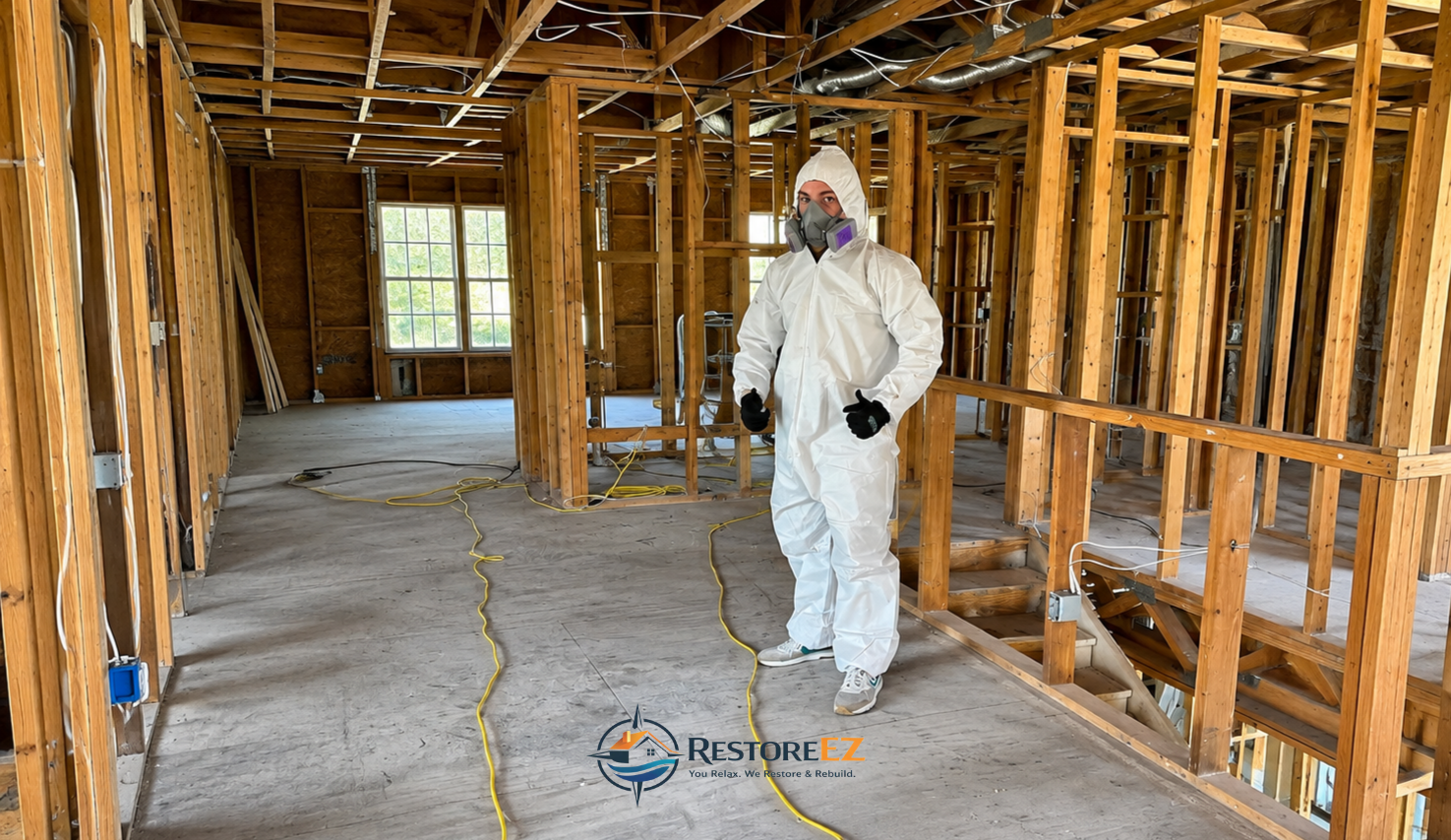
Sometimes, the best solution is to remove materials that have absorbed too much odor. Severely contaminated carpet, insulation, or drywall might need to be replaced. Containment is used to prevent soot and odor from spreading during the process. This helps protect unaffected areas and improves the chances of success.
Removal might sound drastic, but it's often necessary when odor is deeply embedded. Trying to save every material can be more costly if the smell returns. Professional restoration teams balance repair costs, structural integrity, and odor severity to decide what stays and what goes. This judgment is a big reason to hire specialists instead of relying on temporary fixes.
Cleaning, Deodorization, and Air Treatment
After removing the source, technicians clean all salvageable surfaces. This includes soot removal, deep cleaning of contents, and treatment of HVAC components. Then, deodorization methods are used to neutralize remaining odor particles. This might involve air scrubbing, thermal fogging, or hydroxyl generation.
For larger projects, controlling indoor air is just as important as cleaning surfaces. Equipment like air movers and HEPA filtration can help restore a neutral indoor environment. When smoke damage overlaps with humidity or storm damage, services like indoor air quality improvement and mold remediation might be part of the recovery plan.
Signs the Smoke Odor Is More Serious
The Smell Returns After Cleaning
If smoke odor comes back after cleaning, it's a clear sign the source hasn't been eliminated. The smell might vanish for a while but return when the room heats up or when it rains. This pattern usually means odor is trapped inside materials or distributed through hidden pathways. Temporary freshness doesn't equal real remediation.
Many try air fresheners or open windows for relief, but these don't address the root cause. If the smell keeps coming back, it's time to see it as a structural issue, not a cleaning one. This mindset shift can save time, money, and frustration.
Soft Materials and Hidden Spaces Smell Worse
If carpets, curtains, or closets smell stronger than open areas, it means porous or enclosed spaces are holding smoke residue. Attics and wall cavities can be troublesome because they're rarely cleaned during routine maintenance. If you notice a persistent odor in these spaces, professional odor mapping and treatment are likely required.
These hidden spaces can also develop moisture problems after firefighting. Wet insulation or framing can trap smoke residue and lead to secondary damage. If fire and water exposure occur, comprehensive restoration is crucial because neglecting one problem often worsens the other. A coordinated plan that includes drying, cleaning, and deodorizing is the best approach.
People Notice It Before You Do
Sometimes, the most reliable sign of lingering smoke odor is feedback from visitors or tenants. People who aren't used to the smell might notice it immediately, even if you've become accustomed to it. This is a clue the odor is still present, even if it's less noticeable to regular occupants. Familiarity can make a smell easier to ignore, but it doesn't mean the problem is gone.
In commercial spaces, this can affect reputation and customer confidence. In homes, it can affect comfort and resale value. If others consistently comment on the smell, it deserves a professional evaluation. A detailed inspection and restoration strategy can determine whether cleaning, demolition, or specialized deodorization is needed.
How to Reduce Smoke Odor Before Help Arrives
Ventilate Without Spreading Residue
Fresh air can help temporarily, but be careful after a fire. Opening windows and using fans may remove airborne odor, yet aggressive airflow can also spread soot if the space isn't properly contained. It's safest to use limited ventilation while avoiding disturbance of contaminated surfaces. Keep HVAC systems off until a pro confirms they're safe to use.
Also, avoid using regular vacuums on soot, as they can blow particles back into the air. HEPA-rated equipment is made for this cleanup, while ordinary vacuums are not. If you're unsure about cleaning a surface, leave it until an expert assesses the damage. Overcleaning can spread the odor further.
Protect Unaffected Items
If the fire damage is localized, move undamaged belongings away from the affected area. Clean textiles, documents, and decor should be relocated to reduce the risk of odor transfer. Items with mild exposure might benefit from professional cleaning, especially if they're porous or valuable. The sooner you separate clean items from contaminated spaces, the better.
For clothing and soft furnishings, laundering might not be enough if the smell is deep in the fibers. In some cases, repeated cleaning plus deodorization is necessary. That's why item-by-item evaluation is often part of a restoration project.
Document Damage for Insurance
Before cleanup begins, take photos and videos of all visible damage and odor signs, like soot on walls and smoke-stained contents. Keep a list of damaged items and note where the odor is strongest. This documentation can support your insurance claim and help explain why professional services are needed. It's also useful if the odor returns later and more restoration is necessary.
Insurance carriers often want evidence of the damage extent, especially with hidden contamination. Detailed records can help show the problem isn't just cosmetic. This can make the claims process smoother and justify specialized cleanup.
Why Local Expertise Matters for Smoke Odor Problems
Florida Humidity Can Complicate Odor Removal
In humid climates, smoke odor can be more stubborn because moisture affects how particles bond to materials. Humidity can also reactivate smells that seemed to fade after cleanup. That's why properties in coastal areas often need more than a quick deodorizing. A restoration plan should consider climate, ventilation, and the extent of fire exposure.
For those seeking remediation services in Tarpon Springs, FL, working with a team that understands local conditions is helpful. Climate-aware restoration reduces the chance that smoke odor will return after cleanup. It also helps protect against moisture intrusion and microbial growth.
Commercial and Residential Properties Need Different Strategies
A small home fire and a commercial fire rarely require the same approach. Commercial buildings may have larger HVAC systems, more occupants, and different documentation needs. Homes often require balancing livability, safety, and preserving belongings. In both cases, the goal is the same: remove odor at the source and restore safe indoor conditions.
For businesses, smoke odor can affect operations and customer trust. For homeowners, it can affect comfort and emotional recovery after a stressful event. A professional team will tailor the approach to the building type and the needs of the people who use it. Customization is especially important when time, health, and property value are at stake.
Choosing the Right Services Saves Time and Money
When smoke odor is treated as a surface problem, restoration often becomes more expensive over time. Repainting, replacing furniture, or repeated cleaning might seem cheaper at first, but those steps can fail if the odor source remains hidden. It's better to address the underlying issue once, using a coordinated restoration plan that includes cleaning, deodorization, drying, and, if needed, structural repairs.
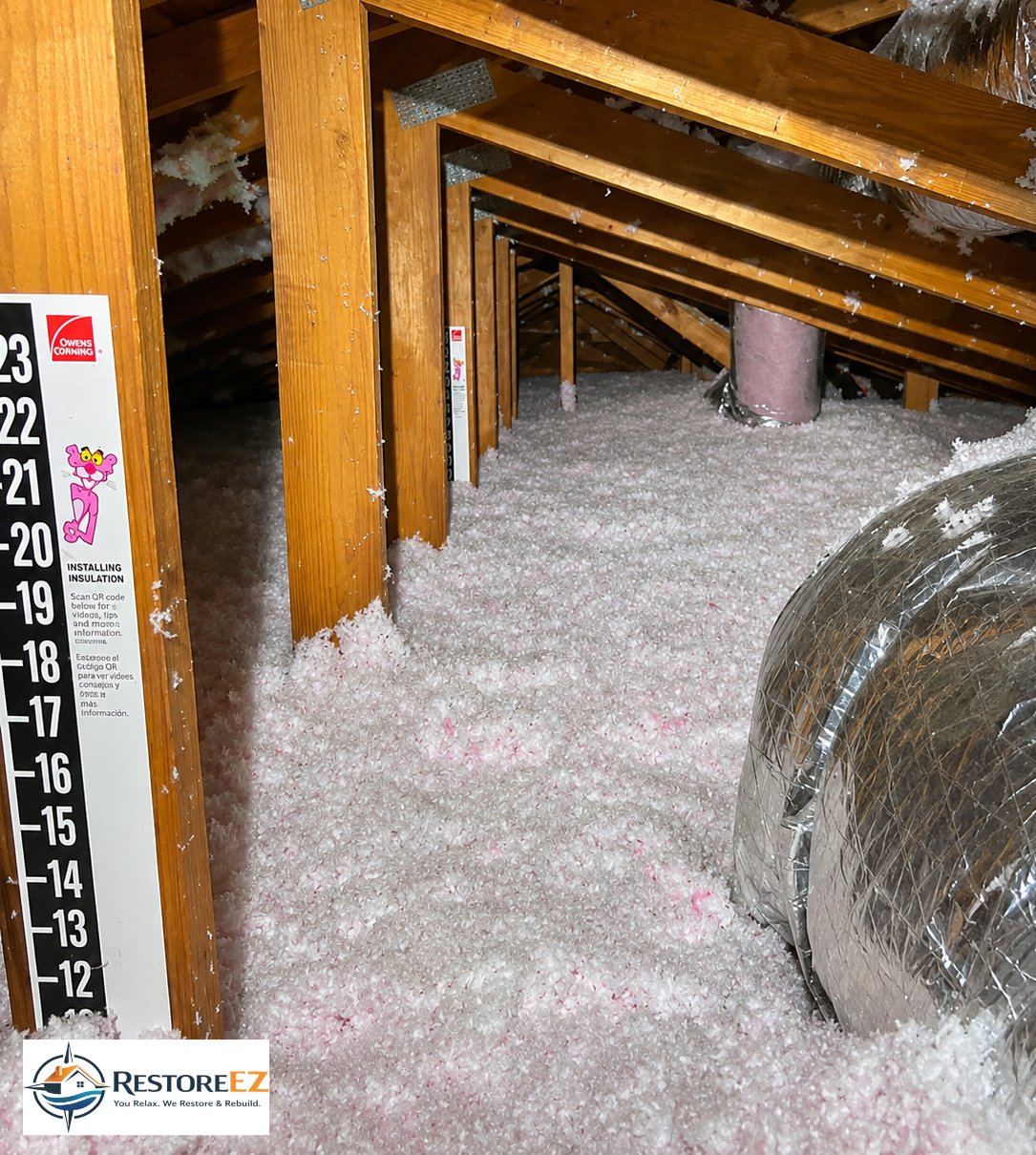
That's where integrated services make a difference. In fire-related situations, fire damage restoration, air duct cleaning, and dryer vent cleaning may all help restore a healthier environment. If the fire or cleanup exposed weaknesses in the home’s efficiency, a follow-up like blown-in attic insulation can improve comfort and air quality over time.
Frequently Asked Questions About Smoke Odor Removal
Can I Remove Smoke Odor Myself?
You might reduce light smoke odor with ventilation and surface cleaning. But when the smell is strong or spreading through the HVAC system, DIY methods usually aren't enough. Smoke residue can settle in hard-to-reach areas without professional tools. If the smell keeps coming back, professional restoration is probably the better option.
How Long Does Smoke Odor Last After a Fire?
The odor can last days, weeks, or even months if not properly addressed. The timeline depends on the type of fire, materials affected, humidity levels, and how quickly cleanup begins. Sometimes, odor can linger indefinitely in untreated materials. The sooner the source is found and removed, the better.
Is Painting Over Smoke Stains Enough?
No. Painting may cover discoloration, but it doesn't remove embedded odor. Painting over contaminated surfaces without preparation can trap the smell inside. Before painting, surfaces usually need cleaning, sealing, and evaluation for deeper contamination. Otherwise, the problem is likely to return.
What if the Fire Was Small?
Even a small fire can cause a big smoke odor problem. Smoke travels farther than expected, especially with ventilation systems running. A minor kitchen fire can still affect cabinets, ceilings, and nearby rooms. Small fires should be treated seriously if the smell lingers.
When Should I Call a Professional?
Call a professional when the smell persists after basic cleaning, when soot is widespread, when HVAC contamination is suspected, or when people notice discomfort. It's also wise to seek help if the fire affected multiple materials or if water was used during suppression. A professional assessment can help you avoid wasted effort and prevent secondary damage.
Restoring a Safe, Fresh-Smelling Property
Start With a Complete Assessment
The first step in solving a smoke odor problem is understanding its full scope. A complete assessment reveals where contamination exists, which materials can be cleaned, and which areas need removal or treatment. Without that insight, cleanup efforts often remain incomplete. A thorough inspection is the foundation of a successful recovery.
Focus on Source Removal, Not Masking
True odor removal means eliminating the source, not covering it up with fragrance. That includes cleaning soot, treating air pathways, restoring affected materials, and using professional deodorization methods. The more accurately the source is identified, the more durable the results will be. Surface freshness alone is not enough when smoke has penetrated deep into the property.
Work With a Restoration Team That Understands the Whole Problem
Fire damage rarely exists in isolation. Smoke can overlap with water, mold, structural damage, and air quality concerns. That's why a full-service restoration approach can be so valuable. When one team can address multiple layers of damage, the process tends to be faster, clearer, and more effective. If you need help evaluating the situation, Restoreez can assist with restoration planning, deodorization, and related services that support a healthier indoor environment.
Lingering smoke odors should not be ignored or treated as a simple cleaning issue. If the smell remains after a fire, that often means contamination is still present in materials, airflow pathways, or hidden building components. The right solution combines inspection, cleaning, deodorization, and sometimes removal of damaged materials. If you are ready to take the next step, contact Restoreez to discuss a professional recovery plan and get your property back to a safer, more comfortable condition.