When Smoke Damage Looks Minor, the Hidden Problems Can Still Be Serious
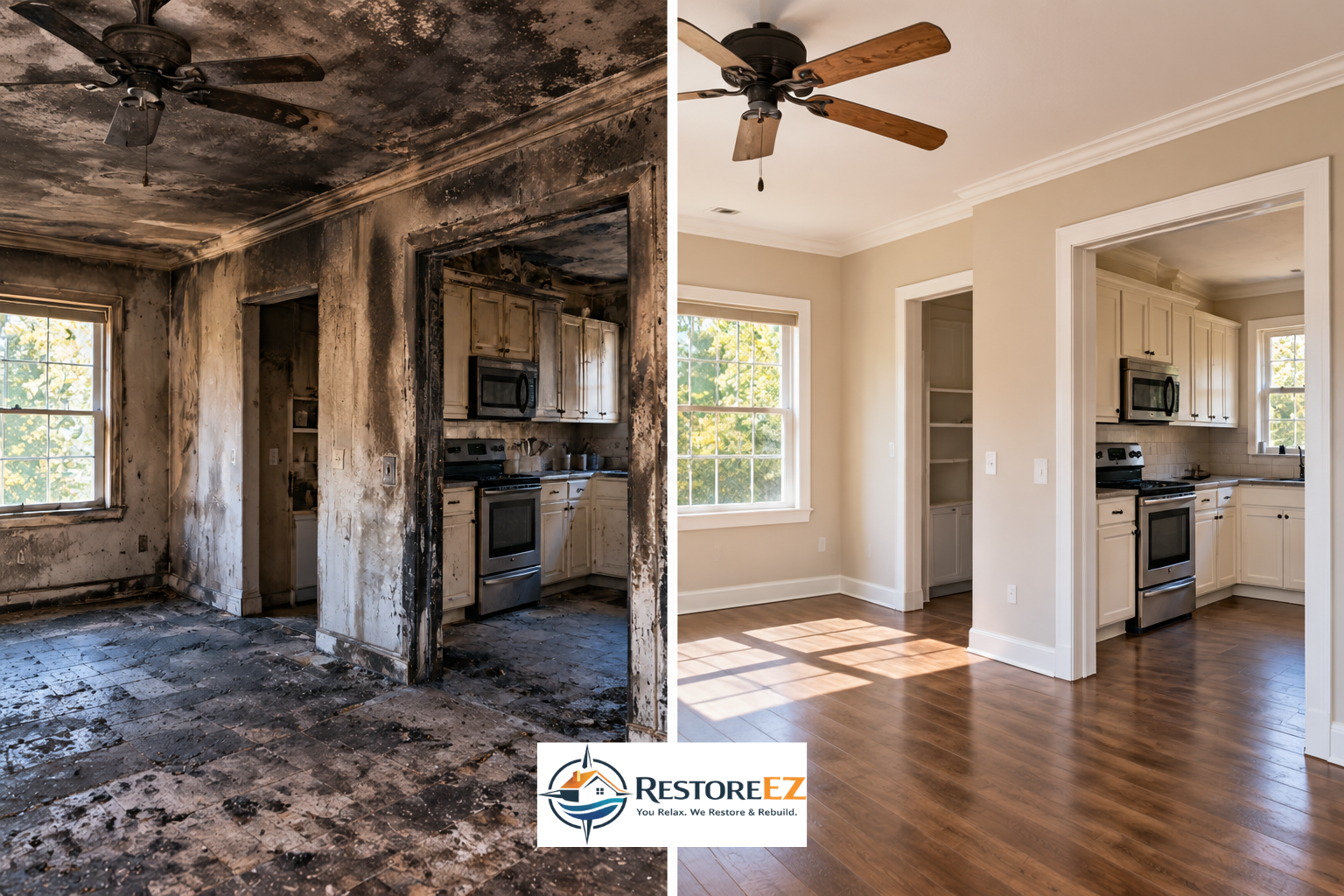
After a fire, it's normal to focus on the visible mess. You see black soot on walls, you smell smoke in the air, and you notice stained surfaces. This screams for immediate cleanup. But here's the catch: smoke damage often goes beyond what meets the eye. Even a small fire leaves behind tiny particles, corrosive residues, and air quality issues that can linger long after the flames are out.
This is why getting a professional to handle it is crucial. If you're dealing with fire aftermath, services like fire damage restoration and indoor air quality services can help tackle both the obvious and hidden damage. Smoke particles can travel through HVAC systems, settle into fabrics, and hide behind walls. So, cleaning what you see is just the beginning, not the complete fix.
According to the U.S. Environmental Protection Agency, indoor air can be significantly affected by smoke residues inside the building. This matters because smoke damage isn't just about looks; it influences breathing comfort, surface integrity, and long-term costs. Let’s dive into why smoke behaves this way and what a proper cleanup really needs.
Why Smoke Travels Far Beyond the Burn Area
Smoke moves like a gas, not like a stain.
One big misconception after a fire is that smoke stays near the flames. In reality, smoke is made of gases, vapors, and tiny particles that can travel into other rooms, attics, crawl spaces, and ductwork. So, a kitchen fire can affect a bedroom across the house, even if it looks untouched.
Smoke also varies depending on the type of fire. Grease fires, electrical fires, and slow-burning fires all create different residues. Some are dry and powdery, while others are sticky and oily, making them harder to remove from porous materials. If smoke enters ventilation, it can keep circulating long after the fire is out.
Porous materials absorb odor and residue.
Drywall, insulation, carpet, upholstery, and wood can soak smoke particles deep inside. Wiping may clean the top layer of soot, but odor-causing compounds often stay trapped below. That’s why lingering smells are common after a fire, even when rooms look clean.
For homes with HVAC contamination, air duct cleaning and air duct sealing could be crucial to recovery. If smoke is pulled into ducts, running the system can redistribute contamination. The more porous the material, the more likely you’ll need professional deodorization and targeted removal.
What Smoke Residue Does to Surfaces and Materials
Residue can be acidic and corrosive.
Smoke cleanup isn't just about removing a dirty film. Often, the residue left behind is acidic and can continue to harm finishes, metals, and electronics if not addressed quickly. Painted surfaces may discolor, metal fixtures may corrode, and appliances may fail because soot has entered sensitive parts.
This is why quick action is important. The longer residues sit, the more they can etch into finishes and bond with surfaces. Professionals classify smoke damage by residue type because dry smoke, protein smoke, and oily smoke need different cleaning methods. Using the wrong product can spread contamination or push it deeper into the material.
Heat and soot can weaken building materials.
Even if a fire doesn’t destroy a room, heat and smoke can weaken structural elements. Wood may char or warp, drywall may lose integrity, and insulation may hold odor and particles that are tough to remove. Hidden damage behind walls or ceilings can be more serious than surface contamination suggests.
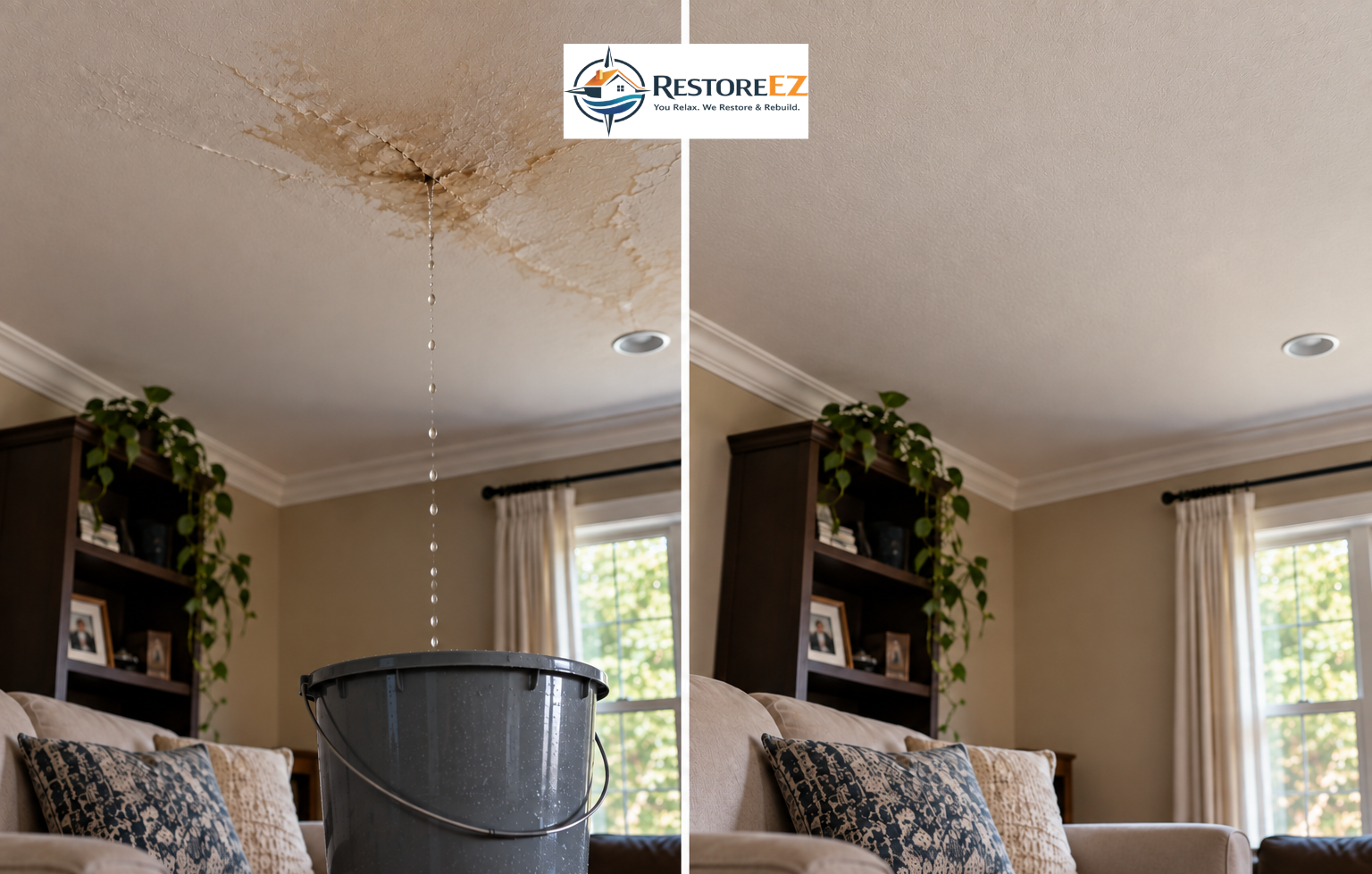
If there’s water from firefighting efforts, cleanup gets even more complex. Smoke and moisture damage often work together, which is why many need both water damage restoration and smoke remediation after a fire. If moisture stays trapped, the risk of secondary problems like mold growth rises quickly.
The Health Risks You Cannot See
Smoke particles can irritate the respiratory system
One key reason not to rely on surface cleaning alone is health. Smoke residues can include fine particles and irritants that affect the nose, throat, lungs, and eyes. People with asthma, allergies, chronic respiratory conditions, kids, and older adults may be especially sensitive to poor indoor air quality after a fire.
The Centers for Disease Control and Prevention notes that smoke exposure can worsen respiratory symptoms and reduce air quality inside buildings. While wildfire smoke and house-fire smoke aren't identical, the principle is similar: fine particles and combustion byproducts can remain harmful even when the fire is out. That’s why professional containment, filtration, and air cleaning are often needed before a property is safe to occupy again.
Lingering contaminants affect daily comfort.
Even if someone doesn’t have obvious health symptoms, smoke residue can still affect daily life. A lingering odor can disturb sleep, make clothing and furniture feel contaminated, and create anxiety about getting back to normal routines. For businesses, that can mean lost productivity, poor customer impressions, and a space that feels unprofessional or unsafe.
In many cases, a thorough mold inspection is also wise after fire-related water exposure, because damp materials and damaged building assemblies can create conditions for mold later. Smoke cleanup and indoor air recovery are part of a bigger restoration picture. Ignoring one concern often leads to another.
Why DIY Smoke Cleanup Often Falls Short
Household cleaners are not designed for fire residues
It’s understandable to want to start cleaning right after a fire. Homeowners often grab sponges, all-purpose sprays, and vacuum cleaners to remove soot from visible surfaces. Unfortunately, those tools are usually not enough for fire residues and can even make the problem worse by spreading soot or contamination.
Some residues need dry-cleaning techniques, specialty degreasers, HEPA filtration, or controlled agitation to be removed safely. If the wrong liquid is used, soot can soak deeper into porous surfaces. If a standard vacuum is used, fine particles may be blown back into the air instead of captured. That’s why fire cleanup is one of those tasks where expertise and equipment make a big difference.
Odor removal requires more than masking the smell.
Many people try to solve smoke odor with candles, sprays, or air fresheners. These might temporarily cover the smell, but they don’t neutralize the particles causing it. Sometimes, they mix with the odor and create an even worse indoor environment.
Professional odor control often involves source removal, filtration, thermal fogging, and other methods chosen for the specific fire scenario. When needed, technicians may also coordinate dryer vent cleaning or other mechanical system maintenance if smoke or debris has entered connected pathways. The goal is not to hide the evidence of a fire; it’s to eliminate contamination at its source.
What Professional Smoke Damage Cleanup Includes
Inspection and damage classification
Before cleaning, restoration pros usually inspect the property to identify the type and extent of smoke damage. They look at soot patterns, odor intensity, material porosity, HVAC exposure, and moisture impact. This step is important because different residues need different treatments, and a one-size-fits-all approach often fails.
An inspection also helps decide what can be cleaned and what should be removed. Some items can be restored through deep cleaning, while others may be too contaminated or damaged to save. When the scope is clear, the cleanup plan becomes more efficient and effective.
Containment, filtration, and source removal
A professional process often starts with containment to prevent soot from spreading. High-efficiency air filtration devices may be used to capture airborne particles, and technicians may isolate affected areas to protect clean zones of the property. This is particularly important in homes with open floor plans or properties where the HVAC system may have circulated contamination widely.
Once the area is controlled, technicians work on source removal. This might include cleaning walls, ceilings, fixtures, hard surfaces, and salvageable contents using methods matched to the residue type. In some cases, affected materials are removed entirely, especially when smoke has penetrated deeply or when surfaces cannot be restored without leaving odor behind.
Deodorization and final air quality treatment
After the visible cleanup, deodorization often determines whether a property truly feels restored. The job isn't complete until the air no longer carries the fire signature and the building is safe for routine use. Depending on the damage, this may involve targeted treatment of furniture, fabrics, ductwork, and hidden cavities.
If you're planning the broader recovery process, pairing smoke cleanup with mold remediation or air duct sealing can help prevent future indoor air problems. Fire events often disrupt the whole building system, not just the room where the fire started. A coordinated restoration plan saves time, reduces repeat work, and helps protect your investment.
How Hidden Smoke Damage Creates Long-Term Costs
Delayed cleanup increases replacement expenses.
Smoke damage that isn't fully treated often becomes more expensive over time. Residues continue to break down finishes, stain surfaces, and corrode components. Materials that might have been restorable in the first few days can become permanent losses if cleanup is delayed too long.
This is especially true for electronics, HVAC components, appliances, and soft goods. Soot can migrate into vents, motors, and wiring, creating hidden failure points. If you wait too long, what started as a cleaning project can become a major replacement project.
Insurance claims can become more complicated.
Documentation is crucial after a fire. If smoke damage is only partially addressed, it may be hard to prove later that a specific issue came from the fire rather than a separate cause. Thorough photos, moisture readings, residue mapping, and itemized reports help support the claim process and may improve communication with insurers.
It's also helpful to understand general disaster recovery expectations from reliable sources such as the Ready.gov home fire guidance. While every claim is different, one lesson is consistent: early action, documentation, and professional assessment can reduce confusion and support a smoother recovery. Waiting too long often complicates both the repair process and the insurance conversation.
Signs That Smoke Damage Is Still Present
A persistent odor after surface cleaning
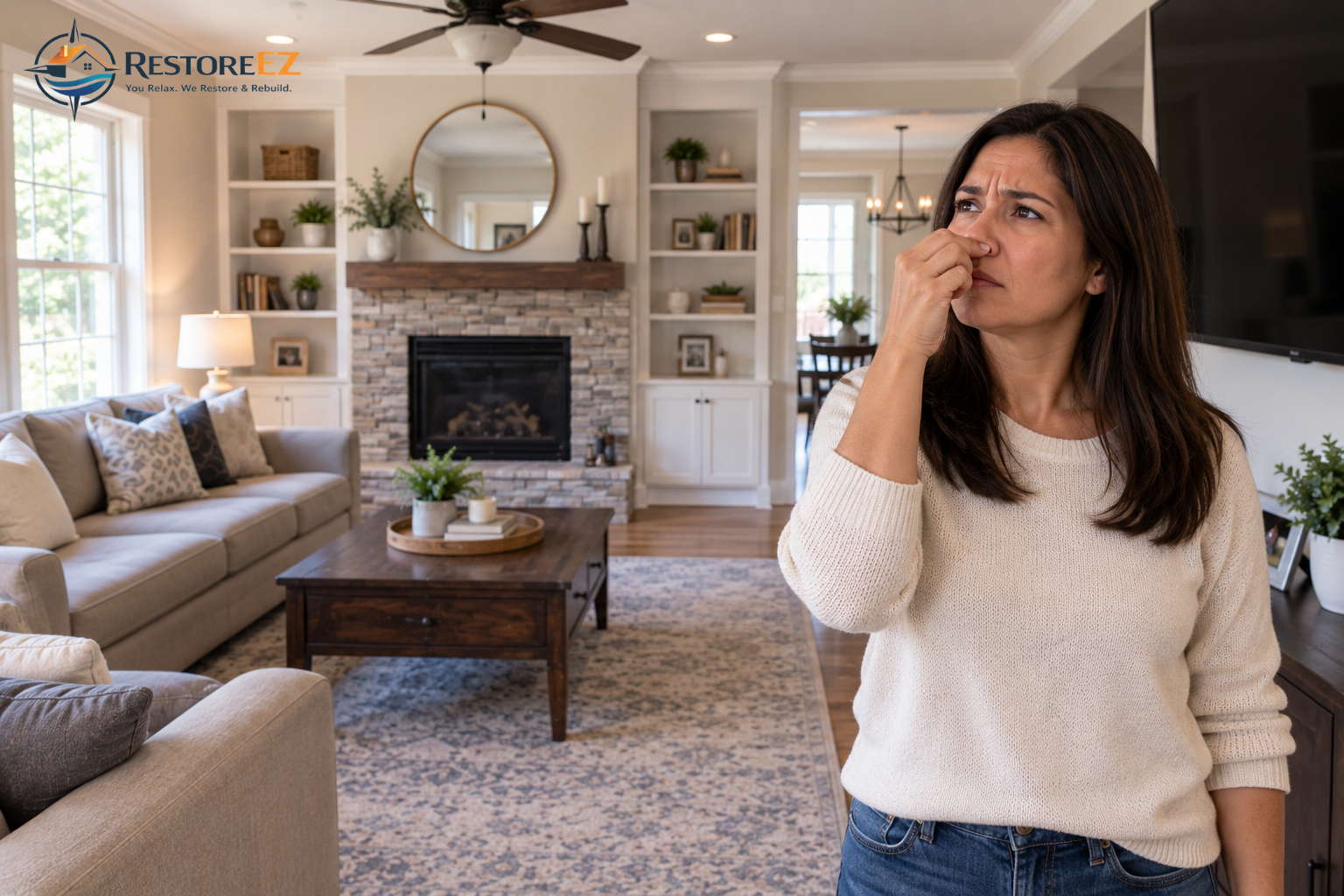
If a room still smells smoky after cleaning, there's likely more residue present than meets the eye. Odor is often one of the clearest indicators that particles remain in porous materials or hidden cavities. The smell may intensify in humid weather or when the HVAC system runs, which points to contamination inside the building envelope.
Homeowners should pay attention to rooms that seem clean visually but still feel "off" in the air. If guests notice the smell first, that's usually a sign the issue isn’t resolved. Lingering odor should always be treated as a restoration concern, not just an inconvenience.
Unexplained discoloration or film
Smoke residue can leave yellowing, streaking, or oily film on walls, ceilings, cabinets, and windows. You may also see fine black dust returning after an initial cleaning, which means residue is continuing to migrate from hidden areas. If the same surfaces repeatedly collect soot after wiping, the source has probably not been fully removed.
Another warning sign is ongoing irritation, like headaches or throat discomfort when spending time in the space. While these symptoms can have many causes, they shouldn’t be ignored after a fire. A more complete cleanup and ventilation review may be necessary.
How Restoreez Helps Property Owners Recover Safely
Local response with professional-grade restoration methods
After a fire, timely help matters. Restoreez provides restoration support for property owners who need more than basic surface cleaning, including smoke cleanup, water extraction, and air quality recovery. The goal is to restore safe, livable conditions while reducing the chance of hidden damage turning into a long-term issue.
If the fire caused water intrusion, structural drying, soot removal, and odor control should be coordinated together. That’s where a professional team can streamline the process and help you avoid repeated work. In more complex cases, a broader recovery plan may also include flood barriers or other prevention measures if the property has additional weather-related risk.
Services that support a full recovery
Smoke cleanup is often connected to other restoration needs, especially in homes with older HVAC systems or pre-existing moisture concerns. That’s why a complete service plan may include indoor air quality improvements, air duct cleaning, and targeted content cleaning. These services work together to reduce odor, remove contaminants, and make the building feel normal again.
For property owners in the Tarpon Springs area, choosing a restoration team that understands local housing conditions, humidity, and storm-related risks can make a significant difference. If you're planning a broader recovery or want to learn about related preparedness options, you can also review our weatherization program. Preventive upgrades can help reduce future stress on your property after a disaster.
FAQ: Smoke Damage After a Fire
Can I just repaint after smoke damage?
Repainting alone usually doesn't solve smoke damage. If soot or odor remains trapped in drywall, wood, or insulation, it can bleed through new paint or continue to release odor over time. Proper cleaning, sealing, and sometimes material replacement are often needed before repainting makes sense.
How long does smoke odor last?
Smoke odor can last for weeks, months, or even longer if not treated properly. The timeline depends on fire intensity, material type, humidity, and whether the HVAC system spread contamination. Professional deodorization shortens the recovery time and reduces the chance of lingering smell.
Is smoke damage dangerous if the fire was small?
Yes, even a small fire can leave harmful residues. The size of the fire doesn't always reflect the extent of contamination, especially if smoke traveled through vents or settled into soft materials. A small visible event can create a much larger hidden cleanup problem.
Should I clean smoke damage before calling a professional?
You can document the damage and take protective steps, but aggressive DIY cleaning is risky. If you scrub soot into porous materials or use the wrong products, you may make restoration harder. It's usually better to limit disturbance, photograph the damage, and get a professional assessment first.
Conclusion: Don’t Let Visible Cleaning Create a False Sense of Recovery
Smoke damage after a fire is often more complex than it first appears. What looks like surface soot may be only one layer of a much larger problem involving odor, residue, airflow contamination, and hidden structural impact. Cleaning what you can see is important, but it's rarely enough to make a property truly safe, comfortable, and fully restored.
If you're dealing with the aftermath of a fire, the smartest next step is a thorough assessment and a complete restoration plan. That may include smoke cleanup, odor removal, air quality improvements, duct treatment, and moisture-related services if water was also involved. Professional help can reduce long-term costs, protect your health, and speed up the return to normal life.
For dependable help with smoke damage, fire recovery, and related restoration concerns, contact Restoreez today at (813) 703-0300 or visit restoreez.com. When you're ready to move beyond surface cleaning and address the full impact of a fire, our team is here to help.