Fire Recovery Steps in Tarpon Springs: What to Expect After a Fire
When a fire is put out, the work isn't over. The cleanup and recovery process takes time and involves dealing with smoke, soot, water, and structural issues. Understanding what happens next can help homeowners and business owners save money, protect their health, and get life back to normal faster.
This guide covers the post-fire restoration process, what's new in the industry, common questions, and real-life examples. We'll explain why acting quickly is crucial and how professional fire damage restoration can help prevent further damage. And if you're in a humid place, like Tarpon Springs, you'll need to think about moisture and water damage restoration since the water used to fight the fire can create new problems.
Fire recovery isn't just about cleaning up visible damage anymore. It now includes science-based assessments, awareness of hazardous materials, managing indoor air quality, controlling moisture, and planning reconstruction. This comprehensive approach gives property owners the best chance for a safe and efficient return to normal.
Why Acting Fast is Important
Stopping Further Damage
Once the fire is out, the clock starts ticking. Soot is acidic, smoke particles settle into porous materials, and water used to extinguish the fire can soak into drywall, insulation, flooring, and framing. If these issues aren't addressed quickly, the damage can spread. Delays also encourage mold growth, especially in warm and humid places.
Experts stress that prompt action is one of the biggest factors affecting both cost and outcome. The U.S. Environmental Protection Agency emphasizes that controlling moisture is critical to preventing mold after water exposure. This principle applies after firefighting efforts when hidden dampness remains in walls, ceilings, and subfloors.
Securing the Property
The first practical step is usually to stabilize the property. This might include boarding up broken windows, tarping roof openings, shutting off utilities if needed, and checking for structural hazards. A professional restoration team will also identify unsafe areas and document conditions for insurance claims.
If you need help getting the property stabilized and assessed quickly, a local team familiar with regional building conditions can make a major difference. For example, residents often seek out Tarpon Springs restoration services to get the process started without delay.
Main Phases of Post-Fire Restoration
1. Assessing Damage and Planning
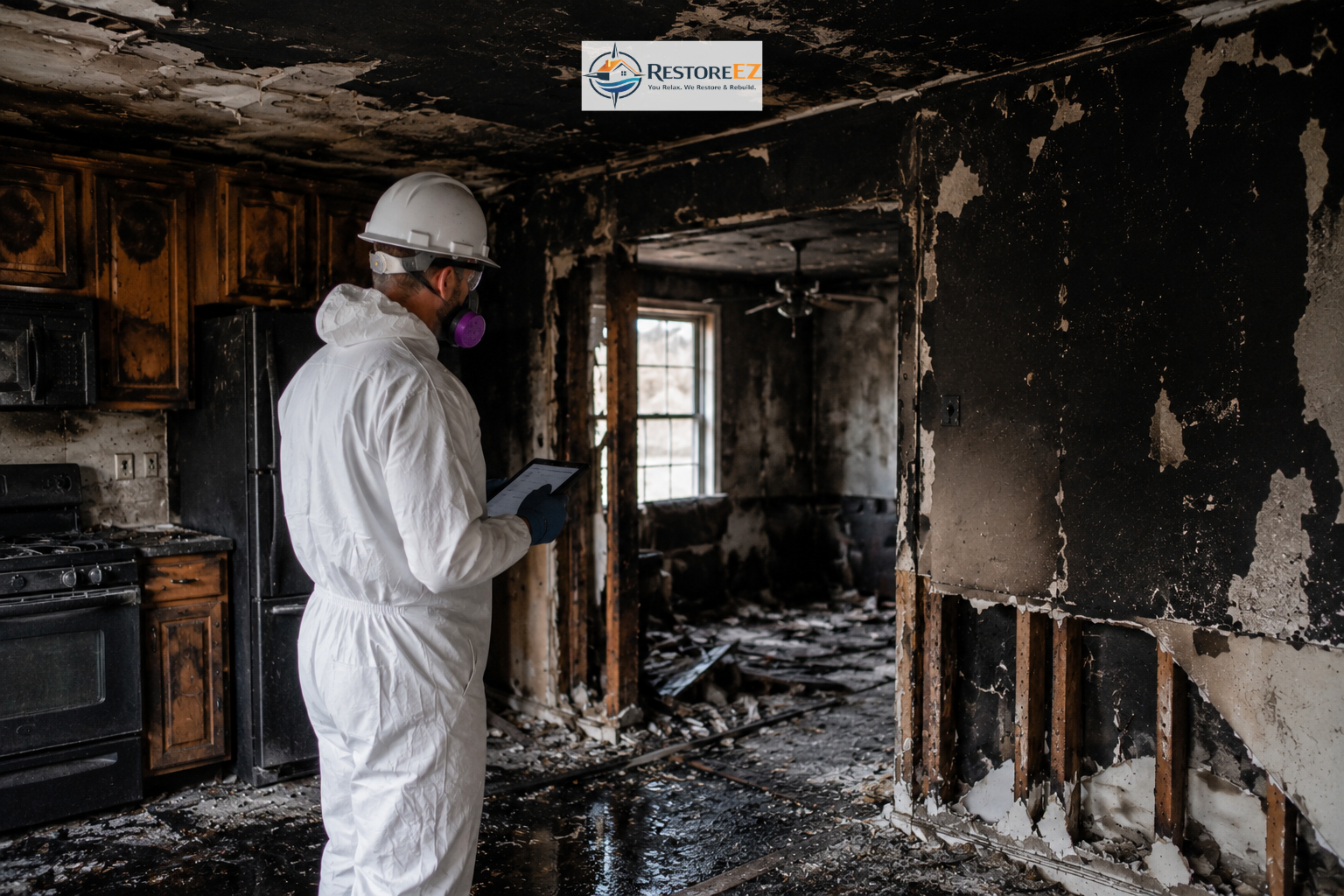
The restoration process begins with a full inspection. Professionals evaluate structural damage, smoke and soot contamination, water intrusion, HVAC impact, and potential safety hazards. A proper assessment should distinguish between materials that can be cleaned and those that must be removed and replaced. This step is essential before any work begins as it determines scope, timeline, and cost.
Modern restoration companies are increasingly using digital tools for documentation and moisture detection to create precise work plans. These tools improve transparency for homeowners and insurers while reducing the risk of missing damage. According to 360iResearch, the broader restoration industry is moving toward integrated, science-based recovery.
2. Emergency Mitigation and Debris Removal
After assessment, crews remove unsalvageable debris, damaged contents, and hazardous waste. This stage also includes separating items that can be restored from those that cannot. Some belongings may be cleaned on-site, while others need specialized off-site treatment for odor or smoke residue removal.
Debris handling is now more regulated and sustainability-focused than in the past. Many restoration firms work to reduce landfill waste and use low-VOC deodorization methods, which benefits both the property and the surrounding environment.
3. Smoke, Soot, and Odor Cleanup
Smoke and soot can be the most frustrating parts of fire damage because they travel far beyond the burn area. Fine particles can coat walls, ceilings, cabinets, electronics, fabrics, and ductwork. Strong odors may remain trapped inside porous materials long after visible debris is gone. Effective removal often requires dry sponging, HEPA vacuuming, specialized detergents, thermal fogging, hydroxyl or ozone treatment, and detailed surface cleaning.
This is where professional indoor air quality services can be valuable, since smoke residue often becomes an indoor air issue. In some cases, restoring air quality means addressing the duct system directly with air duct cleaning so contaminated particles do not continue circulating through the building.
4. Water Extraction and Drying
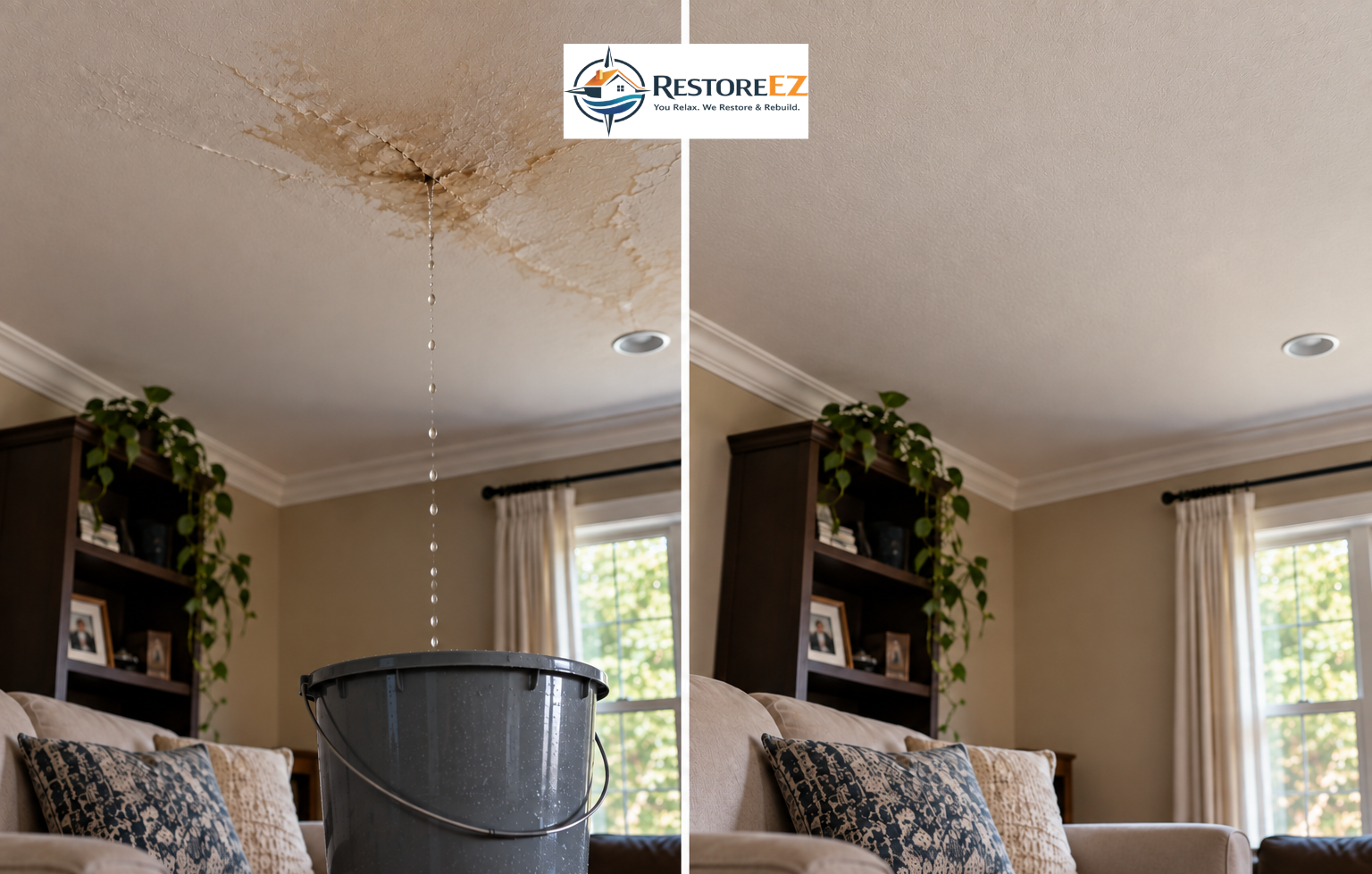
Even though the fire is over, water damage from firefighting often becomes the next major issue. Saturated insulation, standing water, wet framing, and elevated humidity can lead to warping, swelling, and microbial growth. Professional drying uses extraction equipment, air movers, dehumidifiers, and continuous moisture monitoring to return materials to safe levels.
In Tarpon Springs and surrounding coastal communities, humidity can make this stage even more important. If the building envelope is already compromised, moisture can linger longer than expected and create hidden damage behind walls or under flooring. That's why restoration plans often include both fire and mold remediation from the beginning, not as an afterthought.
5. Reconstruction and Final Repairs
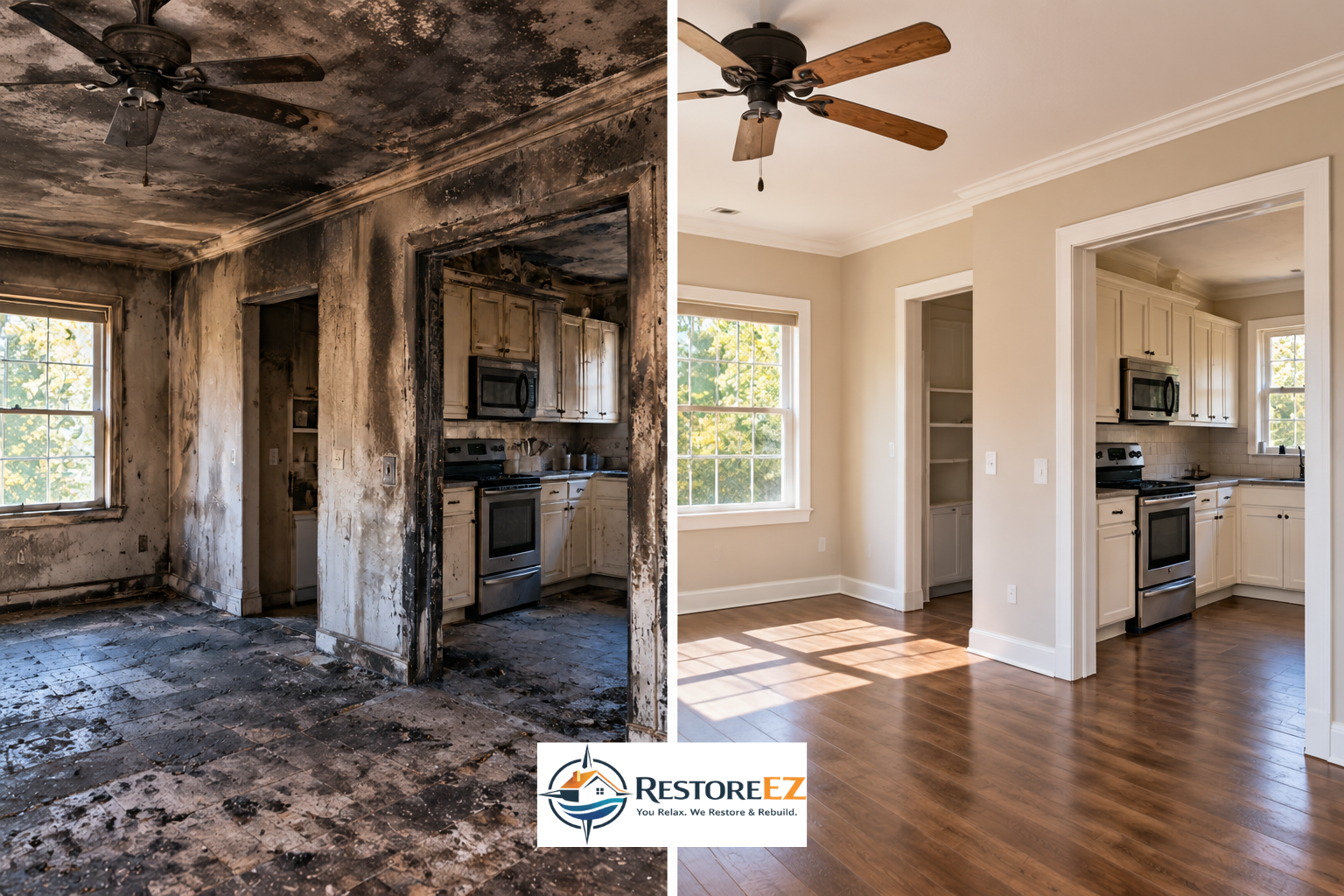
Once the property is dry and cleaned, reconstruction begins. This may involve replacing drywall, insulation, flooring, cabinets, trim, electrical components, roofing, or even major structural elements. The goal is to return the property to pre-loss condition while meeting current building codes and insurance requirements.
Reconstruction can be the longest phase, but it's also where the property truly becomes functional again. A well-managed restoration project coordinates trades, timelines, materials, and inspections to prevent delays. In more complex losses, a clear project plan keeps the rebuild aligned with insurance adjuster approvals and homeowner expectations.
Trends in Fire Recovery and What They Mean
Science-Based Recovery
The restoration industry is shifting from simple cleanup to integrated recovery. Instead of treating smoke, water, odor, and reconstruction as separate problems, professionals now address them together. This approach means better outcomes and fewer surprises.
For property owners, this means hidden contamination is less likely to be missed, the risk of mold is reduced, and the recovery path is shorter. It also improves the quality of insurance documentation since each phase is tracked and supported with evidence.
Faster and More Accurate Recovery
New technologies like AI-assisted assessment tools, smart moisture meters, and IoT sensors are changing how damage is documented and monitored. These tools help teams detect remaining moisture, map contamination more accurately, and provide faster updates to insurers. They also make it easier to spot trends that might not be obvious during a quick visual inspection.
According to Rewind Restoration, digital documentation and automation are becoming central to modern restoration workflows. For customers, this often means smoother claim handling and less back-and-forth during the process.
Sustainability in Restoration
Fire recovery is becoming more environmentally conscious. Crews are paying closer attention to responsible debris handling, waste reduction, and the use of low-emission deodorization products. This shift is good for the environment and helps protect building occupants from unnecessary chemical exposure during cleanup and rebuilding.
In practical terms, sustainable restoration can mean salvaging more materials, reducing demolition where safe, and choosing repair methods that minimize waste. This trend reflects both regulatory pressure and customer expectations, especially in communities that value long-term resilience.
Common Questions After a Fire
How Long Does Restoration Take?
There's no single answer because every fire loss is different. A small kitchen fire with limited smoke spread may be resolved relatively quickly, while a larger commercial loss can take months. The timeline depends on the extent of structural damage, the level of smoke penetration, how much water was used during firefighting, and how quickly insurance approvals come through.
Real-world examples show the range clearly. In one case study, a self-storage facility was restored in under four months, but the project still required careful sequencing, documentation, and cleanup. The takeaway is that speed matters, but so does doing the work in the right order to avoid repeat damage.
Will Insurance Cover Everything?
Coverage depends on the policy language, the source of the fire, and the specific damage involved. Some policies cover dwelling repairs, contents, temporary housing, and mitigation services, while others may have exclusions or limits. It's smart to photograph everything, keep all receipts, and work closely with both the adjuster and the restoration contractor.
According to industry guidance, the average fire or lightning insurance claim payout between 2019 and 2023 was $88,170. This underscores how expensive these losses can become. Thorough documentation can make a meaningful difference during the claims process.
Can I Stay in the Property During Cleanup?
Sometimes yes, but not always. If soot contamination is widespread, if there are structural hazards, or if air quality is poor, temporary relocation may be recommended. The decision depends on safety, comfort, and whether major systems like electricity, plumbing, and HVAC are still usable.
If a property remains occupied during cleanup, indoor air quality monitoring becomes even more important. Smoke particles, cleaning agents, and dust from demolition can all affect breathing comfort, especially for children, older adults, and anyone with asthma or allergies.
Real-Life Fire Recovery Stories
Smoke in a Family Home
In Lorain, Ohio, a family experienced extensive smoke and soot contamination across multiple rooms after a fire. Restoration efforts focused on cleaning and deodorizing affected areas so the home could become livable again. This is common because fire damage often travels well beyond the actual burn zone.
The lesson for homeowners is that visible charring is only part of the problem. Smoke residues can reach closets, cabinets, ductwork, and hidden cavities. This is why a detailed inspection and proper odor treatment are essential, not optional.
Recovery for a Municipal Building
In Los Angeles, a municipal building suffered smoke damage from an adjacent fire. Restoration included cleaning sensitive documents, deodorizing interior spaces, and helping staff return to temporary offices while work continued. This example shows how restoration is not only about buildings but also about continuity of operations.
For businesses and public institutions, a well-organized recovery plan can reduce downtime, protect records, and preserve customer trust. Fast communication and coordinated reconstruction are often just as important as the cleanup itself.
Challenges in Tarpon Springs and Similar Florida Areas
Humidity and Mold Risk
Florida’s humid climate creates unique post-fire challenges. When firefighting water enters a structure, the combination of heat damage, trapped moisture, and warm air can quickly lead to mold growth. That's why restoration teams in coastal communities often pair drying services with mold inspection and prevention steps early in the process.
A quick response can help protect framing, insulation, and indoor finishes from long-term damage. It also helps prevent hidden growth in areas that look dry on the surface but remain damp inside cavities or behind baseboards.
Storms and Exposure
In addition to humidity, frequent thunderstorms can complicate fire recovery. If a property is open to the elements after a fire, even a short storm can add more water intrusion and make the damage much worse. Temporary protection, such as roof tarping or window boarding, becomes critical.
When planning restoration, think about resilience, not just cleanup. In some cases, adding preventative upgrades later, such as flood barriers or improved drainage solutions, can reduce the risk of future losses. Other property improvements, like dryer vent cleaning, can also lower fire risk by reducing one of the most common household ignition hazards.
How Professional Services Protect Health and Safety
Hazard Awareness and Compliance
Post-fire properties may contain more than soot and char. They can also involve asbestos, damaged wiring, chemical residues, compromised insulation, and contaminated water. Remediation professionals must know how to identify these hazards and handle them following environmental and safety regulations.
This is why the remediation services industry is so important after a fire. It bridges the gap between emergency cleanup and safe occupancy, making sure the property is not only visually restored but also healthy to use again.
Indoor Air and Health
Smoke particles can affect the respiratory system, irritate eyes and skin, and cause lingering odors that make a space uncomfortable. If occupants return too early, they may continue inhaling particles that were never fully removed. A professional team will often evaluate the property’s ventilation pathways and recommend additional cleaning or filtration where needed.
For households that are already sensitive to allergens, pair fire cleanup with broader comfort improvements such as air duct sealing or other indoor air quality upgrades after the main restoration work is complete. Those changes can help the property stay healthier after the loss is resolved.
What to Do Next if You Have Fire Damage
Your Immediate Action Checklist
- Make sure everyone is safe and follow the fire department’s instructions.
- Do not re-enter damaged areas until they have been declared safe.
- Contact your insurance company and begin documentation right away.
- Call a restoration company to stabilize the property and begin mitigation.
- Take photos and videos before anything is moved, cleaned, or discarded.
- Save receipts for temporary lodging, supplies, and emergency repairs.
If the property also suffered hidden moisture exposure, do not wait to investigate it. Secondary damage can move fast, especially if humidity levels are high or the HVAC system was affected. Scheduling a thorough inspection early can save time and money later.
Work with Certified Professionals
IICRC-certified restoration professionals follow established industry standards for fire cleanup, drying, deodorization, and reconstruction. Certification shows a commitment to recognized practices. It can also help support smoother insurance communication because the work is being documented by trained professionals.
For business owners and homeowners who want a structured recovery process, certification, responsiveness, and clear communication should all be part of the decision. The right team should explain what is happening, why it matters, and what comes next.
Frequently Asked Questions About Post-Fire Restoration
Will Everything Smell Like Smoke Forever?
No, but odors can be stubborn if they aren't treated properly. Odor molecules can cling to fabrics, insulation, framing, and ductwork. A combination of cleaning, removal of contaminated materials, ventilation, and odor-neutralizing treatment usually produces the best results.
Can Furniture and Contents Be Saved?
Often yes, depending on the severity of contamination. Hard-surface furniture, electronics, and personal items may be restorable with specialized cleaning or content pack-out services. Soft goods like mattresses, upholstered furniture, and heavily soaked items may be harder to salvage.
What If Mold Appears After the Fire?
Mold can become a problem if water damage isn't dried quickly. If you notice musty odors, spotting, or new discoloration during recovery, it’s important to schedule a mold inspection promptly. Early detection can prevent a second major remediation project.
Conclusion: Recovery Starts After the Fire Is Out
Putting out the fire doesn't end the damage. Smoke, soot, water, odor, and structural concerns continue affecting the property unless they're addressed with a clear plan. The best outcomes come from fast action, thorough assessment, professional cleanup, and coordinated reconstruction.
If you're recovering from a fire, don't try to manage every step alone. A trusted restoration partner can help stabilize the property, document the loss, remove hidden hazards, and rebuild safely. For property owners who want experienced support, Restoreez is ready to help with emergency response, cleanup, drying, and rebuilding needs.
To take the next step, call (813) 703-0300 or visit Restoreez to learn more about restoration support, including fire damage cleanup, moisture control, mold prevention, and indoor air quality services. Acting quickly now can protect your property, your health, and your peace of mind.