How Moisture in Your Attic Can Lead to Mold and Structural Issues
Moisture in your attic is more than just an annoyance. In warm, humid coastal places, it can kickstart mold growth, wood rot, insulation issues, and costly repairs. Often, homeowners only spot the problem when they see stains on ceilings, smell a musty odor, or find hidden damage during an inspection. Living in a humid area? Understanding attic moisture is a smart way to protect your home and keep your indoor air quality in check.
If you're a homeowner looking to prevent damage, professional mold inspection and indoor air quality services can catch problems early. Attic troubles often start quietly, so early detection is key. Mold can start growing within 24 to 48 hours after moisture sneaks in, making cleanup more complicated and pricey if not caught in time. The EPA says controlling moisture is crucial to stopping mold growth, especially in humid spots. Check out the U.S. Environmental Protection Agency’s mold resources for a good overview.
Why Attic Moisture Is Such a Serious Problem
Humidity creates the ideal mold environment.
Attics are vulnerable because they trap warm air that rises from below. In Florida and similar climates, this warm air is already pretty damp, making the attic a perfect spot for mold spores to thrive. Florida's average relative humidity is over 74% year-round, which favors condensation and mold growth. When attic surfaces stay wet, mold can grow on wood, insulation, drywall, and stored stuff.
One big challenge is that homeowners might not spot the problem right away. Mold can hide behind insulation, along roof sheathing, or around pipes and ducts. By the time you see discoloration, the issue might be widespread. Regular moisture management is smarter than reacting after the damage is visible.
Moisture can weaken the structure over time.
Beyond mold, constant attic moisture can weaken your home's structure. Roof decking, rafters, trusses, and beams soak up water when leaks or condensation persist. Over time, this can cause warping, cracking, swelling, and rot. Even small damage can weaken building materials if they go through repeated wet and dry cycles.
When attic wood framing gets too moist, the risk of decay jumps. Experts say wood moisture content should stay below 16% to avoid mold risk. If moisture levels rise above that and stay there, your attic becomes high-risk. Notice sagging insulation, stains, or soft wood? Don’t delay an inspection. If it's roof-related, water damage restoration might be needed to fix the root problem and stabilize affected areas.
Common Causes of Moisture Buildup in the Attic
Roof leaks and storm intrusion
Roof leaks are a clear source of attic moisture. Damaged shingles, flashing issues, cracked vents, or worn-out sealants can let rainwater seep into the attic over time. In coastal Florida, heavy rain and storms can worsen the issue by pushing water through small gaps. Even a tiny leak can make things damp enough for mold to grow if not caught quickly.
Roof leaks are sneaky because they often happen out of sight. A leak may follow a rafter or run down sheathing before hitting insulation or drywall, making it tough to find the entry point. This is why professional inspections use tools like moisture meters and thermal imaging to track hidden dampness. Building experts stress correct ventilation and flashing details for a healthy roof. The Florida Building Code can help you understand how local standards address these issues.
Improper ventilation and trapped heat
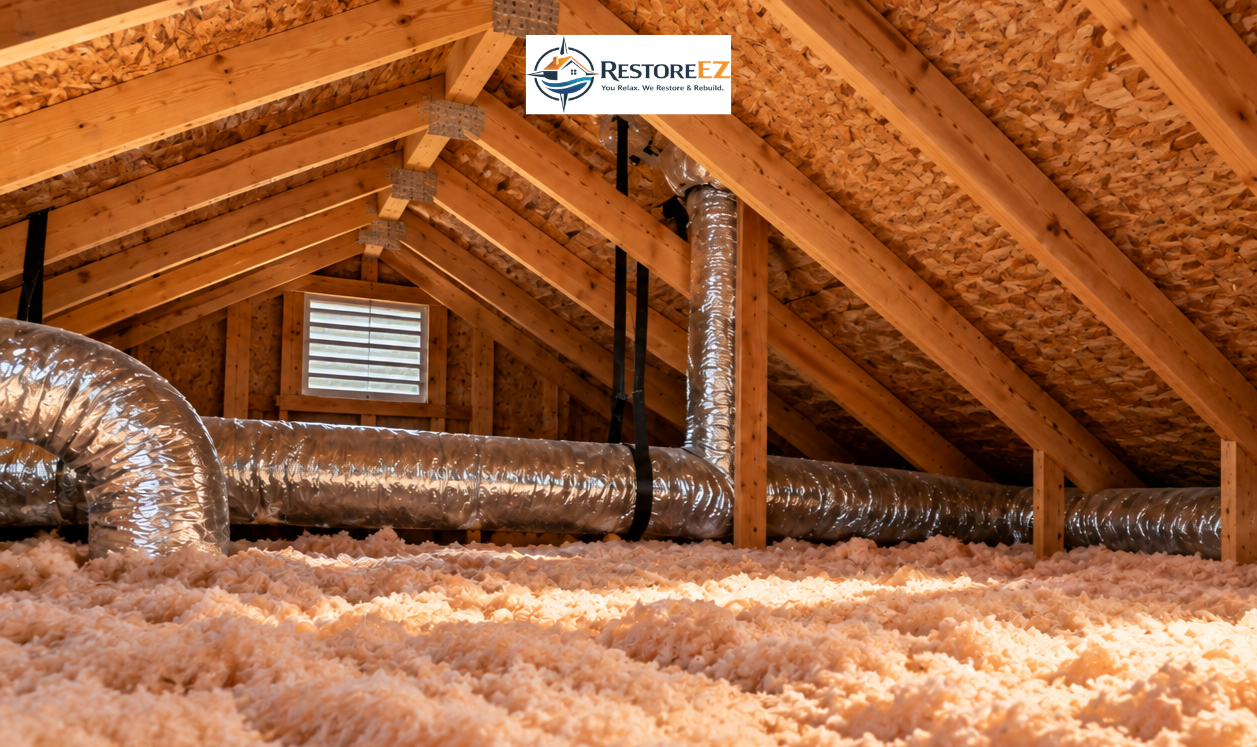
Ventilation issues are another big factor. Without good airflow, heat and moisture get trapped in the attic, leading to condensation on cooler surfaces like roof decking and nails. Experts often suggest balanced systems that combine ridge and soffit vents to keep air moving. This setup helps push out humid air and pull in fresh air from the roof's lower edge.
Poor ventilation can happen due to blocked soffit vents, undersized exhaust systems, insulation covering air channels, or design flaws from past renovations. In some homes, added insulation improves energy efficiency but accidentally blocks airflow if it’s installed without baffles. Thinking about upgrading insulation? Consider blown-in attic insulation along with ventilation improvements to keep the attic efficient without trapping moisture.
Indoor humidity and venting mistakes
Moisture in the attic isn’t just about the weather. Humid air from bathrooms, kitchens, and laundry rooms can get into the attic if fans aren’t vented properly. A bathroom fan venting into the attic instead of outside sends steam straight into the roof space. Clogged or disconnected dryer vents can also add unwanted heat and moisture.
Make sure all fans vent to the exterior. Professional dryer vent cleaning can reduce lint buildup and improve airflow. Also, air duct sealing helps stop conditioned air leaks that can lead to condensation. These details matter because attic moisture often comes from several small issues rather than one big failure.
How to Spot the Early Warning Signs
Visible stains, discoloration, and odors
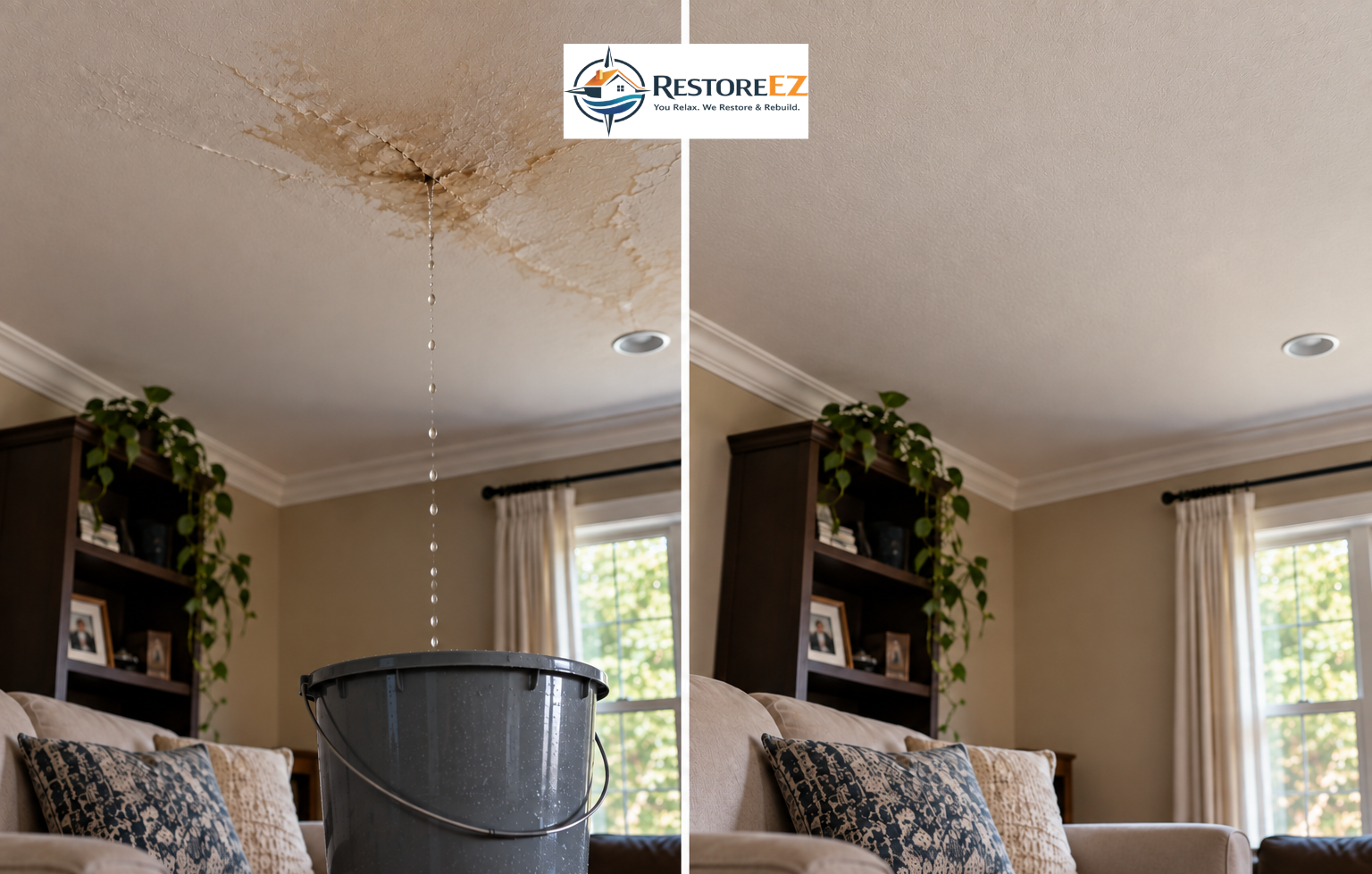
First signs of attic moisture often include stains on roof decking, joists, or ceiling materials. Brown or yellow spots might indicate past leaks, while dark patches can suggest active mold growth. Musty odors are another clue. Because air moves between the attic and living space, moldy smells can be noticeable even if the source is hidden.
Look out for peeling paint, cracked drywall, or warped trim below attic spaces. These could signal humidity problems above. If discoloration comes with a persistent odor, a mold inspection might be your best next step. Catching the issue early can stop a minor repair from becoming major remediation.
Humidity readings and moisture meters
Modern tools make it easier to spot moisture before big damage occurs. Thermal imaging cameras can detect temperature differences that hint at damp materials, while moisture meters measure water content in wood and drywall. These tools help pros map the issue and decide if materials can be dried or need removal.
A basic hygrometer can give you a snapshot of attic humidity. If readings stay high, especially after rain or during muggy weather, check the attic for ventilation or leak problems. The National Institute of Building Sciences highlights that building performance and moisture control are key to durability. Explore their resources at the National Institute of Building Sciences site. Early measurement is a simple way to prevent costly repairs.
What Mold Does to Your Home and Health
Damage to materials and indoor air quality
Mold feeds on organic materials like wood, paper backing on drywall, and dust in insulation. Once it spreads, it can break down attic materials and lower indoor air quality throughout the home. Spores can circulate through HVAC systems, making the problem less localized than you might think. So a roof-space issue can end up affecting bedrooms, living areas, and even the HVAC system.
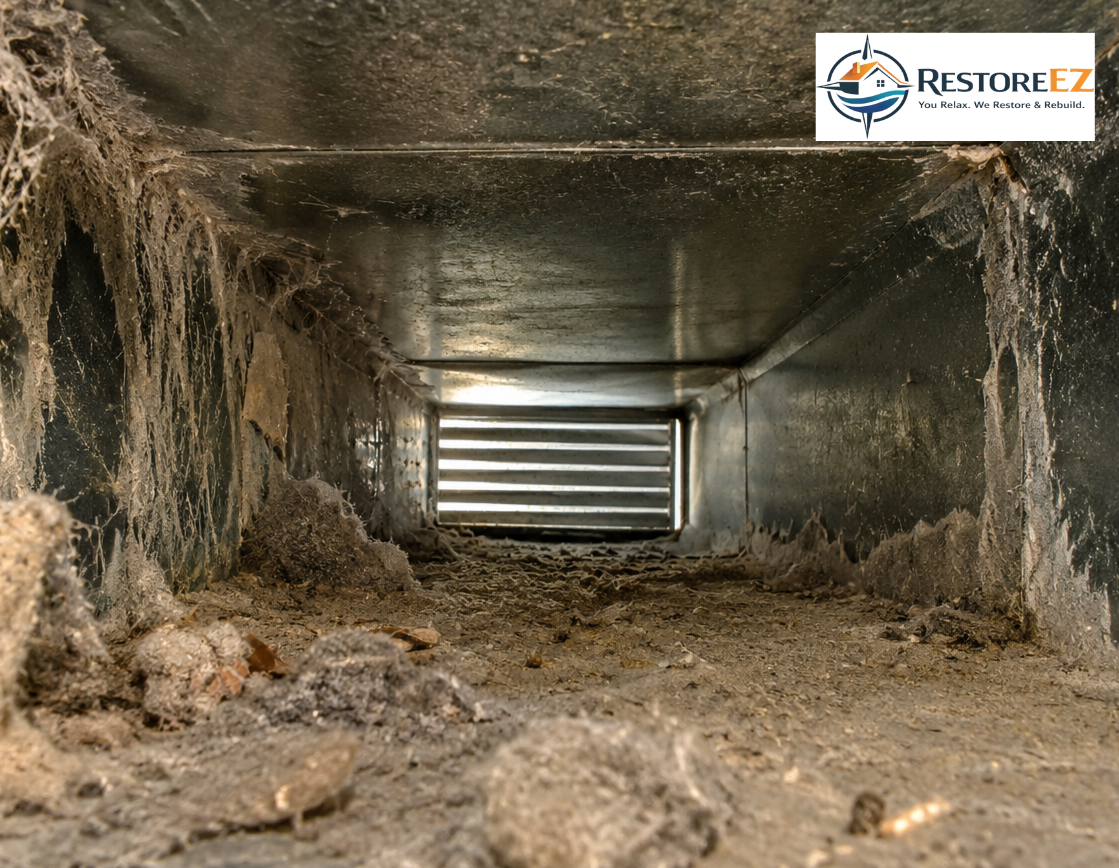
Homeowners dealing with ongoing attic moisture often benefit from pairing mold remediation with air quality improvements. In some cases, air duct cleaning is also suggested after remediation to reduce lingering dust, debris, and spore circulation. Untreated mold can keep releasing particles into your home, causing ongoing discomfort for those living there.
Respiratory and allergy concerns
Mold exposure can trigger coughing, sneezing, nasal congestion, eye irritation, skin irritation, and breathing difficulty, especially in sensitive individuals. People with asthma, allergies, or weakened immune systems may have stronger reactions. While not every mold problem is an immediate medical emergency, long-term exposure is something to avoid. Health experts stress moisture control as the best prevention strategy.
For more info on indoor mold and health, the Centers for Disease Control and Prevention offers clear guidance on exposure risks and prevention. If mold is in the attic, it can affect more than just the attic. Fixing the moisture source quickly leads to better outcomes for both your home and the people living in it.
Best Practices for Preventing Attic Moisture
Improve ventilation and airflow.
The first step is a well-designed ventilation system. Ridge vents, soffit vents, gable vents, and fan-assisted systems all have roles depending on your roof design. The goal is balanced airflow that removes warm, moist air before it condenses on cooler surfaces. In many homes, simply clearing blocked soffits and ensuring insulation doesn’t obstruct vent channels can boost performance significantly.
When ventilation is part of a larger home energy strategy, it can work with smarter temperature management. A smart thermostat solution can help maintain stable indoor conditions, reducing temperature swings that lead to condensation. It’s also smart to have attic ventilation checked when you install new insulation, replace a roof, or change ductwork.
Seal leaks and control indoor humidity
Preventing moisture starts with fixing leaks at the source. Roof leaks, plumbing leaks, and condensation around HVAC components should be fixed immediately. Bathroom and kitchen exhaust fans should vent outdoors, not into the attic or crawl space. Check attic penetrations, recessed lights, and duct openings for air leaks that let humid indoor air escape upward.
In humid climates, controlling indoor humidity is just as important as sealing leaks. Dehumidifiers, the right-sized HVAC equipment, and regular maintenance can help keep indoor conditions stable. If your home has had water intrusion, coordinating repairs with water damage restoration pros can ensure affected areas dry thoroughly before mold starts to spread.
Schedule routine inspections and maintenance
Many attic moisture problems are preventable with regular inspections. A pro can spot missing shingles, vent blockages, rusted nails, hidden stains, and insulation issues early. Seasonal inspections are especially useful after heavy rain, storms, or roof work. In humid regions, don’t wait for visible mold to investigate.
A case study from the area shows the importance of this approach. In one Tarpon Springs home, the owner noticed moisture stains and drywall cracks after roof and window renovations. An inspection found improperly installed attic insulation trapping moisture and causing structural concerns. The mix of poor airflow and hidden dampness created a problem that was expensive to ignore but manageable once identified. Cases like this show regular inspection matters as much as repair work.
When Moisture Becomes a Structural Issue
Wood rot, sagging, and compromised framing
Structural damage starts when moisture stays in building materials long enough to weaken them. Roof sheathing may sag, rafters can rot, and fasteners may rust or loosen. What starts as a leak or ventilation issue can eventually affect the stability of roofing components and ceiling assemblies. In severe cases, repairs may need partial demolition to expose damage and rebuild sections.
This is why moisture readings are valuable. If wood moisture levels stay high, tackle the issue before it worsens. Repairs might include drying, replacing insulation, fixing ventilation, treating mold, and restoring framing. If the attic has suffered from long-term exposure, coordinating with remediation and restoration experts is usually the safest route.
How to know when repairs are urgent
Some signs need immediate attention. These include active drips, visibly sagging roof decking, widespread mold, soft or crumbling wood, and repeated ceiling stains after rain. If the attic smells musty or insulation feels damp, don't assume it will dry out on its own. Moisture problems often come back if the root cause isn’t fixed.
In severe cases, you may need more than a cleanup. A professional team might need to isolate the area, remove contaminated materials, dry the structure, and fix what caused the damage. The faster the response, the more likely materials can be saved, and costs kept down. For ongoing exposure concerns, pairing remediation with indoor air quality improvements helps protect the home long-term.
Frequently Asked Questions About Attic Moisture
How can I detect mold in my attic?
Look for musty odors, dark spots on wood or insulation, condensation, and unexplained ceiling stains. A hygrometer or moisture meter can help identify high humidity, but hidden mold often needs a professional inspection. Mold can grow behind insulation and along roof decking, so don’t rely only on what you can see from the attic entrance.
What are the health risks associated with attic mold?
Mold exposure can irritate your respiratory system and worsen allergies or asthma. Some folks notice symptoms right away, while others feel the effects after repeated exposure. If multiple family members experience symptoms that improve when they leave home, check the attic and HVAC system as part of a broader indoor air quality assessment.
How do I prevent mold growth in my attic?
Focus on moisture control. Fix leaks, improve ventilation, vent exhaust fans outdoors, install insulation correctly, and monitor humidity levels. If your attic has had water issues, professional drying and remediation can cut the chance of future growth. Prevention is way more effective than cleaning up after damage spreads.
Why Professional Help Matters
Advanced tools reveal hidden damage.
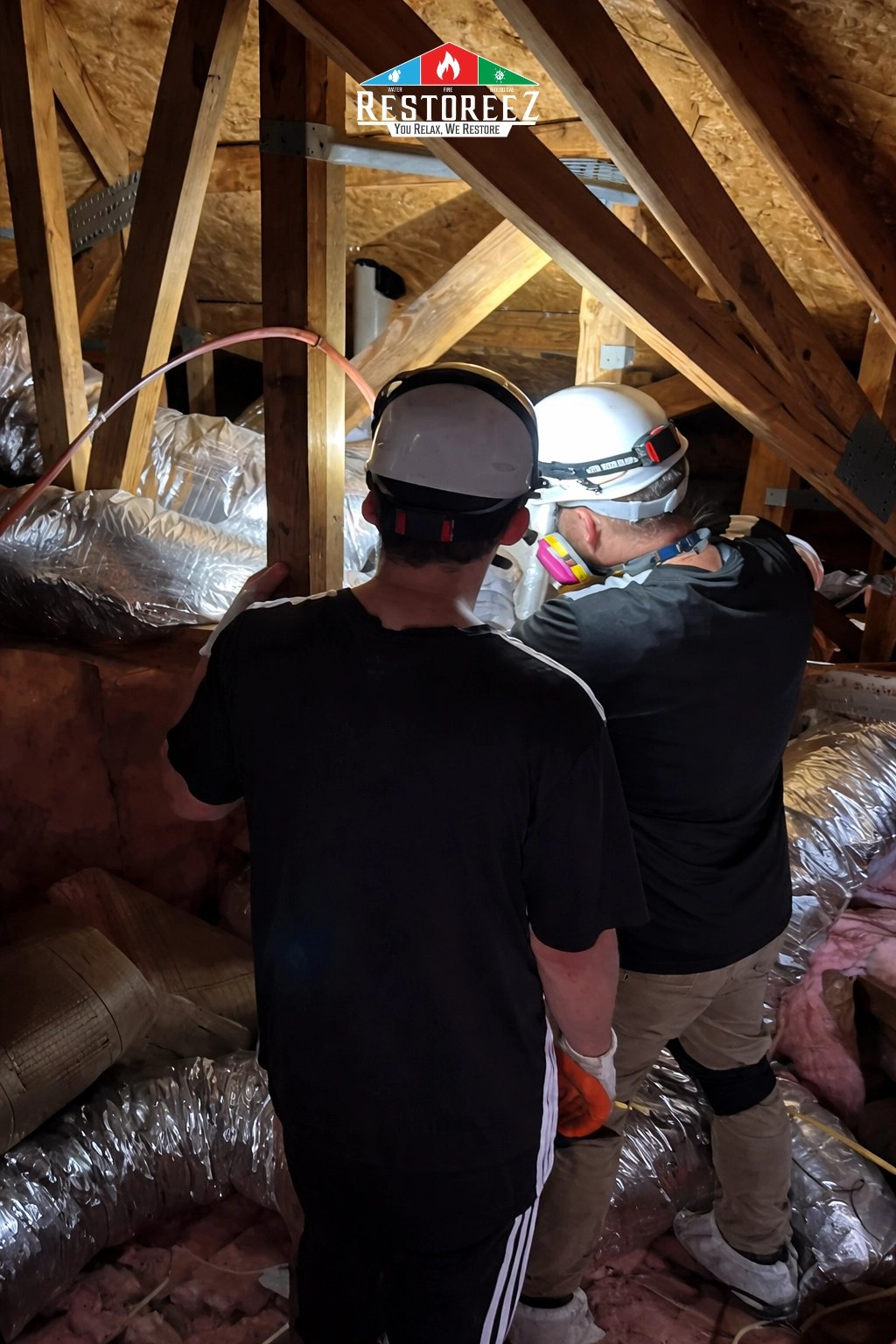
Pros use thermal imaging, moisture meters, and detailed inspections to find hidden problems fast. These tools help pinpoint the moisture source, damage extent, and best repair strategy. A homeowner might only see a stain, but a trained tech can figure out if it’s a leak, condensation, ventilation failure, or all three.
This matters because treating the symptom without fixing the cause leads to repeated damage. If mold is present, a full plan might involve containment, removal, drying, cleaning, and prevention. In homes where attic conditions affect ducts or ceilings, services like air duct sealing and air duct cleaning can support long-term results by reducing air leaks and contamination.
Local expertise helps in humid climates.
Homes in humid coastal areas face unique challenges. High moisture, frequent rain, storms, and temperature swings all increase the risk of attic problems. Local expertise matters because pros understand how regional weather affects roofs, insulation, ventilation, and indoor comfort. They can suggest practical solutions that fit the climate and home construction.
For homeowners and businesses in the area, partnering with a trusted remediation provider can mean the difference between a minor repair and a big loss. Restoreez helps homeowners needing quick, reliable help with moisture-related damage, mold concerns, and indoor air quality issues. Whether it’s a leak, hidden mold, or broader restoration needs, the right response starts with a thorough inspection and a clear plan.
Protect Your Attic Before Moisture Turns Into Major Damage
Moisture in the attic is a problem that quietly grows until it's expensive. It can cause mold, weaken structural materials, lower indoor air quality, and make your home less comfortable and safe. The good news? Most attic moisture issues can be prevented or controlled with proper ventilation, leak repairs, routine inspections, and quick responses to warning signs.
Seen stains, odors, or signs of dampness in your attic? Don't wait for the damage to spread. A professional assessment can reveal if you need inspection, drying, mold remediation, or broader restoration services. Protect your home by contacting Restoreez at restoreez.com or call (813) 703-0300. Acting early is the best way to safeguard your property, health, and peace of mind.