Understanding What Smoke and Soot Really Do After a Fire
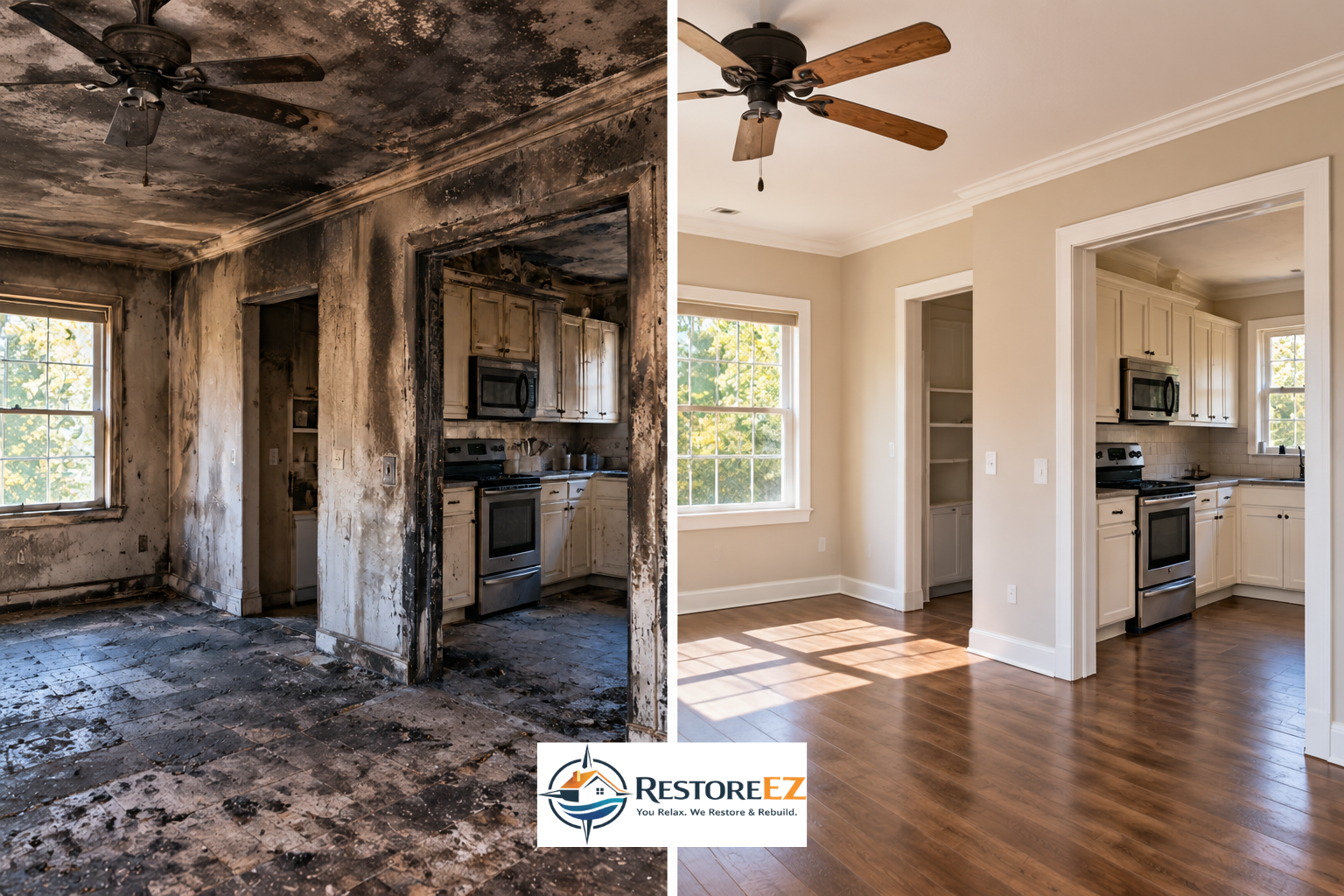
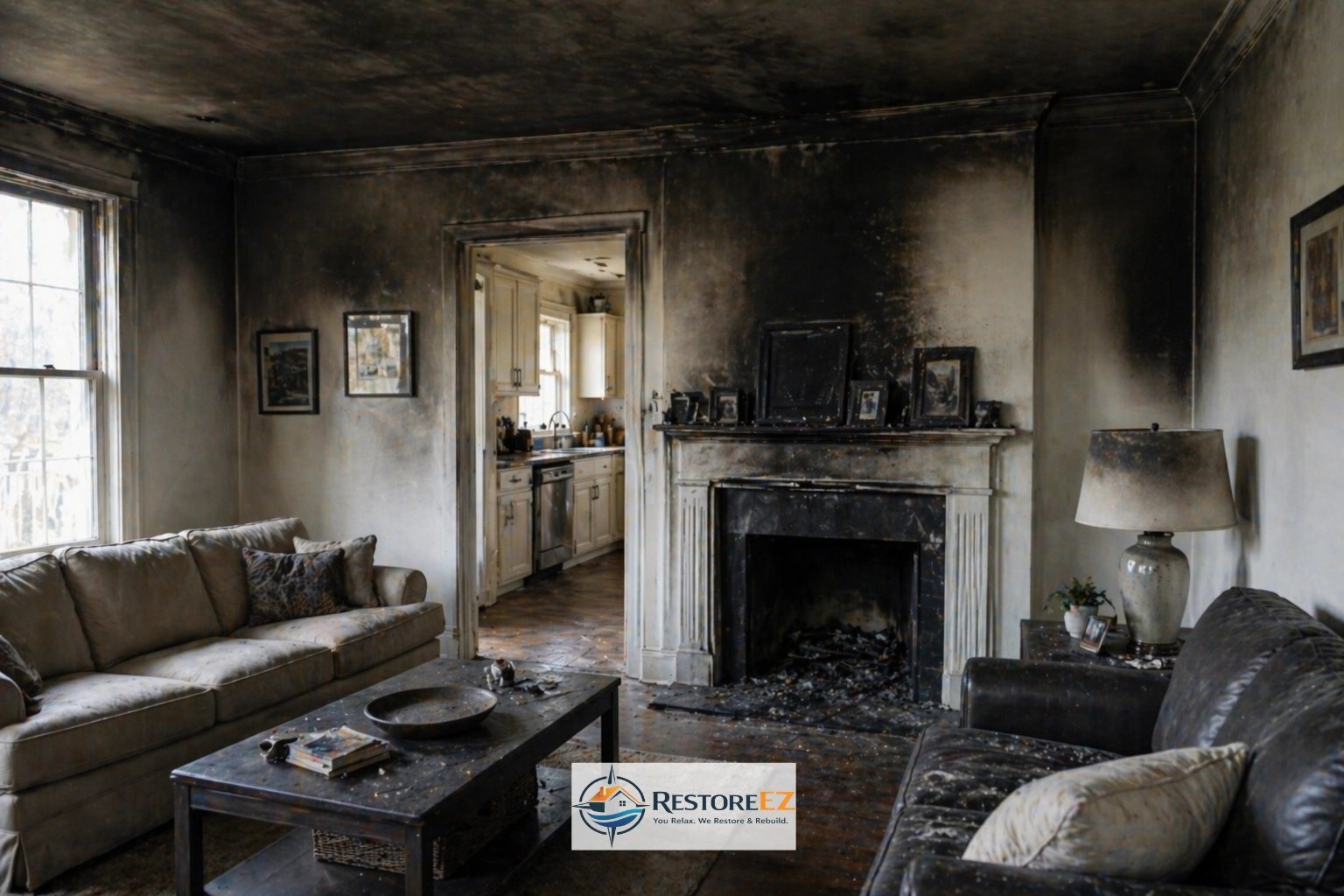
After the fire's out, the mess left behind isn’t just what you can see. Smoke and soot can linger, causing smells, corrosion, discoloration, and even messing with the air you breathe. These tiny particles can sneak into materials like drywall and wood, and even spread through your HVAC system. Hiring a professional for fire damage restoration can halt this hidden damage from spreading further.
Soot particles are tiny, often between 0.1 to 4 microns, which is why they move so easily around your home. The U.S. Environmental Protection Agency warns that these particles can harm indoor air quality, impacting your comfort and health after a fire. For more details on this, check out the EPA’s indoor air quality resources.
For folks in Tarpon Springs and nearby areas, quick action is key. Smoke and soot don’t just sit on the surface; they dive into your walls, wood, fabrics, and even ductwork, causing more expensive problems over time. Bringing in a team experienced in indoor air quality can help clean up the mess and make your home safe to live in again.
Why Soot and Smoke Residue Are So Destructive
Corrosive residue continues working after the fire ends
Smoke residue isn’t just dirt; it’s often chemically active. Depending on what burned, soot might have acids, oils, and other harmful stuff that can damage metal, glass, walls, and electronics. So, it isn't just about wiping away the dust; you need the right techniques to avoid making things worse.
Soot can cause surfaces to corrode or oxidize over time. Metals might tarnish, appliances could stop working, and painted walls might get permanent stains if the residue isn’t cleaned up correctly. Even things that look fine might carry smoke odors deep in their fibers. If water was used to fight the fire, a water damage restoration check might be needed to prevent mold.
Smoke travels farther than most homeowners expect
Smoke doesn’t stick to the room where the fire started. It moves through hallways, ceilings, and air ducts, leaving behind odors and debris in places you wouldn’t expect. That’s why restoration pros check the whole house, not just the burned area. If you have central air, smoke can circulate through the ductwork and spread into other rooms.
This is why you should have your HVAC system inspected early. A damaged system can keep pulling residues through your house, and regular filters might not catch the tiny particles. In some cases, air duct cleaning is essential for removing soot from airways, supporting better air quality.
Types of Smoke Residue and Why the Type Matters
Dry smoke residue
Dry smoke residue usually comes from high-temperature fires that burn things like paper or wood. It’s dry and powdery, easy to remove, but still not harmless. Fine particles can settle into cracks, and rough cleaning can scratch surfaces or push soot deeper.
Dry smoke often leaves a light, dusty layer on walls and vents. While it might seem manageable, it's best handled with the right tools and HEPA-grade equipment to avoid spreading it elsewhere. That’s why professional teams use controlled methods instead of just dusting.
Wet smoke residue
Wet smoke residue comes from low-oxygen, smoldering fires and is tough to clean. It’s sticky and smudgy, behaving like an oily film, and clings to walls and furniture, leaving behind strong odors and dark stains.
Since wet smoke penetrates deeply and smears easily, special solvents are often needed. The U.S. Fire Administration explains that post-fire hazards persist, especially when smoke and damaged materials remain. Check out their guidance for a broader understanding of the importance of a structured recovery process (U.S. Fire Administration).
Protein residue and fuel oil soot
Protein residue usually comes from kitchen fires and can create intense odors that are hard to eliminate, often discoloring paint and cabinets. Fuel oil soot, which is dark and greasy, is linked to furnace issues or heating equipment problems.
These types of residue require different cleaning methods. Using the wrong one can worsen the damage, which is why restoration companies classify the residue before starting cleanup.
Health Effects You Should Not Ignore
Respiratory irritation and indoor air quality problems
Smoke particles can irritate your eyes, nose, throat, and lungs, especially for kids, seniors, and people with asthma. Even a small fire can leave smoke lingering in the air and on surfaces long after cleanup begins. Indoor air quality should be a focus of restoration efforts, not an afterthought.
The National Institutes of Health and the Centers for Disease Control and Prevention have valuable information about smoke exposure and its effects on health. Check the CDC for a reliable overview.
Toxic compounds and long-term contamination
Depending on what burned, smoke residue can contain harmful chemicals from plastics, furniture, and other materials. These compounds might settle on surfaces, become airborne again during cleanup, or stay trapped in fabrics.
Because particles move through porous materials, contamination is often more widespread than it seems. This is why professional assessments include structural surfaces, upholstery, and ventilation pathways. If moisture or mold risk is discovered during recovery, pairing smoke cleanup with mold inspection or mold remediation may be necessary.
How Professionals Remove Soot Safely and Effectively
Containment and ventilation come first.
Before any deep cleaning, restoration teams limit further spread by focusing on containment and ventilation. This might include isolating rooms and managing airflow carefully to support cleanup.
Protective gear is also important. Gloves, masks, and sometimes full protective suits help reduce exposure while work is underway. Quick action matters because soot becomes harder to remove as it bonds to surfaces.
Dry ice blasting, soda blasting, and ultrasonic cleaning
Modern restoration methods like dry ice blasting and soda blasting are better for certain materials and residue types. Dry ice blasting uses air to propel dry ice pellets, lifting soot without harsh abrasion. Soda blasting uses baking soda as a gentler abrasive, suitable for delicate surfaces.
Ultrasonic cleaning is another option, especially for delicate items like electronics or artwork. It uses high-frequency sound waves to clean without damaging the item. These methods show why professional restoration can save more of your property compared to DIY cleanup.
Why surface-specific cleaning is critical
Different surfaces react differently to soot. Painted walls, stainless steel, wood, and electronics all need specific products and tools. Using water on the wrong residue can smear it, and harsh chemicals can damage finishes. Professionals identify the residue first to choose the right cleaning method.
Some materials can be restored while others might need to be removed to prevent contamination. The goal is to make your home safe and habitable, not just clean.
What Homeowners Can Do Right Away After a Fire
Take safe first steps without spreading residue.
After a fire, safety should come first. Avoid turning on ceiling fans or HVAC systems that might spread soot before inspection. Don’t wipe surfaces with wet cloths unless you know the residue type. Document the damage and avoid moving items unnecessarily until you have a plan.
Limiting foot traffic in affected areas is wise. Shoes and clothing can carry soot into cleaner rooms. The simplest way to prevent cross-contamination is to control movement until surfaces and air pathways are stabilized.
Know what you can clean and what needs professional help
Light surface cleaning might be possible for non-porous items, but extensive damage needs professional handling. This is especially true for structural materials, electronics, and items with persistent odors or visible stains.
Professional help saves time, reduces costs, and improves the chances of recovering belongings. A team offering air duct cleaning and indoor air support can reach areas homeowners can't safely access.
Real-World Example: Smoke Damage Recovery in a Florida Home
A case where technique made the difference
In a recent fire in Tarpon Springs, smoke damage spread beyond the room of origin. The restoration team used dry ice blasting for delicate woodwork and specialized solvents for wet smoke residue on walls. Ultrasonic cleaning preserved personal items that would have been discarded otherwise.
This shows why experience matters. The home needed a customized response based on residue type and material sensitivity. Local providers like Restoreez can combine fire recovery, cleaning, and air-quality services into one plan.
Why a quick response prevented additional damage
Fast action prevented residue from setting deeper. Smoke odors and soot get harder to remove over time, making restoration more invasive and costly. Early targeted methods limited secondary damage and reduced mold risks from firefighting moisture.
This is why the restoration industry emphasizes speed. The longer the soot stays, the more likely it is to stain and spread odor. Early intervention often means the difference between a manageable cleanup and a major rebuild.
How Smoke Damage Connects to Ducts, Insulation, and Hidden Spaces
The hidden pathways where residue collects
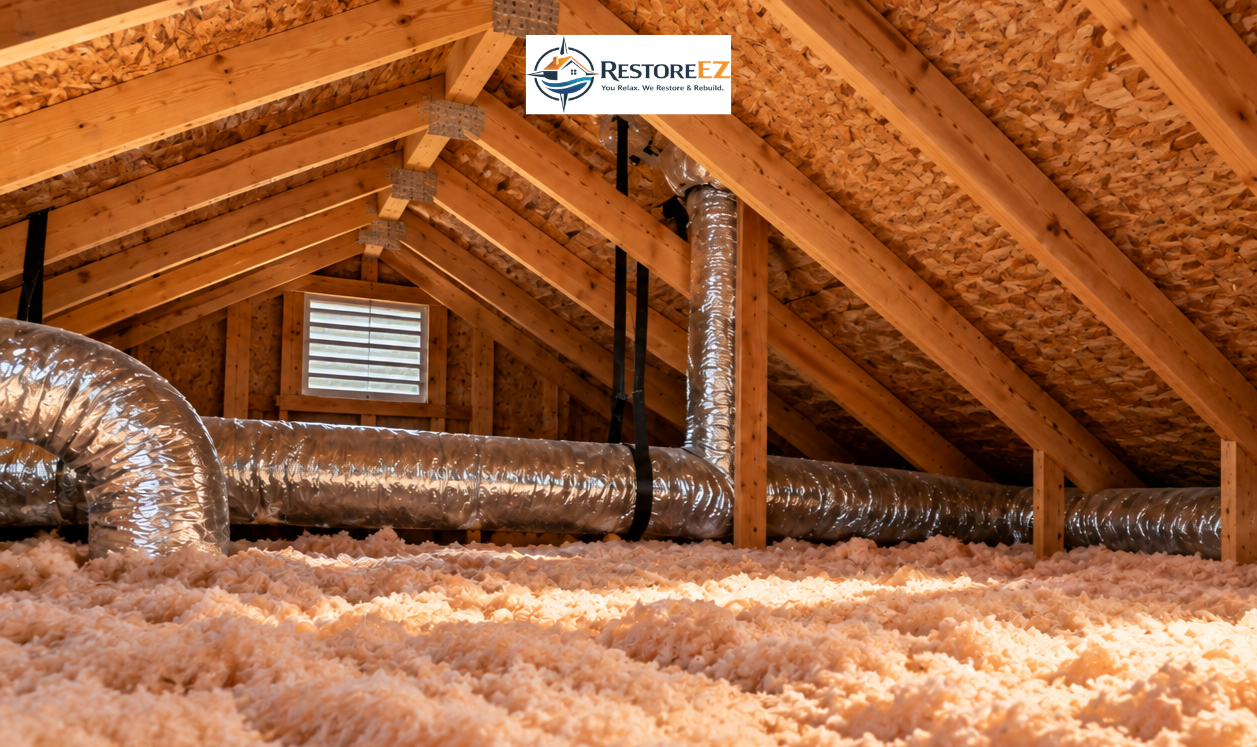
Some of the most overlooked contamination after a fire happens behind walls and inside ventilation systems. Smoke particles settle in attic insulation, crawl spaces, and ducts, creating persistent odor sources.
If your home has older HVAC components or poor airflow, a deeper inspection is usually needed. Services like air duct sealing and blown-in attic insulation might be needed after a major fire to ensure residue doesn’t linger.
Why does odor often return if hidden areas are missed
Many homeowners are frustrated when a home smells clean at first, then develops a smoke odor again. This often happens because hidden spaces weren’t fully treated. Smoke odor resurfaces in warm, humid conditions, making thorough remediation essential.
Restoring comfort might also include better moisture control and HVAC efficiency. Connected services like a smart thermostat solution or dryer vent cleaning can support a healthier home environment.
When to Call Restoreez for Help
Signs that the damage is more than a DIY project
If soot is widespread, odor persists, or you see staining on ceilings and walls, it’s time to call a professional. Signs like a strong smoke smell, black dust around vents, or residue on delicate surfaces mean the problem has gone beyond a quick clean-up.
Restoreez offers 24/7 emergency restoration support for fire, smoke, mold, or water damage. The team’s experience ensures your property is not just cleaner, but also safer to live in. Ready to take the next step? Professional fire damage restoration can help you move from emergency response to full recovery.
What a professional inspection should include
A thorough inspection should look at visible damage, hidden residue, ventilation systems, and items that might be salvageable. It should also consider whether firefighting water added moisture problems or if porous materials absorbed odor.
Homeowners in Tarpon Springs can benefit from a local team that understands the science of soot removal and the realities of Florida homes. When humidity and hidden moisture complicate recovery, local knowledge is crucial. Restoreez is ready to help you restore your property thoroughly.
Final Thoughts: Protect Your Home Before Soot Becomes Permanent
Soot and smoke residue can continue damaging your home even after the fire is out. They can stain, corrode, irritate your breathing, and hide in your HVAC system and insulation. The good news is that with fast action and professional cleanup, much of the damage can be reversed.
If your home has experienced fire or heavy smoke exposure, don’t wait for the odor to fade. The longer the residue stays, the harder it becomes to remove. Reach out to Restoreez for a careful evaluation and a restoration plan to protect your property and peace of mind. Explore our indoor air quality support or contact our team for expert guidance.