What’s Lurking in Your Air Ducts? 5 Signs It's Time for a Cleanup
Your HVAC system quietly does its job every day, but the air ducts can end up holding more than you'd think. Dust, pet hair, pollen, and even renovation debris can gather over time and blow through your home. If you notice changes in airflow, strange smells, or worsening allergies, it might be time to check your ductwork and consider professional air duct cleaning or indoor air quality services.
The U.S. Environmental Protection Agency notes that while not every home needs regular duct cleaning, it can be a good idea if you see visible contamination, mold, pest activity, or a lot of debris. Curious about indoor air quality? The EPA’s indoor air quality guide offers more details. Let's dive into the five telltale signs your ducts might need some TLC, what happens if you ignore them, and whether professional cleaning is a wise move.
Why Air Ducts Matter More Than Most People Think
Your Ductwork Is Like Your Home’s Lungs
Every time your HVAC kicks on, air travels through a series of ducts that distribute it throughout your home. Clean ducts help your system run more efficiently and keep air flowing smoothly. Dirty or restricted ducts, on the other hand, can make your system work harder, affecting comfort, performance, and energy usage.
Contamination in ducts doesn't always stem from big issues. Everyday dust, cooking particles, skin flakes, and pet dander can settle into vents and duct surfaces. In humid areas, moisture adds another layer of concern, especially if condensation occurs near coils, insulation, or hidden duct joints. If your home has faced water issues, consider related services like water damage restoration or mold inspection to prevent the problem from spreading.
Clean Ducts Mean More Than Just Less Dust
Many people think air duct cleaning is all about removing dust, but there's more to it. Cleaner ducts can help reduce musty smells, support better airflow, and minimize loose debris circulating in your home. If you or your family members have allergies, this can make a real difference in everyday comfort.
The National Air Duct Cleaners Association highlights the importance of keeping HVAC systems free of contaminants that can disrupt airflow and indoor air quality. Interested in maintenance standards? The NADCA offers valuable insights for homeowners. The bottom line: ductwork isn’t just decorative, and dirty ducts can impact how your home feels.
Sign 1: Dust Keeps Coming Back
You Clean, But the Dust Is Relentless
If you dust surfaces only to see them covered again in a day or two, your ducts might be at fault. This is especially noticeable near supply registers, ceiling fans, and return vents, where air movement can push particles back into living areas. While no home is dust-free, a persistent dust cycle often points to buildup somewhere in the HVAC system.
Sometimes, even with regular filter changes, vents blow visible dust when the system starts. Often, this means construction debris, pet hair, or old buildup keeps recirculating. In such cases, cleaning the ducts can be a practical step, especially if you add air duct sealing to reduce leakage and contamination from unconditioned spaces.
What Dust Buildup Means for Your HVAC
Dust in ducts doesn’t always mean an emergency, but it can signal poor filtration or leaky ductwork. If dust collects faster than usual, your system might be pulling in particles from attics, crawl spaces, or wall cavities, affecting both cleanliness and how hard your unit works to maintain temperature.
Watch for patterns. If dust is concentrated around vents, visible on covers, or blowing into rooms shortly after the system starts, inspect your ducts. This inspection can determine if cleaning, sealing, or both are the best solutions.
Sign 2: Musty or Unusual Odors
Odors That Come and Go with the HVAC
A clear sign of dirty ducts is an odor that appears when the HVAC turns on and disappears when it shuts off. These smells might be musty, stale, earthy, or even sour. Since the air handler circulates air throughout your home, a duct problem can make a small odor seem like a house-wide issue.
Musty odors can also indicate moisture problems. If condensation forms in or around ducts, or if there’s been a leak, mold can develop in hidden areas. In these cases, duct cleaning alone might not suffice. You need to find and fix the moisture source, and a pro might suggest mold remediation if contamination is found.
Never Ignore Odors
Odors matter because they often signal unseen problems. A smell might indicate dust, bacteria, mildew, dead pests, or trapped debris. It could also point to issues elsewhere, like dirty coils or clogged condensate drains. A professional check-up can help distinguish simple maintenance from a serious air quality issue.
If you’re unsure whether an odor is duct-related or from another source, start by checking the filter, return vents, and areas near the air handler. If the smell lingers after basic cleaning, schedule an inspection to find the source and fix it promptly.
Sign 3: Allergy Symptoms Seem Worse Indoors
More Sneezing, Coughing, or Congestion at Home
Many suspect their ducts need cleaning when allergies flare up indoors. While these symptoms don’t always mean the ducts are to blame, they can hint that your home’s air carries more irritants than it should. Dust, pollen, pet dander, and other particles might all be factors.
This is especially relevant during high-pollen seasons or after remodeling projects stirring up fine debris. If you’re sensitive to airborne particles, this extra load can make home life uncomfortable. Improving filtration, cleaning ducts, and reviewing your ventilation system might help create a healthier environment.
When to Consider Indoor Air Quality
If symptoms improve when you leave home and return when you come back, indoor air quality should be a topic of discussion. The CDC’s indoor environmental quality resources explain how pollutants collect in enclosed spaces and affect well-being. While ducts are just one piece of the puzzle, they can contribute to allergens and irritants circulating in your home.
Homeowners dealing with recurring allergy symptoms might benefit from a comprehensive indoor air strategy. This could involve replacing filters more often, improving humidity control, scheduling air duct cleaning, and checking for leaks or hidden moisture. The goal is not only to remove dust but also to reduce conditions that allow irritants to return.
Sign 4: Airflow Feels Weak or Uneven
Some Rooms Are Too Hot, Too Cold, or Slow to Respond
When one room is never quite comfortable, many assume their HVAC is too small or aging. Sometimes that’s true, but blocked or dirty ducts can also limit airflow. If air can’t move freely, the result might be weak output at some vents and stronger airflow at others.
This can happen when dust builds up heavily, damp debris clings to duct surfaces, or parts of the system are partially obstructed. In older homes, flexible ducts might sag or collapse, worsening airflow. If the problem seems localized, a technician can inspect for restrictions, leaks, or damaged duct sections before recommending cleaning.
How Dirty Ducts Impact Efficiency
Restricted airflow makes your HVAC work harder for the same results. That can shorten its lifespan, increase energy use, and cause temperature swings that make your home harder to manage. While duct cleaning isn’t a cure-all, it can improve system performance when buildup affects air movement.
Pairing duct cleaning with smart thermostat solutions or seasonal maintenance can also boost comfort. A smart thermostat won’t clean the ducts, but it can help monitor patterns, detect inefficiencies, and keep the system running smoothly. Catching airflow issues early can save you money on bigger repairs later.
Sign 5: Visible Debris, Mold, or Pest Evidence
What to Watch for Around Vents and Registers
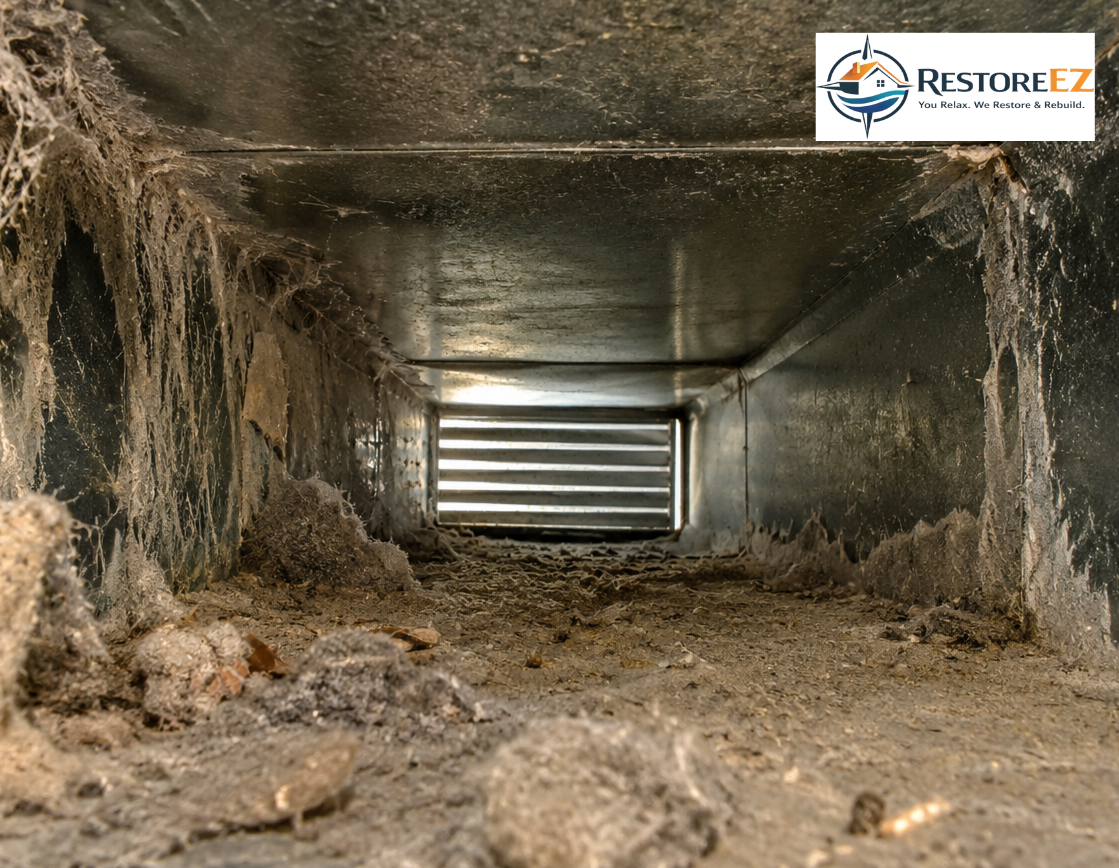
If you see dust clumps, black specks, or other debris on or around vents, don’t ignore it. Visible buildup near registers often means more contamination deeper inside the ducts. Small signs can hint at bigger issues behind walls, ceilings, or attic spaces.
Pest evidence is another red flag. Droppings, gnaw marks, nesting materials, or scratching noises near ducts might mean insects or rodents have entered the system. Pest activity can contaminate surfaces and spread debris throughout your home. In these cases, duct cleaning should be done carefully and only after addressing the infestation source.
When Mold Is a Serious Concern
Visible mold or repeated moisture issues need more than surface cleaning. If you notice dark growth near vents, a damp smell, or past leaks, schedule an inspection ASAP. The EPA’s mold guidance says indoor mold problems should be handled quickly to prevent spreading and health concerns.
In homes where mold is confirmed, the best approach may involve inspection, removal, and moisture correction. This might include mold inspection, mold remediation, and follow-up ventilation improvements. If moisture entered after flooding or a burst pipe, water damage restoration might also be necessary to protect your home's structure and limit future growth.
How Professional Air Duct Cleaning Works
Start with Inspection and Source Identification
A quality duct cleaning starts with a thorough inspection. Professionals look for dust buildup, moisture, mold, leaks, disconnected ducts, and contamination around the air handler and vents. They also determine if the problem is isolated or part of a larger HVAC issue.
Why does this step matter? Cleaning without identifying the source can lead to temporary results. If ducts are dirty due to a leak, for instance, contamination might return quickly unless the leak is fixed. That's why a complete approach often includes related services like sealing, moisture repair, or ventilation improvements.
Containment, Agitation, and Extraction
Professional duct cleaning usually involves specialized vacuums and tools to loosen debris and remove it safely from the system. The goal is to capture contaminants rather than push them further into your home. During this process, technicians may also clean registers, return openings, and accessible HVAC components.
Be cautious of services that promise miraculous results without showing the equipment or process. A reputable company will explain what's being cleaned, what was found, and if any additional repairs are recommended. In many cases, good documentation helps homeowners understand how the system changed after service.
When Duct Cleaning Makes the Most Sense
After Renovations, Water Issues, or Pest Problems
Certain situations make duct cleaning particularly worthwhile. Renovation dust can spread throughout the system, water damage can introduce moisture and debris, and pest problems can leave behind contamination that shouldn’t circulate. In these cases, cleaning isn’t just about comfort; it’s part of restoring a safe indoor environment.
Homes with roof leaks, pipe failures, or humidity issues should be evaluated carefully. If there’s any sign of hidden moisture, a broader restoration plan might be necessary. For instance, a property needing water damage restoration might also benefit from a duct inspection to ensure contaminants didn’t spread through the ventilation system.
Before Selling a Home or Preparing for Seasonal Changes
Duct cleaning can be practical before selling a home, especially if the HVAC hasn’t been serviced in years. Clean ducts help the home feel fresher during showings and might ease concerns from buyers noticing odors or dust near vents. Seasonal transitions are another good time to inspect the system, especially before heavy cooling or heating use.
In Florida, where humidity and AC usage are common concerns, checking ducts alongside overall air quality and moisture control is often beneficial. If you’re planning preventive upgrades, consider reviewing your air duct sealing, insulation, and filtration options at the same time. Small improvements can lead to more consistent comfort year-round.
Common Myths About Air Duct Cleaning
Myth: It Should Be Done Every Year No Matter What
Air duct cleaning isn’t automatically needed yearly for every home. The right timing depends on duct condition, the HVAC system, and the home environment. Some homes might go many years without needing a full cleaning, while others might need it sooner after construction, flooding, or pest activity.
The smarter approach is to inspect first and clean when there’s a clear reason. This prevents unnecessary service while addressing real problems, helping homeowners spend money where it matters most.
Myth: A Quick Vacuuming Is Enough
Another misconception is that cleaning vent covers alone solves duct contamination. While surface cleaning helps, it doesn’t remove buildup deeper in the system. If dust, mold, or pest residue is in the ductwork, a deeper professional process is usually needed.
Similarly, strong air fresheners can mask odors without solving the root cause. For lasting results, identify what’s happening inside the system and address the source rather than just covering symptoms.
FAQs About Dirty Air Ducts
How Often Should Air Ducts Be Cleaned?
There’s no one-size-fits-all schedule for every home. Many homeowners need cleaning only when there’s visible contamination, a musty smell, a pest issue, major renovation dust, or moisture concerns. A professional inspection is usually the best way to determine if your system truly needs service.
Can Dirty Ducts Affect Energy Bills?
Yes, they can, especially if buildup restricts airflow or if the system has to run longer to maintain comfort. Dirty ducts aren’t the only reason for high bills, but they can be part of an inefficient system. If energy use has increased and comfort has decreased, check duct condition as part of the diagnosis.
Will Duct Cleaning Remove All Dust from My Home?
No service can eliminate dust because normal living always creates some particles. However, duct cleaning can reduce a major source of recirculated debris and help the home feel cleaner. Good filtration and regular HVAC maintenance are still important for maintaining results longer.
What to Do Next If You Suspect a Problem
Start with a Visual Check and Basic Maintenance
Before booking service, check your vents, replace your filter if needed, and note any unusual odors or airflow issues. This information helps a technician understand what might be happening. If you've recently had water intrusion or visible mold, don’t delay a more thorough inspection.
If the symptoms are mild, basic maintenance might solve part of the problem. If they keep coming back, it’s a sign the ducts or HVAC components need professional attention. Homeowners often wait too long because the system still "sort of works," but small warning signs can turn into larger issues over time.
Choose a Company That Looks at the Whole System
The best duct cleaning providers do more than vacuum vents. They look for moisture, contamination, leaks, and related HVAC issues that could cause the problem to return. This whole-system approach is especially important in homes with air quality concerns or past restoration work.
If you want professional help from a team experienced in restoration, moisture problems, and indoor air quality, Restoreez offers solutions that go beyond a basic cleaning. Explore related support like dryer vent cleaning to reduce fire risk and improve household efficiency, or learn more through our indoor air quality services for a healthier living environment.
Conclusion: A Cleaner System Starts with Knowing the Signs
Air ducts are easy to overlook until they start affecting comfort, cleanliness, or air quality. If you’re dealing with recurring dust, strange odors, stronger allergy symptoms, uneven airflow, or visible debris, your ductwork might be signaling it needs attention. The good news is that the right inspection and cleaning can make a meaningful difference, especially when paired with moisture control and proper HVAC maintenance.
For homeowners looking for a safer, cleaner, and more efficient system, early action beats waiting for a bigger problem. If you suspect your ducts are hiding dust, mold, pests, or other contaminants, Restoreez can help you evaluate the issue and recommend the right next step. Contact our team today to schedule a professional assessment and take the first step toward cleaner air at home.