Water dripping from your ceiling is more than just a hassle. It's a sign that moisture has already seeped through and could be messing with insulation, drywall, and even the wiring. The sooner you act, the better your chances of keeping repairs minimal, protecting your stuff, and avoiding hidden issues like mold. If you need immediate help, a trusted water damage restoration team can step in to minimize damage before it worsens.
This guide will cover why ceiling leaks are emergencies, what typically causes them, what steps to take within the first hour, and when getting professional help is the way to go. You'll also learn how to document the damage for insurance purposes, how moisture spreads behind ceilings and walls, and how services like mold inspection and indoor air quality improvement can safeguard your home after the leak is stopped.
Why Ceiling Leaks Are a Big Deal
Damage Is More Than Meets the Eye
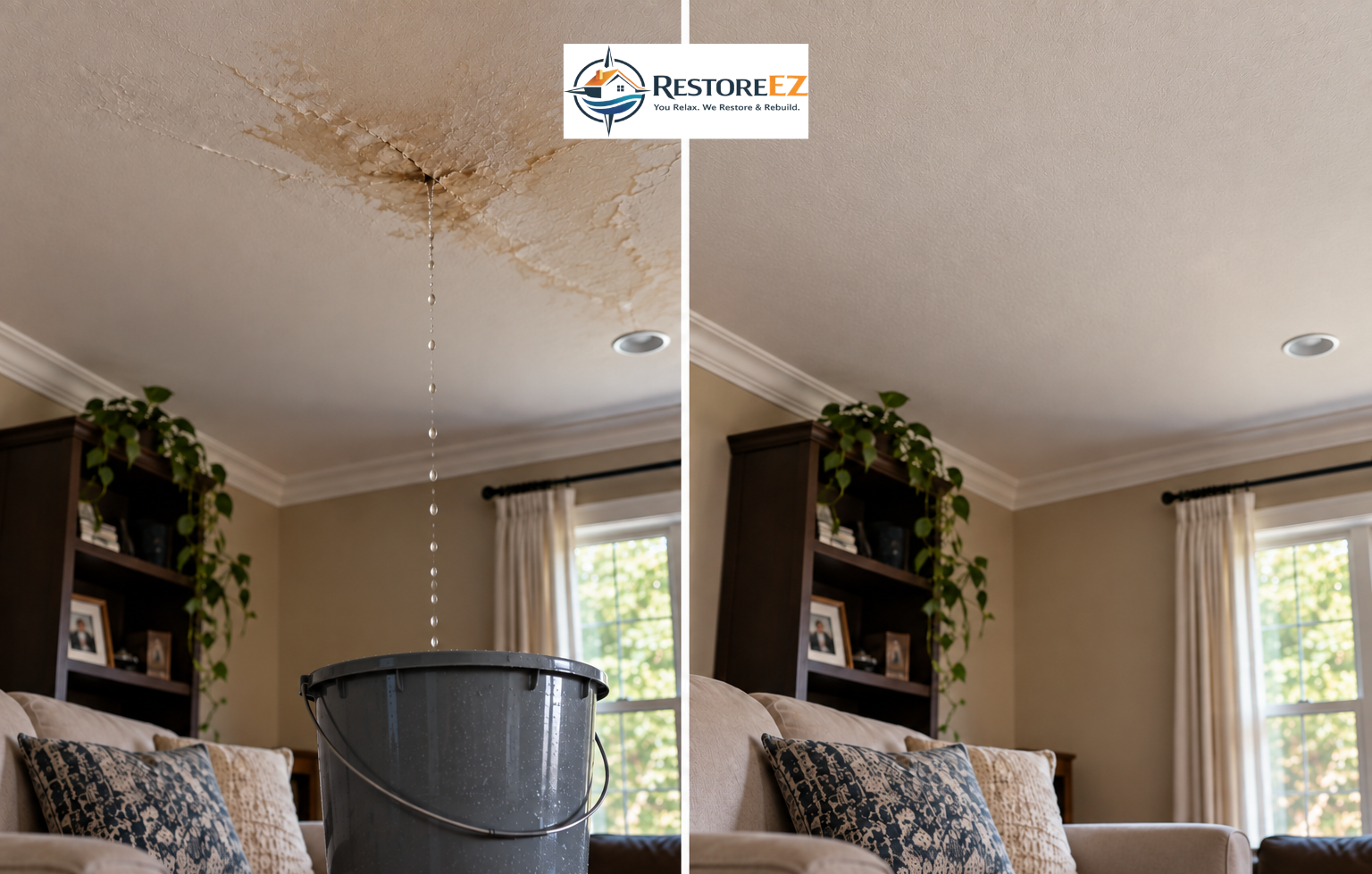
When water shows up on your ceiling, it's usually already passed through roofing materials, attic insulation, or plumbing spaces. The problem isn't just a visible stain or drip. Moisture might be soaking structural materials, which can weaken over time, and the affected area might be much larger than the damp spot you're seeing.
Ceiling leaks are tricky because water can move in unexpected ways. A small stain in one room might come from a bigger issue several feet away, and moisture can keep spreading long after the visible dripping stops. That's why quick diagnosis and mold remediation are crucial after any ceiling leak, especially in humid areas where things don't dry quickly.
Electrical and Safety Hazards
Water and electricity don't mix well. If the leak is near lights, ceiling fans, outlets, or wiring, there's a risk of short circuits or electric shock. Even if nothing seems wrong, wiring hidden behind the ceiling might already be exposed to moisture, so avoid turning on affected fixtures until the area is checked.
The National Fire Protection Association warns that water damage can threaten both structures and electrical systems, so immediate caution is crucial. For more on home safety and electrical risks, check out the NFPA home fire safety resources. If you're unsure whether the leak has reached an electrical line, it's safer to turn off power to the area and call a professional.
Mold Can Set In Fast
If drywall, insulation, or wood framing stays damp, mold can start growing surprisingly fast. The U.S. Environmental Protection Agency says mold can grow on wet materials within 24 to 48 hours, especially if the moisture isn't addressed quickly. Check out the EPA’s mold information page for more on why quick drying and cleanup are important.
This quick timeline is why you shouldn't ignore ceiling leaks overnight or "watch them for a while." Even if the water seems to stop, hidden moisture can linger in ceiling cavities, giving mold time to spread. Once that happens, you might need not only drying but also air duct cleaning or HVAC maintenance if contamination reaches the ventilation system.
Common Reasons for Ceiling Leaks
Roof Damage from Storms or Wear
Roof issues are a common cause of ceiling water problems. Missing shingles, cracked flashing, worn sealant, lifted tiles, or debris buildup can let rainwater enter the attic and travel into the ceiling below. In stormy areas, roof leaks might show up after heavy wind, hail, or prolonged rain.
A roof leak can be hard to trace because water might travel along rafters or insulation before it finally drips through the ceiling. That's why you might notice the symptom in one room even though the source is several feet away. If your leak appears after bad weather, it’s smart to have the attic and roofline checked as soon as possible, especially if the ceiling is sagging or the stain is growing.
Plumbing Problems Above the Ceiling
Pipes running through upper floors, attics, or wall cavities can fail without much warning. A loose joint, corroded pipe, pinhole leak, overflowing fixture, or damaged supply line can send water directly into the ceiling space. Plumbing-related leaks often happen more suddenly than roof leaks, which means the drywall might be exposed to a larger volume of water quickly.
Homes with bathrooms, laundry rooms, or HVAC lines above living areas should be checked carefully when ceiling water appears. Sometimes, the leak is linked to condensation rather than a burst pipe, especially around air handlers or poorly insulated ducts. If moisture seems connected to your HVAC system, a professional review of air duct sealing can help address the root cause and improve system efficiency at the same time.
Air Conditioning and Condensation Problems
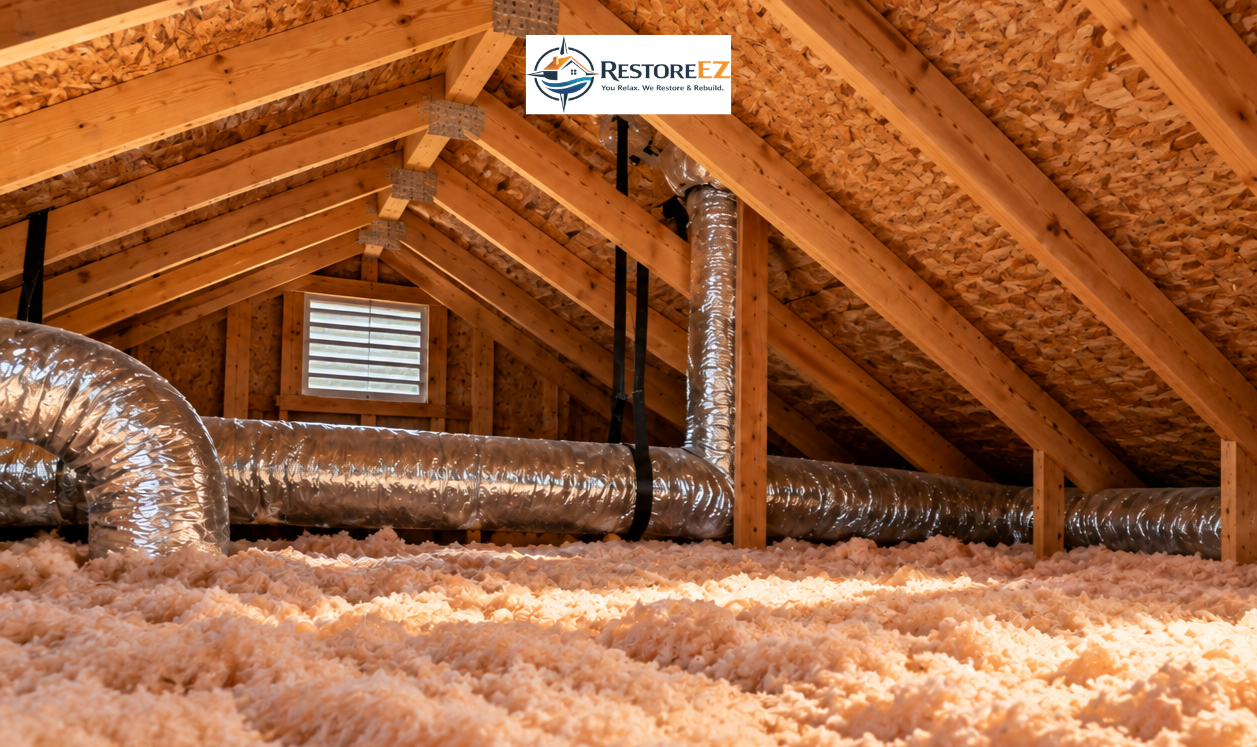
In warm, humid areas, condensation is a frequent but often overlooked source of ceiling moisture. If an air handler pan overflows, a drain line clogs, or ductwork sweats due to poor insulation, water can collect in the attic and eventually drip through the ceiling. These problems might not seem dramatic at first, but repeated moisture exposure can damage insulation and create chronic humidity issues.
Condensation leaks are frustrating because they can happen slowly and repeatedly, which makes them harder to detect. A professional assessment might reveal that the true problem isn't the ceiling itself but an HVAC system that needs better airflow, insulation, or maintenance. In some homes, adding a smart thermostat solution can help improve temperature control and reduce conditions that support excess condensation.
Immediate Steps When You Spot a Leak
Protect People and Address Immediate Danger
Safety first. If water is near lights, outlets, or appliances, stay clear of the area and consider turning off power to that room or zone if it's safe to do so. Put buckets or containers under the drip to catch water, but don't stand under a ceiling that's bulging, cracking, or sagging heavily.
If the leak is active and the ceiling looks unstable, keep people and pets away. A soaked ceiling can collapse without warning, especially if insulation and drywall have absorbed a lot of water. For difficult situations, professional fire damage restoration and water cleanup teams are often called after storms or emergencies because the same wet conditions can affect multiple parts of the structure at once, including damaged electrical systems and compromised rooms.
Document Everything Before Cleaning Up
Before moving stuff around too much, take clear photos and short videos of the leak, the ceiling damage, water trails, damaged belongings, and any visible source if you can safely see it. Documentation matters for insurance claims, especially if the leak caused damage to flooring, furniture, electronics, or stored items. Make a written list of when you first noticed the issue and how quickly it changed.
The Insurance Information Institute recommends documenting losses thoroughly and contacting your insurer quickly after a property event. You can learn more from their public guidance on how to file a property insurance claim. Good documentation can make it easier to show the extent of the damage and support the restoration process from start to finish.
Reduce Moisture Where You Can Safely
If it's safe, move furniture, electronics, rugs, and other belongings away from the wet area. Open interior doors to help air circulate, but avoid using fans if they might spread contaminated water or blow moisture into unaffected parts of the home. If you can reach the source without risk, shut off the water supply for a plumbing leak or check the attic for obvious storm-related entry points.
However, don't cut into the ceiling or remove materials unless you know what's above the area. In many cases, professional drying equipment is far more effective than household fans because it can pull moisture from hidden cavities and monitor the drying process accurately. That's one reason homeowners often benefit from calling for water damage restoration instead of trying to manage everything alone.
Why Waiting Makes Things Worse
Water Spreads Behind Walls and Above Ceilings
Water rarely stays where it first appears. It can run along joists, pool on top of drywall, and soak nearby insulation before leaking into other rooms. That means the visible stain might be only a small part of the actual affected area, and hidden damage can continue long after the drip seems to slow down.
When ceilings stay damp, structural materials can weaken and lose integrity. Drywall may sag, paint might bubble, and wood framing can start to warp or rot. If the moisture isn't extracted quickly, the repair might shift from a simple drying job to a much larger reconstruction project involving replacement of ceiling sections, insulation, and trim.
Lingering Moisture Can Cause Odors and Air Quality Issues
Even after a leak is "fixed," lingering moisture can create musty odors and poor indoor air quality. This is especially important in tightly sealed homes where stale air and humidity can stay trapped indoors. If the smell persists, it can be a sign that mold or wet materials remain hidden above the ceiling or inside ducts.
That's where services such as indoor air quality assessment come in handy. Better air testing and source control can help determine whether the leak affected the home beyond the visible area. In some cases, dryer vent cleaning might also be recommended if humidity and restricted airflow have been contributing to moisture buildup in the home.
Repairs Get More Costly Over Time
A small leak can often be addressed with targeted drying and a limited repair if caught early. Waiting, however, allows water to keep soaking structural materials and increases the chance of secondary issues such as mold, staining, odor, and electrical damage. What starts as a manageable cleanup can quickly become a much larger project requiring demolition and replacement.
Industry restoration professionals often see a clear pattern: the longer the response takes, the more materials must be removed. In practical terms, that means faster action can save both time and money. This is why experienced teams emphasize emergency response, moisture mapping, and controlled structural drying instead of relying on simple surface cleanup alone.
How Pros Handle Ceiling Water Damage
Inspection and Moisture Mapping
A restoration pro starts by identifying the source and measuring how far the moisture has spread. Moisture meters, thermal imaging, and visual inspection help determine whether the ceiling, insulation, wall cavities, or flooring beneath the area have been affected. This step is crucial because water damage is often more widespread than it first appears.
In many cases, a proper inspection can reveal whether the problem came from the roof, a pipe, an appliance, or HVAC condensation. If the source is unclear, a detailed mold inspection might also be recommended later if dampness has been present long enough for microbial growth to begin. Identifying the source early prevents repeat leaks and future damage.
Extraction, Drying, and Dehumidification
Once the source is under control, pros focus on removing standing water and drying the materials. High-powered extraction tools, air movers, and commercial dehumidifiers help reduce moisture in walls, ceilings, and flooring. The goal isn't just to dry the visible surface but to bring hidden materials back to a safe moisture level.
Depending on the extent of the leak, technicians might remove sections of wet drywall or insulation to expose the cavity and speed up drying. In homes with recurring moisture problems, additional services such as blown-in attic insulation might later improve energy performance and reduce temperature differences that contribute to condensation. Proper drying can make the difference between a straightforward repair and a long-term moisture problem.
Cleanup, Sanitizing, and Repairs
After drying, the affected area is cleaned and sanitized so remaining debris, odors, or contaminants don't continue causing problems. If mold growth is discovered, targeted remediation might be necessary before reconstruction begins. In more severe cases, sections of the ceiling might need to be rebuilt and repainted after the materials are confirmed dry and stable.
Professional restoration is especially important when leaks affect multiple systems at once. For example, if a storm caused roof damage and water intrusion, a team might coordinate drying, structural repairs, and follow-up inspections to reduce the chance of future problems. In coastal and storm-exposed communities, some property owners also consider preventive solutions like flood barriers to help reduce water entry during extreme weather events.
Preventing Future Ceiling Leaks
Regular Inspections and Maintenance
Prevention starts with regular home maintenance. Roof inspections, plumbing checks, HVAC servicing, and attic walkthroughs can reveal minor problems before they become expensive leaks. It's much easier to replace a worn seal, clear a clogged drain line, or repair flashing than it is to rebuild a water-damaged ceiling.
Homeowners should also pay attention to warning signs such as water stains, peeling paint, soft spots, and musty odors. If your home has experienced one leak already, don't assume the problem is gone for good. A preventive maintenance plan can help protect both the structure and the indoor environment over time.
Improve Ventilation and Humidity Control
High indoor humidity increases the risk of condensation and mold. Bathrooms, kitchens, laundry rooms, and attic spaces should have proper ventilation so moisture doesn't build up. In many homes, better airflow and smarter temperature management can reduce the conditions that allow water problems to recur.
That's why services like air duct sealing and related HVAC improvements can play an important role in prevention. When ductwork leaks or pulls in humid air, the system works harder and can create the damp conditions that lead to ceiling issues. Keeping the home balanced and ventilated is one of the smartest long-term defenses against hidden moisture.
Act on Small Stains Before They Grow
A tiny stain might look cosmetic, but it often signals a bigger issue above the ceiling. If you notice a new mark, bubbling paint, or a soft section of drywall, investigate promptly rather than waiting for the stain to grow. Early action makes it easier to isolate the source and avoid more invasive repairs.
In some homes, a small stain is the first sign of a roof leak, while in others it points to a slow plumbing issue that has been active for weeks. Either way, a fast response improves the outcome. Homeowners who act early usually face less demolition, less disruption, and lower restoration costs than those who delay.
Frequently Asked Questions About Ceiling Leaks
Should I Poke a Hole in the Ceiling to Drain Water?
Only if the ceiling is bulging and there's a clear, safe way to release trapped water without putting yourself at risk. In many cases, a soft ceiling can collapse on its own, so it's often better to keep everyone away and let a professional assess the area. If you're not trained to handle the situation, avoid cutting into the ceiling until the structure is inspected.
Is It a Roof Leak or Plumbing Leak?
Timing and location provide clues, but they're not always enough. A leak after heavy rain might suggest roof entry, while a leak near a bathroom or upstairs appliance might point to plumbing. Because water can travel before it appears, a professional inspection is often the fastest way to identify the true source.
Can I Stay in the Home if the Ceiling Is Leaking?
Sometimes yes, but only if the leak is small, contained, and not affecting electricity or structural stability. If the ceiling is sagging, the water is contaminated, or mold is suspected, temporary relocation might be safer. When in doubt, ask a restoration professional to evaluate the risk before you continue using the room.
Will Insurance Cover the Damage?
Coverage depends on the cause of the leak and the details of your policy. Sudden accidental damage is often treated differently from long-term maintenance neglect, so prompt reporting is important. Keep photos, notes, and receipts so you can support your claim and show that you acted quickly to reduce further loss.
When to Call Restoreez
After Any Active Ceiling Leak
If water is actively coming through the ceiling, don't wait for the situation to resolve itself. Fast action can protect your property and reduce the likelihood of mold, structural damage, and electrical hazards. Restoreez provides emergency help for homeowners and businesses that need a rapid response when water damage can't wait.
When the Leak Affects Hidden Materials
If the ceiling has sagged, the stain is growing, or the insulation above the ceiling feels wet, professional support is the safest move. Restoreez can help with drying, moisture control, and related restoration needs, including mold remediation if contamination is discovered. The company also serves nearby communities that need dependable restoration support after leaks, storms, or plumbing failures.
When You Want a Complete Recovery Plan
Water damage is easier to manage when the response is coordinated from the start. That might include inspection, extraction, drying, sanitation, odor control, repairs, and follow-up work to reduce future risks. If you're dealing with ceiling water damage in Tarpon Springs or a surrounding area, contact Restoreez at (813) 703-0300 or visit Restoreez.com to request help and protect your home before the damage spreads further.
When water comes through your ceiling, every minute matters. Acting quickly gives you the best chance to limit repairs, preserve indoor air quality, and restore your property with less stress. If you're facing a leak now, take the next step today and get professional help before a small problem becomes a major restoration project.