The Mold Remediation Process: What to Expect
Finding mold in your home or workplace can be stressful. But knowing what happens during mold remediation can help you take action with confidence and protect both your property and health. This guide will walk you through the steps of professional remediation, current industry trends, technologies, and practical ways to prevent mold. Whether you're worried about hidden mold after a leak or preparing for seasonal humidity, you'll learn what to expect, who does what, and how to ensure the job is done right.
The first step is to assess the situation and plan properly. You might want to schedule a detailed mold inspection to figure out how widespread the problem is before starting any work. A careful approach can lower risks, cut costs, and ensure compliance with health and building standards.
What Mold Is and Why It Matters
Types of Mold Commonly Found Indoors
Mold is a type of fungus that sends tiny spores into the air, thriving where there's moisture. Common types found indoors include Cladosporium, Penicillium, Aspergillus, and Stachybotrys (also known as black mold). Each type looks different and grows under different conditions, but they all need dampness to thrive. Knowing the type of mold can help choose the right remediation strategy, but just looking at it isn't enough for treatment planning.
How Mold Grows and Spreads
Mold takes hold when spores land on a damp surface like drywall, wood, or carpet that has an organic food source. This can happen in just 24 to 48 hours after exposure to moisture, which is why it's crucial to act quickly after water intrusion. Mold spreads through spores that travel via air currents, ventilation systems, and even on clothing, making containment and professional-grade air filtration essential parts of remediation.
Health Impacts and Vulnerable Populations
Mold exposure can trigger allergic reactions, respiratory issues, and worsen asthma in sensitive people. Long-term exposure in poorly ventilated spaces can lead to ongoing symptoms for those who live or work there. For reliable information on mold and health, the Centers for Disease Control and Prevention offers guidance on exposure risks and precautions: CDC: Mold and Health.
Initial Assessment: Inspection and Testing
Comprehensive Visual Inspection
A thorough inspection starts with a room-by-room survey to spot visible mold, moisture stains, and possible sources of water intrusion. Professionals check under sinks, behind appliances, in attics, crawlspaces, and HVAC components for hidden growth. Detailed documentation with photos and moisture readings helps create a remediation plan and allows property owners to understand the required scope of work.
Moisture Mapping and Infrared Scanning
Modern inspections use moisture meters and infrared thermal imaging to detect high moisture levels behind walls and under floors without causing damage. Moisture mapping pinpoints problem areas so remediation can focus on root causes, not just visible symptoms. Addressing the source of moisture is crucial to preventing mold from returning after cleaning.
Air and Surface Sampling When Needed
If a visual inspection leaves questions, technicians may collect air and surface samples to measure spore counts and identify species. Lab testing can tell the difference between background mold and high concentrations that need professional intervention. Results help set containment levels and clearance criteria for post-remediation verification, ensuring the space meets safe indoor-air standards once work is complete.
Containment and Safety Measures
Establishing Physical Containment
To prevent cross-contamination during remediation, technicians set up containment barriers using plastic sheeting, zipper doors, and negative air machines. The level of containment varies depending on the size and location of the infestation; large commercial or extensive residential jobs might need more robust isolation. Proper containment protects unaffected areas and reduces cleanup time after remediation.
Negative Air Pressure and HEPA Filtration
Negative air machines with HEPA filters draw contaminated air out of the work area and exhaust it safely while providing filtered air to reduce spore migration. HEPA filtration is essential for capturing microscopic particles and ensuring that airborne spores don't settle in nearby rooms. These machines are standard equipment for any professional remediation company.
Personal Protective Equipment and Occupant Safety
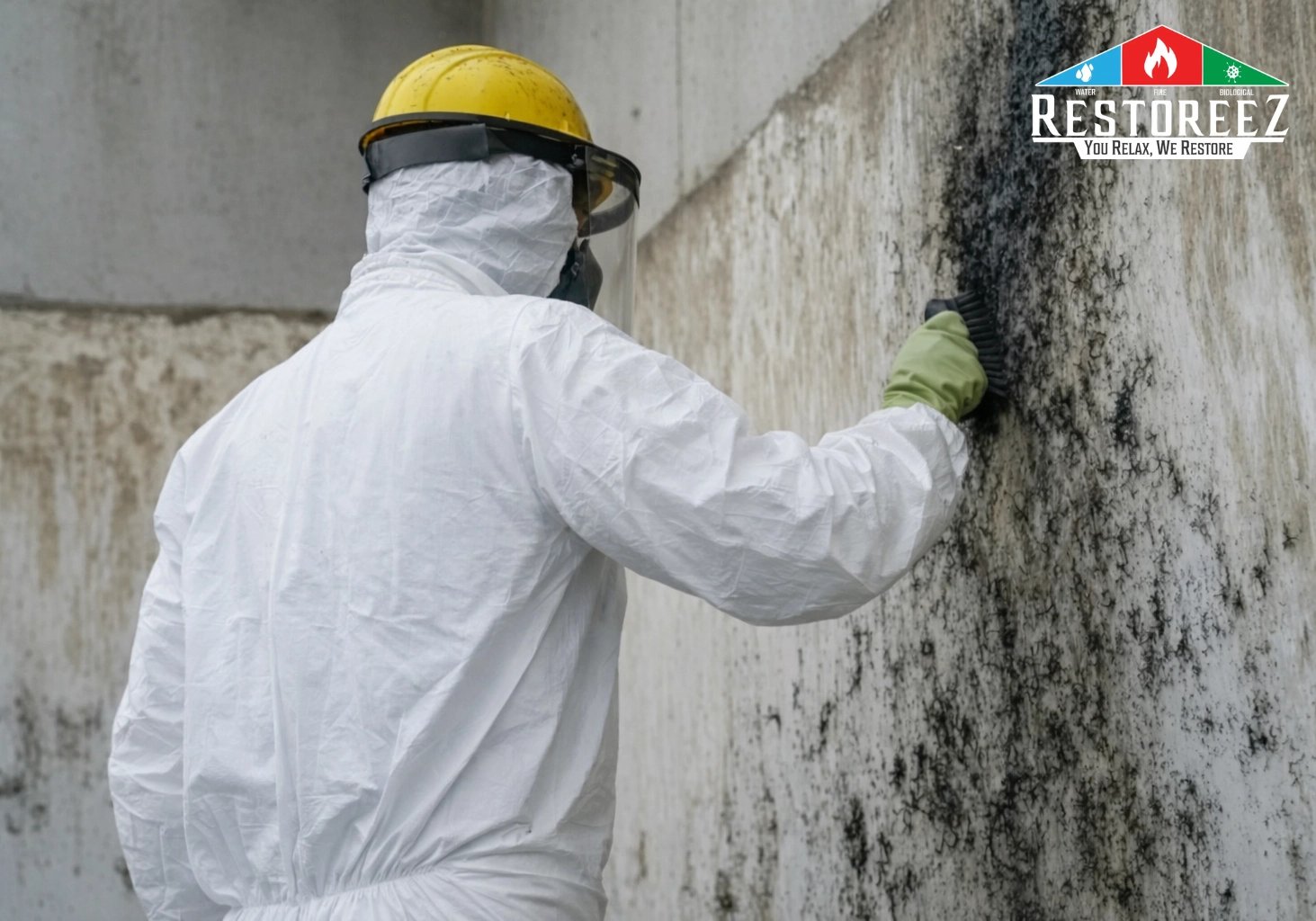
Technicians wear appropriate PPE such as N95 or P100 respirators, gloves, goggles, and disposable suits to limit exposure. Occupants, especially children, the elderly, or immune-compromised individuals, should avoid the remediation area during active work. Safety protocols and air monitoring help determine when it’s safe to re-enter spaces after remediation is complete.
Removal and Cleaning Techniques
Small-Area Cleaning vs. Large-Scale Remediation
Small, contained mold patches on non-porous surfaces might be manageable with focused cleaning and moisture control, but larger or porous-surface infestations usually need professional remediation. Licensed technicians follow standard procedures for demolition, removal, and thorough decontamination to ensure spores don't remain embedded. Trying DIY removal on serious infestations can spread spores and increase health risks.
Cleaning Agents: Chemical and Eco-Friendly Options
Traditionally, remediation used strong antimicrobial agents, but the industry is now using biodegradable and non-toxic alternatives that are effective yet gentler on occupants and the environment. Sustainable cleaning products, mechanical removal, and HEPA vacuuming achieve comprehensive results with less environmental impact. Choosing a remediation company that offers eco-friendly options balances health and sustainability priorities.
Advanced Technologies: Ozone, Thermal Drying, and Oxidation
Technological advances are changing remediation. Ozone generators can neutralize odors and reduce microbial counts when used properly and in unoccupied spaces. Thermal energy drying speeds up evaporation from building materials and reduces drying time, minimizing the window for new mold growth. Emerging oxidation methods and AI-enabled sensors for moisture monitoring improve detection accuracy and remediation efficiency. When considering advanced technology, verify the provider’s certifications and adherence to safety protocols.
Structural Repairs and Restoration
Water Damage Repair as a Core Component
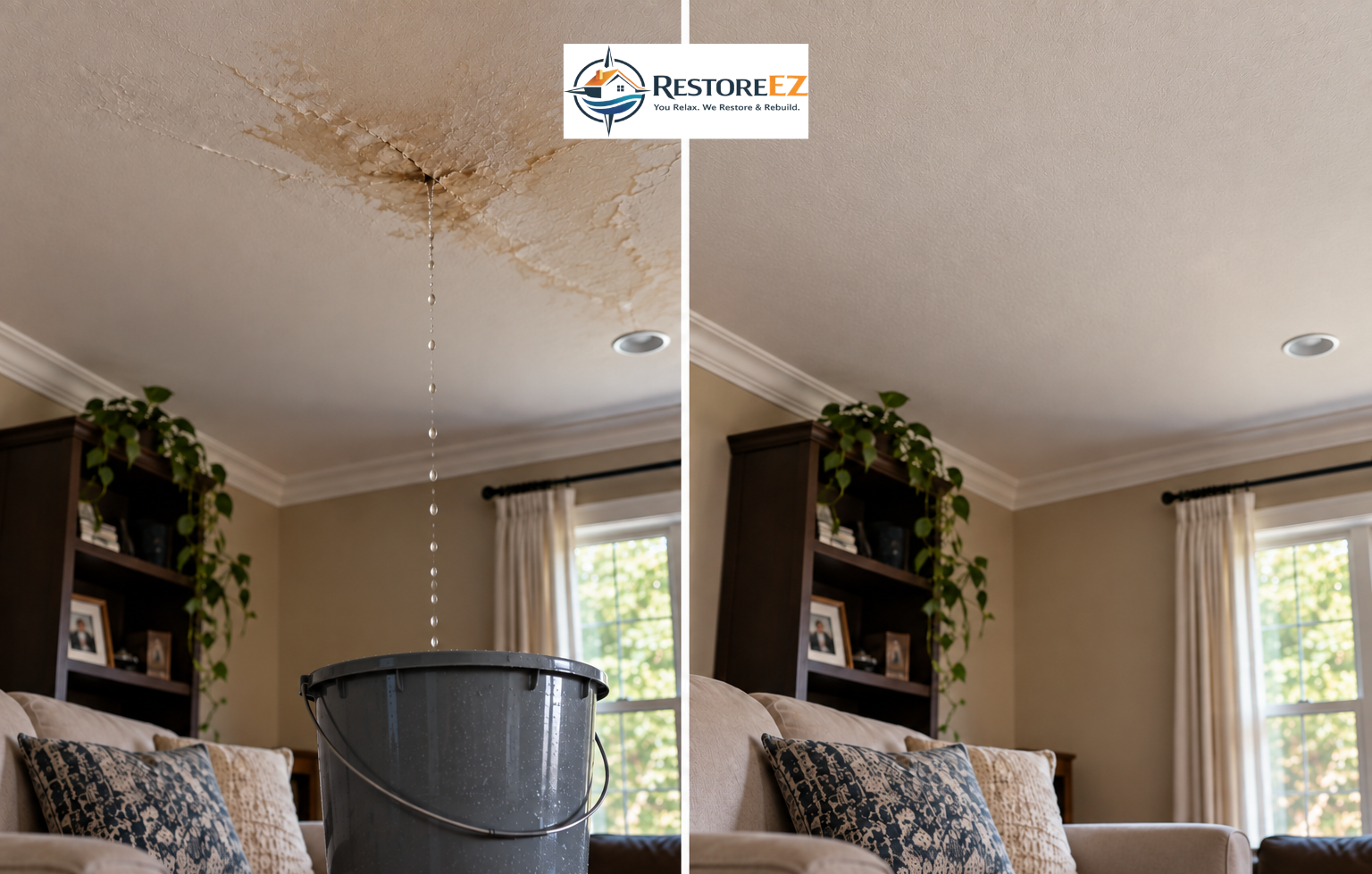
Since mold thrives where moisture is present, remediation almost always includes water damage restoration to address the underlying cause. This can involve leak repair, roof replacement, plumbing fixes, and drying systems to restore materials to safe moisture levels. Integrating structural repair with mold remediation ensures the problem is resolved—not just masked.
Material Replacement and Rebuilding
Porous materials saturated with mold, like drywall, insulation, carpeting, and ceiling tiles, are often removed and replaced to fully eliminate contamination. Professional restoration teams coordinate demolition, disposal, and rebuild phases to return the property to pre-loss condition. Doing this correctly reduces long-term costs and eliminates unseen reservoirs of spores.
End-to-End Restoration Services
Leading remediation companies now offer end-to-end property restoration services that combine cleanup, repair, and moisture management into a single project workflow. This integrated model decreases project timelines and simplifies communications for property owners. If your property requires both remediation and structural restoration, look for teams with combined expertise, including certified technicians in water damage and structural repairs, such as comprehensive water damage restoration providers.
Post-Remediation Verification and Indoor Air Quality
Clearance Testing and Documentation
Once remediation is complete, professionals perform clearance testing and air and surface sampling to confirm spore counts have returned to acceptable levels. Documentation of test results, work performed, and materials replaced provides accountability and peace of mind. Post-remediation reports are also valuable for insurance claims and future property transactions.
Improving Indoor Air Quality After Remediation
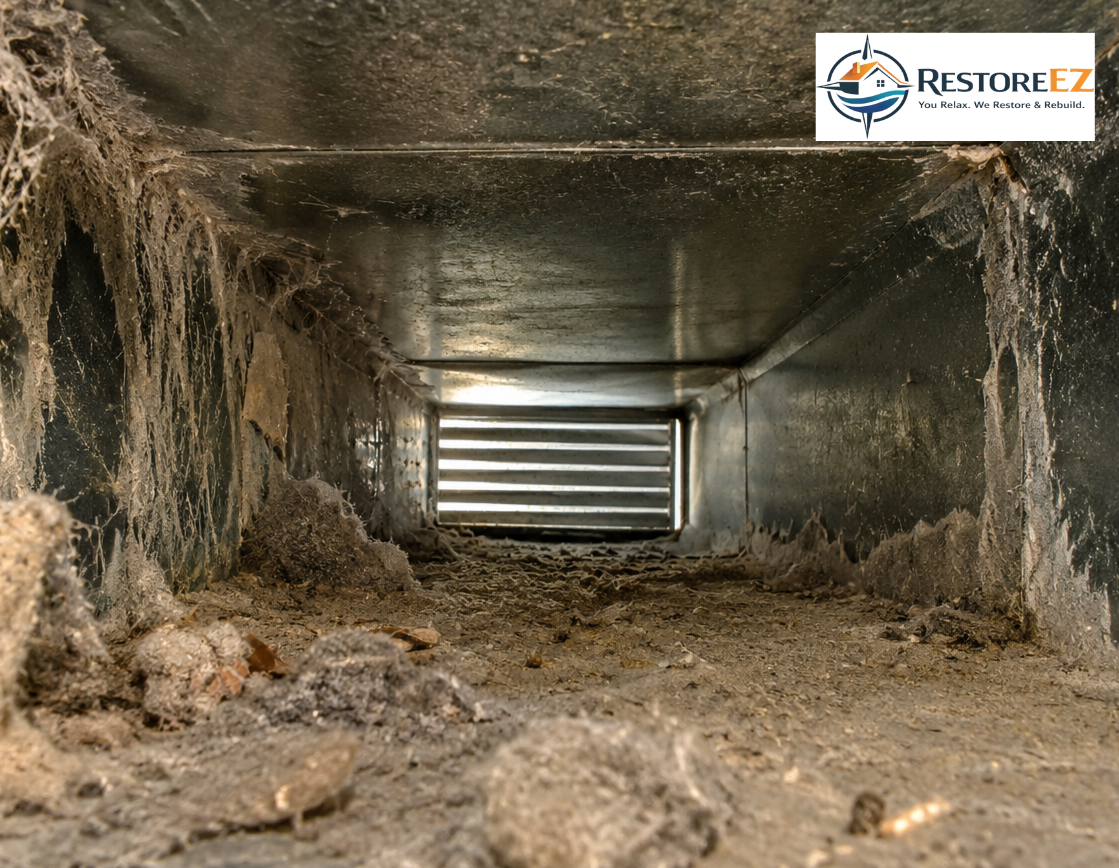
Improving indoor air quality (IAQ) often includes HVAC cleaning, upgraded filtration, and targeted ventilation improvements. Cleaning ductwork and replacing filters reduces the chance that spores remain circulating, while air purifiers with HEPA filtration can supplement HVAC systems. For tailored IAQ solutions, consult specialists offering indoor air quality services to design long-term strategies that suit your space and budget.
Monitoring and Maintenance Plans
Long-term monitoring using humidity sensors, periodic inspections, and rapid-response plans keeps problems from developing into major infestations. Many property owners sign maintenance contracts with restoration specialists to monitor attics, basements, and HVAC systems seasonally. Ongoing maintenance reduces lifecycle costs and provides early warning when moisture trends shift.
Prevention Strategies and Long-Term Maintenance
Moisture Control and Building Envelope Health
Preventing mold is primarily about controlling moisture. Maintain proper roof flashing, repair leaks promptly, and ensure grading around the property directs water away from foundations. Use dehumidification in high-humidity climates and fix plumbing issues immediately to keep relative humidity levels within safe ranges inside the building. These investments pay dividends by preventing expensive remediation down the road.
HVAC, Insulation, and Ventilation Considerations
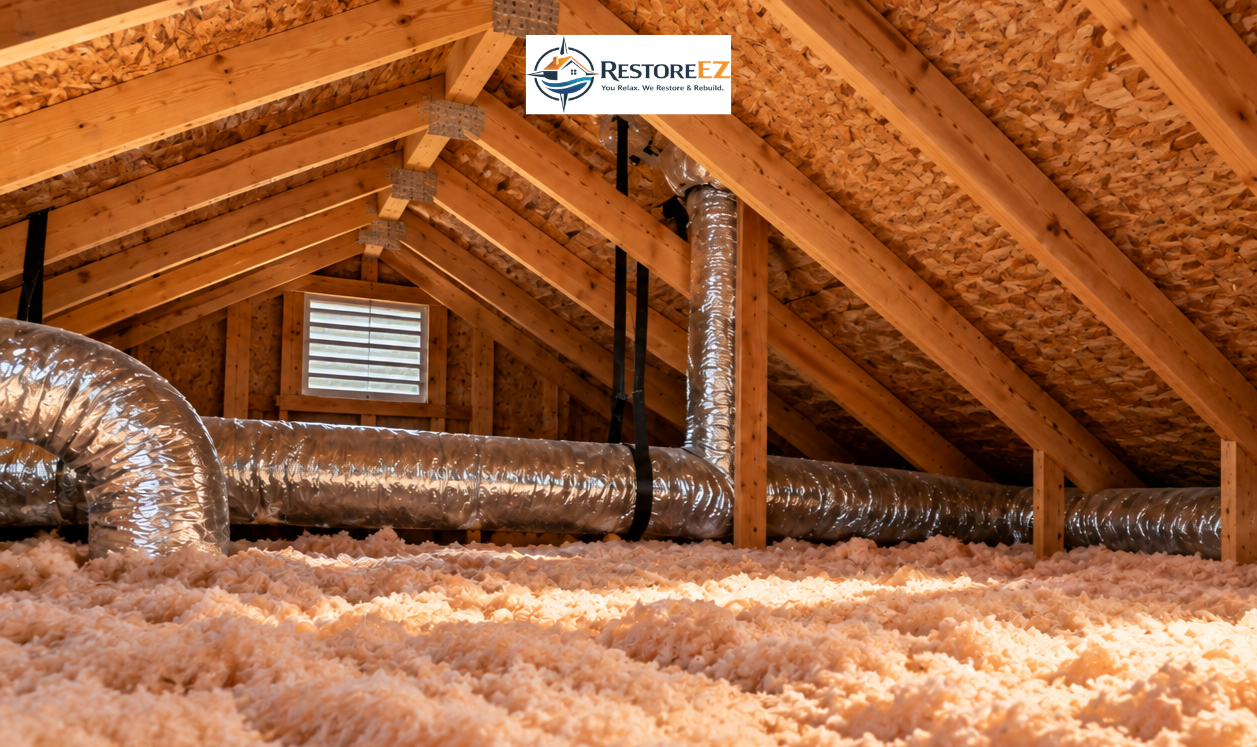
Proper insulation, duct sealing, and ventilation reduce condensation and improve overall building performance. For example, blown-in attic insulation and well-sealed ducts prevent temperature differentials that cause moisture buildup. Consider professional services such as blown-in attic insulation and air duct sealing to address persistent moisture-prone areas and reduce the risk of mold growth over time.
Emergency Preparedness and Flood Protection
Quick action after flooding or major leaks makes the difference between manageable cleanup and prolonged remediation. Keep a list of emergency contacts, have a rapid-response plan for drying and extraction, and install protective measures such as flood barriers to limit water entry. For persistent flood risk areas, professional-grade flood barriers and building adaptations are practical, proactive investments.
Industry Trends, Market Data, and Expert Insights
Market Growth and Demand
The global mold remediation market is growing, driven by increased awareness of health impacts and more frequent extreme weather events that cause water intrusion. Analysts expect significant growth over the next several years, reflecting both demand and investment in remediation technologies. These trends mean more options for property owners, but you'll need to check providers for certifications and experience.
Adoption of Sustainable Practices
Sustainability is becoming mainstream in remediation, with wider use of recyclable materials, biodegradable cleaning agents, and energy-efficient drying systems. Companies are balancing effective microbial control with reduced environmental impact, offering clients greener remediation options that still meet safety and clearance standards. Ask providers about their sustainability credentials if eco-friendly practices are a priority for your property.
Technology and the Future of Detection
Emerging tools such as AI-enabled moisture sensors, remote monitoring platforms, and improved oxidation methods help detect and control mold more rapidly. These technologies shorten response times and provide real-time data to technicians and property owners, improving transparency and outcomes. When selecting a remediation partner, consider those investing in up-to-date diagnostic and drying equipment for faster, safer results.
Case Studies and Real-World Examples
Residential Remediation: Leaking Roof Scenario
A homeowner discovered hidden mold in attic insulation after a prolonged roof leak. The remediation process included a full inspection, containment of the attic space, removal of contaminated insulation, thermal drying, and replacement with treated materials. Post-remediation clearance testing documented safe air quality, and the homeowner upgraded attic insulation and fixed roof flashing to prevent recurrence.
Commercial Remediation: Flood Recovery for a Small Business
After a heavy storm caused flooding in a storefront, a local business required fast water extraction, drying, and mold remediation to resume operations. The restoration team worked in shifts to dry the space quickly, removed affected drywall and floor coverings, and applied containment to protect neighboring tenants. Advanced drying equipment and coordinated restoration allowed the business to reopen faster with documented clearance testing for tenant safety.
Lessons Learned and Best Practices
These examples underscore three critical takeaways: act fast after water intrusion, hire certified professionals for extensive infestations, and invest in repairs that eliminate moisture sources. Documentation and testing throughout the process create accountability and verify that remediation meets industry standards. For many property owners, partnering with a single provider that offers inspection, remediation, and restoration services simplifies project management and improves outcomes.
Frequently Asked Questions (FAQ)
How Quickly Can Mold Spread?
Mold can begin to colonize surfaces within 24 - 48 hours of moisture exposure. Quick detection and fast drying are essential to prevent small problems from becoming major infestations. Monitor moisture events and act immediately by drying and ventilating affected areas until professionals arrive.
Is Mold Remediation Covered by Insurance?
Coverage varies widely by policy and cause. Many homeowners' insurance policies cover mold remediation when it is the result of a covered peril, such as a burst pipe, but exclude mold caused by chronic neglect or high humidity. Review your policy carefully and consult your insurance provider or agent to understand your coverage and potential claim procedures.
Can I Remove Mold Myself?
For very small, isolated patches on non-porous surfaces, homeowners can sometimes clean mold with protective gear and appropriate cleaners. However, professional remediation is recommended for extensive growth, mold on porous materials, or when HVAC systems are affected. Professionals provide containment, HEPA filtration, and testing that a DIY approach typically cannot match.
Final Steps: Choosing a Remediation Partner and What to Expect
Questions to Ask Your Remediation Contractor
Before hiring a contractor, ask about certifications, insurance, references, and a detailed scope of work. Request documentation of inspection findings, proposed containment strategies, equipment lists, and clearance testing procedures. Transparent providers will offer written proposals, timelines, and post-remediation reports that you can use for insurance or resale disclosures.
Timeline and Cost Expectations
Remediation timelines vary by size and complexity; small jobs may take a day or two, while large structural restorations can take weeks. Costs depend on the area affected, required demolition and rebuild, and whether advanced technologies are used. Prompt action reduces overall cost by limiting the scope of contamination and the amount of material that must be replaced.
How Restoreez Helps Property Owners Recover
Restoreez provides 24/7 emergency response and integrates mold inspection, remediation, and restoration to simplify recovery. Our certified technicians use modern drying equipment, HEPA filtration, and documented clearance testing to restore safe, healthy environments. If you need coordinated mold remediation and structural repair, our team can evaluate, remediate, and restore your property efficiently and responsibly.
Conclusion and Next Steps
Understanding the mold remediation process empowers property owners to act quickly and choose the right professionals for comprehensive recovery. From initial inspection and containment to cleaning, structural repairs, and post-remediation verification, each step plays a role in ensuring a safe, durable result. Use the guidance above to ask informed questions, evaluate bids, and verify clearance testing to protect your investment and health.
If you suspect mold or experience a moisture event, don’t wait. Schedule a thorough inspection and get a remediation plan in place promptly. For targeted services, including mold inspection, remediation, and long-term indoor air quality improvements, Restoreez offers experienced teams and proven protocols. We also provide related services like air duct cleaning and dryer vent cleaning to reduce hidden moisture risks and improve overall home health.
For immediate assistance or to schedule a consultation, contact Restoreez at (813) 703-0300 or email info@restoreez.com. Our local office is at 777 Wesley Ave, Tarpon Springs, FL, and we serve the broader Tampa Bay area with emergency and scheduled remediation and restoration services. Act now to protect your property and the people who live and work there.
References and Further Reading
For reliable background information and health guidance, consult government resources and research publications. The Environmental Protection Agency offers practical information on mold cleanup and prevention: EPA: Mold. For public health concerns and symptom guidance, review the Centers for Disease Control and Prevention materials: CDC: Mold. For housing and prevalence data referenced in market studies, the U.S. Census Bureau and American Housing Survey provide statistical context: U.S. Census - American Housing Survey.