If your cooling bills keep climbing and certain rooms never seem comfortable, your attic might be the culprit. In hot, humid climates, a poorly insulated attic can turn your home into a heat trap, forcing your HVAC system to work overtime. Let’s explore how to spot the warning signs, understand what insulation does up there, and figure out when it’s time for an upgrade.
When considering home comfort improvements, attic performance often goes hand in hand with other solutions like blown-in attic insulation, air duct sealing, and a smart thermostat. Together, these systems can reduce energy waste and boost indoor comfort. According to the U.S. Department of Energy, air leaks and poor insulation are two main reasons homes lose efficiency, especially during the warm months. You can find more tips from Energy Saver and the EPA’s indoor air quality resources.
Why Your Attic Matters More Than You Think
Heat rises, but it also sticks around.
We often think of the attic as just storage, but it’s a crucial part of your home’s thermal barrier. When the attic lacks insulation, heat from the roof can build up and seep into living areas below. This not only makes the upstairs rooms uncomfortable, but it can also raise the temperature of the entire home, making your AC work even harder.
In Florida, attic temperatures can soar much higher than outside. This intense heat stresses insulation, air sealing, and ventilation. If your attic isn’t handling that heat well, your home may feel sticky, uneven, and tough to cool, even when the air conditioner runs constantly.
Insulation teams up with other home systems
Insulation doesn’t fix every comfort issue, but it’s a key player. It slows heat from moving between the attic and your living space, so your AC doesn’t have to work as hard to keep things cool. Pairing insulation with sealed ducts and controlled airflow often improves comfort more than expected.
This is why many folks also consider indoor air quality services and regular HVAC check-ups when updating attic insulation. If dust, humidity, or airflow problems affect your home, improving the attic can help create a better overall environment. A well-balanced home feels cooler not because the AC is overworking, but because conditioned air stays put.
Signs Your Attic Might Be Making Cooling Tougher
Uneven room temperatures
A big red flag is when some rooms are cool while others stay warm. Bedrooms, bonus rooms, and areas under the roofline often suffer first because they receive more direct heat. If one side of the house is comfortable while the other isn’t, insulation gaps or airflow leaks might be the issue.
Uneven temperatures often appear at specific times. A room might feel fine in the morning but warm by late afternoon. This pattern often suggests the attic is storing heat and gradually releasing it into the home as the day progresses.
Rising electric bills without clear cause
Your energy bills might signal a problem before you notice comfort issues. If costs keep rising even though you haven’t changed your thermostat settings or habits, your attic might be causing extra cooling load. Poor insulation can make the HVAC system run longer and more frequently, raising utility costs and equipment wear.
It’s smart to compare bills month-to-month, especially during peak summer. A single hot month can spike costs, but a pattern of high use often means an efficiency issue. If your system is new but still struggles, the attic should be on your inspection list.
Hot ceilings, stuffy upstairs spaces, or persistent humidity
Rooms that feel humid or ceilings that are warm to the touch can point to insulation and air sealing issues. In humid climates, attic problems often affect moisture control as much as temperature. Warm surfaces and unchecked attic heat can make the whole house feel less comfortable, even if the thermostat shows cool air.
Some homeowners also notice their HVAC system removes less humidity than expected. This can happen when the house gains too much heat too quickly. If hidden moisture concerns are present, a professional mold inspection may be worthwhile since excess attic heat and humidity can create conditions for mold over time.
How to Figure Out if Insulation is the Culprit
Look for visible warning signs.
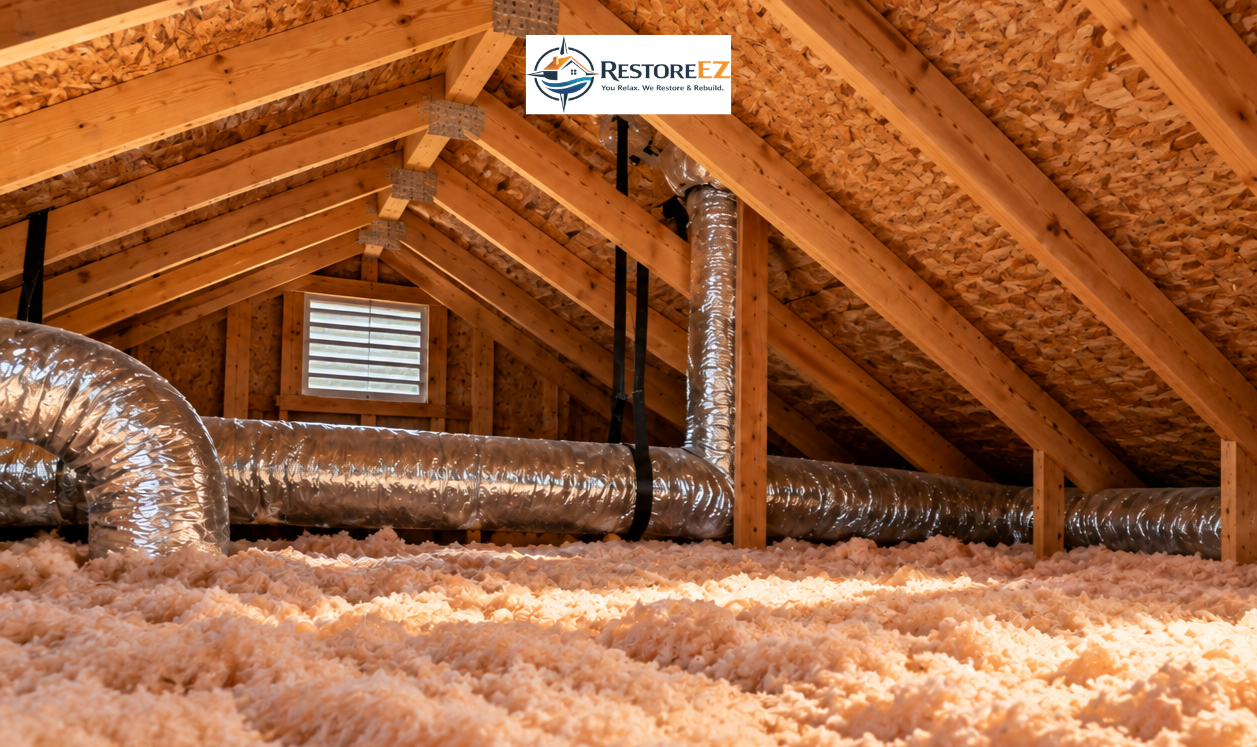
Start by checking the attic if it’s safely accessible. Uneven coverage, thin spots, compressed insulation, and gaps around wiring or framing can all reduce performance. Insulation can settle over time, leaving some areas less protected. If the material looks dusty, damp, or damaged, it might not be doing its job well.
Another clue is feeling temperature differences in the ceiling or walls below the attic. If ceiling drywall feels warm in summer, the attic might be transferring more heat than it should. This surface warmth often indicates a weakened thermal barrier.
Check for air leaks and duct issues.
Insulation and air sealing are related but different. Even thick insulation won’t perform well if air leaks through gaps around light fixtures, attic hatches, plumbing penetrations, or duct connections. In many homes, the real issue is inadequate insulation combined with uncontrolled air movement.
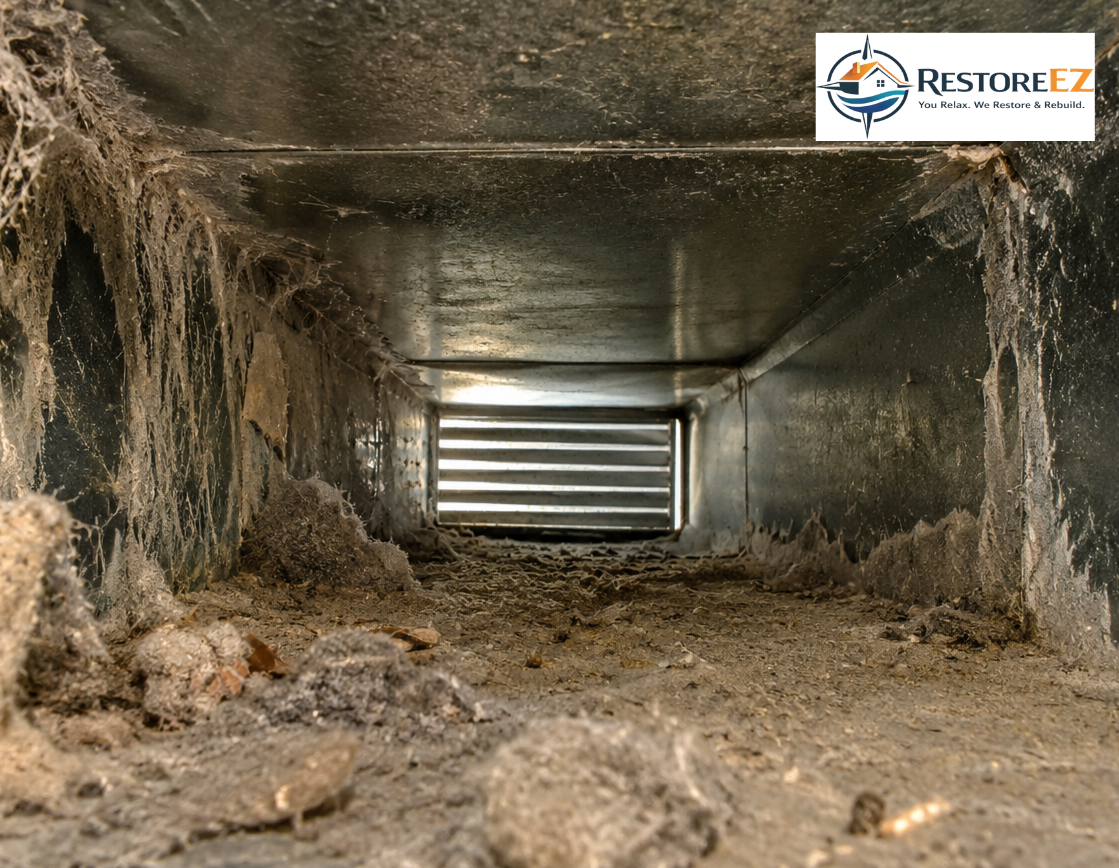
That’s why services like air duct cleaning and duct sealing can make a noticeable difference. Ducts that leak into the attic waste conditioned air before it reaches your rooms. If your attic has HVAC components, checking both insulation and duct integrity is crucial for accurate diagnosis.
Get a professional assessment when signs are mixed
Some comfort problems look like insulation issues but are actually caused by ventilation defects, duct leaks, or roof-related moisture. A trained specialist can determine whether the attic needs more insulation, better air sealing, moisture correction, or a mix of services. This is important because the wrong fix can waste money without improving comfort.
For homeowners in the region, a broader evaluation through indoor air quality testing can also reveal whether the attic is affecting allergens, dust, or humidity inside. When comfort, energy use, and air quality all seem connected, a full assessment is usually the best first step.
What's Good Attic Insulation Actually Do?
It slows down heat transfer
The main job of insulation is to reduce heat flow. In summer, it keeps attic heat from moving into living spaces. In winter, it helps keep heated indoor air from escaping too quickly. This temperature resistance is measured by R-value, and higher values generally mean better thermal performance.
However, R-value is only part of the story. Installation quality, moisture exposure, and insulation coverage all affect real-world results. A product with strong specs will still underperform if installed unevenly or interrupted by unsealed gaps.
It boosts HVAC efficiency
When insulation is effective, your AC doesn’t have to work as long to keep you comfortable. This can lower runtime, reduce equipment strain, and help maintain stable indoor temperatures. Over time, this efficiency may extend HVAC lifespan and reduce breakdowns during the hottest weeks.
Better attic performance can also improve how your home responds to thermostat changes. Instead of overcooling one room and undercooling another, the home tends to settle into a more balanced temperature range. If you’ve already invested in a smart thermostat, improving insulation helps make that technology more effective.
It guards against moisture-related damage
While insulation isn’t a moisture cure, it can contribute to a more stable attic environment when paired with proper ventilation and air sealing. A stable environment reduces condensation risk where warm, humid air meets cooler surfaces. This is especially crucial in homes with high seasonal humidity and exposed roof structures.
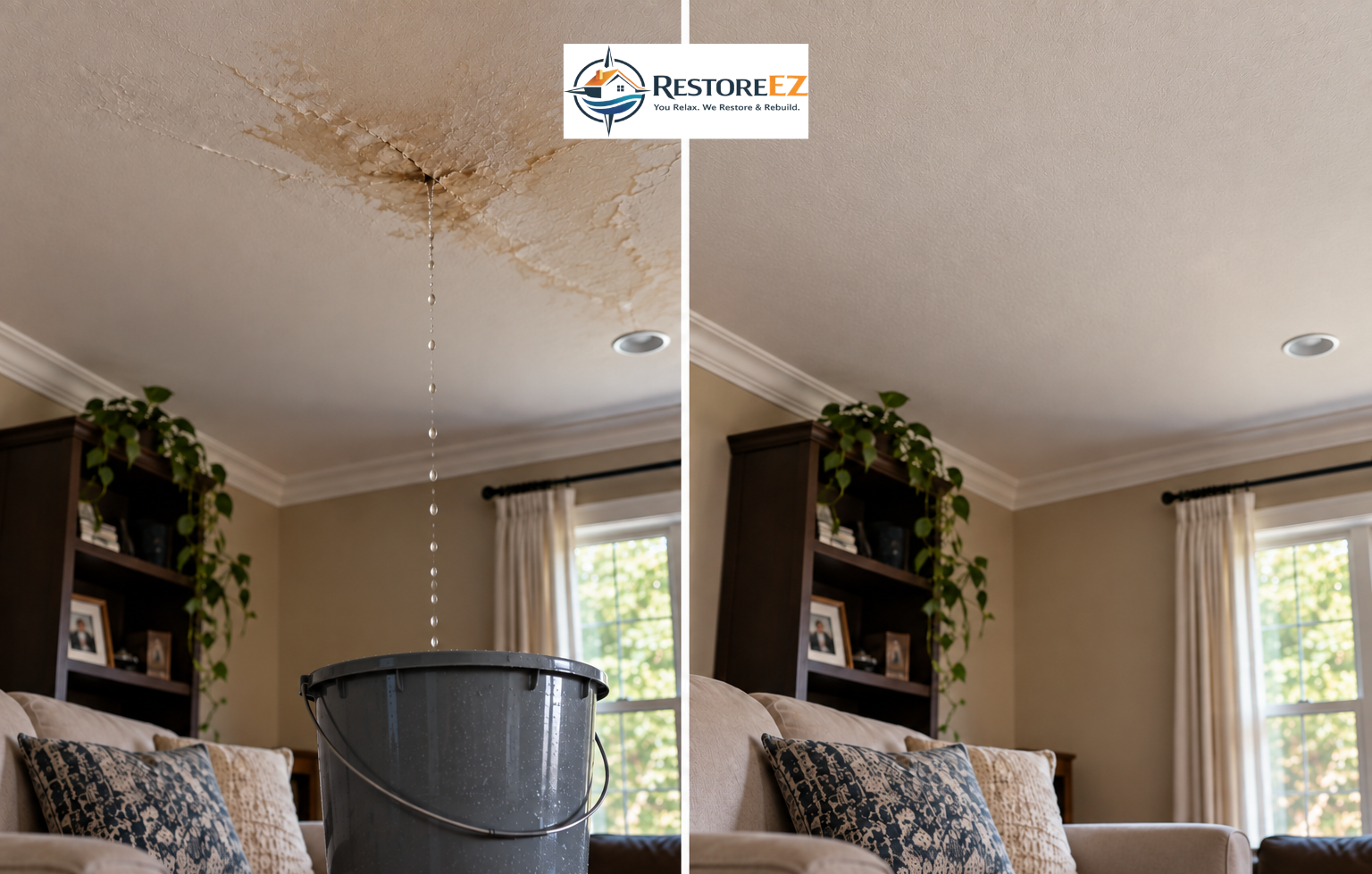
If your attic has had leaks or dampness, consider whether the issue started with hidden water intrusion. Services like water damage restoration may be needed before adding new insulation. Installing over wet materials can trap moisture and cause bigger problems later.
When to Upgrade or Replace Attic Insulation
After a water leak, roof issue, or storm damage
Insulation that’s been soaked, compressed, or contaminated shouldn’t be left in place. Once water enters the attic, the material can lose performance and become a mold risk if it stays damp. If you’ve recently dealt with a roof leak, plumbing issue, or storm event, check the attic before assuming the problem is fixed.
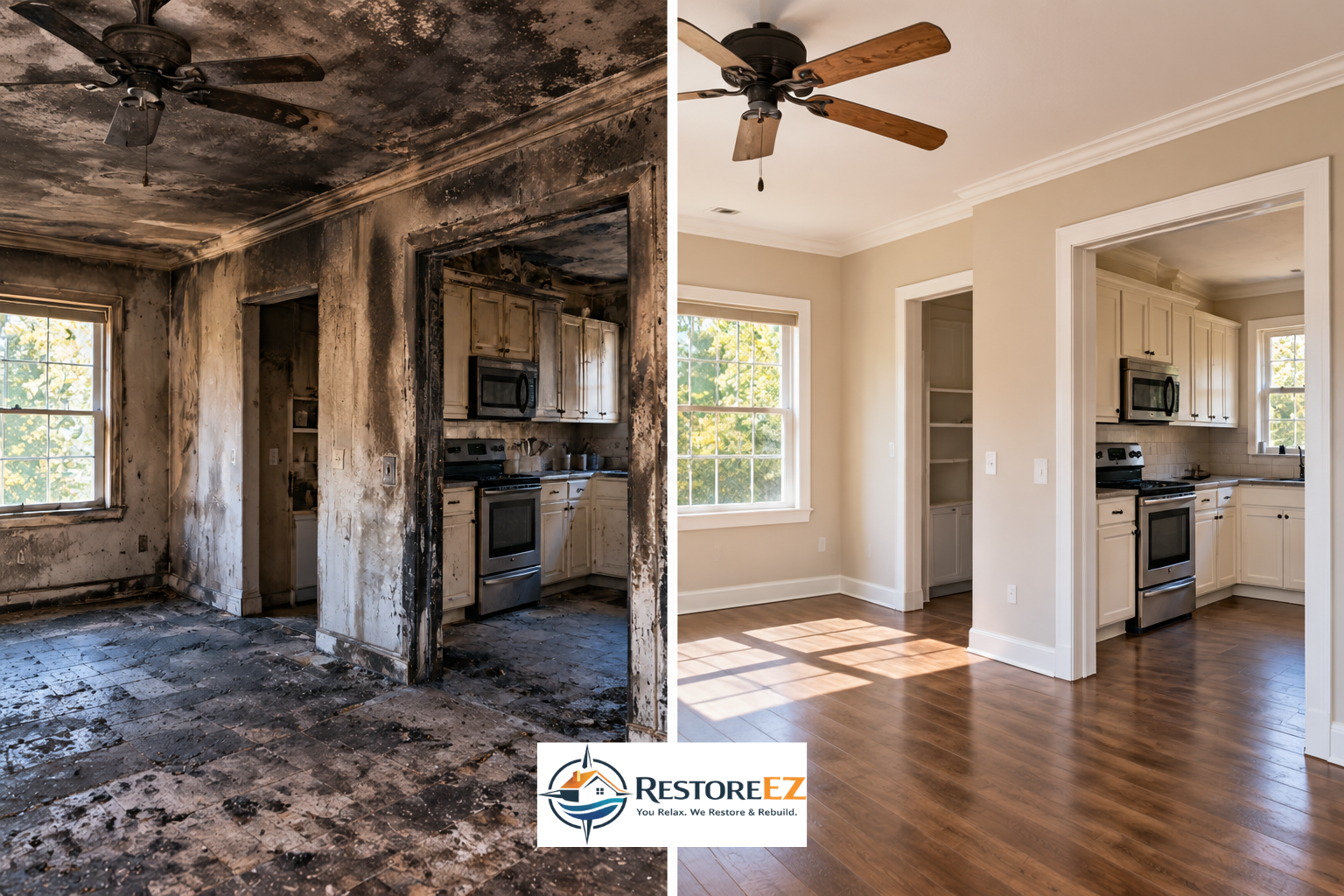
In these cases, the attic may need drying, cleanup, and replacement. This process can involve both water damage restoration and targeted insulation work. If moisture has led to growth, professional mold remediation may also be necessary.
When comfort problems persist despite HVAC service
If you’ve serviced the air conditioner but still struggle to cool your home, the attic should be next on your list. New filters, clean coils, and a repaired thermostat can help, but they can’t overcome major heat gain from a poorly insulated attic. Persistent cooling issues after HVAC maintenance usually point to an envelope problem.
Some homeowners upgrade equipment before fixing the attic, only to find the comfort issue remains. That’s why energy experts often recommend addressing insulation first or alongside mechanical improvements. The building envelope and HVAC system need to work together.
During a planned weatherization or efficiency project
If you’re already planning home upgrades, attic insulation can be one of the most valuable improvements. Many homeowners combine insulation with weatherization work like sealing penetrations, improving ventilation, and upgrading ducts. You can learn more about broader efficiency improvements through our weatherization program, which supports comfort and performance across the home.
For some households, financing can help make timing easier. If budget is delaying necessary upgrades, see if financing is available for your project. Tackling insulation before another hot season can make a big difference in daily comfort.
How Pros Evaluate and Improve Attic Insulation
Inspection and moisture check
A proper attic evaluation starts with a close look at existing insulation, roof decking, air pathways, and moisture signs. Pros look for compression, contamination, gaps, and any compromised material. They also check if the attic has enough ventilation and any signs of hidden damage.
This step matters because not every attic needs the same solution. One home might need added insulation only, while another needs moisture correction, duct sealing, or air leak repair first. A careful assessment prevents unnecessary work and helps ensure the upgrade actually solves the problem.
Removal, repair, or addition of insulation
Depending on what’s found, the attic may need old insulation removed, damaged areas repaired, or new material added over an existing layer. The goal is consistent coverage across the attic floor and proper protection around leak points. In many homes, blown-in materials are especially useful because they can cover irregular spaces more evenly than batts alone.
Professional installation helps avoid common mistakes like blocking vents, leaving thin areas around framing, or creating unsafe compression near electrical components. Done correctly, the upgrade should improve comfort without creating new airflow or safety concerns.
Sealing and supporting systems
Attic improvement is usually most effective when insulation is paired with other measures. Sealing around penetrations, improving duct integrity, and protecting the attic from future moisture intrusion all help preserve the value of the upgrade. In some homes, additional measures like flood barriers may also matter if the property faces recurring storm or water risks.
For homes where air leakage is significant, air duct sealing is especially important because leaking ducts can waste expensive cooled air. That’s why many homeowners choose a whole-home strategy instead of a single isolated repair. The attic performs best when every related system is addressed together.
Practical Steps to Take Now
Walk through your house and note comfort patterns.
Start by writing down which rooms feel warm, when they feel warm, and whether humidity is a factor. Pay attention to upstairs spaces, rooms under the roofline, and areas with direct afternoon sun. This info helps identify whether the problem is consistent, seasonal, or tied to specific conditions.
You can also compare the feel of different ceilings, walls, and vents without opening any panels. If discomfort is strongest in rooms near the attic, that’s a useful clue that the attic deserves attention. The more specific your observations, the easier it is for a professional to diagnose the issue.
Consider the whole house, not just the attic
Since homes work as systems, attic insulation should be evaluated along with ducts, ventilation, and indoor air quality. Dirty ducts can spread dust, while poor ventilation can trap heat and moisture. If your home has lingering odors or airborne irritation, the issue might go beyond insulation alone.
That’s why some homeowners pair insulation work with dryer vent cleaning and other indoor maintenance tasks. Small airflow problems can add up, especially in homes that already struggle to stay cool. The more connected the systems are, the more important it is to solve them in the right order.
Get professional help before the next hot season
If your attic clearly shows signs of poor coverage, moisture damage, or air leakage, it’s smart to act before peak heat arrives. Fixing insulation issues early can improve comfort all summer long and may reduce strain on your cooling equipment. Waiting often means paying more for energy while continuing to deal with hot rooms and inconsistent temperatures.
Restoreez helps homeowners and businesses identify issues that affect comfort, efficiency, and safety. If you suspect attic problems are making your home harder to cool, a professional evaluation can save time and prevent bigger repair needs later. For local assistance, you can review our service coverage in Tarpon Springs and nearby communities.
Frequently Asked Questions About Attic Insulation and Cooling
How do I know if I need more insulation or just better air sealing?
If the attic has thin or uneven coverage, you may need more insulation. If the insulation level looks adequate but the house still leaks comfort, air sealing may be the bigger issue. In many cases, both are necessary because heat moves through both material transfer and air movement.
A professional inspection is the fastest way to sort out the difference. The right solution depends on whether heat is mainly entering through the building materials or through gaps in the attic assembly. That’s why simple visual checks can only tell part of the story.
Will more insulation always lower my cooling bill?
Not always, but it often helps when insulation is the source of the problem. Savings depend on the current condition of the attic, the local climate, the home’s layout, and how much air leakage exists. Homes with very poor attic performance usually see the biggest improvement after an upgrade.
The best results typically come from combining insulation with sealing and ventilation improvements. That approach creates a more complete comfort solution and reduces the chance that one weak area will undermine the whole system.
Can attic insulation help with mold prevention?
It can help indirectly by reducing condensation risk and stabilizing temperatures, but insulation is not a substitute for moisture control. If the attic already has leaks, damp wood, or visible growth, those issues should be handled first. Otherwise, new insulation may conceal the problem rather than solve it.
If you suspect contamination, consider a professional review that may include mold inspection and, if needed, mold remediation. Addressing the moisture source is the key to lasting protection.
Conclusion: Don’t Let Your Attic Work Against Your Comfort
If your home is hard to cool, the attic might be a major factor. Missing insulation, air leaks, duct problems, and hidden moisture can all make your HVAC system work harder than it should. The good news is these problems are often fixable once they’re correctly identified.
By checking for warning signs, understanding how attic insulation affects comfort, and addressing related issues like ducts and moisture, you can make your home easier to cool and more efficient to run. If you’re ready to improve comfort before the next heat wave, Restoreez can help you evaluate the problem and recommend the right next steps. Reach out today to learn how a stronger attic and a smarter home strategy can make a real difference.