Why Kitchens Often Fall Victim to Water Damage
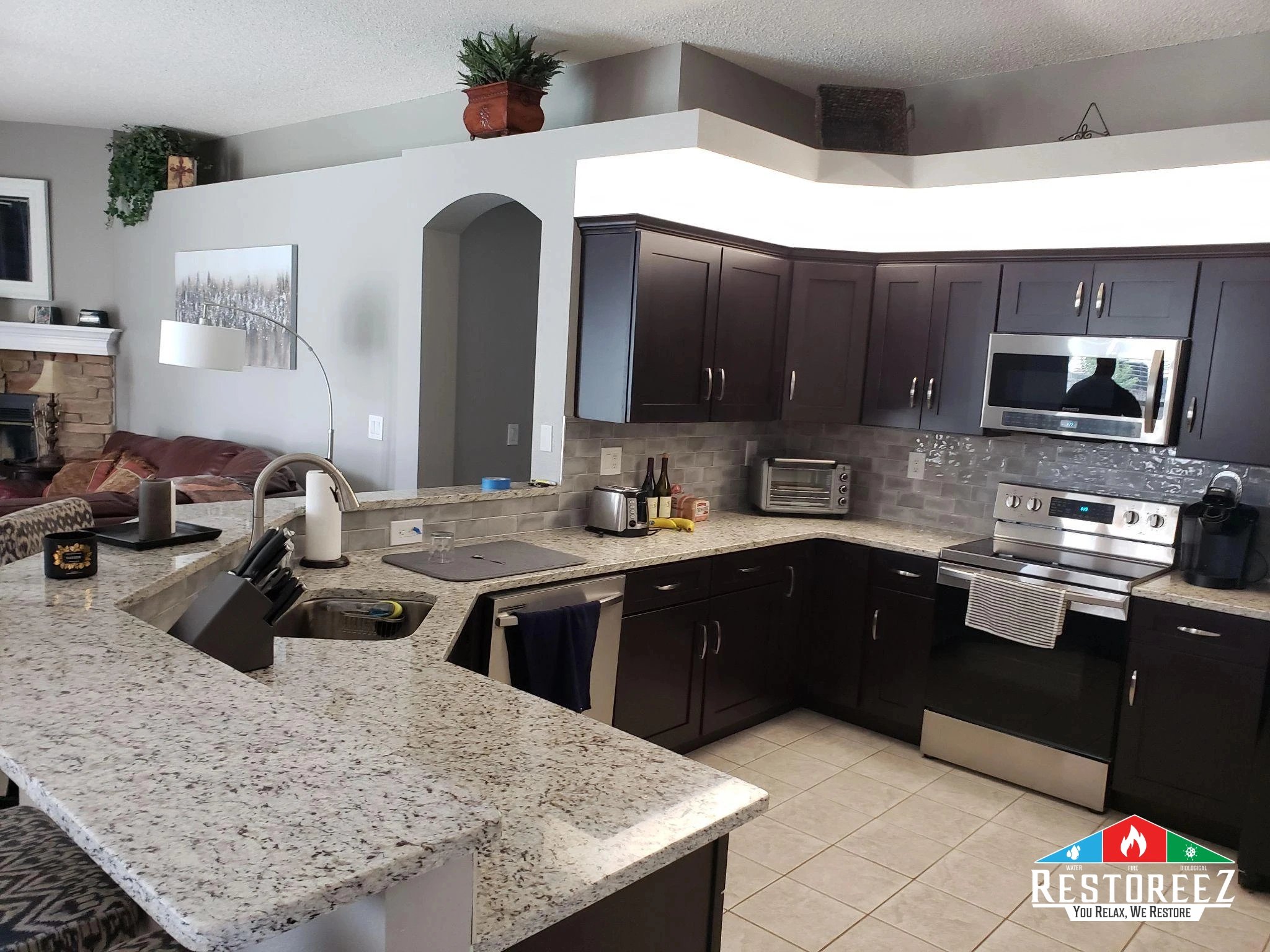
Think of your kitchen as the bustling center of your home. From cooking to cleaning, it's a hub of activity with appliances and plumbing fixtures constantly at work. This makes it a prime spot for water leaks, appliance mishaps, and unnoticed drips that can snowball into big problems. Let's dive into why kitchens are prone to water damage, how to prevent it, and what to do if you find yourself in a soggy situation. And remember, professional water damage restoration services are just a call away to help you tackle any major issues.
Getting a handle on kitchen water damage can save you a ton of trouble. Water claims are a big chunk of insurance payouts, and mold can start growing within days if a leak isn't fixed fast. With the right info and quick action, you can cut down on repair costs and avoid long-term issues like structural damage and poor indoor air quality. This article is packed with trends, stats, and proven tips to help you take charge.
You'll find handy checklists, maintenance tips for specific appliances, new tech for spotting leaks early, and advice on when to call in the experts. We've also pulled in advice from trusted sources like government agencies and health organizations to back up our recommendations. Read on to keep your kitchen dry, safe, and ready for anything.
1. Why Kitchens Are Especially Vulnerable
1.1 Concentration of Plumbing Fixtures
Your kitchen is like a maze of plumbing: sinks, faucets, garbage disposals, and supply lines all packed into a small area. These are all potential trouble spots where things can wear out over time. When something goes wrong, water can seep into cabinets, walls, and floors before you know it.
Plumbing issues often start small, with drips that go unnoticed until they become big problems. But sometimes, it’s sudden like a burst pipe under the sink. Regular use means even small leaks add up, increasing the risk of serious damage. Make it a habit to check visible fixtures and under-sink areas for signs of wear or loose connections.
Older homes with original plumbing are more at risk, but even new homes can have issues thanks to installation mistakes or faulty parts. Regular maintenance and professional inspections are the best ways to keep things in check.
1.2 High Appliance Density and Failure Points
From dishwashers to fridges with ice makers, your kitchen is a hive of water-using appliances. Each one has its own set of hoses, valves, and seals that can wear out and leak. Appliance failures are risky because they often happen when you’re not around, allowing water to spread.
Common culprits include worn gaskets and cracked hoses. Take dishwashers, for instance, a leaky door gasket can cause trouble, and ice maker lines can crack, too. Manufacturers usually suggest replacing supply hoses every 5-7 years and checking connections regularly.
To cut down on risk, focus on maintenance and opt for reinforced, braided stainless-steel hoses.
1.3 Constant Use and Human Factors
The kitchen sees a lot of action: washing hands, rinsing veggies, cleaning dishes, and running the garbage disposal. This constant use means more chances for spills, overflows, and user mistakes. A clogged sink or forgotten pot of boiling water can quickly cause damage.
We often ignore small leaks or appliance noises until they become major headaches. Teach everyone at home to report leaks right away and get into the habit of checking things over. Just a quick peek under the sink each month can save a lot of trouble.
In homes with multiple people or renters, maintenance habits can vary. Assigning someone to keep an eye on things can help keep problems at bay.
2. Common Causes and Data-Backed Statistics
2.1 Plumbing Leaks: The Leading Cause
Plumbing leaks are a major reason for home water damage, accounting for about 37% of incidents. Issues with supply lines, shutoff valves, and fixture connections are common causes.
The financial impact is real: water damage claims make up nearly 23% of property insurance claims each year, with the average claim costing around $10,000. This highlights the need for prevention and quick action. Even minor leaks can lead to high costs over time through structural damage and mold.
Simple maintenance like replacing old fittings and installing quality hoses can help you avoid these expensive claims and keep your home safe and dry.
2.2 Appliance Failures and Specific Statistics
Appliance failures also play a big role in kitchen water damage. Studies show dishwashers, washing machines, and fridge ice makers often cause leaks. For dishwashers, worn door gaskets are a big culprit, making up about 18% of appliance-related issues in some surveys. Failed hoses and pumps are also common.
Manufacturers provide maintenance and replacement guidelines. Stick to these schedules and check things monthly to avoid common failures. Upgrading to reinforced supply lines and automatic shutoff devices can greatly lower your risk.
Combining regular maintenance with early detection systems gives you the best protection, preventing small appliance leaks from becoming major structural problems.
2.3 Structural and Installation Issues
Poorly sealed countertops, bad caulking around sinks, and improperly installed under-sink components can let water seep into cabinets and floors. Water that gets into subfloors and walls can go unnoticed, causing serious damage over time. Installation errors, like poorly routed supply lines or drainage issues, increase the risk of standing water and leaks.
The materials matter too: things like particleboard cabinets and laminate flooring swell quickly when wet. Choosing water-resistant materials and ensuring professional installation can cut down on long-term repairs.
During renovations or when replacing fixtures, make sure you hire licensed professionals and check that installations meet building codes and manufacturer guidelines to avoid preventable issues.
3. Immediate Risks Following a Kitchen Leak
3.1 Mold Growth Timeline and Health Risks
Mold is a big concern after a leak. It can start growing within 24 to 48 hours of moisture exposure. Mold spores are everywhere, and they thrive on damp surfaces like drywall or wood.
Mold can cause health problems, especially for people with allergies or respiratory issues. Quick drying and dehumidification are key. Public health sources stress the importance of rapid action to prevent mold. Check out the CDC's mold resources at https://www.cdc.gov/mold/index.html for detailed guidance.
Acting fast reduces exposure and limits the extent of needed remediation, saving time and money in the long run.
3.2 Structural Damage and Hidden Decay
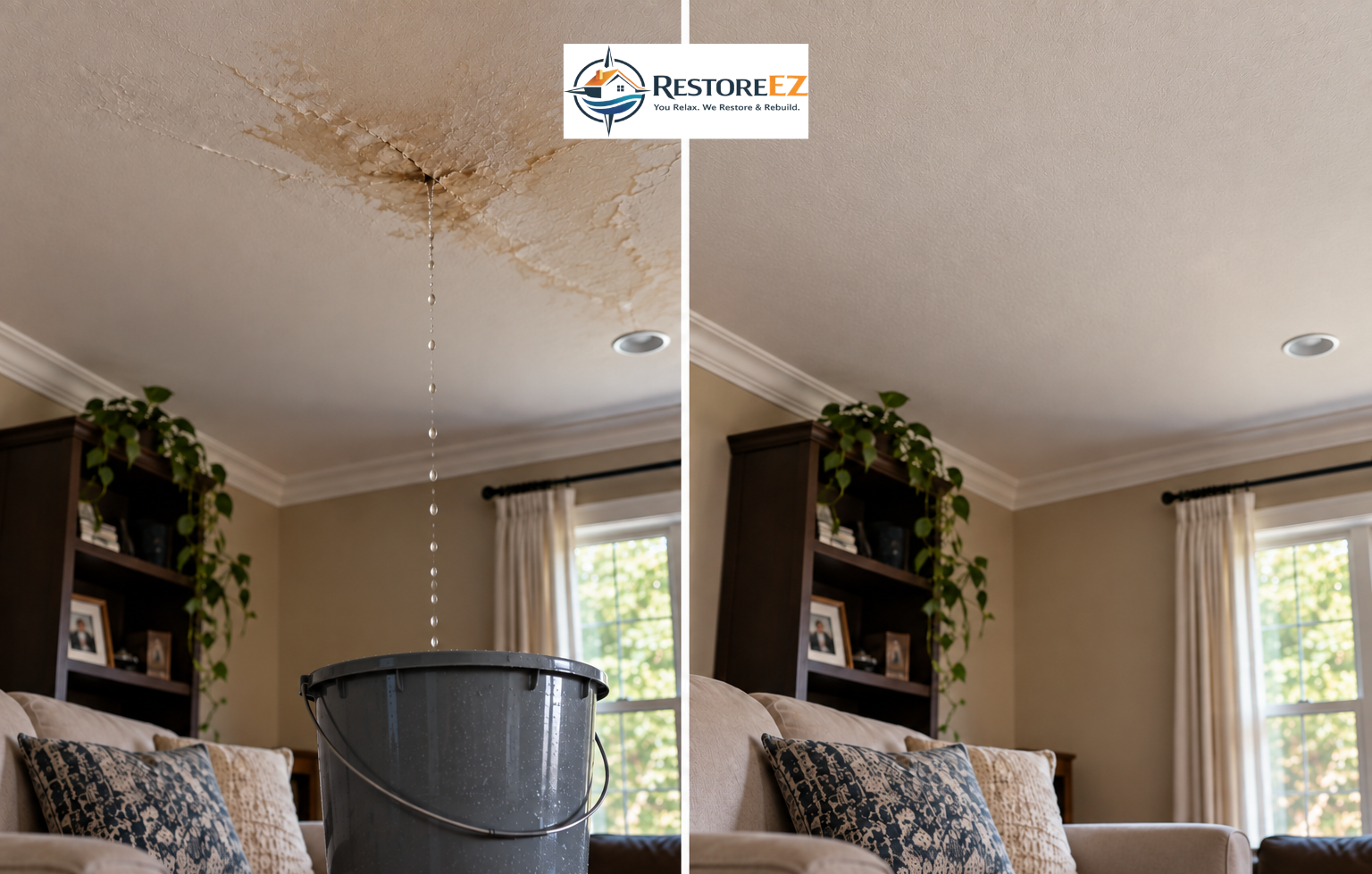
Water can slowly but surely damage structural elements. Subfloors may lose support, drywall can crumble, and wood framing can rot. Damage behind cabinets and walls is common after slow leaks, so visual inspection might not be enough.
Finding hidden damage often requires special tools like moisture meters and thermal imaging. Professionals trained in water damage restoration use these tools to assess the full scope of the problem and create an effective plan to fix both seen and unseen damage.
Addressing structural issues early prevents further damage and reduces the amount of repair work needed to make your home safe again.
3.3 Electrical Hazards and Appliance Safety
Water and electricity are a dangerous mix. Standing water can reach outlets, lighting, and appliances, posing risks of short circuits, fires, and electrocution. If it's safe, shut off power to affected areas and avoid contact with water until it's verified safe.
If water reaches electrical outlets or appliances, consult a licensed electrician before turning the power back on. Professionals coordinate with electricians to ensure both drying and electrical safety are addressed in the recovery process. Prioritizing electrical safety prevents additional hazards during cleanup and rebuilding.
Following safety-first protocols protects everyone involved and should be part of any response plan after a significant kitchen leak.
4. Detection Technologies and Latest Trends
4.1 Smart Leak Detection Systems
Smart home tech has made leak detection easier than ever. Smart water sensors and Wi-Fi-enabled shutoff valves can detect moisture, spot unusual water flow, and send alerts to your phone. These systems can catch leaks in appliances, under sinks, or in crawl spaces before you even see a problem.
Integration with home automation systems allows these devices to shut off the water supply when a major leak is detected, limiting damage. Early detection has been shown to lower repair costs and the risk of mold, making these devices a smart investment.
When choosing a system, look for reliable alerts, battery backup, and compatibility with other smart home devices for the best protection and convenience.
4.2 IoT and Predictive Maintenance
Beyond basic sensors, Internet of Things (IoT) solutions can monitor flow rates and pressure at the main supply line, using analytics to detect unusual patterns that suggest leaks. Predictive algorithms can alert you to unusual usage before a component fails.
For landlords and multi-unit buildings, centralized leak detection systems provide early warnings and help coordinate maintenance. These technologies reduce long-term leaks and can be paired with service contracts to ensure a quick response.
Predictive maintenance helps homeowners and property managers shift from reactive to preventive strategies, lowering costs and cutting down on emergency repairs.
4.3 Eco-Friendly Remediation Practices
The restoration industry is focusing more on sustainability. Eco-friendly practices include using energy-efficient drying equipment, water-saving extraction methods, and biodegradable cleaning agents. Professionals are also reusing salvageable materials and disposing of contaminated waste responsibly.
These practices not only reduce the environmental impact but also improve indoor air quality and safety. Homeowners should ask about green options when choosing restoration services and request documentation of disposal and cleaning procedures if concerned about the environment.
Restoreez and other industry leaders are adopting greener methods, balancing effectiveness with environmental responsibility.
5. Prevention Strategies and Maintenance Plans
5.1 Annual Inspection Checklist
Experts recommend doing an annual inspection of all water-using appliances, visible plumbing, and seals. Your checklist should include checking supply hoses for cracks, testing shutoff valves, inspecting under-sink areas for moisture, and examining appliance gaskets and caulking around sinks and countertops.
Document what you find and schedule repairs or replacements as needed to prevent small problems from becoming big headaches. If you prefer professional help, schedule an annual inspection with a licensed plumber who can do pressure checks and leak tests.
Sticking to an annual maintenance routine cuts down on emergency repairs and helps keep appliance warranties valid.
5.2 Appliance-Specific Best Practices
Appliances need special attention since they are often behind kitchen water problems. For dishwashers, check the door gasket and supply and drain hoses for wear. For fridges with ice makers, look for kinks in the tubing and replace old connectors with braided stainless steel. For under-sink hot water dispensers, make sure the lines and fittings are secure and corrosion-free.
Follow manufacturer guidelines for installation and parts replacement intervals. Adding protective devices like a dishwasher drip pan or reinforced hoses can prevent common leaks from turning into major issues.
Consistent appliance-specific practices are an effective and affordable prevention strategy.
5.3 Installing Passive and Active Protections
Passive protections like drip pans, water-resistant liners, and proper caulking help reduce the impact of minor leaks. Active protections, smart sensors, automatic shutoff valves, and home flow monitoring detect and act on leaks in real-time. Combining both provides the best protection.
Insurance companies may offer discounts for homes equipped with these proactive measures. Check with your insurer to learn about qualifying measures and document installations for potential benefits.
Investing in both active and passive measures prevents damage and lowers long-term repair costs.
6. Step-by-Step Emergency Response for Homeowners
6.1 Immediate Safety and Containment Steps
If you spot a leak, put safety first: turn off the water supply if it's safe and accessible, shut off electricity to wet areas if needed, and keep people away from standing water. Quick action limits water spread and reduces damage risks.
Gather towels, buckets, and barriers to manage small leaks while arranging professional help for bigger issues. If the source isn't clear or involves sewage, avoid contact and call a professional to prevent health risks.
Document the scene with photos and notes for insurance. This helps restoration providers and insurers understand the situation and response timeline.
6.2 Water Extraction and Drying Best Practices
Quickly removing standing water is essential to minimizing absorption into materials. Use portable pumps, wet/dry vacuums, and professional equipment to efficiently remove water. Follow up with air movers, dehumidifiers, and targeted heating to dry materials to safe levels.
Proper drying requires monitoring moisture levels over days to weeks. Incomplete drying leads to persistent dampness and mold. Certified professionals use controlled drying plans to ensure full remediation.
If renting drying equipment, follow the manufacturer's instructions and maintain airflow and dehumidification until moisture readings indicate safe levels.
6.3 When to Call Professional Remediation
Call the pros when water exposure is extensive, involves contaminated water, soaks structural members, or when mold is visible or suspected. Professionals bring industrial-grade equipment, experienced technicians, and protocols for repair and mold remediation. They also coordinate with trades for repairs as needed.
Restoration companies provide documentation for insurance claims and reconstruction planning, streamlining recovery. If unsure about the extent, a professional assessment offers clarity and prevents incomplete remediation.
Restoreez offers comprehensive services, including emergency response and assessment, to safely restore homes. For mold concerns, schedule a mold inspection to confirm presence and scope before remediation.
7. Professional Remediation: What to Expect
7.1 Assessment and Containment
A professional restoration starts with a thorough assessment to identify the water source, affected areas, and contamination level. Technicians use moisture meters, thermal imaging, and visual inspection to map affected zones. Containment measures like plastic sheeting and negative air pressure may prevent cross-contamination during remediation.
Clear assessment and containment speed up remediation and protect unaffected areas. Documentation from this phase is also useful for insurance claims and planning reconstruction steps.
Choose a certified provider for industry-standard assessment methods and transparent reporting of findings and actions.
7.2 Drying, Cleaning, and Disinfection
After extraction, restoration teams tailor a drying strategy to the materials and moisture levels. This includes air movers, dehumidifiers, and heaters if needed. Contaminated surfaces are cleaned, and disinfection protocols are applied to address microbial risks and sanitize food prep areas.
Eco-friendly cleaning agents are available and effective, offering disinfection while minimizing harsh chemicals. Communicate any sensitivities or preferences with your provider to select suitable cleaning products and methods.
Thorough drying and cleaning are necessary for safe reconstruction and reoccupation of the kitchen.
7.3 Repair and Restoration to Pre-Loss Condition
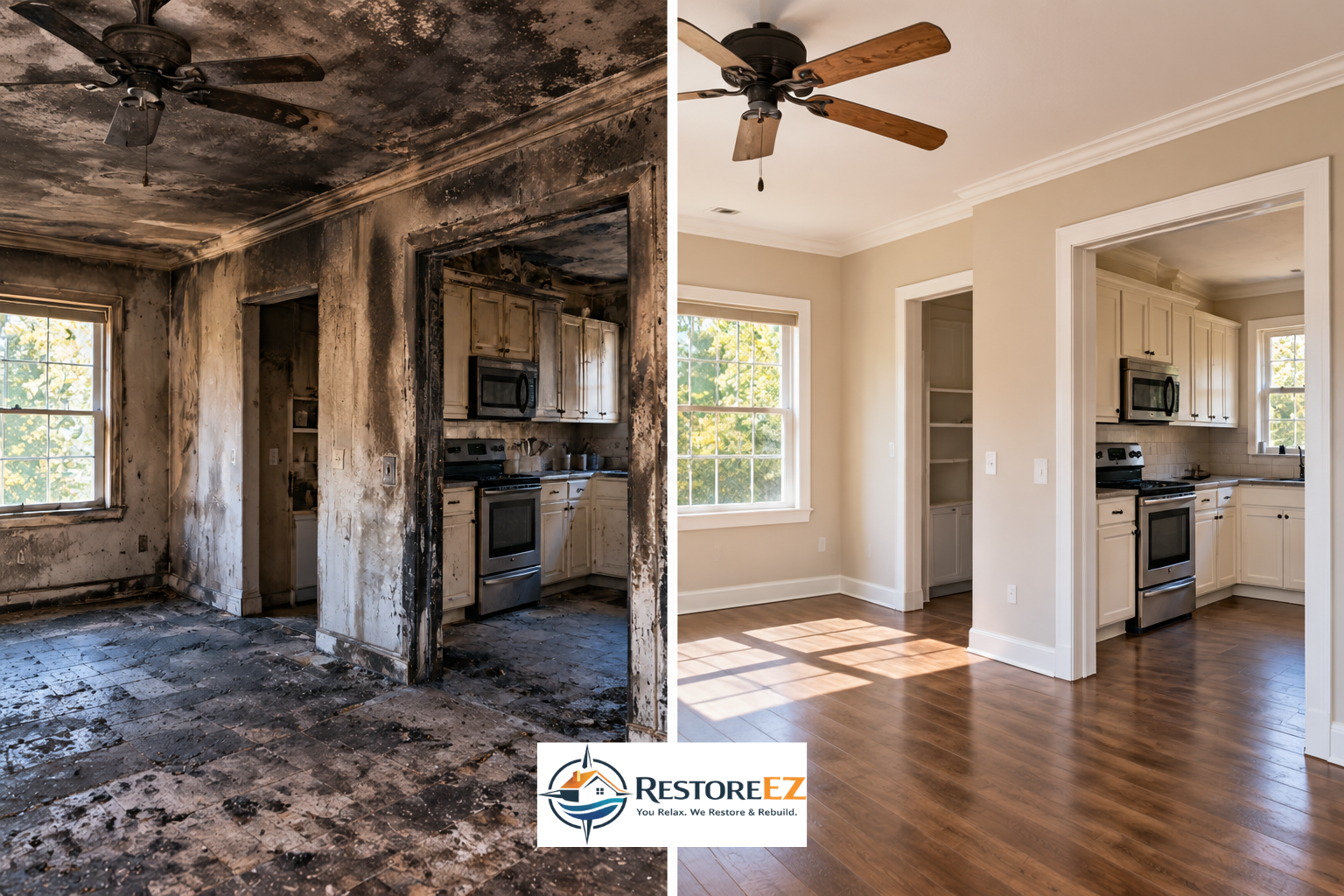
Once dry and sanitized, restoration shifts to repairs: replacing damaged drywall, refinishing cabinets, reinstalling countertops, and restoring floors. Licensed contractors work with restoration teams to return the kitchen to pre-loss condition, using moisture-safe and code-compliant materials to reduce future vulnerability.
Restoration providers handle project coordination, permitting, and inspections, simplifying the process during a stressful time. Professional repair ensures long-term durability and reduces recurrent issues.
Consider upgrades during repairs—like better hose materials, more sensors, or water-resistant finishes—to reduce future risk.
8. Case Studies and Real-World Examples
8.1 Residential Dishwasher Hose Failure
A homeowner faced a flood on their kitchen floor due to a burst dishwasher hose while out. They shut off the main valve, moved furniture, and called a restoration provider quickly. The fast response allowed technicians to extract water, start drying, and remove damaged cabinets before mold developed.
Early action minimized structural repairs and mold remediation costs. Insurance covered most repairs thanks to timely documentation and professional help. This case shows how quick action, combined with professional services, limits damage and cost.
Recommended upgrades included replacing flexible supply lines with braided hoses and installing a smart sensor near the dishwasher for early alerts.
8.2 Commercial Ice Maker Line Leak
A restaurant faced disruption when an ice maker line leaked, soaking the kitchen subfloor. Business interruption added to repair costs. Management called in professionals who coordinated rapid extraction, localized demolition, and engineered drying to reopen quickly.
This case highlights the importance of scheduled maintenance and preventive sensors for commercial kitchens where downtime impacts revenue. The owner set up a maintenance contract and installed monitored flow sensors to avoid recurrence and reduce revenue risk.
Commercial settings show that prevention and early detection offer financial and safety benefits.
8.3 Local Climate Considerations: Humid Regions and Rainy Seasons
Homes in humid or rainy areas face increased risks as humidity slows drying and boosts mold potential. Areas with frequent storms or high humidity need vigilant appliance maintenance and may benefit from whole-home dehumidification to maintain safe indoor moisture levels. Drying strategies should consider ambient conditions to be effective.
Homeowners in humid climates should consider more frequent inspections, using desiccant dehumidifiers during rainy seasons, and installing leak detection devices where moisture accumulates. Being aware of local weather patterns and seasonal risks helps prioritize preventive actions and reduces the chance of a minor leak becoming a long-term issue.
If persistent humidity issues arise, consult an indoor climate specialist and consider indoor air quality assessments to identify causes and solutions.
9. Frequently Asked Questions (FAQs) and Troubleshooting
9.1 How quickly does mold grow after a leak?
Mold can start growing within 24 to 48 hours in damp conditions, especially on porous materials like drywall and wood. Quick drying and disinfection are necessary to prevent mold from spreading. For guidance on mold risks and prevention, check the CDC's mold resources at https://www.cdc.gov/mold/faqs.htm.
If mold growth is suspected, schedule a professional mold inspection to determine the extent and best remediation method. Early testing and targeted remediation reduce disruption and cost compared to widespread contamination.
Avoid using bleach as a cure-all and rely on professional protocols for extensive or hidden mold to ensure safe removal and prevent spread.
9.2 Can I dry my kitchen myself, or should I hire pros?
Small spills and contained incidents can often be managed by homeowners using towels, mops, fans, and dehumidifiers, provided moisture hasn't reached structural materials. But if water soaks into subfloors, cabinets, or walls, or if it's contaminated, professional help is needed for complete drying and sanitization.
Professionals use calibrated equipment and documented plans to reach safe moisture levels and avoid long-term issues like mold. If unsure, schedule an assessment—many providers offer emergency inspections and can advise on whether DIY measures are enough or if professional help is needed.
Restoreez offers 24/7 emergency response and can evaluate situations promptly to recommend the right steps for mitigation and restoration.
9.3 What are low-cost preventive measures I can implement now?
Start with simple measures: install water sensors in vulnerable spots (under sinks, behind dishwashers, near the fridge), replace old hoses with braided lines, inspect caulking and seals, and test shutoff valves. These require modest investment but drastically reduce the chance of major losses.
Also, keep drains clear to prevent backups and use drip pans under appliances where possible. Consider a routine checklist for monthly inspections and schedule annual professional maintenance for appliances and plumbing to catch developing issues early.
Combining diligent behavior with targeted upgrades offers strong protection at a relatively low cost.
10. Conclusion: Take Action Now to Protect Your Kitchen
Kitchens are a common spot for water damage due to their dense plumbing and appliances. Plumbing leaks, appliance failures, and installation problems can lead to costly repairs and health risks if not addressed quickly. But many incidents are preventable with regular maintenance, smart detection tech, and timely professional help.
To cut your risk, set up an annual inspection plan, upgrade vulnerable hoses and fittings, and consider smart leak detection devices and automatic shutoff systems. If a leak happens, act fast to contain and document the damage, start extraction and drying, and call certified remediation professionals when damage is extensive or contamination is suspected. Trusted sources like the EPA and FEMA offer guidance on cleanup and safety; see EPA mold prevention resources at https://www.epa.gov/mold and FEMA recovery guidance at https://www.fema.gov.
If you need reliable restoration support, Restoreez offers emergency water damage restoration, mold remediation, and related services with fast response times and professional-grade equipment. We also provide preventive services to help reduce future risks, like dryer vent cleaning and flood protection options like flood barriers. Contact Restoreez at (813) 703-0300 or info@restoreez.com to schedule an assessment or emergency response.
Protect your home and family by combining preventative maintenance, smart technology, and professional support so a small kitchen leak never becomes a major disaster. Act today: inspect your appliances, install sensors, and make a plan to be prepared for the unexpected.