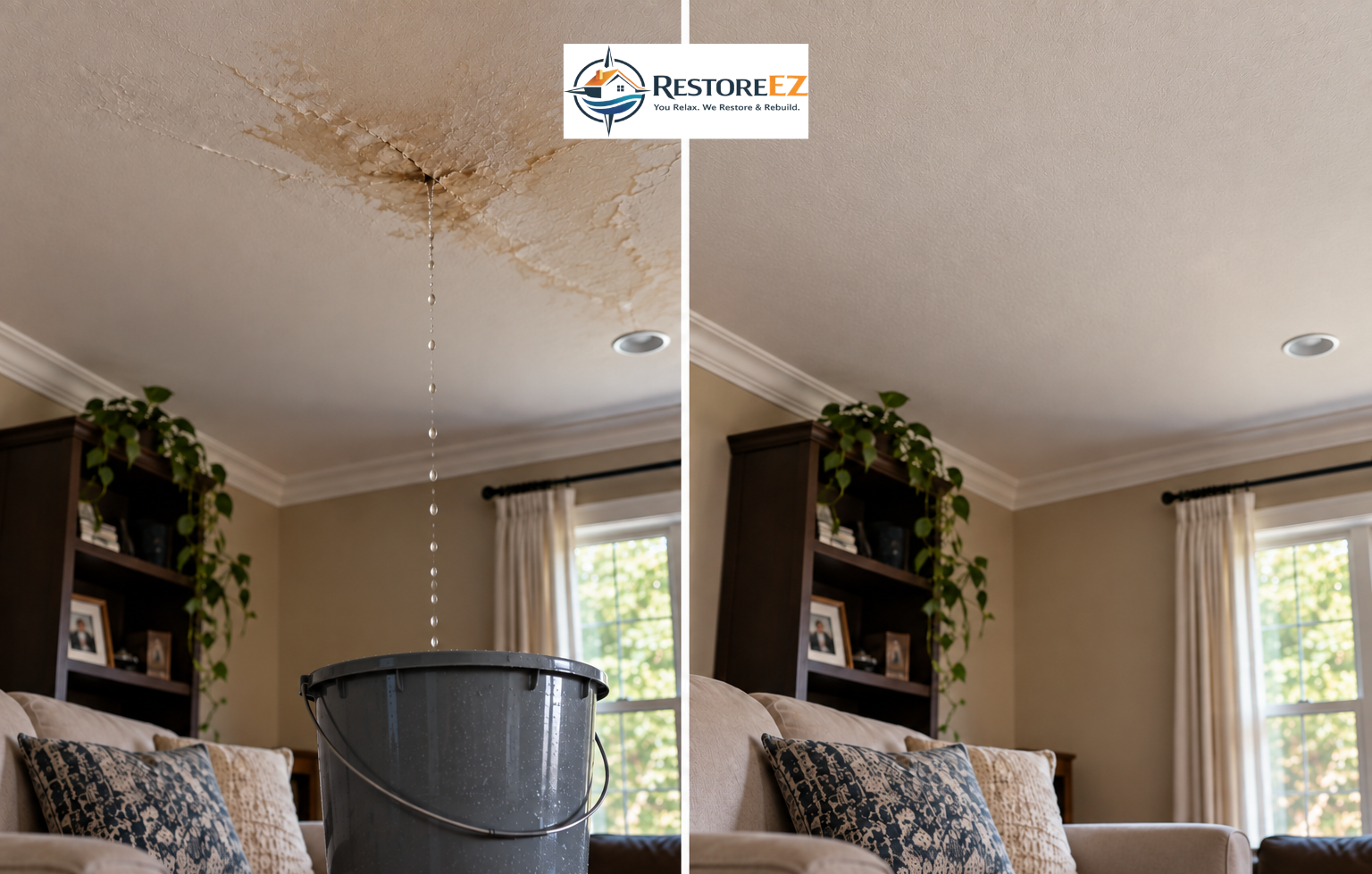
When your home or business gets hit with water, fire, smoke, or mold damage, the urge to jump in and clean up is strong. But before you grab a mop, consider this: professional restoration is often the best way to ensure safety and thorough recovery. This involves quick response times, expert techniques, and safety measures that protect both your property and those inside.
In this guide, we'll explore why professional restoration is the safest choice for getting your property back in shape, how modern teams handle things differently, and the ways the industry is evolving for the better. Plus, we'll dive into why services like water damage restoration, fire damage restoration, and mold remediation are crucial when damage threatens your property and health. For more on dealing with floods, check out the Ready.gov floods guide.
Why Going with the Pros is the Safe Bet
Don't Miss Hidden Hazards
Visible damage is just the tip of the iceberg. Moisture and contaminants can lurk behind walls, under floors, and in your ductwork. After a pipe bursts or a storm hits, the real danger often lurks where you can't see it. This is why pros use moisture meters and thermal imaging to assess the situation before saying an area is safe.
Homeowners might think they've solved the problem by mopping up water, but lingering moisture can lead to mold, weaken materials, and get worse over time. If you start noticing musty smells or warped floors, it's time for a mold inspection and a deeper look beyond the surface.
Health Risks Beyond Property Damage
Safety isn't just about avoiding more repairs. It's also about keeping everyone safe from health hazards like mold spores and smoke particles. The U.S. Environmental Protection Agency points out that indoor mold can harm air quality and needs proper handling with moisture control and cleanup, especially after leaks or floods. You can read more on mold from the EPA here.
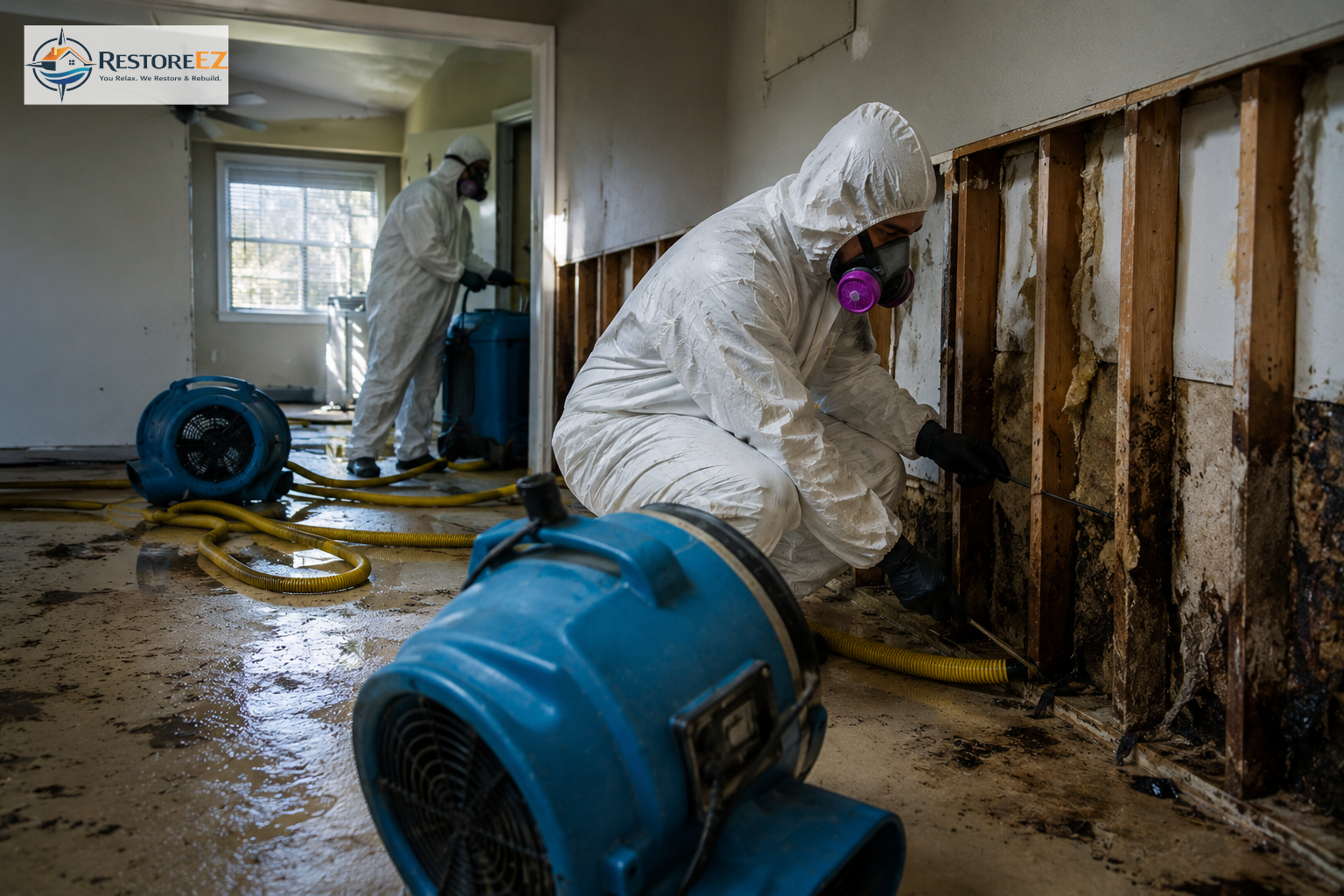
Restoration teams treat damaged areas like controlled environments. They isolate contaminated spots, wear protective gear, and follow steps to stop the spread of contaminants. This level of control is hard to match with DIY methods, especially when smoke or mold has invaded your ductwork or walls.
What's Included in Professional Restoration
Quick Response and Damage Check
Speed is key when it comes to recovery. Industry standards mean many expect emergency help in under two hours. That makes sense because water and smoke damage only get worse the longer they sit. At Restoreez, fast dispatch is part of the plan because it helps prevent more damage and saves more of your property's original structure.
A professional assessment digs deeper than just visible damage. Technicians find the source, map out affected areas, estimate the level of contamination, and decide what materials can be saved. This early check helps prevent mistakes like drying materials that should be removed or cleaning spots still contaminated. If the issue is due to a storm or plumbing failure, flood barriers might also be suggested.
Water Removal and Drying
Getting rid of water is crucial in restoring a property safely. Standing water must go quickly to avoid damage and mold growth. Pros use powerful equipment to extract water, followed by air movers and dehumidifiers to dry everything based on actual conditions, not guesswork.
Just because a surface looks dry doesn't mean it is. Wood, drywall, insulation, and concrete all hold moisture differently. A professional team checks drying progress with instruments to avoid surprises like hidden rot or mold weeks later.
Cleaning Up After Fire, Smoke, and Soot
After a fire, safety concerns linger even when the flames are out. Smoke residue can be corrosive, and soot can settle into ventilation systems. The restoration process includes removing debris, controlling odors, cleaning surfaces, evaluating structure, and rebuilding as needed. For more on what fire recovery involves, see our post on fire recovery steps in Tarpon Springs.
Soot needs prompt attention because it can damage finishes and electronics. Professional fire damage restoration services handle these risks with the right tools and methods. For more on fire safety and recovery, the National Fire Protection Association offers resources at nfpa.org.
How Technology is Making Restoration Safer
Drone Inspections and Remote Checks
The restoration field has evolved a lot recently. One big change is using technology like drone inspections for roof and storm damage. Drones help assess hard-to-reach areas without putting workers at risk. This is especially useful after hurricanes.
Technology also speeds up documentation for insurance claims. Accurate images and measurements can streamline the process. That's important because the average restoration claim settled in 2023 was around $8,500. Sources like wifitalents.com and zipdo.co provide insights on industry stats.
Eco-Friendly Materials and Safer Rebuilding
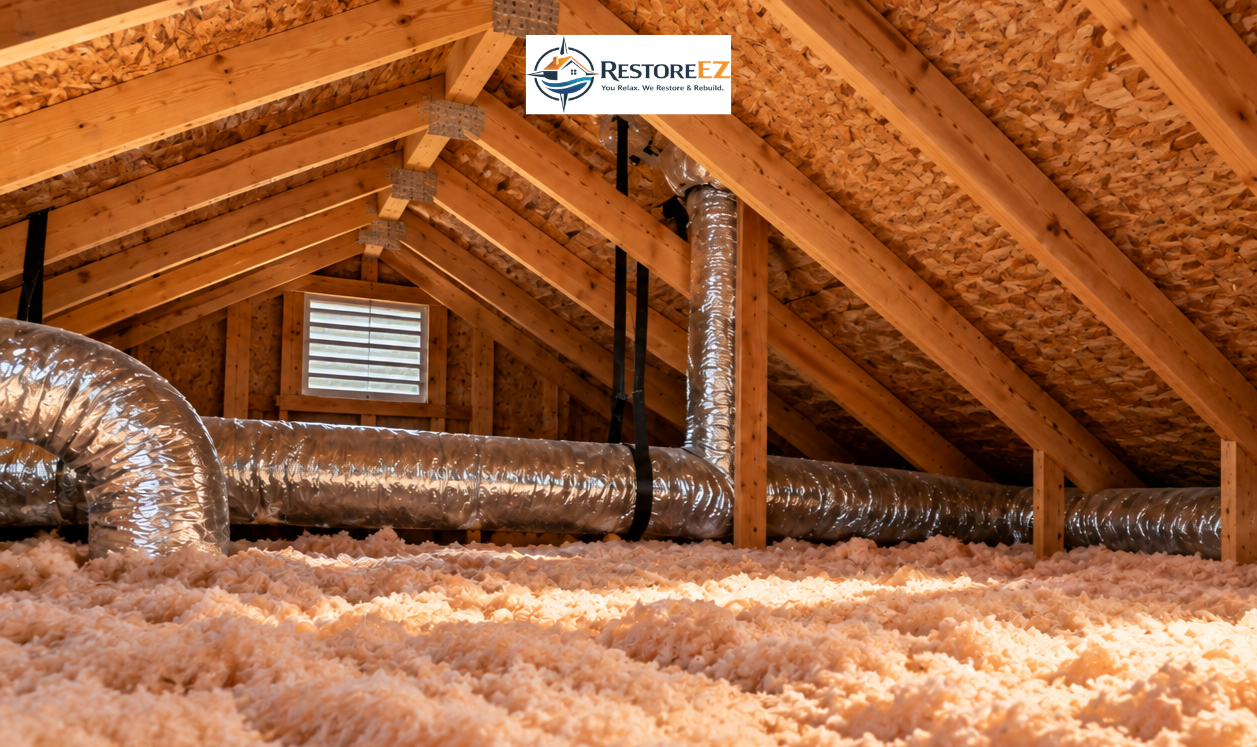
Another shift is using eco-friendly materials and efficient restoration methods. This reduces waste and supports healthier recovery. For instance, replacing old insulation, upgrading air filters, or using low-emission materials during rebuilds can enhance the project's outcome.
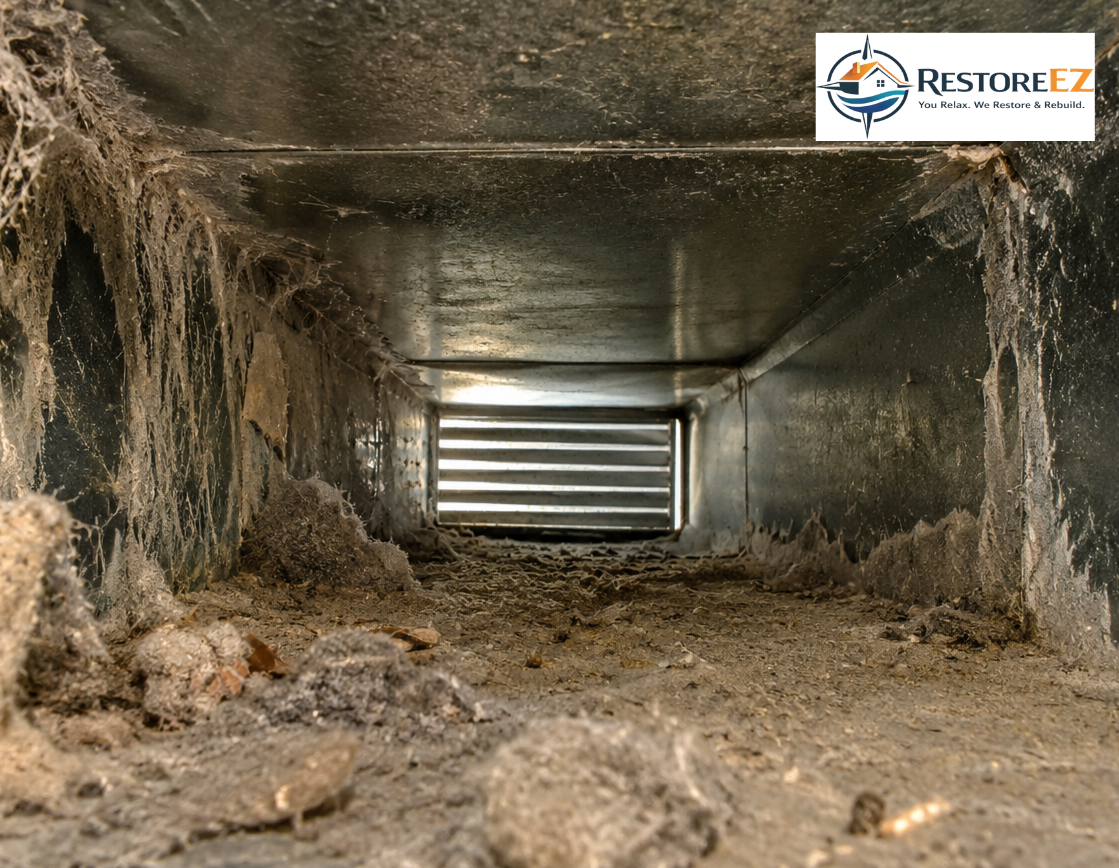
Related services like air duct cleaning and indoor air quality improvements are valuable too. If smoke, dust, or spores have infiltrated the HVAC system, cleaning and sealing may be needed before it's safe to occupy again. In some cases, air duct sealing can help reduce future risks and boost energy efficiency.
Why Specialized Training Matters in Restoration
Handling Different Hazards
Restoration isn't just cleanup. Technicians might deal with drying structures, containing mold, removing smoke odors, and handling debris all in one project. That's why specialized training is crucial. A trained team knows when to dry materials, when to remove them, and how to avoid spreading contamination.
Training also helps crews follow safety standards. For mold work, it's not just about removal but also about proper containment and filtration. If moisture remains, mold can return. Services like mold remediation are about more than just visible cleanup; they're about creating a safe indoor environment.
Compliance Cuts Risk
Safety standards matter. Restoration teams consider electrical hazards, structural issues, contaminants, and safety gear before starting work. This is especially important in older properties or commercial spaces with hidden risks. A qualified team reduces the chance of injuries and incomplete work.
Compliance also makes insurance documentation more reliable. When steps are recorded correctly, policyholders are in a better spot to support claims and reduce disputes. This professional process saves time and stress.
Real-Life Examples of Safer Recovery
Dealing with Residential Water Damage
Picture this: a homeowner finds a burst pipe has flooded their kitchen and living room. The instinct is to mop up, run a fan, and hope for the best. A professional response does a lot more: it finds the source, extracts water, checks moisture levels, removes damaged materials, and monitors drying.
In one typical scenario, quick professional action prevents mold from forming in the subfloor and walls. It might also save cabinetry that would otherwise be trashed. For families, this means less disruption and a safer return to normal. If the leak was hidden, our post on spotting hidden water damage may help next time.
Commercial Fire Damage and Keeping Business Going
Imagine a retail store has a small electrical fire after hours. Even if flames are limited, smoke can spread into storage, ceilings, and vents. Professional fire recovery focuses on quick stabilization, soot removal, odor control, and precise reconstruction so the business can reopen safely.
In commercial cases, each day closed affects revenue and customer trust. That's why emergency services are vital. They help reduce business downtime while ensuring safety before reopening. A solid plan can mean the difference between a short closure and a long shutdown.
The Financial Reason for Professional Restoration
Early Action Prevents Bigger Costs
Professional restoration might seem pricey at first, but waiting usually costs more. Water left too long can get into structures, grow mold, and damage electronics. Smoke can etch surfaces. Mold might need containment and reconstruction if it spreads.
The property restoration industry in the U.S. is huge, estimated at $234 billion annually. This shows how common and costly damage can be when not handled right. Professional help protects your property's value and cuts the chance of repeat damage.
Insurance Can Ease Financial Stress
Many insurance policies cover restoration, especially when damage is sudden and accidental. Proper documentation, photos, and estimates help claims move faster. A professional team knows how to prep records that meet insurer expectations and can clearly explain the work scope.
If you're weighing professional service, think about the long-term financial picture. A faster, more complete recovery reduces secondary losses and improves the chance of getting it right the first time.
Why Tarpon Springs Needs Local Restoration Experts
Weather Risks Demand Quick Action
In coastal and storm-prone areas, quick response is essential. Heavy rain, wind, and hurricane damage can affect roofs, windows, and insulation fast. That's why local expertise matters. In Tarpon Springs, FL, a restoration service needs to know the ins and outs of moisture issues, flood risks, and Florida's building quirks.
Local teams can mobilize quickly and adapt to the region's weather. This helps homeowners and businesses avoid prolonged exposure to damage. For properties with ongoing humidity issues, combining restoration with prevention like blown-in attic insulation or smart thermostats can boost moisture control and comfort.
Local Know-How for Better Results
A restoration company serving Tampa Bay should understand not just the damage, but also the environmental factors that cause it. High humidity, storm surge potential, and seasonal rain all affect how a property is dried and rebuilt. Local experience helps crews anticipate hidden issues.
This knowledge aids prevention. Services like dryer vent cleaning not only maintain your home but reduce fire risk and improve efficiency. When a provider thinks beyond the immediate crisis, property owners get a safer and more resilient result.
Picking the Right Restoration Company
Look for Quick Response and Clear Communication
When damage strikes, you need a team that responds fast and explains the process clearly. Ask if the company offers 24/7 emergency help, what their average arrival time is, and how they document damage. The best companies communicate throughout the job so you know what's happening.
Ask about certifications, insurance coordination, and equipment for drying or decontamination. A reliable provider will be transparent about the process and timeline. If the work includes hazards like mold or contaminated air, clarity is crucial for safety and peace of mind.
Choose a Company for Cleanup and Prevention
The best restoration work doesn't stop at visible cleanup. It covers source correction, moisture management, air quality improvement, and prevention planning. That's why services like air duct sealing, indoor air quality, and preventive measures make a difference after a loss.
It's also good to know what's needed after recovery. If you want to boost building resilience, the weatherization program might be worth a look. Prevention is often the smart next step once the immediate crisis is handled.
FAQs About Professional Restoration
Is Professional Restoration Necessary for Small Damage?
Yes, because even small issues can hide big problems. A minor leak can lead to mold, wood rot, and air quality issues if not dried properly. The sooner you respond, the better you protect your property and health.
How Long Does Restoration Take?
It depends on the damage type and extent. Drying might take days, while fire cleanup or mold remediation can take longer if demolition or rebuilding is needed. Professional teams assess the full scope first to give a realistic plan.
Can I Stay in My Home During Restoration?
Sometimes, but it depends on the hazard. If smoke, mold, structural issues, or major moisture are involved, it might be safer to relocate temporarily. A professional team can explain which areas are safe and which should be off-limits until work is done.
What Should I Do First After Property Damage?
Turn off utilities if safe, avoid contaminated areas, and document damage with photos. Then contact a professional restoration company immediately. Quick action helps reduce secondary damage, which often turns an emergency into a major repair project.
Wrapping It Up: A Safer Recovery with the Right Team
Dealing with property damage isn't easy, but it gets safer when professionals handle the process. Restoration teams bring the gear, know-how, and safety protocols needed to manage water, fire, smoke, and mold damage right. They help property owners avoid common missteps that lead to bigger repairs later.
Whether it's a burst pipe, fire, storm leak, or hidden contamination, the safest choice is often the one that protects both the structure and those inside. If you need help, water damage restoration, fire damage restoration, and mold remediation offer a reliable path to a secure, healthy property. To chat with Restoreez, call (813) 703-0300 or visit restoreez.com for fast, expert support.