Why You Shouldn’t Ignore Minor Water Damage
A small leak under a sink. A damp patch on the ceiling. A little warping around a baseboard. These issues can feel easy to postpone, especially when life is busy, and the damage seems limited. But minor water damage is often the first visible sign of a bigger problem, and delaying action can turn a simple repair into a costly restoration project.
Let's look at why even small water issues deserve immediate attention, the hidden risks they create, and how professional services can help protect your property. You’ll also learn about the latest detection and drying methods, the warning signs to watch for, and practical steps you can take before damage spreads. If expert help is needed, our water damage restoration services and mold inspection services are here to identify issues early and restore safe conditions quickly.
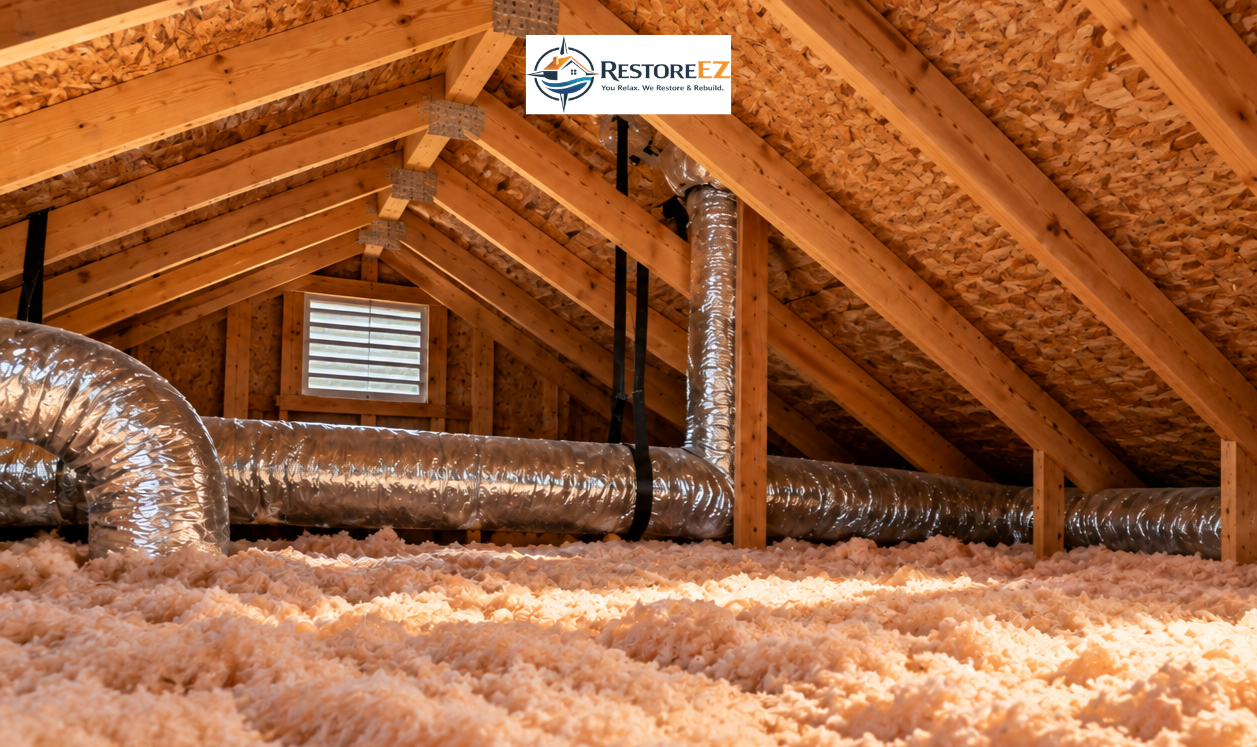
Water damage isn’t just about visible stains. Moisture can move behind walls, into subfloors, and inside insulation where it stays hidden for days or weeks. The U.S. Environmental Protection Agency notes that indoor dampness can lead to mold growth and poor indoor air quality, which makes fast drying crucial.
Why Small Water Problems Become Big Problems
Moisture spreads farther than you think.
One of the biggest mistakes homeowners make is thinking a small leak stays small. Water follows gravity, but it also travels sideways through porous materials, wicks into drywall, and spreads beneath flooring. By the time you see a stain or a warped plank, the moisture may already be affecting several hidden building materials.
This is especially true in humid environments where materials dry slowly. In places like Tarpon Springs and the surrounding Gulf Coast communities, moisture control is even more important because warm air and humidity can keep damp materials wet long enough for microbial growth to begin. That’s why prompt water damage restoration is about more than cleanup; it's about stopping the progression before it becomes structural damage.
Structural materials weaken over time.
Drywall, wood framing, insulation, flooring adhesive, and cabinetry all respond differently to water exposure, but none of them improve with time. Even a short-term leak can soften drywall, swell particleboard, or cause wood to expand and later shrink, leading to cracks and gaps. When the problem repeats, the damage compounds and can affect the integrity of surrounding materials.
The Institute of Inspection Cleaning and Restoration Certification (IICRC) emphasizes removing the source, extracting standing water, and thoroughly drying affected areas. Their structured process is a benchmark for professional water damage restoration work. For more details, check out the IICRC's standards.
The Hidden Health Risks of Ignoring Moisture
Mold can start quickly.
Mold doesn’t need a major flood to grow. Under the right conditions, it can begin forming within 24 to 48 hours after water exposure. That timeline matters because many minor leaks are not immediately noticed, especially if they occur behind cabinets, under appliances, or inside walls. A musty smell is often the first clue that moisture has already lingered too long.
Once mold begins growing, cleanup becomes more complex. A simple drying job may no longer be enough, and affected materials may require removal, containment, and mold remediation. For more on how hidden mold can develop, see our article on checking for mold.
Indoor air quality can suffer.
Moisture-related damage can affect the air you breathe. Mold spores, bacteria, and damp building materials may release particles and odors that irritate the respiratory system. This can lead to coughing, sneezing, headaches, eye irritation, or worsening allergy symptoms.
That’s why many restoration projects include air quality support. If moisture has spread odors or contaminants through the HVAC system, consider indoor air quality services and even air duct cleaning. The CDC also notes that damp indoor environments can support mold growth and affect health, especially for people with asthma or allergies.
Modern Detection and Restoration Methods
Thermal imaging and moisture meters improve accuracy.
One of the biggest advances in restoration is detecting hidden moisture without unnecessary demolition. Thermal imaging cameras can find temperature differences indicating damp areas behind surfaces, while moisture meters measure how much water remains in materials. These tools help professionals locate the source more accurately and create a targeted drying plan.
This technology is especially useful when a leak seems minor, but the smell or staining suggests a deeper issue. Rather than guessing, trained technicians can evaluate the problem's true extent and decide if structural drying methods, repairs, or additional inspections are needed. Modern assessment reduces guesswork and can save both time and money.
Dehumidification is now standard practice.
After water extraction, drying isn’t complete until moisture levels in the air and materials return to safe ranges. That’s why dehumidification is a standard part of professional restoration. Dehumidifiers remove excess moisture from the air, while air movers help accelerate evaporation from walls, flooring, and furniture.
Research consistently shows that proper dehumidification helps reduce the risk of mold growth and secondary damage. For a deeper explanation, check out the article on dehumidification in water restoration.
Documentation supports faster decisions.
Professional restoration teams often document moisture readings, affected rooms, and the progression of drying over time. This creates a clearer picture for homeowners, building managers, and insurance providers. Documentation also helps verify when the environment has returned to normal and supports informed decisions about repairs.
For property owners, this is one of the strongest reasons not to ignore minor water damage. What looks like a harmless spot can actually be a measurable issue that needs treatment. If you suspect hidden moisture, a professional mold inspection or water evaluation can uncover the problem before it escalates.
What Happens If You Wait Too Long
Repairs become more expensive.
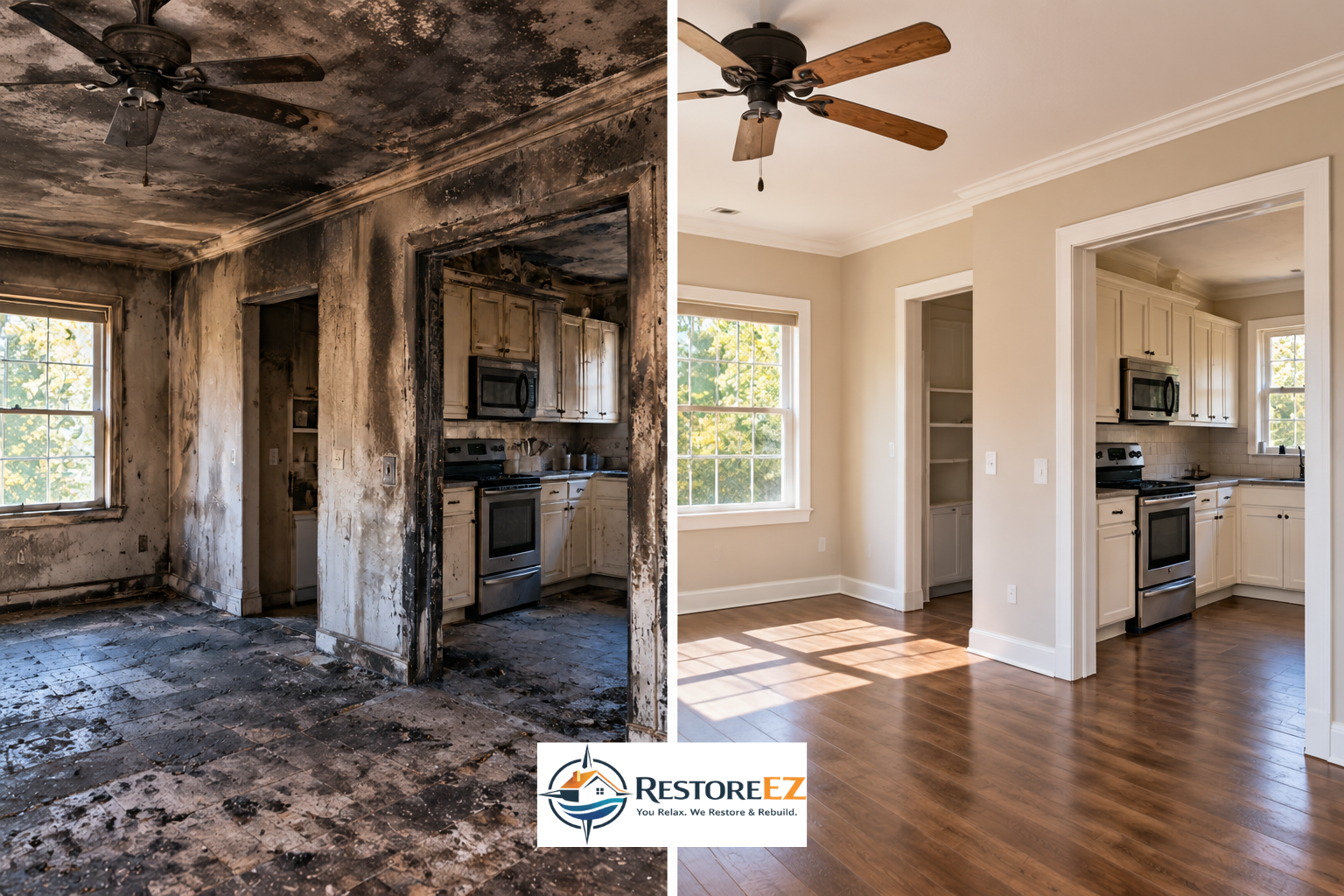
Minor water damage often starts with a small, manageable fix, such as a pipe fitting, appliance line, or roof seal. When ignored, the issue can spread into trim, flooring, cabinetry, and structural framing. A simple repair becomes a layered project involving demolition, drying, sanitizing, reconstruction, and possibly mold removal.
This progression is why prompt action matters financially. The sooner the problem is addressed, the more likely it is that only the affected area needs attention. Once water reaches hidden cavities or repeated exposure occurs, the overall restoration cost can climb quickly and unpredictably.
Materials may need full replacement.
Some materials can be dried and salvaged, but others cannot recover after prolonged exposure. Particleboard cabinets may swell beyond repair. Carpet padding may hold contamination and odors. Drywall may crumble or lose its structural integrity. Flooring may buckle, cup, or separate at the seams.
In severe cases, failing to act early can lead to removing whole sections instead of spot repairs. That’s why our mold remediation and restoration services often work together when a leak has gone unnoticed long enough for secondary issues to develop. Addressing the moisture early is usually the best way to preserve as much of the property as possible.
Insurance claims can become more complicated.
Insurance coverage and claim handling may depend on whether the damage was addressed quickly and responsibly. A small, sudden leak may be treated differently from damage that worsens due to neglect. Proper documentation, prompt mitigation, and professional service records can all help support a smoother claim process.
Even if you are unsure whether the damage qualifies for a claim, it’s wise to record the issue and contact a qualified restoration team. Acting early helps demonstrate that you took reasonable steps to prevent further loss, which is valuable in both residential and commercial property situations.
Signs of Minor Water Damage You Should Never Overlook
Visual warning signs
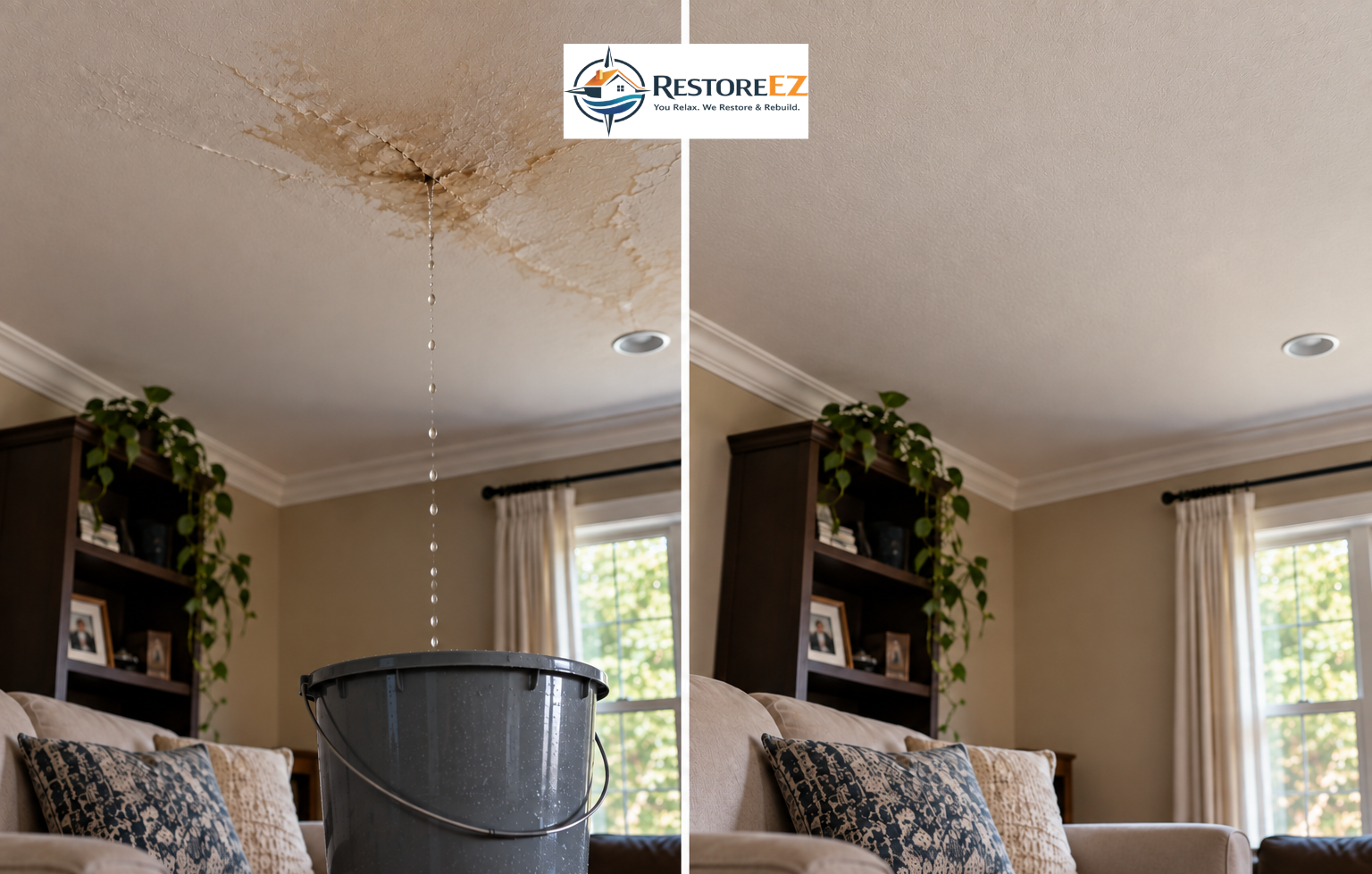
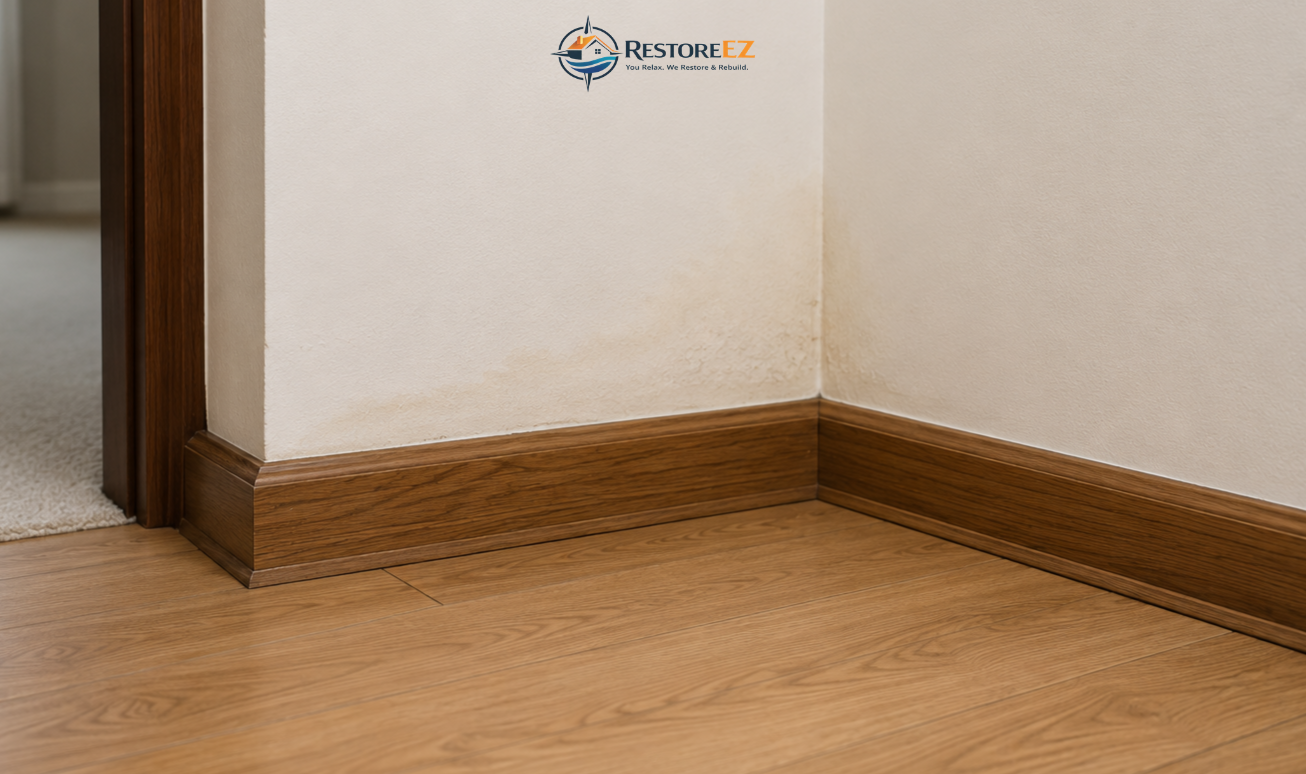
Not all water damage looks dramatic. In many cases, the first clues are subtle. Watch for discoloration on ceilings or walls, peeling paint, bubbling wallpaper, warped baseboards, and soft spots in flooring. These often indicate that water has been present more than once or hasn't fully dried.
If the affected area is near a kitchen, bathroom, laundry room, or HVAC system, pay even closer attention. For more insight into common trouble spots, our guide on why kitchens often fall victim to water damage explains how appliance lines and plumbing connections can create repeated problems over time.
Odors and air changes
A damp, earthy, or musty smell often indicates hidden moisture even when you can’t see standing water. The odor may become stronger after the air conditioning cycles off or when a room has been closed for some time. Sometimes people notice that a room feels heavier or more humid than the rest of the home.
These sensory clues matter because water damage is frequently concealed. If your home smells off but looks fine, there may still be moisture trapped behind finishes or under flooring. A prompt inspection can confirm whether the issue is isolated or part of a broader hidden problem.
Changes in utility usage and performance
Unexpected spikes in your water bill can sometimes point to a slow leak. You might also notice reduced performance in appliances or plumbing fixtures if pipes are leaking behind the scenes. In commercial settings, employees may report recurring dampness, slippery surfaces, or inconsistent indoor comfort.
When these patterns appear together, it’s time to investigate. Even if the visible damage seems minor, the underlying cause could be ongoing and may require a professional water damage restoration assessment to prevent further loss.
A Real-World Example of a Small Leak Gone Wrong
The kitchen sink leak became a major repair
Consider a homeowner who noticed a small drip under the kitchen sink and assumed it was harmless. At first, the only visible sign was a slight darkening of the cabinet base. Over time, the drip continued, the cabinet absorbed moisture, and the flooring beneath began to soften. By the time the homeowner investigated, the damage had spread well beyond the original leak.
What started as a minor plumbing issue eventually required cabinet replacement, floor repairs, drying equipment, and mold remediation. This kind of case is common because hidden leaks often go unnoticed during daily routines. The lesson is simple: if water is escaping from its intended path, the damage can expand quietly and steadily until it becomes a much larger project.
Why does early inspection change the outcome
If the leak had been inspected earlier, the homeowner likely could have limited the repairs to the plumbing connection and some localized drying. Instead, the damaged materials remained wet long enough to deteriorate. That difference in timing is often what separates a manageable repair from a disruptive restoration project.
In many cases, professional testing with moisture meters and thermal imaging can identify damage before it reaches this stage. That’s why early assessment is one of the smartest investments a property owner can make after noticing even a small water issue.
How to Respond When You Notice Minor Water Damage
Step one: stop the source if possible
If it’s safe to do so, shut off the water source or stop the leak temporarily. This may mean turning off a fixture valve, closing a supply line, or containing a spill. Don’t ignore the issue while waiting for it to worsen, and don’t assume it will dry on its own without help.
Once the source is controlled, avoid using the affected area if possible. Keep in mind that hidden moisture may still be present even if the surface appears dry. If the problem is larger than you can manage safely, contact a professional right away.
Step two: document the damage
Take clear photos and videos of the visible damage, the suspected source, and any affected belongings. Documentation helps you keep a record of conditions before cleanup begins. It also supports communication with restoration professionals and insurance adjusters if a claim becomes necessary.
If you’re dealing with recurring problems or signs of hidden moisture, scheduling an evaluation is a wise next move. Our mold inspection team can help determine whether the area has already developed a secondary mold concern.
Step three: dry and evaluate thoroughly
Small damp areas may seem easy to dry with fans, but surface drying is not the same as structural drying. Materials underneath the finish can hold moisture long after the top layer feels normal. Professional equipment can speed evaporation, remove humid air, and monitor conditions until the structure is safe.
This is where expert help matters most. If the water source is unclear, the area smells musty, or the damage is near drywall, insulation, or flooring, a full assessment is the safest approach. Sometimes, the best way to protect the property is to combine water extraction, drying, and mold remediation if contamination is already present.
Preventing Future Water Damage
Maintain plumbing and appliances.
Routine maintenance is one of the simplest ways to reduce water damage risk. Check under sinks, behind toilets, around water heaters, and near washing machines for signs of leaks. Replace worn hoses, tighten loose fittings, and inspect supply lines regularly.
Preventive maintenance is especially useful in homes and businesses that have experienced water problems before. A small investment in inspections and upkeep can prevent expensive emergencies later. For properties that want to improve resilience, services like flood barriers may also be helpful in vulnerable areas.
Control humidity indoors
Florida’s climate makes humidity control a year-round priority. Using dehumidifiers, keeping indoor ventilation strong, and maintaining HVAC systems can reduce the chance that a small leak turns into a mold problem. If humidity is consistently high, even small damp spots may dry more slowly than expected.
Moisture control is also an important part of broader home efficiency. In some cases, improving sealing and ventilation can help reduce condensation and dampness. If you’re exploring property-wide improvements, our weatherization program information can be a useful next step.
Watch for repeated trouble areas.
Some spaces are naturally more vulnerable than others. Kitchens, bathrooms, laundry rooms, attics, crawl spaces, and around windows or exterior doors are common water intrusion points. If you’ve dealt with leaks in the same place more than once, that area deserves closer attention.
For properties in Tarpon Springs and nearby coastal communities, seasonal storms and humidity can make ongoing vigilance even more important. Regular inspections, fast repairs, and professional drying when needed can prevent small issues from becoming chronic damage.
When to Call a Professional Restoration Team
Call quickly if the source is unknown.
If you can see damage but can’t identify where the water is coming from, call a professional immediately. Hidden sources can include roof leaks, plumbing leaks inside walls, HVAC condensation issues, or slow seepage under flooring. Guessing can waste time and allow the problem to continue.
A trained restoration team can identify the source, assess the extent of the damage, and recommend the right combination of extraction, drying, sanitizing, and repair. This is especially valuable when you want to avoid future mold growth or structural deterioration.
Call if moisture has been present for more than a day
Because mold can begin forming within 24 to 48 hours, waiting longer than a day after a leak is risky. Even if the area seems minor, there may be hidden wetness behind walls or under surfaces. The longer moisture remains, the more likely it is that materials will need replacement rather than drying.
Professional drying equipment can often save materials that would otherwise be lost. That makes fast response one of the most practical ways to reduce both disruption and cost.
Call if odors, staining, or swelling appear.
Persistent odor, visible staining, and material swelling are signs that moisture has already affected the structure. These symptoms often indicate the issue is not isolated. A professional response can help prevent the damage from spreading to adjacent rooms or building systems.
For homeowners and businesses who want reliable help, Restoreez provides water damage restoration, mold remediation, and related services that support safer, faster recovery. You can also explore our related article on why fast response time matters to better understand how early action protects property value.
Protect Your Property Before Minor Damage Becomes Major
Why prompt action always pays off
Minor water damage is rarely as minor as it first appears. What begins as a small leak or damp spot can lead to mold growth, structural weakening, odor problems, and more expensive repairs if ignored. Acting quickly protects the building, improves indoor air quality, and often reduces the total cost of restoration.
In many cases, the difference between a simple fix and a large project comes down to timing. Early detection, professional drying, and targeted repairs are the most effective ways to keep moisture from becoming a long-term problem.
Your next step
If you have noticed even a small sign of water damage, don’t wait for the situation to spread. Take photos, stop the source if you can, and schedule a professional assessment. The sooner the issue is evaluated, the more options you have for saving materials and preventing secondary damage.
Restoreez is here to help property owners protect their homes and businesses with prompt, professional remediation support. If you suspect hidden moisture or see early warning signs, contact our team today to discuss your next steps and restore confidence in your property’s safety. For direct assistance, call (813) 703-0300 or visit Restoreez.